

Local enterprises face critical bottlenecks in material movement that impact overall productivity and workplace safety.
Reliance on manual chain blocks in warehouses leads to slower cycle times and increased operator fatigue, causing bottlenecks in fast-paced Egyptian logistics hubs.
High ambient temperatures in Egypt accelerate the degradation of lubricants and components in standard lifting tools, leading to unexpected equipment failure and downtime.
The use of non-certified load chains or worn-out slings increases the risk of catastrophic failure, creating significant liability and safety hazards for site managers.
Poorly engineered equipment requires frequent repairs. In Egypt, the lack of readily available specialized spare parts for generic hoists increases long-term operational expenditure.
Fixed lifting points without a reliable Electric trolley limit the movement of heavy machinery, complicating the installation process in tight spaces.
Older electric winches often consume excessive power without providing precise control, leading to higher utility costs for Egyptian manufacturing plants.
We integrate advanced materials and certified safety standards to solve the most demanding material handling problems.
Replacing manual blocks with a chain hoist electric system reduces lifting time by up to 70% and eliminates manual strain on workers.
Our equipment uses high-grade alloy steel and heat-stable lubricants, ensuring the hoist maintains peak performance even during Egyptian summer peaks.
By utilizing G80 load chains and CE-certified mechanisms, we ensure that every lift complies with international safety standards, reducing workplace accidents.
Standardized components across the GSTOYO line simplify part replacement, ensuring that Egyptian operators can maintain equipment with minimal downtime.
Integrating an Electric trolley allows for 3D movement of loads, enabling precise placement of heavy equipment in Egyptian workshops.
Our electric winch models feature optimized winding and high-efficiency motors that reduce power consumption during heavy-duty cycles.


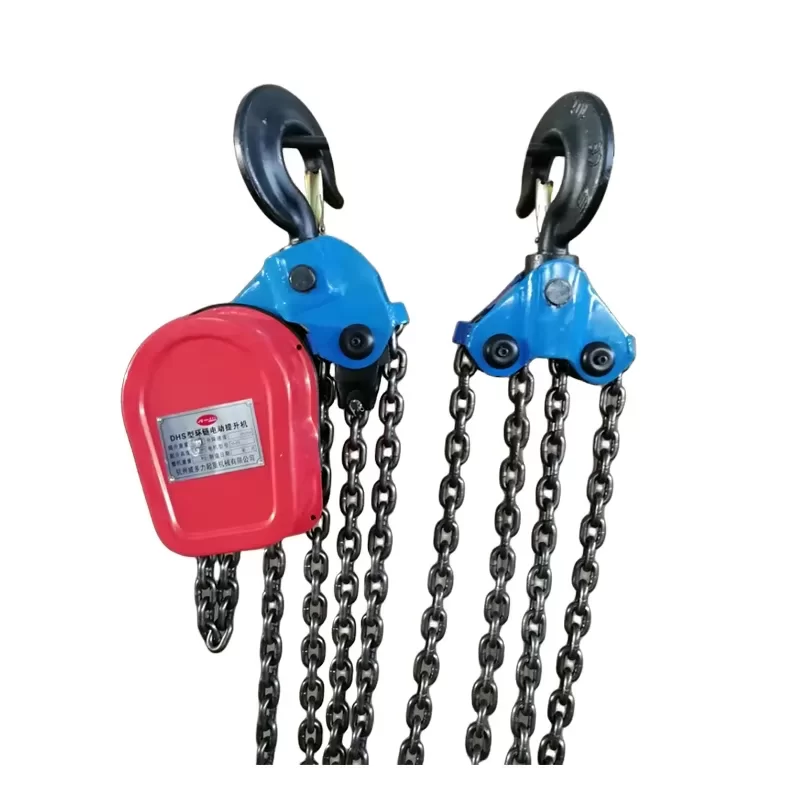
Proven manufacturing scale and technical expertise driving global lifting reliability.
Analyzing the intersection of infrastructure growth and lifting technology in North Africa.
Egypt's industrial sector is currently undergoing a period of significant expansion, driven by large-scale infrastructure projects and the development of new industrial zones along the Suez Canal. The demand for reliable lifting equipment, such as the wire rope hoist, has surged as manufacturing plants transition from rudimentary manual systems to automated material handling. The market is characterized by a mix of heavy industry, including textiles and chemicals, and a rapidly growing construction sector that requires versatile and robust hoisting tools capable of withstanding harsh environmental conditions.
Recent trends indicate a shift toward "Smart Lifting," where operators prioritize precision, energy efficiency, and integrated safety features. In Egypt, there is a growing preference for electric-powered systems over manual ones to reduce labor costs and increase throughput. The adoption of electric hoist technology is no longer just about capacity but about the ability to integrate with wider warehouse management systems. Furthermore, the insistence on CE and ISO certifications is becoming a standard requirement for government-contracted projects, pushing the market toward higher-quality global manufacturers.
Despite the growth, challenges remain regarding the lifecycle management of equipment. Many Egyptian firms face constraints related to the high cost of imported high-end machinery and the scarcity of local technical expertise for complex repairs. This creates a significant opportunity for manufacturers who can provide not only the hardware—such as manual chain block units and electric winches—but also the technical documentation and durability required for long-term operation in arid climates. The outlook remains positive as Egypt continues to position itself as a regional logistics hub.
From basic mechanical advantage to precision electronic control.
The industry has moved from basic carbon steel to advanced alloyed materials. This change has drastically reduced the frequency of chain wear and corrosion, which is particularly critical for Egypt's humid coastal industrial zones.
Modern hoisting tools now feature integrated mechanical or electronic overload limiters. This shift prevents equipment failure and ensures that the load chain never exceeds its rated capacity.
The development of mini electric hoists has allowed small-scale workshops to implement power lifting without requiring massive structural modifications to their existing facility ceilings.
Anticipating the next wave of material handling innovation.
Future hoists will likely include sensors to monitor chain wear and motor temperature in real-time, allowing Egyptian firms to switch from reactive to predictive maintenance.
A move toward energy-efficient motors and potential battery-powered electric winches to reduce the carbon footprint of Egyptian industrial operations.
Shift toward wireless remote controls and intuitive interfaces to increase operator safety by allowing them to stand further away from the load during lifting.
Growing demand for equipment that can be easily integrated into existing cross-brand crane systems, promoting flexibility in equipment procurement.
The trajectory of the hoisting industry is moving toward an intersection of mechanical robustness and digital intelligence. In Egypt, this is particularly evident in the transition toward equipment that offers higher safety margins. The integration of advanced materials, such as G80 alloys for the binder chain and load chains, ensures that tools can handle the rigorous demands of heavy manufacturing while maintaining a lightweight profile for ease of installation.
Furthermore, as the Egyptian government emphasizes industrial modernization, there is a clear trend toward procuring equipment that meets European (CE) and International (ISO) standards. This shift is driving the replacement of legacy manual systems with precise electric solutions. The impact is a measurable increase in operational safety and a decrease in the cost of labor per ton of material moved, fundamentally altering the economic logic of material handling in the region.
Real-world implementations of GSTOYO lifting equipment across various sectors.
In a heavy machinery assembly plant in Cairo, operators use a wire rope hoist combined with an electric trolley to move massive engine blocks. The local condition of high-density workshop layout requires precise 3D movement. By implementing this system, the plant reduced component placement time and eliminated the risk of manual swing accidents.
At the port facilities in Alexandria, technicians utilize manual chain block systems for the maintenance of ship cranes. Given the saline, corrosive environment, the use of high-grade, treated chains prevents rapid oxidation. The solution provides a reliable, non-electric lifting method for emergency repairs where power access is limited.
On large-scale construction projects in Giza, electric winch systems are deployed for lifting structural beams to upper floors. The challenge of wind and dust is mitigated by the robust housing of the GSTOYO winches, ensuring consistent lifting speed and reducing the reliance on expensive mobile crane rentals for small loads.
Within the logistics hubs of the SCZONE, a chain hoist electric system is installed for loading palletized goods into containers. The high volume of daily shipments demands a system with a fast duty cycle. The automated lifting process has increased the tons-per-hour throughput and reduced worker injuries associated with repetitive manual lifting.
In the food processing plants of the Nile Delta, mini electric hoists are used to move raw materials between processing stages. The need for hygienic and compact lifting solutions is met by these units, which occupy minimal space and can be easily cleaned, ensuring that production flow is not interrupted by material handling delays.
How different facility managers evaluate the impact of professional hoisting equipment.
The transition from manual pulleys to an electric hoist system has fundamentally changed our assembly line speed. We noticed a significant drop in operator fatigue and a clearer adherence to safety protocols, as the equipment handles the heavy load with precision and stability.
Operating in a coastal environment means corrosion is our biggest enemy. Using certified G80 load chains has extended our maintenance intervals significantly. The reliability of the gear mechanisms ensures that we don't face unexpected downtime during critical port operations.
For our construction needs, the electric winch provided the perfect balance of power and mobility. It allowed us to move structural elements without the constant need for heavy cranes, reducing our rental costs and speeding up the overall project timeline.
Two decades of excellence in lifting equipment manufacturing.
Established in 2005, Hebei Juying Hoisting Machinery Co., Ltd began its journey with a commitment to quality, launching the "GSTOYO" brand to provide professional lifting tools to the domestic market.
The company expanded its manufacturing capabilities to a 40,000 square meter land area, implementing over 100 production lines to support a diversified product range from manual chain blocks to electric hoists.
To ensure global competitiveness, the company achieved ISO9001 standard compliance and obtained EU CE and Germany TUV certifications, enabling export to the US, Australia, Germany, and Brazil.


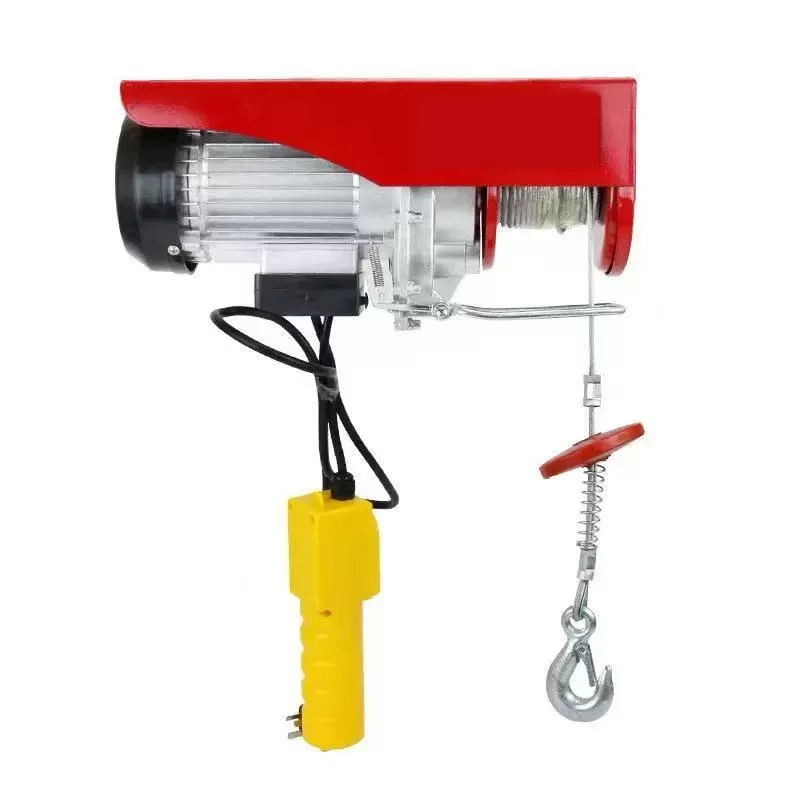
Answers to the most common technical and commercial questions from our clients.
The primary difference lies in the lifting medium and typical application. Wire rope hoists are generally suited for heavier loads and higher lift heights, offering greater stability for large-scale industrial movements. Chain hoists, particularly electric hoist models, are more compact, provide precise positioning, and are ideal for workshops or warehouses with limited space. The choice depends on the required load capacity, lift height, and the frequency of use in your specific facility.
For industrial lifting, Grade 80 (G80) is the global standard for load-bearing chains due to its high strength-to-weight ratio and durability. When selecting a load chain, you must calculate the maximum expected load including a safety factor (usually 4:1 or 5:1). In Egypt's heat, ensure the chain is properly lubricated with high-temperature grease to prevent friction-induced wear and ensure the chain is certified by ISO or CE standards to avoid catastrophic failure.
Yes, our electric equipment is designed for global versatility. We can customize the motor voltage and frequency to match Egypt's standard power grid (typically 220V/380V, 50Hz). We recommend using a voltage stabilizer for installations in rural industrial zones where power fluctuations are common. This ensures the longevity of the electric motor and prevents overheating, which is a common cause of failure in high-ambient-temperature regions.
In dusty environments, we recommend a weekly visual inspection of the rope or chain for fraying and a monthly lubrication cycle. Every quarter, the braking system and electrical contacts should be cleaned and tested. For an electric winch, ensuring the drum is free of debris is critical to prevent uneven winding. We provide detailed maintenance manuals with all our equipment to help local operators maintain peak performance.
While a manual chain block is extremely reliable for occasional lifts or emergency use, it is not recommended as the primary tool for a high-volume production line. The physical effort required increases labor costs and slows down the cycle time. For permanent production installations, we strongly recommend upgrading to a chain hoist electric system, which offers consistent speed and significantly higher operational efficiency.
To provide an accurate recommendation, we need three key pieces of information: your maximum load capacity (WLL), the required lift height, and your power supply specifications. You can submit these details through our contact page. Our engineering team will then suggest the optimal combination of hoists, trolleys, and chains, providing a technical datasheet and a formal commercial quote tailored to your operational requirements in Egypt.
Whether you are managing a port in Alexandria or a factory in Cairo, the right hoisting equipment is the foundation of productivity. Avoid the risks of non-certified tools and reduce operational downtime with GSTOYO's professional engineering. Our team is ready to help you select the most efficient electric and manual solutions tailored to the Egyptian industrial environment.
Discuss Your Requirements


