
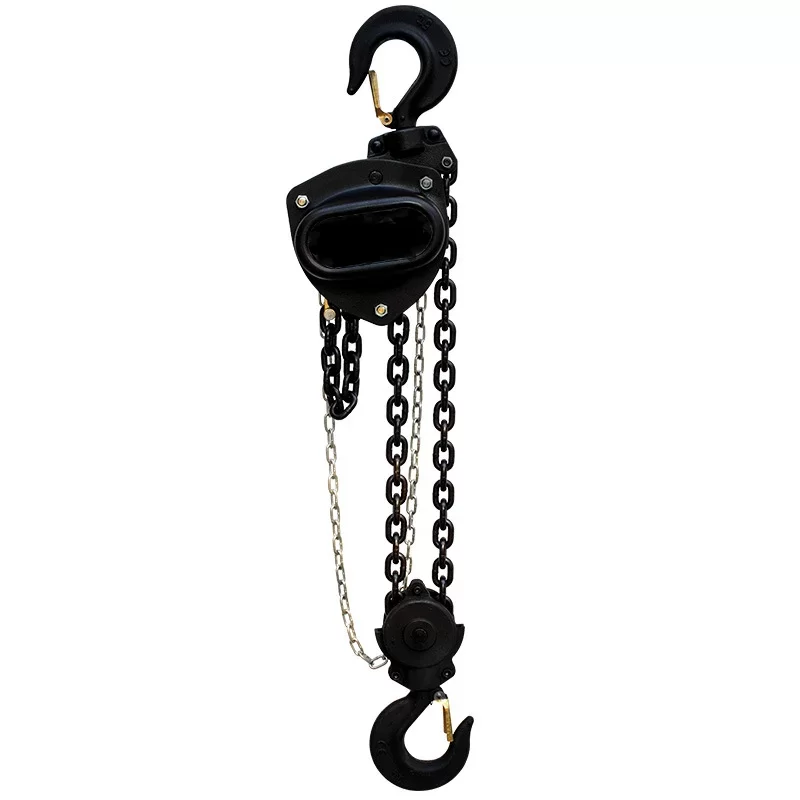
Ethiopian Material Handling Solutions: Electric Hoist Expertise

Providing reliable lifting equipment for Ethiopia’s growing industries.

Ethiopian Material Handling Solutions: Electric Hoist Expertise

Offering a comprehensive range of electric hoists, wire rope hoists, and related lifting solutions tailored for Ethiopian businesses.

Current State of the Lifting Equipment Market in Ethiopia

Analyzing the challenges and opportunities for material handling in the Ethiopian industrial landscape.

Ethiopia’s rapidly developing manufacturing sector, including burgeoning agricultural processing and construction industries, is driving demand for reliable material handling equipment. However, the market faces challenges including infrastructure limitations, import regulations, and a need for skilled technicians to maintain and repair complex lifting systems. The availability of affordable and durable electric hoist solutions is crucial for supporting this growth.

The Ethiopian climate, with its diverse conditions ranging from arid lowlands to temperate highlands, also impacts equipment requirements. Dust and extreme temperatures necessitate robust designs and protective coatings for wire rope hoist and Electric trolley components. Furthermore, the geographic landscape often presents logistical hurdles for transporting and installing heavy machinery.

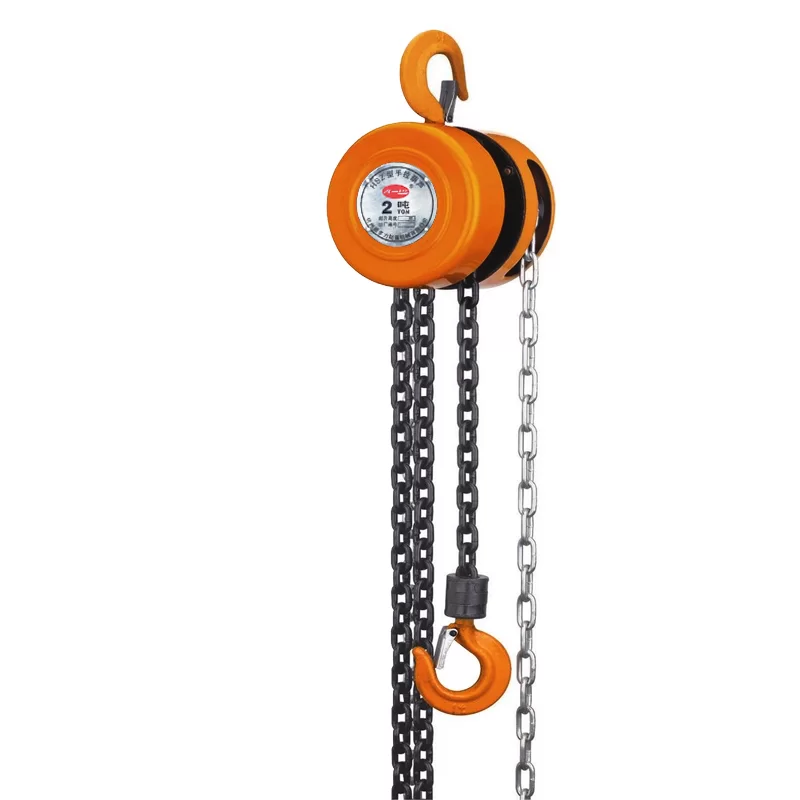
Currently, the market relies heavily on imports, but there's a growing push towards local assembly and manufacturing to reduce costs and improve accessibility. Businesses are increasingly seeking solutions beyond basic lifting, exploring features like variable speed control and remote operation offered by modern chain hoist electric and electric winch systems.
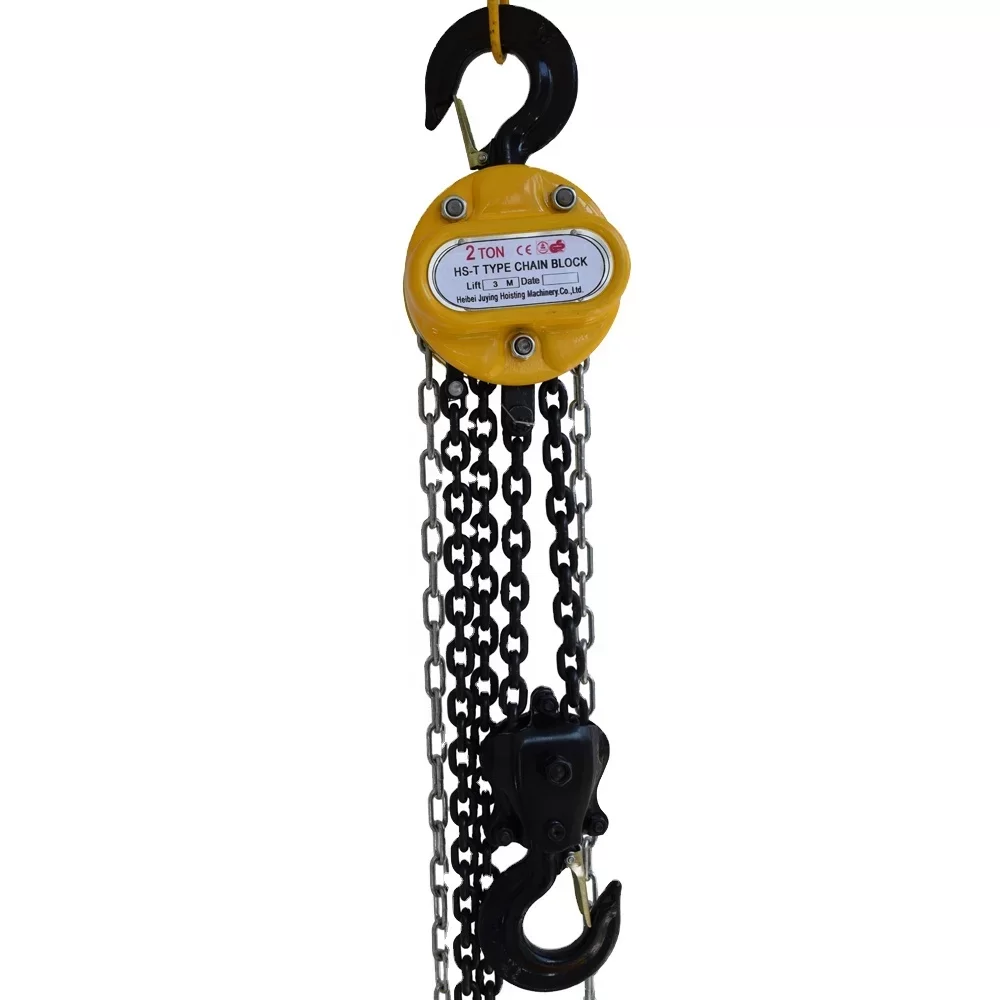
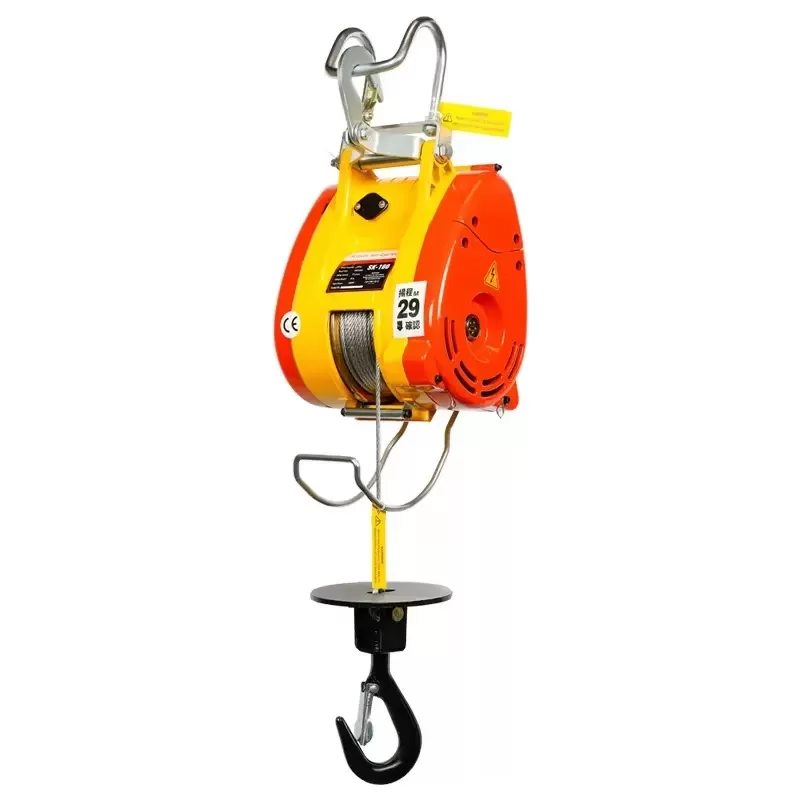
Evolution of Lifting Technology in Ethiopia

Tracing the development of material handling from manual labor to advanced electric systems.

Market Development History

Historically, material handling in Ethiopia relied heavily on manual labor and simple pulley systems. Before the 1990s, the use of powered lifting equipment was limited, primarily confined to large-scale state-owned enterprises. The liberalization of the Ethiopian economy in the 1990s spurred investment and increased demand for more efficient material handling solutions.

The early 2000s saw the introduction of basic manual chain block and simpler electric hoists, often imported from Asia. These were typically used in construction and light manufacturing. However, concerns about quality and reliability were prevalent. The rising demand for better, more durable block chain and load chain led to the rise in higher-quality options.

The past decade has witnessed a gradual shift towards more sophisticated systems, including variable frequency drive (VFD) controlled hoists and automated lifting solutions. Increased awareness of safety standards and ergonomic principles has also influenced demand. The integration of Binder chain is increasingly prevalent in applications requiring robust and secure lifting solutions.

Future Development Trends

Smart Lifting Systems

The integration of IoT sensors and data analytics into lifting equipment will become more common, enabling predictive maintenance, remote monitoring, and improved operational efficiency. Google Trends data shows a consistent increase in searches related to "smart hoists" and "remote monitoring" globally.

Energy Efficiency and Sustainability

Demand for energy-efficient hoists and winches will grow as businesses prioritize reducing their carbon footprint and operating costs. The adoption of regenerative braking systems and optimized motor designs will be key trends.

Localized Manufacturing and Support

The establishment of local assembly and manufacturing facilities will reduce lead times, lower costs, and provide better after-sales support. Investment in training programs for Ethiopian technicians will be crucial for ensuring the long-term sustainability of the industry.

Industry Trends and Future Outlook for Lifting Equipment in Ethiopia

Exploring the emerging technologies and market opportunities in the Ethiopian material handling sector.

Increased Demand for Compact Hoists
The growth of small and medium-sized enterprises (SMEs) in Ethiopia is driving demand for compact and affordable lifting solutions, such as electric hoist with lower capacity ratings.
Growing Adoption of Wireless Controls
Wireless remote controls are gaining popularity for improving operator safety and efficiency, especially in applications involving electric winch and heavy lifting operations.
Focus on Durability and Reliability
Ethiopian businesses prioritize durable and reliable equipment that can withstand harsh operating conditions. Demand for high-quality chain hoist electric and components is increasing.
Increasing Awareness of Safety Standards
Greater emphasis on workplace safety is driving demand for lifting equipment that complies with international standards and features safety mechanisms like overload protection.

Industry Outlook

The Ethiopian lifting equipment market is poised for continued growth, driven by infrastructure development, industrial expansion, and increased investment. However, challenges related to import costs, access to finance, and skills gaps need to be addressed to unlock the full potential of the sector.

The future will likely see a greater focus on localized manufacturing, adoption of smart technologies, and a commitment to sustainable practices. Businesses that can offer reliable, affordable, and safe lifting solutions will be well-positioned to succeed in this dynamic market.

Local Applications of Lifting Equipment in Ethiopia

Real-world examples of how lifting solutions are utilized across various industries in Ethiopia.

1. Coffee Processing Plants

Ethiopia is renowned for its coffee production. Lifting equipment, such as electric hoist and electric winch, are used to efficiently move coffee beans between processing stages, from drying patios to storage silos.

2. Construction Sites

The rapid urbanization and infrastructure development in Ethiopia demand robust lifting solutions for construction projects. Wire rope hoist and manual chain block are vital for lifting building materials, steel structures, and prefabricated components.

3. Agricultural Warehouses

Efficient storage and handling of agricultural products are crucial for ensuring food security. Chain hoist electric are utilized in warehouses to stack and retrieve bags of grain, fertilizers, and other agricultural commodities.

4. Manufacturing Facilities

In the burgeoning manufacturing sector, lifting equipment plays a vital role in moving raw materials, finished goods, and heavy machinery. Electric trolley systems are commonly employed to streamline production processes and improve efficiency.

5. Sugar Industry

The sugar industry in Ethiopia relies on heavy-duty lifting equipment to manage large quantities of sugarcane and sugar products. Binder chain and high-capacity winches are essential for loading, unloading, and transporting materials.

Brand Story

Hebei Juying Hoist Machinery Manufacturing Co., Ltd. Global Development History

Commitment to Quality

Founded on a commitment to providing robust and reliable lifting solutions, we have consistently invested in advanced manufacturing technologies and stringent quality control processes.

Global Expansion

Over the years, we've expanded our reach to serve customers worldwide, including emerging markets like Ethiopia, with tailored solutions to meet their unique needs.

Innovation and R&D

We are dedicated to continuous innovation, investing heavily in research and development to create cutting-edge lifting equipment that improves efficiency and safety.

Customer-Centric Approach

We prioritize building long-term relationships with our customers, providing exceptional support and customized solutions to address their specific challenges.

Empowering Ethiopian Industry

Our mission is to empower Ethiopian businesses with reliable and affordable lifting solutions, contributing to their growth and success in a competitive global market.

Frequently Asked Questions: Lifting Equipment in Ethiopia

Addressing common queries from our Ethiopian customers.

What is the recommended maintenance schedule for electric hoists operating in dusty Ethiopian environments?

We recommend more frequent inspections and cleaning of electric hoists in dusty environments. Regularly check and replace air filters, lubricate moving parts, and inspect wiring for damage. A quarterly thorough inspection by a qualified technician is advisable.

What safety features should I look for when purchasing a wire rope hoist for a construction site in Ethiopia?

Essential safety features include overload protection, emergency stop buttons, limit switches to prevent over-travel, and a robust wire rope with a safety factor. Ensure the hoist meets relevant international safety standards.

What is the difference between a chain hoist electric and a wire rope hoist, and which is better suited for light manufacturing in Ethiopia?

Chain hoists are generally more compact and precise, making them ideal for light to medium-duty lifting in manufacturing. Wire rope hoists offer higher lifting capacities and are better suited for heavy-duty applications. Consider the weight and frequency of lifts when choosing.

How do I ensure my electric winch is properly grounded to prevent electrical hazards in a humid Ethiopian climate?

Proper grounding is crucial. Ensure the winch is connected to a reliable grounding system and that all electrical connections are secure and protected from moisture. Regularly inspect the grounding wires for corrosion.

What is the typical lead time for delivering a customized electric hoist to Ethiopia?

Lead times vary depending on the complexity of the customization and current production schedules. Generally, expect a lead time of 4-8 weeks for customized orders, plus shipping time to Ethiopia.

Do you provide on-site training for operators and maintenance personnel on the proper use and care of your lifting equipment in Ethiopia?

Yes, we offer comprehensive on-site training programs tailored to your specific equipment and operational needs. These programs cover safe operation, routine maintenance, and troubleshooting.

Get in Touch with Us

Ready to discuss your lifting equipment needs in Ethiopia? Contact us today for a consultation.

Contact Us Now

If you are interested in our products, you can choose to leave your information here, and we will be in touch with you shortly.