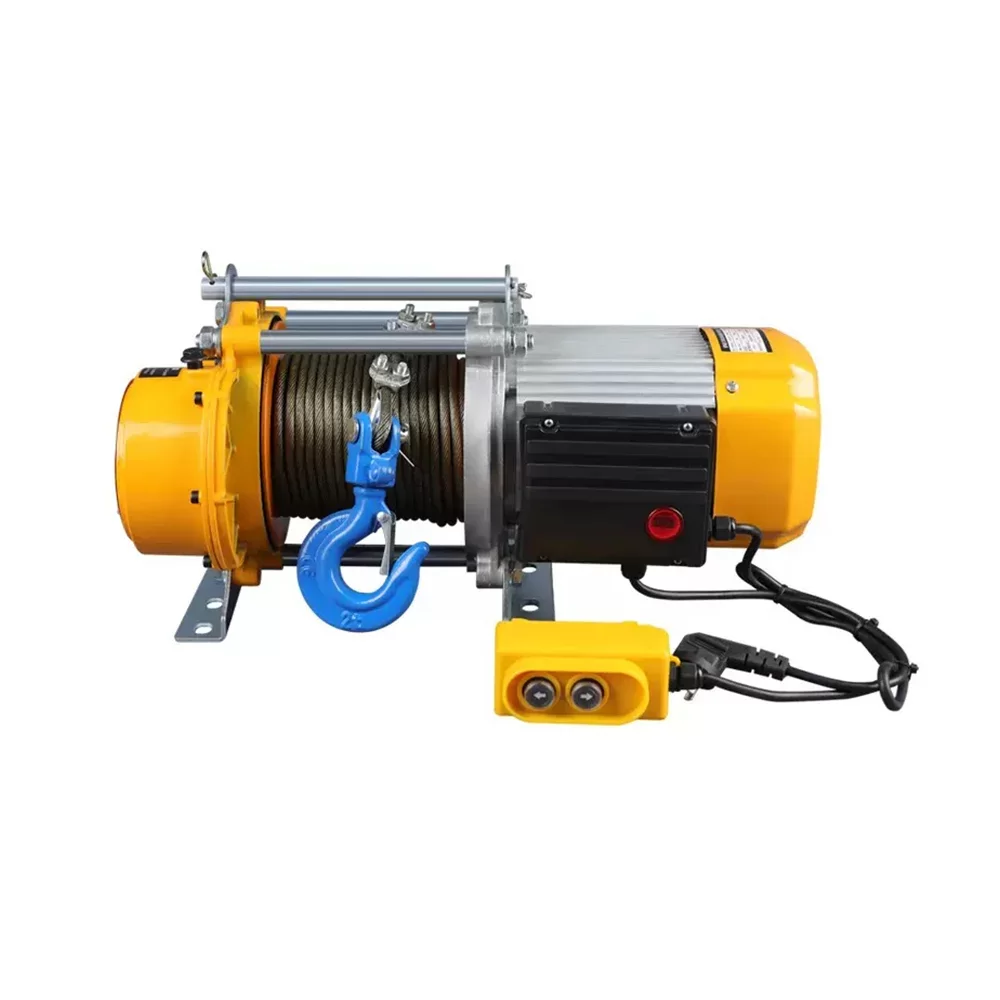

High-performance hoisting tools designed to enhance operational efficiency and safety in demanding industrial environments.


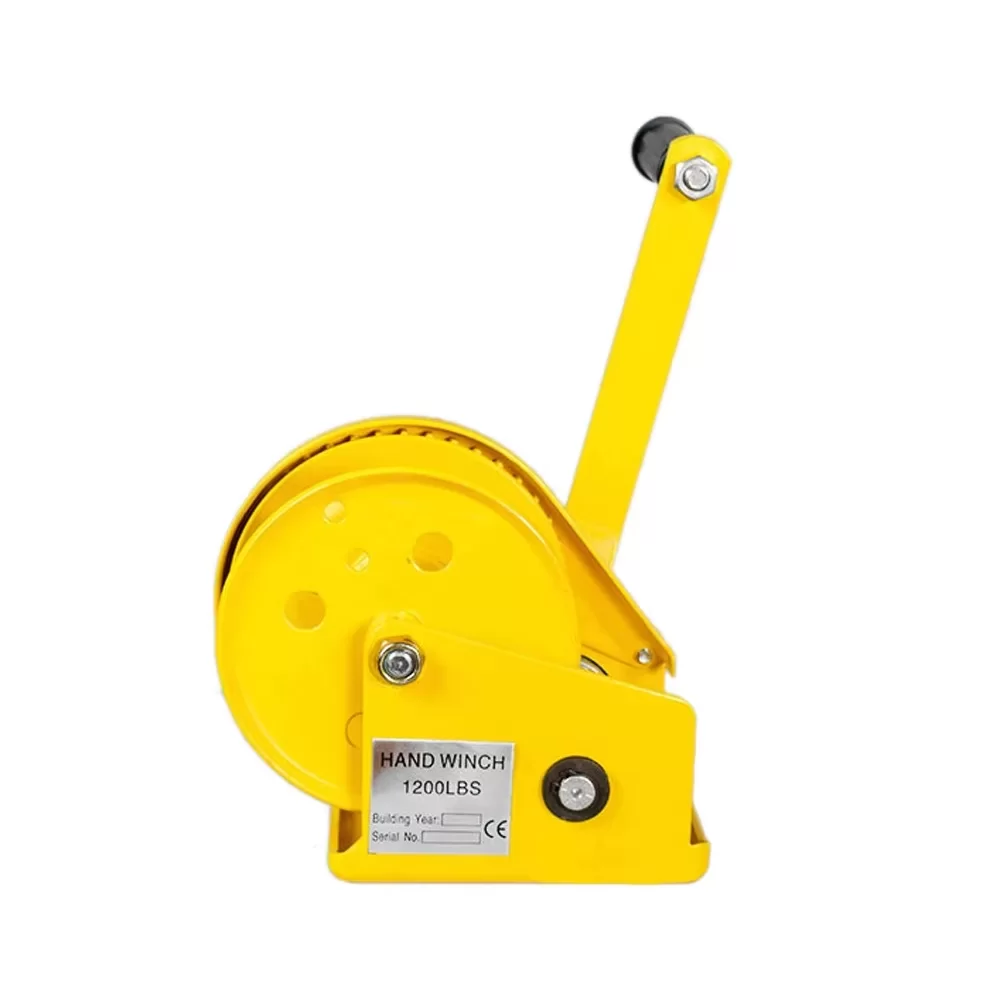
Bridging the gap between industrial demand and reliable lifting technology.
The industrial landscape in Angola, characterized by a strong emphasis on resource extraction and emerging manufacturing, requires robust lifting equipment capable of withstanding harsh environments. From Luanda's port logistics to inland mining sites, the demand for an efficient electric hoist is critical for reducing manual labor risks and increasing throughput in heavy-duty operations.
One of the primary challenges facing local enterprises is the maintenance of equipment longevity amidst dust and humidity. Implementing a high-grade wire rope hoist requires a balance between lifting capacity and structural durability. Many operators struggle with equipment downtime due to the lack of standardized components, making the procurement of ISO-certified machinery a priority for operational stability.
As Angola continues to diversify its economy, the shift toward automation in warehouses and workshops is becoming evident. The integration of an Electric trolley system allows for smoother lateral movement of loads, reducing the bottleneck in production lines. By adopting professional hoisting standards, Angolan companies can achieve higher safety ratings and better ROI on their infrastructure investments.
From manual mechanical lifts to smart electric systems.
Reliance on basic manual chain block systems for simple vertical lifting in small workshops.
Introduction of the chain hoist electric to handle heavier loads with reduced physical effort.
Adoption of variable speed drives and high-tensile load chain for safety-critical industrial apps.
Analyzing the trajectory of hoisting technology in global industrial markets.
The transition from manual control to semi-automated lifting, utilizing remote operation to enhance operator safety.
Utilization of G80 and advanced alloy steels for Binder chain and load chains to increase safety margins.
Implementation of load-sensing technology to prevent overloading and schedule predictive maintenance for hoists.
Development of mini-hoists and portable electric winch units for flexible deployment in tight spaces.
The long-term growth of the lifting industry depends on the ability to merge power with precision. As industries evolve, the focus is shifting from sheer lifting capacity to the total cost of ownership, where reliability and low maintenance become the primary decision drivers for procurement managers.
Global supply chains are also emphasizing the importance of certifications like ISO9001, ensuring that equipment manufactured in specialized hubs can be seamlessly integrated into diverse regional markets without compromising on safety or performance.
Real-world deployment of hoisting equipment across key industrial sectors.
Using heavy-duty electric hoists for transporting ore and machinery parts in mining shafts, where stability and high safety factors are non-negotiable.
Deployment of wire rope hoists and electric trolleys in Luanda's shipping terminals to accelerate container handling and heavy cargo movement.
Installing block chain and electric chain hoists for assembly lines, allowing precise positioning of heavy components.
Utilizing portable electric winches and manual chain blocks for erecting steel structures and lifting materials in urban development projects.
Applying specialized lifting tools for the maintenance of turbines and generators, ensuring minimal downtime through reliable hoisting performance.
Hebei Juying Hoisting Machinery Co., Ltd's global development journey
Hebei Juying Hoisting Machinery Co., Ltd was established, focusing on the professional manufacture of lifting tools and equipment.
Launched the "GSTOYO" brand, becoming a recognized leader in the lifting equipment factory sector.
Achieved ISO9001 certification and obtained EU CE and Germany TUV approvals to ensure global safety standards.
Expanded exports to the United States, Australia, India, Germany, Brazil, Vietnam, Thailand, and other international markets.
Expanded to 40,000 square meters of land area with over 100 production lines to meet rising global demand.
With 20 years of experience and 150 professional staff, continuing to deliver high-safety lifting solutions worldwide.
Comprehensive range of manual and electric lifting tools designed for maximum versatility and industrial safety.


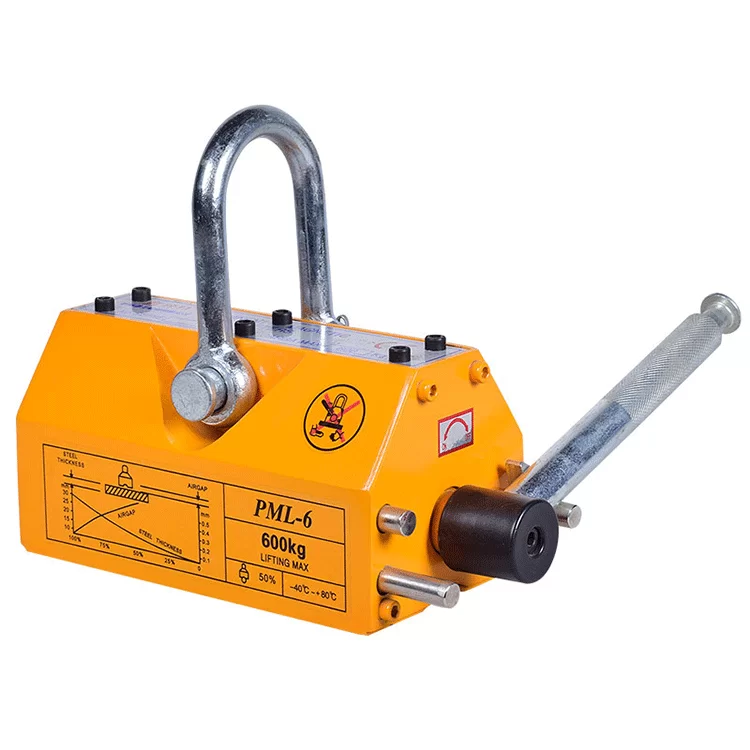
Expert guidance on selecting and maintaining your lifting equipment.
Partner with Hebei Juying Hoisting Machinery Co., Ltd to access world-class lifting technology. We provide certified, durable, and efficient hoisting solutions to power your business growth.
Request a Technical Quote


