
Electric Winch Solutions for Libyan Manufacturing: Electric Hoist, Wire Rope Hoist & More

Reliable Material Handling Equipment for Industrial Applications in Libya.

Current State of Material Handling in Libya

Challenges and Opportunities for Lifting Equipment in the Libyan Industrial Landscape.

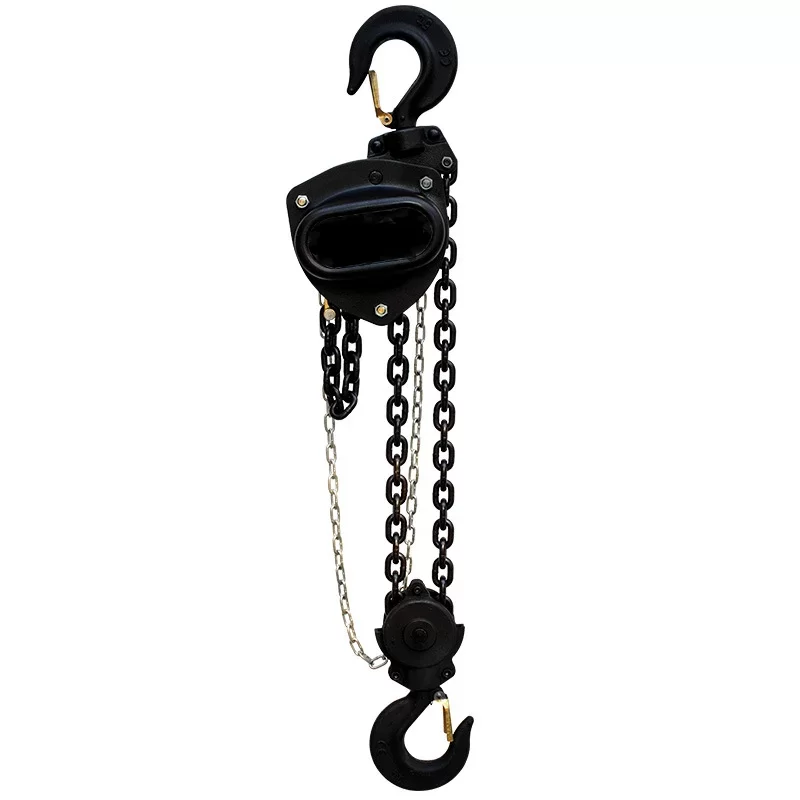
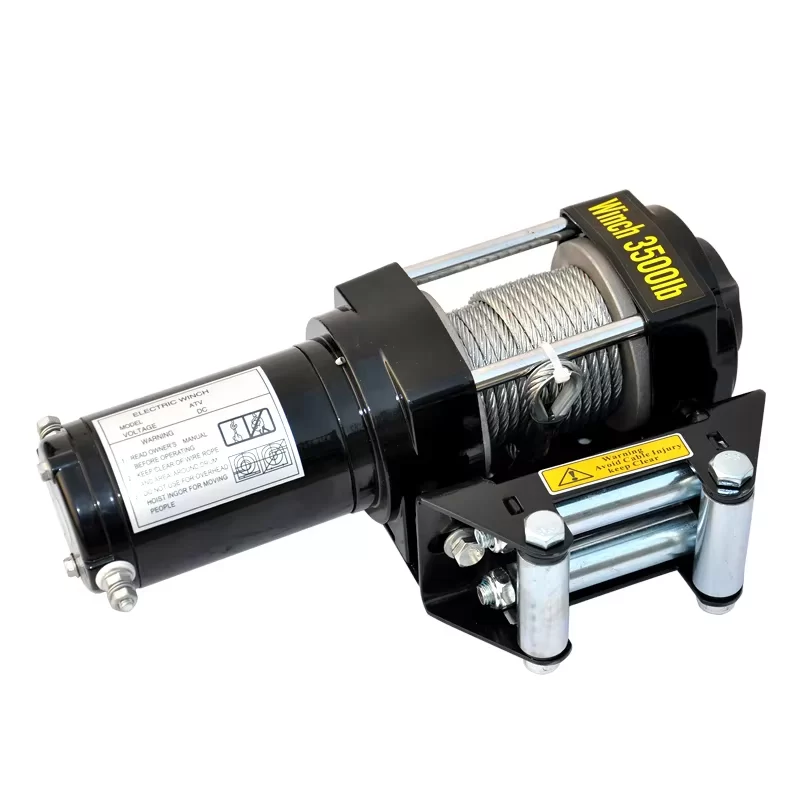
Libya's manufacturing sector, while possessing significant potential, faces unique challenges due to its recent history and geographic location. The demand for reliable chain hoist electric and electric winch equipment is driven by rebuilding efforts and growing industrial projects. The harsh desert climate, coupled with logistical hurdles, necessitates durable and robust lifting solutions.

Infrastructure development is a key focus in Libya, demanding efficient material handling. However, the availability of skilled technicians and readily available spare parts for manual chain block and other lifting equipment can be limited. Therefore, selecting suppliers offering comprehensive after-sales support is crucial.

The oil and gas industry remains a major driver of Libya’s economy, creating a consistent need for heavy-duty lifting gear. The coastal regions, particularly around Tripoli and Benghazi, are experiencing renewed industrial activity, increasing the demand for block chain and load chain solutions for port operations, construction, and maintenance.
Evolution of Lifting Technology in Libya

From Traditional Methods to Modern Electric Lifting Solutions.

Market Development History

Historically, material handling in Libya relied heavily on manual labor and basic pulley systems. The 1970s saw the introduction of early hydraulic and pneumatic lifting equipment, primarily serving the oil industry. These systems, while an improvement, were often bulky and required significant maintenance.

The 1990s witnessed a gradual shift towards electric-powered lifting solutions. Electric hoist systems began to gain traction due to their efficiency and precision. However, limitations in power infrastructure and economic sanctions hindered widespread adoption.

The 21st century has seen a growing demand for advanced lifting technologies, including variable frequency drives (VFDs) for precise speed control and remote-controlled systems for enhanced safety. The increasing focus on automation and Industry 4.0 is driving the need for smart lifting solutions.

Future Development Trends

Smart Hoisting Systems

The integration of IoT sensors and data analytics will enable predictive maintenance, reducing downtime and improving operational efficiency for Binder chain systems.

Wireless Control & Automation

Remote control systems and automated lifting procedures will become increasingly common, enhancing safety and reducing labor costs. Google Trends data shows a consistent increase in searches for "remote controlled hoist" and "automated lifting solutions”.

Energy Efficiency and Sustainability

Demand for energy-efficient electric hoists and winches will rise as companies prioritize sustainability and reduce their carbon footprint. Lightweight materials and optimized motor designs will play a key role.

Industry Trends and Future Outlook for Lifting Equipment in Libya

Anticipating the Future of Material Handling in the Libyan Market.

Increased Demand for Compact Hoists
The rebuilding of infrastructure and expansion of manufacturing facilities will drive demand for compact and versatile electric hoist solutions.
Growing Preference for Wireless Controls
Wireless remote controls are becoming increasingly popular due to their enhanced safety and operator convenience.
Increased Focus on Safety Features
Demand for lifting equipment with advanced safety features, such as overload protection and anti-collision systems, is on the rise.
Demand for Durable and Corrosion-Resistant Equipment
The harsh Libyan environment demands lifting equipment that can withstand corrosion and extreme temperatures.

Industry Outlook

The Libyan lifting equipment market is poised for growth in the coming years, driven by infrastructure projects and industrial expansion. The need for reliable, efficient, and safe lifting solutions will remain paramount.

Companies offering comprehensive after-sales service, including maintenance, repair, and spare parts, will have a competitive advantage. Adapting to the evolving needs of the Libyan market, such as the increasing demand for smart and sustainable lifting technologies, will be crucial for success.

Local Application Scenarios in Libya

Real-world applications of Lifting Equipment in the Libyan Context.

1. Oil and Gas Sector – Offshore Platform Maintenance

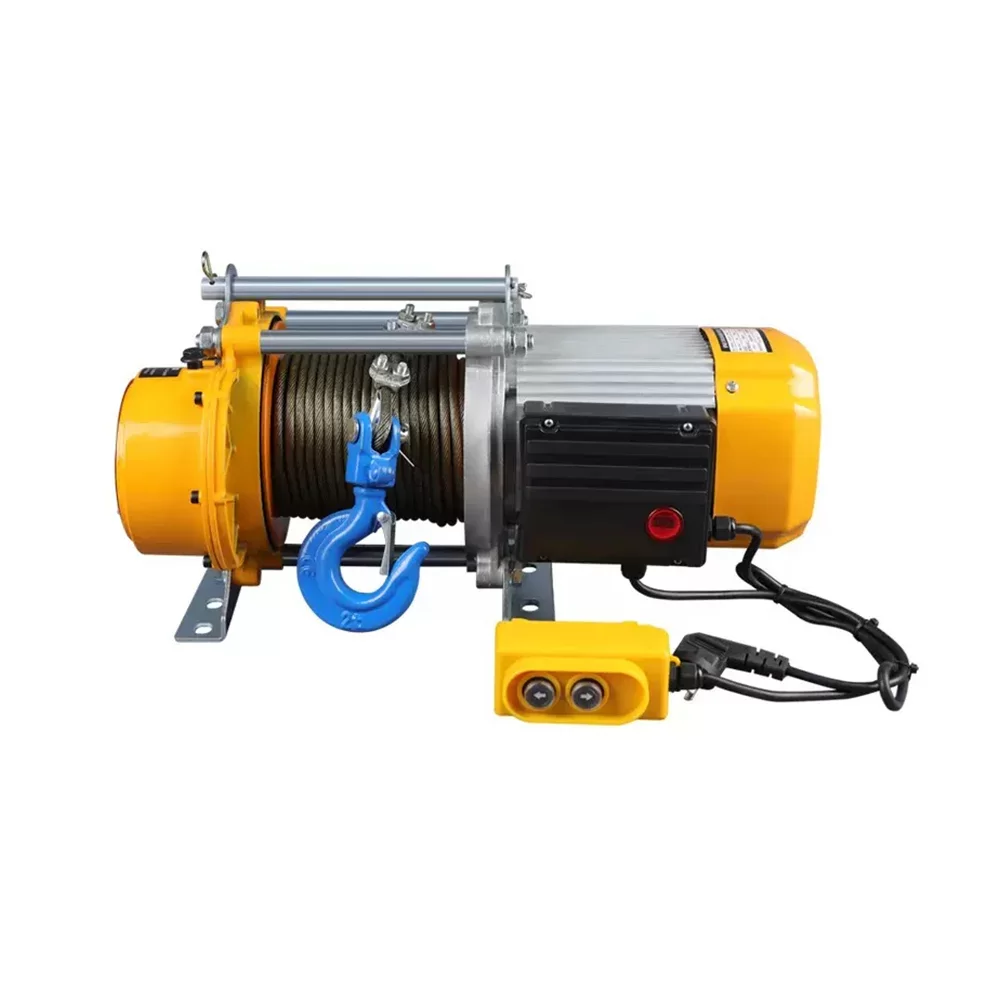
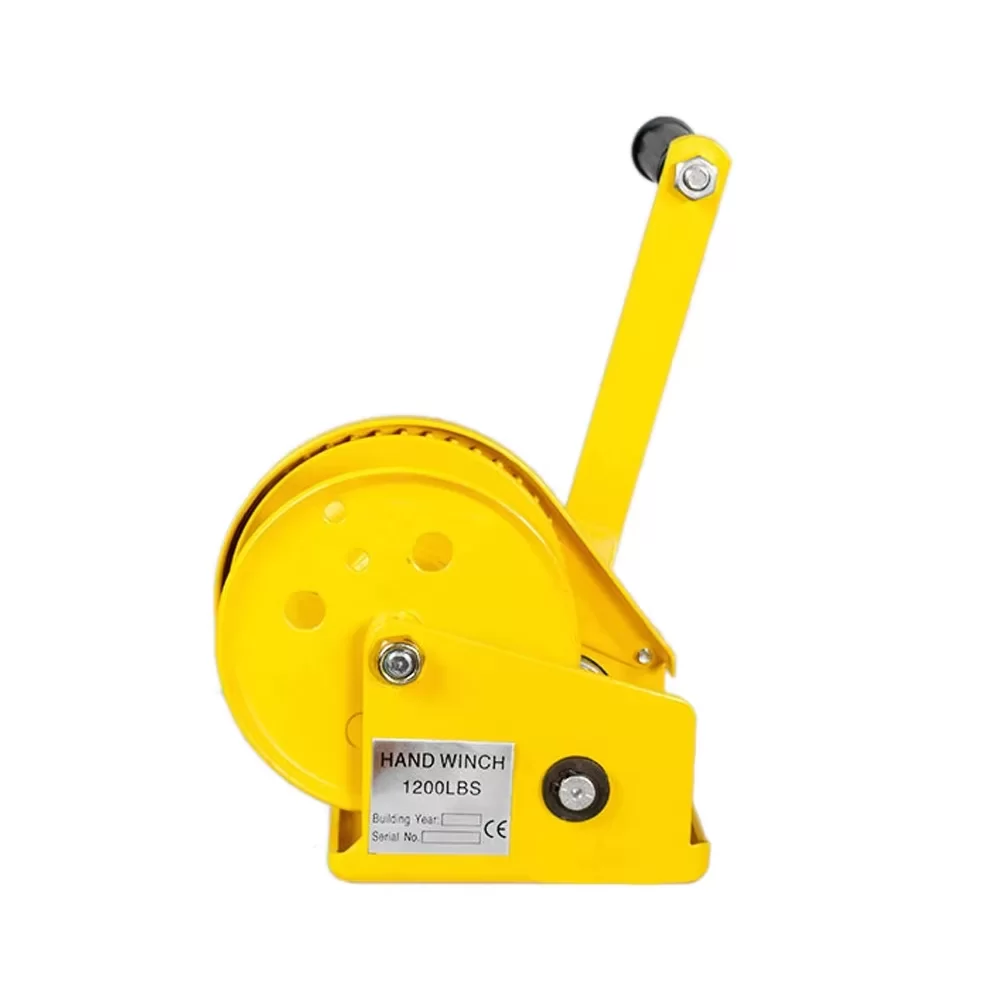
Electric winches and wire rope hoists are critical for lifting equipment and personnel onto offshore oil platforms for maintenance and repair operations. The corrosive marine environment demands robust and corrosion-resistant lifting gear.

2. Port Operations – Container Handling

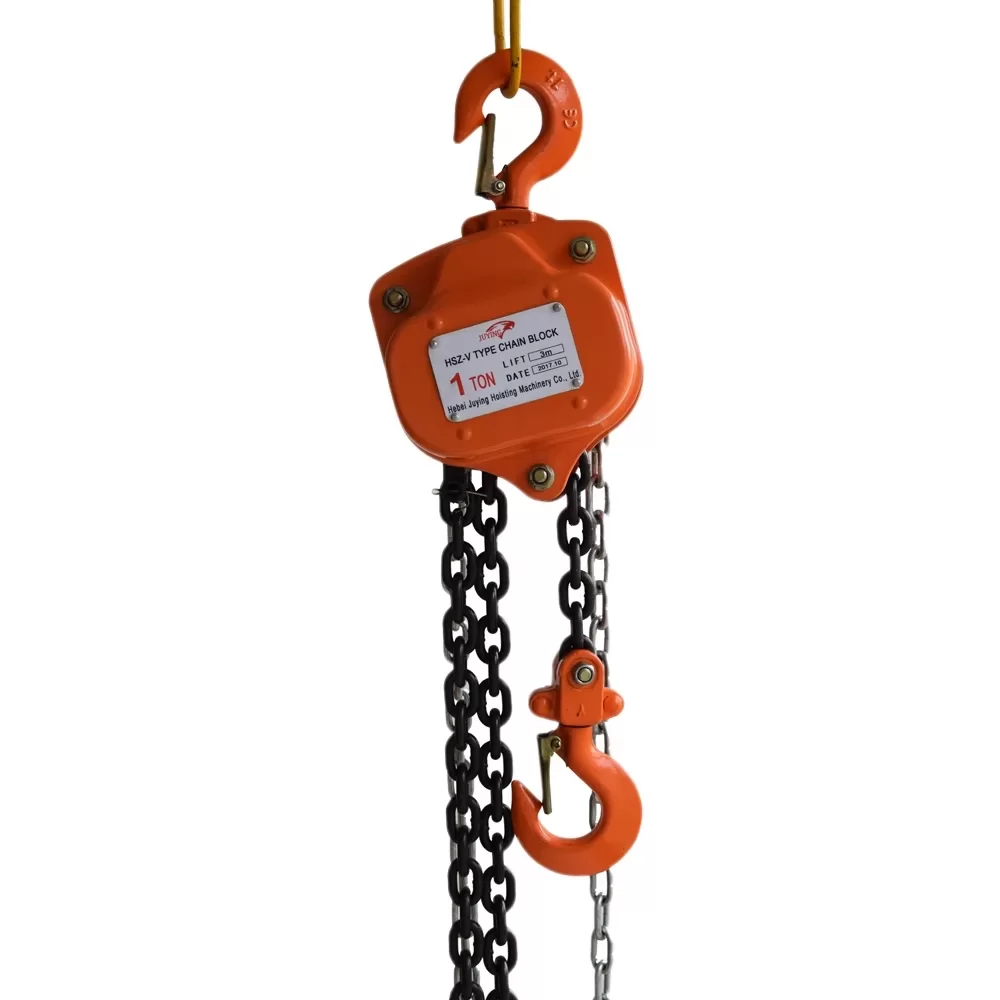
Electric hoists and chain hoists are used in Libyan ports for loading and unloading containers from ships. High lifting capacity and precise control are essential for efficient container handling.

3. Construction Projects – Building Material Lifting

Electric hoists are employed on construction sites to lift building materials, such as steel beams and concrete blocks, to upper floors. Safety and reliability are paramount in construction applications.

4. Manufacturing Facilities – Assembly Line Lifting

Chain hoists and electric winches are used in manufacturing facilities to lift components and finished products along assembly lines. Precise positioning and smooth lifting action are crucial for efficient assembly.

5. Infrastructure Development – Bridge Construction

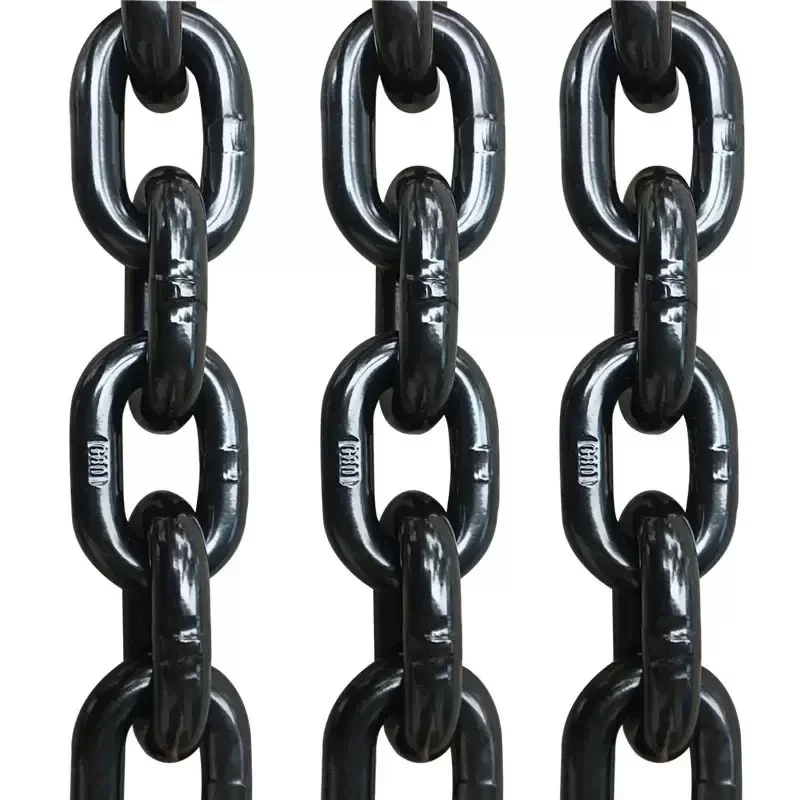
Heavy-duty electric hoists are essential for lifting and positioning large bridge components during construction. Load chain and binder chain systems are critical for secure and reliable lifting operations.

Brand Story

The Global Evolution of Hebei Juying Hoist Machinery Manufacturing Co., Ltd.

Established in 2008: A Foundation of Quality

Hebei Juying Hoist Machinery Manufacturing Co., Ltd. was founded with a commitment to providing high-quality lifting solutions to meet the growing demands of global industries.

2012: Expansion into International Markets

We expanded our reach to international markets, focusing on delivering reliable and cost-effective lifting equipment to customers worldwide.

2016: Investment in R&D

We invested heavily in research and development to enhance our product range and incorporate the latest technologies.

2020: Focus on Custom Solutions

We began offering customized lifting solutions tailored to the specific needs of our clients, ensuring optimal performance and efficiency.

Today: A Global Partner in Lifting

Today, we are a trusted partner to businesses across diverse industries, providing innovative and reliable lifting solutions. Our mission is to solve the challenges of material handling in demanding environments like Libya, by providing robust and dependable equipment.

Frequently Asked Questions – Lifting Equipment in Libya

Addressing Common Concerns about Hoists and Winches in the Libyan Market.

What is the best type of electric hoist for corrosive environments in Libyan ports?

For highly corrosive environments, we recommend stainless steel or epoxy-coated electric hoist models specifically designed for marine applications. These offer superior resistance to salt spray and humidity.

What maintenance is required for a wire rope hoist operating in the Libyan desert climate?

Regular lubrication, inspection of the wire rope for wear and tear, and cleaning to remove dust and sand are crucial for maintaining a wire rope hoist in the harsh Libyan desert climate.

Are spare parts readily available for your chain hoists in Libya?

We maintain a network of distributors and stock a comprehensive inventory of spare parts to ensure prompt delivery and minimize downtime for our chain hoist electric customers in Libya.

What safety features should I look for in an electric winch for use on a Libyan construction site?

Essential safety features include overload protection, emergency stop buttons, and a robust braking system. Look for electric winch models that meet relevant international safety standards.

What is the typical lead time for delivering a custom-designed hoist to Libya?

Lead times for custom-designed hoists vary depending on the complexity of the design and current production schedules. Generally, expect a lead time of 4-6 weeks for delivery to Libya.

Do you offer on-site training for operating and maintaining your lifting equipment in Libya?

Yes, we provide comprehensive on-site training programs for the safe and efficient operation and maintenance of our lifting equipment, tailored to the specific needs of our Libyan customers.

Get in Touch with Us

We are dedicated to providing reliable lifting solutions for industries across Libya. Contact us today to discuss your specific requirements.

Contact Us Now

If you are interested in our products, you can choose to leave your information here, and we will be in touch with you shortly.