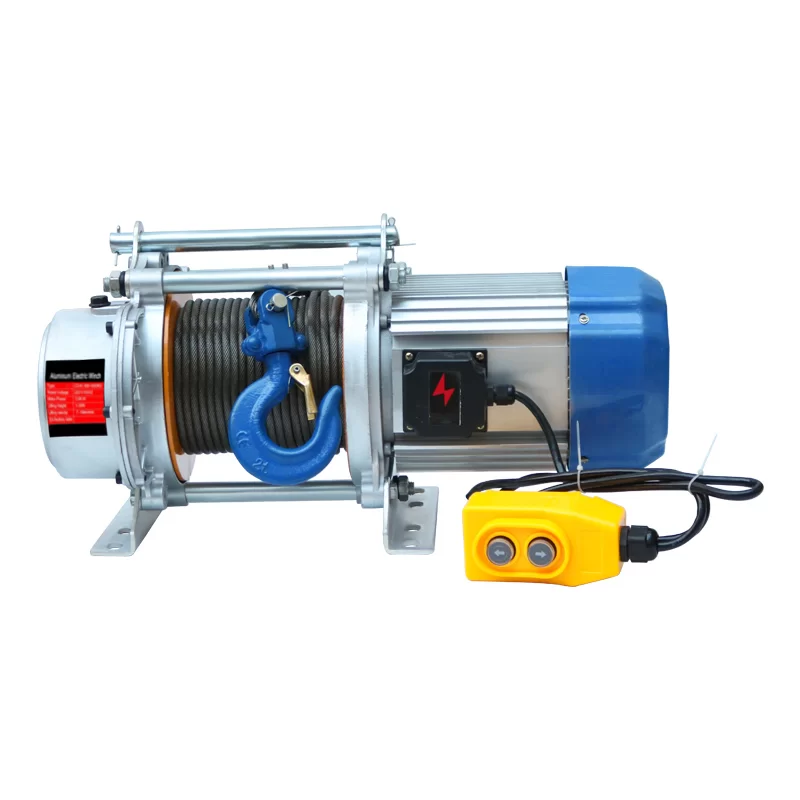

High-performance lifting tools designed to meet the rigorous demands of construction, warehousing, and manufacturing sectors.


Analyzing the transition toward mechanized material handling in East Africa.
Rwanda's rapid urban expansion and the growth of its manufacturing hubs have increased the dependency on efficient vertical and horizontal transport. From small-scale workshops in Kigali to larger agricultural processing plants, there is a shifting demand toward electric hoist systems that reduce manual labor and enhance workplace safety.
The local market is characterized by a need for versatility. Equipment must be capable of handling varied loads, from heavy machinery parts to bagged produce, necessitating a mix of high-capacity wire rope hoist options and flexible manual solutions for areas with intermittent power supply.
For procurement managers in Rwanda, this means prioritizing equipment that balances advanced technology with ease of maintenance. The integration of durable lifting tools directly correlates with reduced operational downtime and increased throughput in the regional supply chain.
From manual effort to automated precision.
Reliance on basic manual chain block tools for simple workshops, focusing on durability over speed.
Introduction of chain hoist electric systems to handle heavier loads and increase cycle speeds in factories.
Deployment of Electric trolley systems for combined lifting and traversing capabilities.
Increasing adoption of certified load chain and binder chains to meet international safety protocols.
Shift toward low-energy electric motors to reduce operational costs in energy-sensitive industrial zones.
Growing demand for mini-hoists and electric winch units for confined space operations.
Preparing for the next industrial leap.
Integration of remote and wireless control systems for enhanced operator safety.
Easily expandable trolley and hoist configurations to match growing business needs.
Advanced coating and materials to resist wear in humid or dusty environments.
Development of sustainable lifting cycles to reduce the carbon footprint of logistics.
The future of lifting in Rwanda lies in the synergy between manual reliability and electric precision. As the economy diversifies, the requirement for specialized equipment like block chain systems will evolve toward higher load capacities and stricter safety certifications.
Buyers should focus on sourcing equipment that offers a long lifecycle and accessible spare parts. Investing in versatile, multi-purpose hoisting tools today ensures that facilities remain competitive as production volumes increase.
Practical solutions for diverse operational needs.
Using heavy-duty electric hoists to move building materials to upper floors in dense urban development projects, increasing speed and reducing risk.
Implementing manual chain blocks for the precise lifting of processing machinery and heavy bagging equipment in rural cooperatives.
Utilizing compact electric winches for engine removal and chassis lifting, improving the ergonomics and safety of mechanic workshops.
Deploying electric trolleys combined with chain hoists to move palletized goods across warehouse ceilings, maximizing floor space.
Applying high-strength Binder chain and wire rope systems for heavy equipment maintenance and ore transport in rugged terrains.
Commitment to quality and global safety standards.
Established Hebei Juying Hoisting Machinery Co., Ltd, introducing the "GSTOYO" brand to the lifting equipment market with a focus on reliability.
Expanded to a 40,000 square meter facility with over 100 production lines and a professional team of 150 experienced staff.
Achieved ISO9001 standard compliance, along with EU CE and Germany TUV certifications, enabling exports to the US, Germany, Brazil, and beyond.
From manual chain blocks to sophisticated electric winches, our full catalog supports every lifting requirement.


Expert answers to procurement and technical questions.
Looking for reliable hoisting solutions in Africa - Rwanda? Our technical team is ready to help you select the perfect equipment for your industrial application.
Discuss Your Requirements


