

Explore our specialized selection of hoists and rigging tools engineered for precision and reliability.

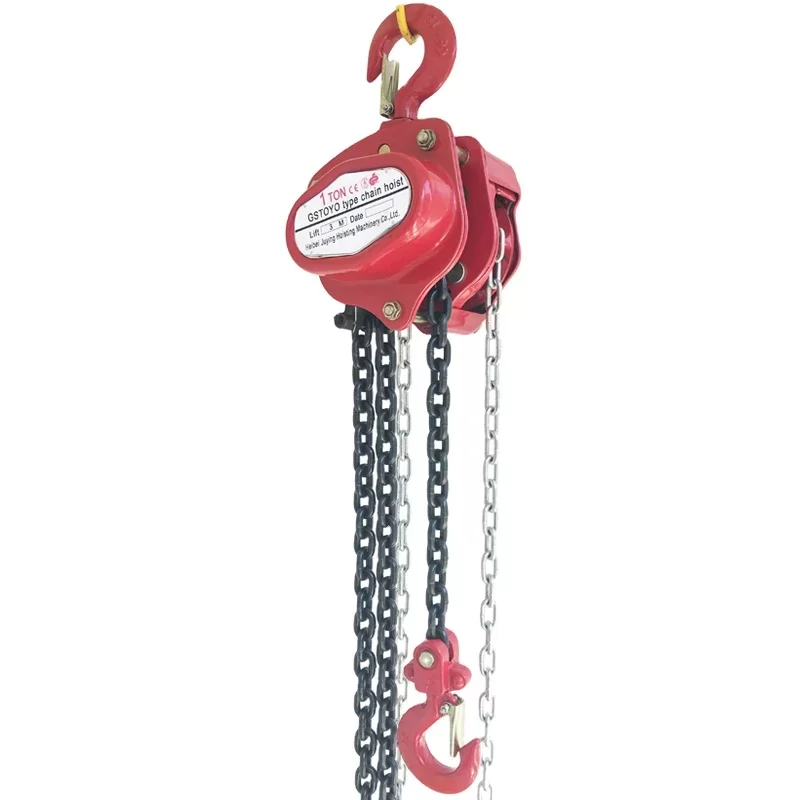
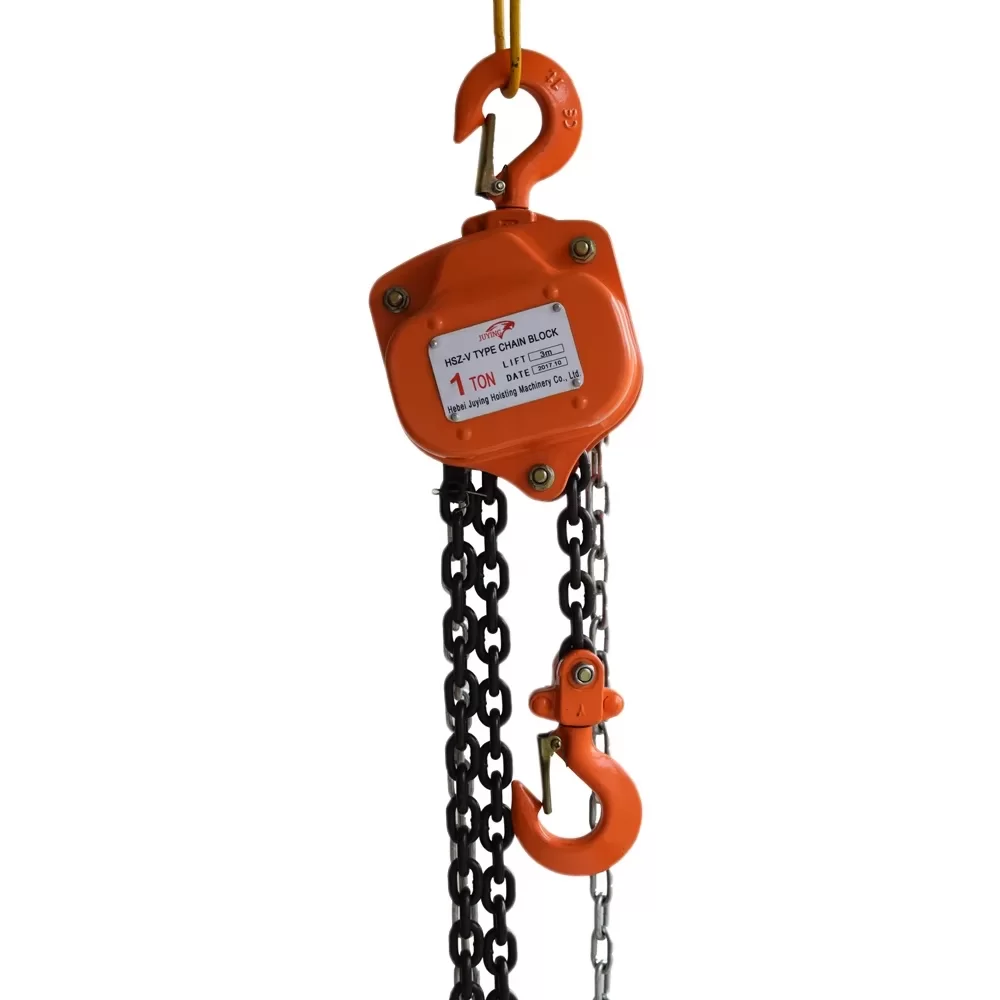
Analyzing the intersection of regional industrial needs and advanced hoisting technology.
South Africa's diverse industrial landscape, spanning from mining hubs to coastal logistics centers, requires equipment that can withstand varied environmental stresses. The demand for a reliable electric hoist often centers on durability against dust and fluctuating temperature conditions common in regional manufacturing plants.
Local buyers frequently prioritize a balance between automated efficiency and manual redundancy. Integrating a chain hoist electric system allows for rapid throughput, while the availability of high-quality manual backups ensures that operations continue even during power instabilities in certain regional grids.
Procurement in the South African market is increasingly driven by international safety certifications. Equipment that meets ISO9001 and CE standards is preferred to ensure compliance with local occupational health and safety regulations, reducing operational risk in high-load environments.
From fundamental mechanical lifting to integrated electromechanical systems.
Key drivers shaping the future of material movement and equipment selection.
Increasing use of remote-controlled wire rope hoist systems to keep operators away from danger zones.
Development of specialized coatings for Binder chain and blocks to resist corrosion in humid coastal environments.
Shift toward Total Cost of Ownership (TCO) models rather than lowest initial purchase price for electric winches.
Adoption of recyclable alloy components in block chain systems to meet green manufacturing goals.
The future of lifting in the region will likely be defined by the integration of smart monitoring. As industries scale, the ability to track the duty cycle of a hoist in real-time will allow companies to move from reactive to proactive maintenance, significantly reducing unplanned downtime.
Furthermore, the diversification of the manufacturing sector in South Africa suggests a growing need for "mini" and specialized electric lifting solutions that can fit into constrained urban warehouse spaces without sacrificing load capacity.
Practical implementations of lifting tools across various regional sectors.
Utilizing synchronized electric hoists and electric trolleys for the precise movement of engine blocks and chassis components along the production line.
Deployment of heavy-duty electric winch systems for hauling replacement parts in underground workshops.
Implementing manual chain block units for flexible, non-electric lifting in storage areas where power access is limited.
Using high-tensile load chains and binder chains for securing structural steel beams during assembly in urban infrastructure projects.
Installation of mini electric hoists for small workshops to safely lift sheet metal and welding jigs without manual strain.
Two decades of engineering excellence in lifting and rigging solutions.
Established Hebei Juying Hoisting Machinery Co., Ltd, initiating the development of the "GSTOYO" brand with a focus on reliable manual lifting tools.
Achieved ISO9001 standard compliance and successfully obtained EU product CEGS and Germany TUV certifications to enter international markets.
Operating over 100 production lines across 40,000 square meters with a dedicated team of 150 experienced staff serving clients globally.
Certified lifting equipment tailored for the demanding requirements of the South African manufacturing and mining sectors.


Technical and procurement guidance for buyers in South Africa.
Wire rope hoists are generally better for heavier loads and higher lifting speeds, making them ideal for industrial cranes. Chain hoists provide more compact designs and precise lifting, which is often preferred for smaller workshop installations and maintenance tasks.
Yes. Our equipment is designed according to industrial standards. For extremely dusty environments, we recommend regular lubrication of the load chain and using hoist models with appropriate enclosure ratings to prevent particulate ingress.
Our production processes comply with ISO9001. Furthermore, our products hold CE and TUV certifications, which serve as globally recognized benchmarks for safety and quality, facilitating compliance with regional safety inspections.
While possible, it requires matching the capacity and the rail width of your existing beam. We recommend a technical review of your current beam specifications to ensure the electric trolley is compatible and safe for the intended load.
Intervals depend on the duty cycle. However, a visual inspection for wear or deformation should be done daily, and a full lubrication and detailed inspection should occur every 3 to 6 months depending on the intensity of use.
Yes, with over 100 production lines and 20 years of experience, we can adapt our hoist specifications—such as lift height, speed, and chain grade—to meet the specific operational requirements of your project.
Discuss your lifting requirements with our engineering team to find the most efficient hoisting solution for your regional operations.
Contact Us Now


