
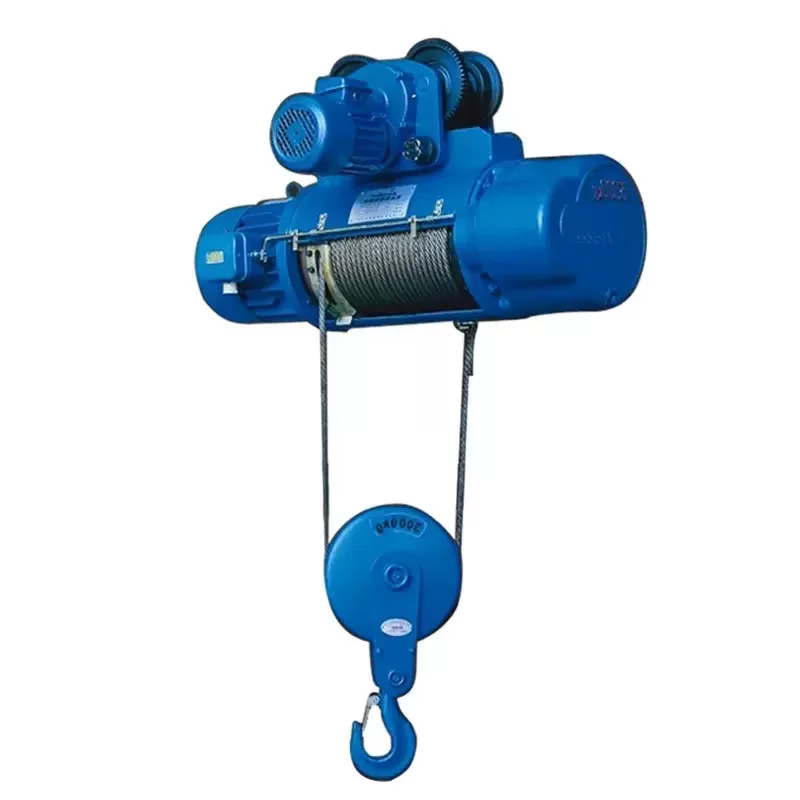
Reliable Electric Hoist Solutions for Industrial Lifting in Africa - Nigeria

Enhancing operational efficiency across Nigerian warehouses and construction sites with certified lifting equipment designed for durability and high-capacity performance.

Lifting Equipment Market Trends in Africa - Nigeria

Analyzing the intersection of industrialization and material handling needs in the West African region.

The industrial landscape in Nigeria is characterized by a rapid expansion in construction and manufacturing, particularly within urban hubs like Lagos and Abuja. This growth has spiked the demand for reliable electric hoist systems that can handle heavy loads while maintaining strict safety standards in diverse operational environments.

Geographically, the region's humid climate and dusty environments require equipment with high resistance to corrosion and wear. Many Nigerian enterprises are shifting away from basic manual tools toward powered solutions to reduce labor intensity and increase throughput in ports, warehouses, and automotive repair shops.

Despite the demand, procurement obstacles often include a lack of locally available certified spare parts and technical support. This creates a critical need for suppliers who provide not only the hardware, such as a wire rope hoist, but also a commitment to international quality standards like ISO9001 and CE certification.

Evolution of Material Handling Technology

From basic manual lifting to the integration of automated electric systems in modern industry.

Industrial Lifting Milestones

Early Mechanical Phase
Reliance on manual labor and basic manual chain block tools. Focus was primarily on basic load movement with limited capacity and high physical effort.

Electrification and Standardization
Introduction of motorized lifting and the adoption of global safety standards. The shift toward chain hoist electric models allowed for faster cycles and improved workplace safety.

Modern Integrated Systems
The current era emphasizes precision, durability, and versatility. Integration of Electric trolley systems enables multi-dimensional movement, optimizing space in compact industrial settings.

Future Industry Directions

1. Enhanced Load Precision

Future systems will focus on micro-adjustments and electronic braking to ensure safer placement of fragile or high-value industrial components.

2. Energy Efficiency

Development of low-power consumption motors to reduce operational costs for businesses facing fluctuating energy stability in emerging markets.

3. Modular Component Design

A move toward interchangeable parts to simplify maintenance and reduce downtime during equipment failure in remote locations.

How technological shifts are redefining productivity in the West African manufacturing sector.

Operational Automation
Reducing manual handling through the use of electric winch systems to accelerate loading processes.
Intelligent Load Monitoring
Implementing sensors to prevent overloading, essential for maintaining the lifespan of load chain components.
Strategic Procurement
A shift toward direct factory sourcing to ensure authentic certifications and competitive pricing for large-scale infrastructure projects.
Sustainability Focus
Adopting energy-efficient motors and recyclable materials to align with global green manufacturing initiatives.

Industrial Outlook for West Africa

Over the next few years, we expect the Nigerian market to see an increased adoption of specialized lifting tools. As the oil and gas sector continues to modernize, there will be a higher demand for precision equipment that can operate in hazardous environments.

The growth of localized assembly and light manufacturing in Nigeria will likely drive the need for versatile equipment like the block chain and various sling types to optimize shop-floor logistics.

Practical Lifting Applications in Nigeria

Tailored solutions for the diverse industrial requirements of the African market.

Urban Construction Sites

Contractors in Lagos utilize electric hoists to transport building materials to upper floors, reducing reliance on manual labor and accelerating project timelines in dense urban areas.

Automotive Workshops

Mechanics use electric chain hoists for engine removal and transmission work, ensuring precision and safety during heavy component handling in repair centers.

Agro-Processing Plants

Facilities processing cocoa or palm oil employ wire rope hoists to move heavy machinery and bulk raw materials, optimizing the internal supply chain.

Port Logistics Hubs

Logistics operators use heavy-duty Binder chain and load chains to secure and move cargo containers in high-traffic transit zones.

Small-Scale Manufacturing

Local workshops utilize manual lever hoists and chain blocks for flexible, non-electric lifting needs during product assembly and maintenance.

The GSTOYO Legacy of Lifting Excellence

Two decades of commitment to quality and safety in hoisting machinery manufacturing.

2005

Company Foundation

Hebei Juying Hoisting Machinery Co., Ltd was established, initiating the development of the GSTOYO brand focused on professional lifting equipment.

Growth Phase

Certification and Expansion

Achieved ISO9001 standard compliance and successfully obtained EU CE and Germany TUV certifications to enter international markets.

Present

Global Manufacturing Leader

Operating across 40,000 square meters with over 100 production lines and 150 experienced staff, serving markets in the US, Australia, Germany, and beyond.

Lifting Equipment FAQ for Nigerian Clients

Essential answers regarding procurement, selection, and use of hoists in the local environment.

What are the most suitable types of hoists for humid coastal areas in Nigeria?

For coastal regions, we recommend equipment with enhanced anti-corrosion coatings. Our certified chain and wire rope hoists are designed to withstand challenging environmental conditions while maintaining structural integrity.

How do I choose between a manual chain block and an electric hoist for my warehouse?

Manual chain blocks are ideal for occasional use or areas without power. Electric hoists are recommended for high-frequency lifting to increase speed, reduce operator fatigue, and improve overall productivity.

Why are CE and TUV certifications important for lifting equipment in Nigeria?

These certifications ensure that the equipment meets strict international safety and quality standards, which is critical for preventing workplace accidents and ensuring long-term reliability in industrial operations.

What is the typical procurement process for importing hoists from GSTOYO to Africa?

Clients typically provide their capacity and height requirements, after which we provide a technical proposal. Once confirmed, we handle the manufacturing and shipping logistics to your designated Nigerian port.

Can I integrate an electric trolley with a standard chain hoist?

Yes, our electric trolleys are designed to be compatible with various hoist models, allowing for horizontal movement of loads along a beam, which is highly efficient for production line logistics.

How often should I inspect the load chain of my lifting equipment?

We recommend a visual inspection before every use and a comprehensive professional check every 3-6 months, depending on usage intensity, to ensure there are no signs of wear or deformation.

Upgrade Your Lifting Capacity in Nigeria

Contact our engineering team today to find the perfect hoisting solution for your Nigerian industrial project.

Request a Quote

If you are interested in our products, you can choose to leave your information here, and we will be in touch with you shortly.