Industrial Lifting and Material Handling Solutions in Tanzania

High-performance hoisting equipment designed for Tanzania's growing industrial, construction, and logistics sectors, ensuring safety and operational efficiency.

Tanzania's Industrial Material Handling Landscape

Analyzing the demand for efficient vertical and horizontal transport in East Africa's emerging hub.

Tanzania is experiencing a significant surge in industrialization, particularly in the development of Special Economic Zones (SEZs) and the expansion of port facilities in Dar es Salaam. This growth has created a critical need for robust electric hoist systems and material handling tools that can withstand high-intensity use in diverse environments.

Many local enterprises face challenges regarding equipment durability due to humid coastal climates and dusty inland conditions. There is a clear shift from basic manual tools toward semi-automated systems, where the integration of an Electric trolley significantly reduces labor costs and improves throughput in assembly lines and warehouses.

Consequently, Tanzanian buyers are prioritizing equipment that offers a balance of rigorous safety certifications and ease of maintenance. The demand is focused on versatile tools such as the wire rope hoist for heavy construction and the chain hoist electric for precise workshop operations.

Evolution of Lifting Technology in Tanzania

From basic manual lifting to integrated electric hoisting systems.

Development History

Initial Adoption Phase
Early industrial activities relied heavily on simple manual tools. The manual chain block was the primary tool for small-scale workshops, providing essential lifting capabilities with minimal infrastructure.

Growth and Electrification
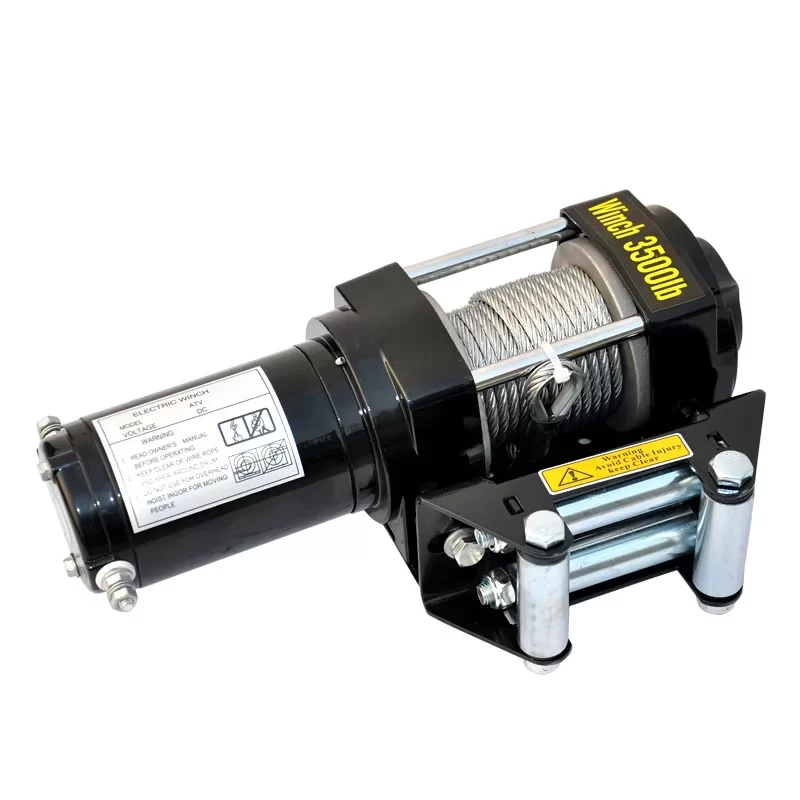
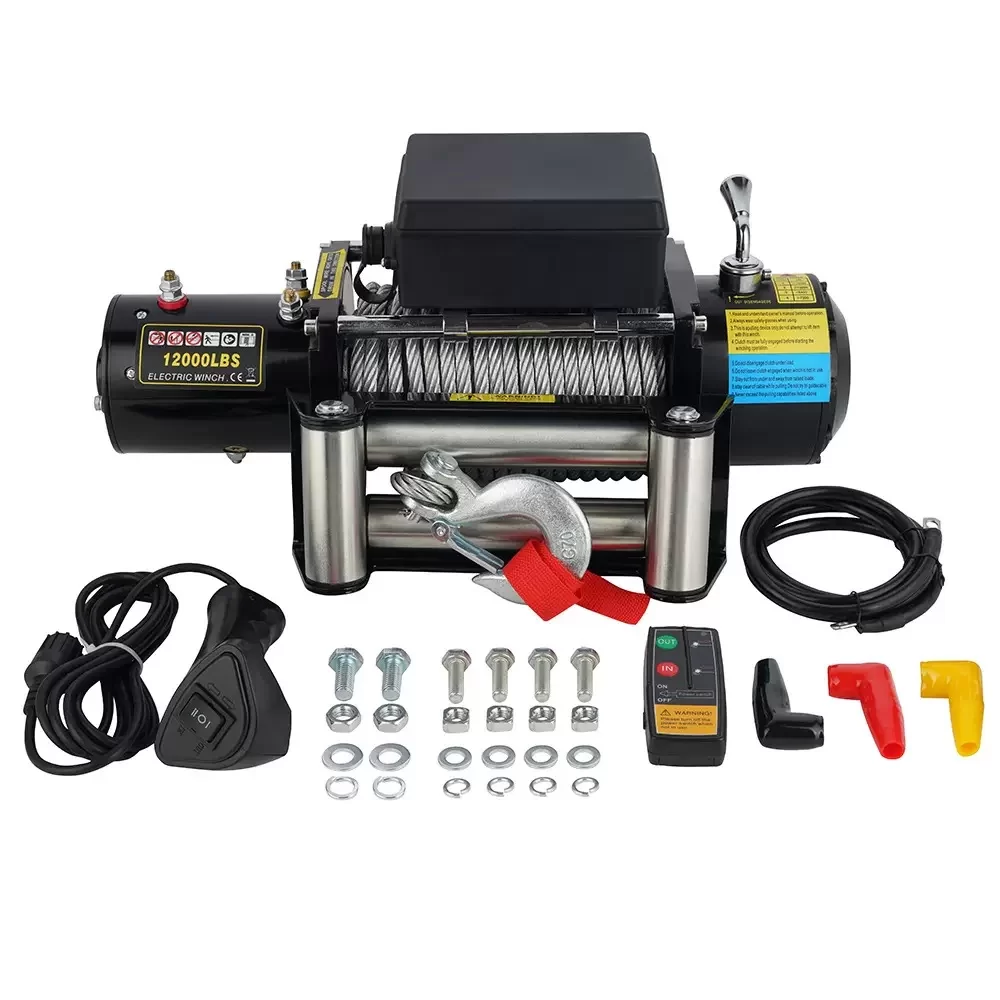
As manufacturing capacity expanded, businesses transitioned toward powered solutions. The introduction of the electric winch allowed for more complex pulling and lifting operations in mining and forestry sectors.

Modern Integration
Current operations now utilize a mix of specialized tools, incorporating high-grade load chain and synchronized electric systems to meet international safety and efficiency standards.

Future Strategic Trends

1. Energy Efficiency Optimization

A transition toward low-energy electric motors in hoists to reduce operational costs amid fluctuating energy prices in East Africa.

2. Enhanced Safety Compliance

Stricter adherence to global certifications like CE and TUV to ensure workplace safety in large-scale infrastructure projects.

3. Modular Lifting Systems

Increasing adoption of customizable lifting configurations that can be quickly adapted to different load types and warehouse layouts.

Future Outlook for Material Handling

Global technological shifts meeting Tanzanian market realities.

⚡
Electric Transition
Moving from manual blocks to high-efficiency electric chain hoists for speed.
🤖
Smart Automation
Integrating remote control and precision limit switches for safer lifting.
💳
TCO Reduction
Focusing on Total Cost of Ownership through durable G80 load chains.
🌱
Sustainable Ops
Implementing energy-saving lifting modes to lower the carbon footprint.

Industry Strategic Outlook

The convergence of global manufacturing standards and local Tanzanian growth suggests a future where material handling is no longer just about moving weight, but about optimizing the flow of goods through precise, certified equipment.

For businesses in Tanzania, the key to competitiveness will lie in investing in equipment that minimizes downtime and maximizes safety, shifting away from generic tools toward professional-grade lifting machinery.

Lifting Applications Across Tanzania

Real-world implementation of hoisting tools in various local sectors.

01

Dar es Salaam Logistics Hubs

Warehouses managing import/export goods use electric hoist systems combined with trolleys to move heavy containers and pallets efficiently across loading bays.

02

Mining Operations in Lake Zone

In mining sites, the electric winch is indispensable for hauling materials and equipment from depths or across rough terrain where accessibility is limited.

03

Construction in Dodoma

Government building projects utilize wire rope hoist and Binder chain to secure and lift structural steel and heavy prefabricated components.

04

Small-Scale Fabrication Shops

Local metalworkers rely on the manual chain block and block chain for precise positioning of workpieces during welding and assembly.

05

Agricultural Processing Plants

Tanzanian agribusinesses use chain hoist electric systems to lift heavy machinery parts during seasonal maintenance and equipment upgrades.

The Heritage of Hebei Juying Hoisting Machinery

Two decades of excellence in professional lifting equipment manufacturing.

2005: Foundation

Established as a dedicated manufacturer of lifting tools, Hebei Juying Hoisting Machinery Co., Ltd began its journey focusing on reliable manual hoisting solutions.

Brand Expansion: GSTOYO

Launched the famous brand "GSTOYO", marking a shift toward high-technology electric hoists and standardized lifting equipment for global markets.

Quality Certification

Achieved ISO9001 standard compliance, EU CE certification, and Germany TUV certification to ensure the highest safety levels for international clients.

Scale and Capability

Expanded to a 40,000 square meter facility with over 100 production lines and a team of 150 experienced staff to meet large-scale global demand.

Global Reach

Successfully exported high-quality lifting tools to the United States, Australia, India, Germany, Brazil, Vietnam, Thailand, and expanding markets in Africa.

Hoisting Equipment FAQ

Expert answers to common questions regarding lifting solutions in the Tanzanian market.

What is the difference between a wire rope hoist and a chain hoist?

Wire rope hoists generally offer higher lifting capacities and faster speeds, making them ideal for heavy construction. Chain hoists provide more precise movement and a more compact design, suitable for workshop and warehouse use.

Which lifting equipment is most suitable for the humid climate of Dar es Salaam?

For coastal areas, we recommend equipment with high-grade corrosion-resistant finishes and the use of professional G80 load chains, which offer superior durability and strength in humid conditions.

How do I choose between a manual chain block and an electric hoist?

Choose a manual chain block for occasional lifting or areas without power access. Opt for an electric hoist when you require frequent lifting, higher speeds, and reduced operator fatigue to increase productivity.

Are your hoists compliant with international safety standards?

Yes, Hebei Juying Hoisting Machinery products are manufactured under ISO9001 standards and have received EU CE and Germany TUV certifications to ensure global safety compliance.

Can an electric trolley be added to an existing hoist system?

Yes, an electric trolley can typically be integrated with compatible hoists to provide horizontal movement along a beam, transforming a static lift into a fully flexible material handling system.

How can I request a technical consultation for my project in Tanzania?

You can visit our contact page to provide your technical requirements and project scope, and our engineering team will recommend the most efficient lifting configuration for your specific needs.

Optimize Your Lifting Operations in Tanzania

Whether you are expanding a warehouse in Dar es Salaam or managing a mine in the Lake Zone, our experts are ready to provide the right hoisting solutions for your business.

Discuss Your Project

If you are interested in our products, you can choose to leave your information here, and we will be in touch with you shortly.