

High-performance equipment designed to meet rigorous safety standards in Central African Republic's operational sites.


Addressing the intersection of infrastructure development and material handling needs.
The industrial landscape in Central African Republic is characterized by a growing need for robust material handling in the mining, construction, and logistics sectors. Due to the challenging geographical terrain and varying infrastructure quality, there is a critical demand for equipment that combines high load capacity with ease of installation and low maintenance requirements.
Procurement teams in the region often prioritize durability and safety certifications. The shift toward electrification in workshops has increased the search for reliable electric hoist systems that can operate consistently despite power fluctuations often found in remote industrial zones.
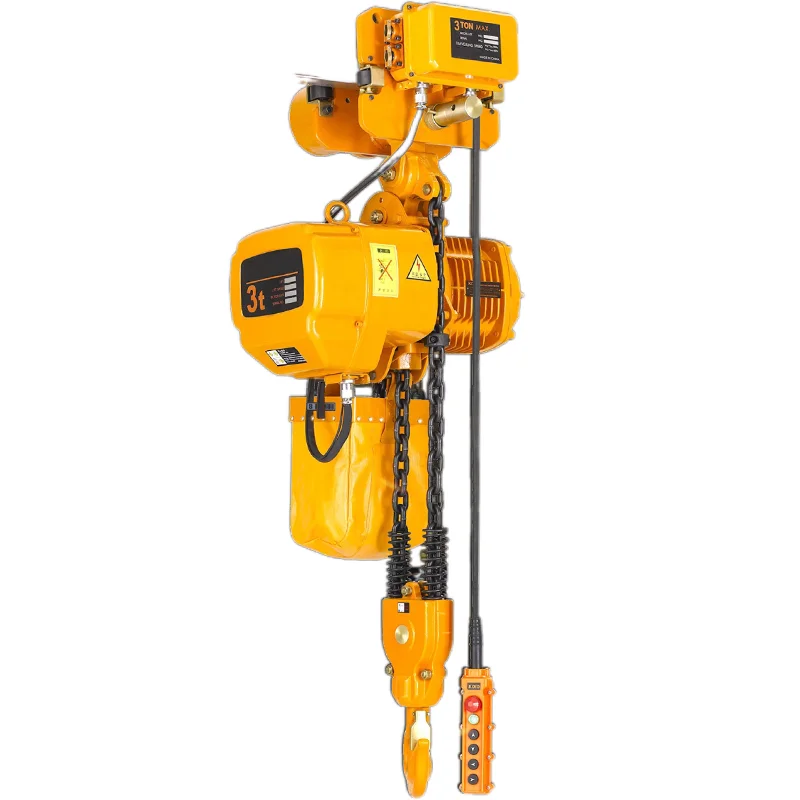
For local engineers, this means prioritizing equipment with EU CE and TUV certifications to ensure operational safety. The focus is shifting from simple manual lifting to integrated systems featuring an Electric trolley for improved horizontal movement across warehouses.
From basic manual tools to precision electric machinery.
Reliance on manual chain block and simple pulleys for basic construction and transport tasks.
Introduction of electric winch and basic electric hoists to increase speed and reduce manual labor in mining.
Adoption of G80 load chain and certified electric systems to meet international safety standards.
Increasing adoption of chain hoist electric models to replace manual lifting, improving overall turnaround time.
Greater demand for high-grade block chain and load chains that resist wear in dusty environments.
Integration of Binder chain for safer transport of heavy machinery over rough roads.
Preparing for higher industrial capacities.
Moving toward higher tonnage wire rope hoist systems for infrastructure projects.
Implementation of low-power electric motors to reduce operational costs in off-grid sites.
Preference for plug-and-play lifting components that reduce onsite engineering time.
Adopting automated limit switches and emergency braking systems as standard.
The future of material handling in Central African Republic depends on the ability to scale operations without compromising safety. As mining and construction expand, the transition from manual to automated lifting will be driven by the need for higher throughput and reduced risk of workplace injury.
Buyers are advised to evaluate suppliers based on their ability to provide comprehensive certifications (ISO9001, CE, TUV) and the durability of the materials used, especially for load chains and wire ropes exposed to harsh tropical environments.
Real-world utility for various industries.
In remote mining zones, technicians use electric winches to lift heavy pump components from shafts, reducing the risk of manual injury and speeding up the repair process.
For multi-story building projects, wire rope hoists are deployed to transport steel beams and cement bags, ensuring high vertical efficiency in dense urban areas.
Warehouse operators utilize electric trolleys combined with chain hoists to move heavy cargo crates horizontally across the facility for efficient distribution.
Local workshops use mini electric hoists for engine removal and installation, allowing a single technician to perform precise lifting tasks safely.
During the transit of generators or tractors over unpaved roads, binder chains are used to secure the loads tightly to the trailer, preventing shifting and accidents.
Building trust through quality hoisting tools.
Hebei Juying Hoisting Machinery Co., Ltd was established, launching the famous brand "GSTOYO" with a commitment to reliable lifting equipment.
The company expanded its facilities to 40,000 square meters, deploying over 100 production lines and employing 150 experienced staff members.
Achieved ISO9001, EU CE, and Germany TUV certifications, expanding exports to the US, Australia, Germany, Brazil, and beyond.
From load chains to manual blocks, everything you need for secure lifting in Central African Republic.


Technical and procurement support.
Looking for professional hoisting solutions in Africa - Central African Republic? Our team is ready to provide technical specifications and commercial offers for your industrial projects.
Request Product Information


