

Explore our range of professional hoisting tools designed to meet the rigorous safety and capacity requirements of Malaysian industrial facilities.


Addressing the evolving needs of Southeast Asia's logistics and manufacturing hubs.
Malaysia's industrial landscape is characterized by a strong presence of electronics manufacturing, palm oil processing, and automotive assembly. In these high-throughput environments, the reliance on a stable wire rope hoist is critical for maintaining production timelines. The humid tropical climate of the region also necessitates equipment with superior corrosion resistance and robust sealing to ensure longevity and safety during continuous operation.
Many Malaysian enterprises are currently transitioning from purely manual operations to semi-automated systems. This shift has increased the demand for an efficient electric trolley to facilitate the horizontal movement of heavy components. The primary challenge for local procurement managers is balancing the initial investment cost with the long-term operational reliability and the availability of compliant safety certifications like CE and TUV.
Looking forward, the growth of industrial parks in regions like Selangor and Johor is creating opportunities for integrated lifting solutions. There is a growing preference for versatility, where a single installation can support various load types. This trend favors the adoption of modular systems that can be easily scaled, ensuring that lifting capacities can grow in tandem with the company's expanding operational requirements.
From basic mechanical lifts to precision electronic control systems.
Widespread use of the manual chain block for basic lifting, focusing on simple mechanical advantage and portability.
Introduction of the chain hoist electric models, significantly reducing labor intensity and increasing lifting speed.
Integration of VFDs and advanced safety sensors in hoists to allow for millimeter-precise positioning in assembly lines.
Analyzing the technological shifts impacting the hoisting industry worldwide.
Transitioning toward smart hoists with remote monitoring and predictive maintenance to eliminate unplanned downtime in production.
Advanced alloys for block chain and gears to increase load capacity while reducing the overall weight of the unit.
Designing interchangeable components that allow users to upgrade their electric winch without replacing the entire system.
Developing intuitive control interfaces and lightweight pendants to reduce operator fatigue and improve workplace safety.
The future of material handling lies in the fusion of power and precision. As industries move toward "Industry 4.0", the role of hoisting equipment evolves from simple lifting tools to integrated components of an automated ecosystem, driving higher ROI through reduced waste and optimized flow.
Global supply chains are also shifting toward localized service and fast-deployment models. Enterprises now prioritize manufacturers who can provide rapid technical support and compliant parts, ensuring that critical infrastructure remains operational without long lead times.
Tailored lifting solutions for diverse operational environments across the region.
In Malaysia's automotive hubs, precision electric hoist systems are used to move heavy engines and chassis parts with accuracy, ensuring seamless assembly and reducing damage risks.
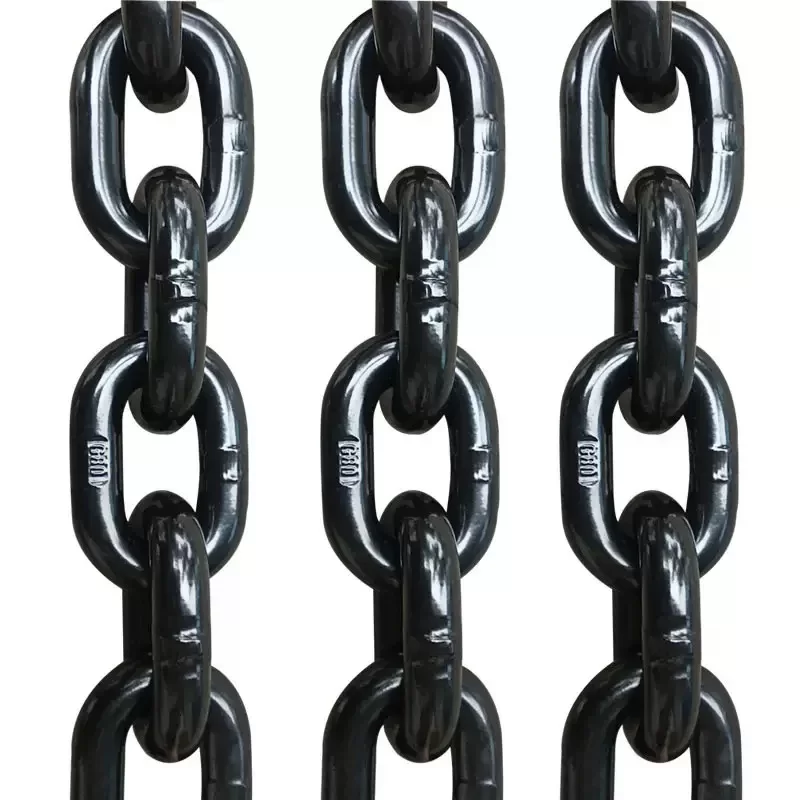
Robust load chain and heavy-duty hoists are deployed in refining plants to handle bulk equipment maintenance in humid and demanding environments.
Large-scale warehouses utilize Electric trolley systems combined with hoists to move heavy crates quickly across loading docks, optimizing the supply chain flow.
Portable manual chain block tools provide essential lifting capability for on-site installation of HVAC and structural components where electricity is unavailable.
Mini electric hoists are used for delicate handling of machinery and sensitive components, providing the controlled lift necessary for high-tech manufacturing environments.
Hebei Juying Hoisting Machinery Co., Ltd's Global Journey
Established Hebei Juying Hoisting Machinery Co., Ltd, focusing on quality lifting tools under the GSTOYO brand.
Scaled production to 40,000 square meters with over 100 production lines to meet global demand.
Achieved ISO9001, CE, and TUV certifications, ensuring international safety and reliability.
Expanded market presence to the USA, Australia, Germany, Brazil, and Southeast Asia.
Leveraging 20 years of experience and 150 expert staff to provide world-class hoisting solutions.
Continuing to innovate in safety and efficiency for the next generation of industrial lifting.
From binder chains to precision trolleys, find all the necessary components to build a safe and efficient lifting system.



Expert answers to common procurement and operational questions for the Malaysian market.
Partner with Hebei Juying Hoisting Machinery for certified, durable lifting solutions that ensure safety and productivity in your industrial operations.
Request a Technical Quote


