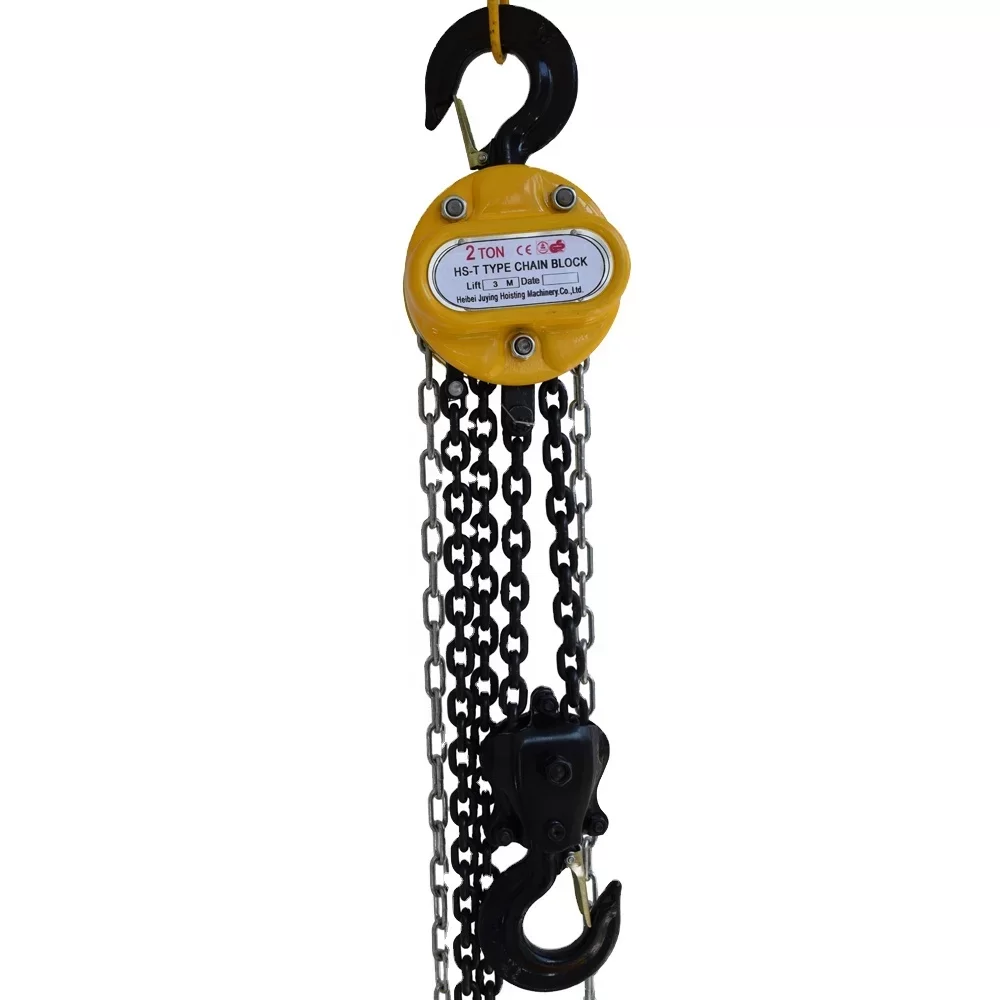
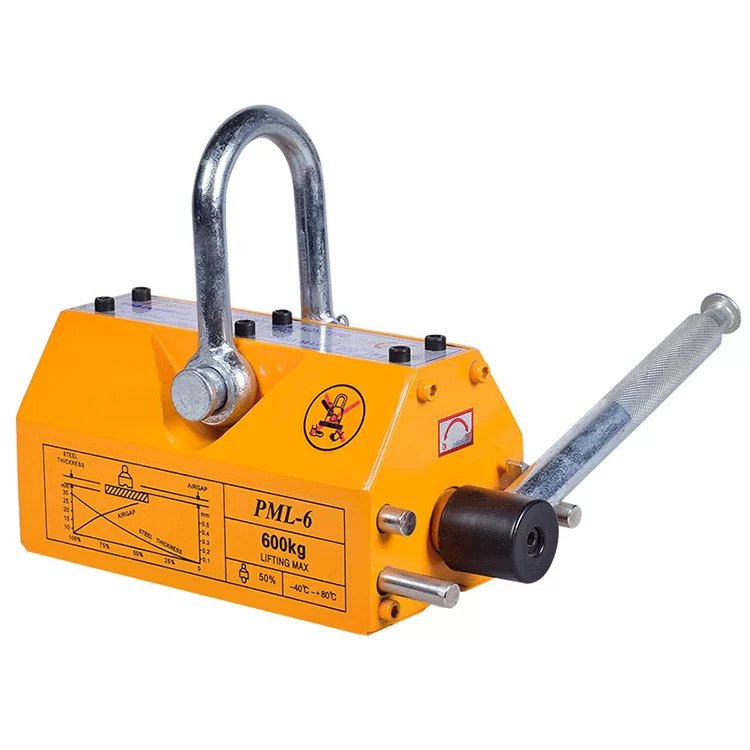

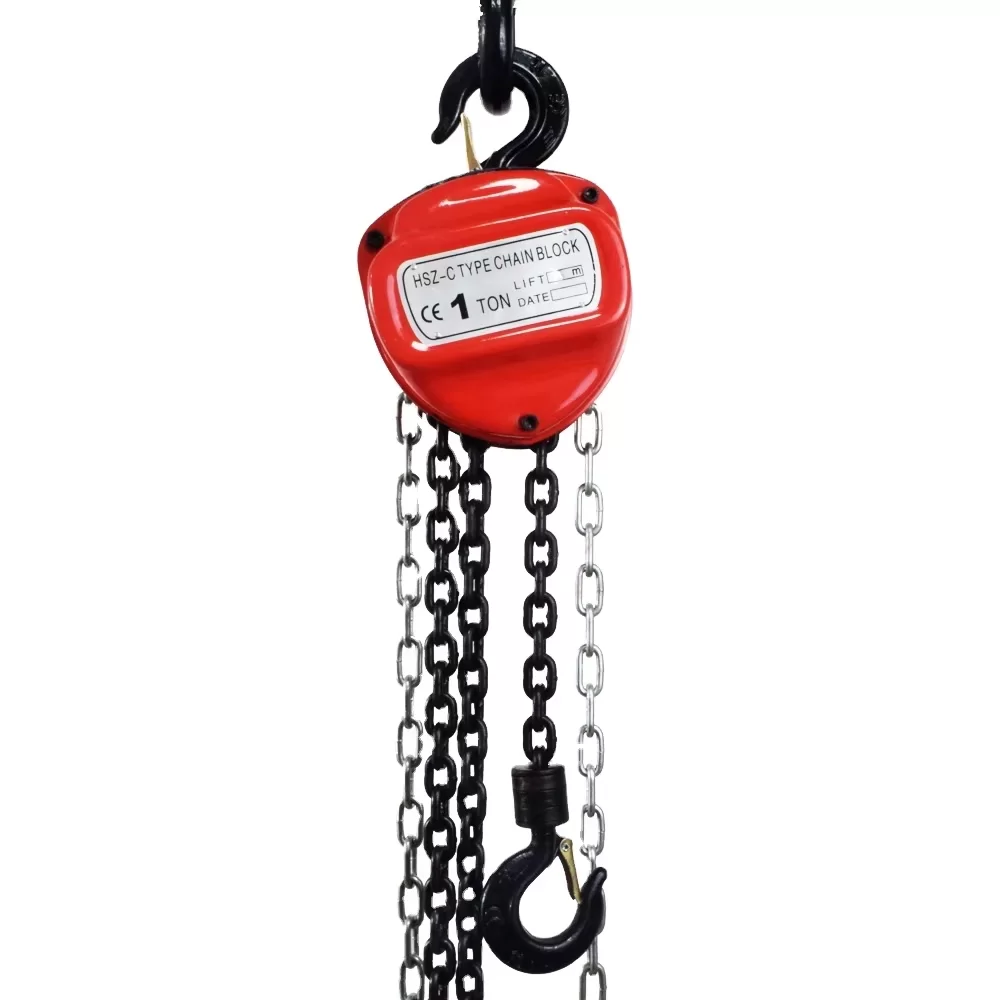
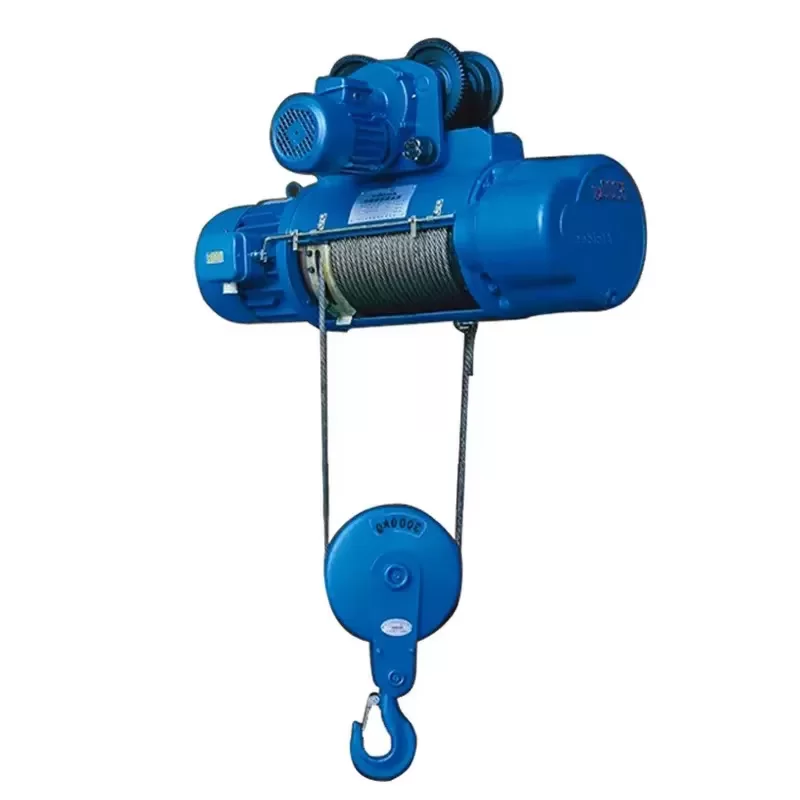
Electric Hoist Solutions for German Manufacturing

Reliable lifting equipment for industries across Germany.

The Current State of Material Handling in Germany

Analyzing the demands and challenges of the German manufacturing sector.

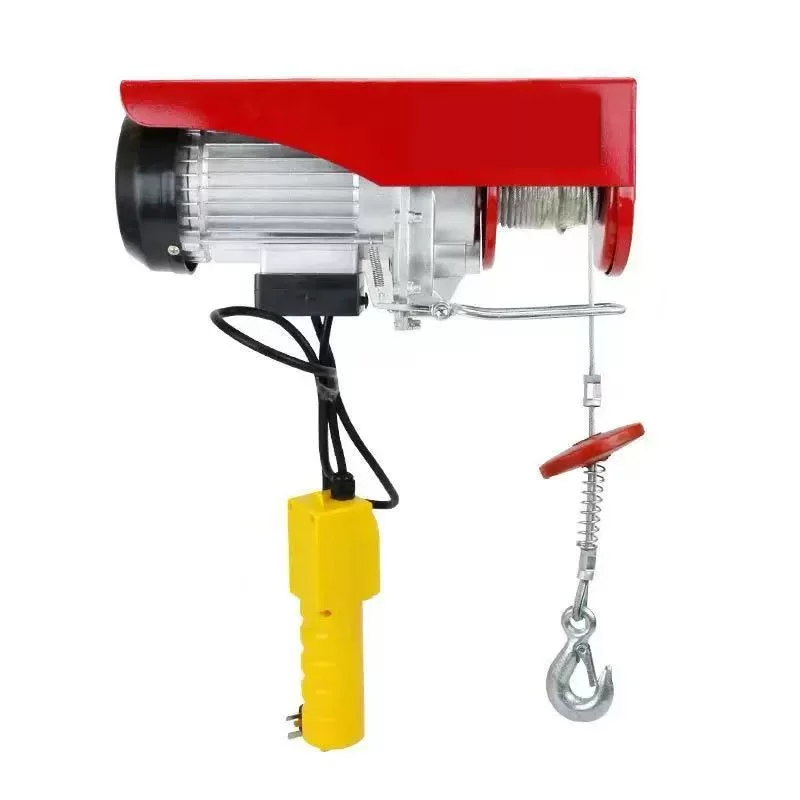
Germany's robust manufacturing sector, a cornerstone of the European economy, demands highly efficient and reliable material handling solutions. The country’s focus on Industry 4.0 and automation creates a substantial need for advanced lifting equipment, including electric hoist systems and wire rope hoist technology. The stringent safety standards prevalent in Germany necessitate equipment that meets or exceeds these requirements.

Geographically, Germany's industrial hubs, concentrated in regions like North Rhine-Westphalia, Baden-Württemberg, and Bavaria, experience varied climatic conditions. Equipment must be durable enough to withstand these challenges. Furthermore, Germany's commitment to sustainability drives demand for energy-efficient solutions, putting pressure on manufacturers to innovate in areas such as electric trolley and chain hoist electric designs.

The German market is highly competitive, with a strong preference for quality, precision, and long-term reliability. Customers frequently require customized solutions tailored to specific applications, making flexibility and responsiveness crucial for suppliers. The integration of smart technologies, like predictive maintenance and remote monitoring for electric winch systems and manual chain block, is becoming increasingly important.
Evolution and Development of Lifting Technology in Germany

Tracing the historical path and future trends of lifting equipment.

Market Development History

Prior to the mid-20th century, material handling in Germany largely relied on manual labor and simple mechanical devices. The 1950s and 60s saw the introduction of basic electric hoists, primarily driven by the post-war reconstruction and industrial growth. Early block chain and load chain systems were adopted, improving efficiency but still requiring significant manual operation.

The 1980s witnessed the rise of programmable logic controllers (PLCs) and the beginnings of automation in German factories. This led to more sophisticated electric hoist control systems. The 1990s brought advancements in motor technology and materials science, resulting in lighter, more powerful, and more durable equipment, alongside improvements in Binder chain designs.

The 21st century, particularly the last decade, has been defined by the integration of Industry 4.0 principles. This includes the use of IoT sensors, data analytics, and remote monitoring to optimize performance and reduce downtime. We are also seeing a significant shift towards explosion-proof designs for hazardous environments and increased demand for variable-frequency drives (VFDs) for precise control.

Future Development Trends

Smart Hoist Systems

The integration of AI and machine learning will enable predictive maintenance, reducing unplanned downtime and optimizing equipment lifespan. Google Trends data shows a consistent increase in searches related to "predictive maintenance" and "smart factory" solutions within Germany.

Energy Efficiency

Driven by environmental concerns and rising energy costs, there will be a continued focus on developing energy-efficient hoist systems, including regenerative drives and lightweight materials. Searches for "energy-efficient lifting equipment" are steadily climbing in Germany according to Google Trends.

Remote Control and Automation

Increasing automation will lead to more sophisticated remote control systems, allowing for precise and efficient material handling. The demand for fully automated hoist solutions is projected to grow significantly, as indicated by increasing search volumes for "automated material handling systems" in the German market.

Industry Trends and Future Outlook for Lifting Equipment in Germany

Exploring the evolving landscape of the German material handling market.

Increased Demand for IIoT Integration
The integration of Industrial Internet of Things (IIoT) sensors and data analytics will become standard, enabling predictive maintenance and real-time performance monitoring.
Growth of Ex-Proof Solutions
The demand for explosion-proof lifting equipment will increase, particularly in the chemical and pharmaceutical industries.
Focus on Lightweight Materials
The use of lightweight materials, such as carbon fiber, will become more prevalent to reduce energy consumption and improve handling.
Customization and Flexibility
German manufacturers will continue to prioritize customized lifting solutions tailored to their specific needs and production processes.

Industry Outlook

The German material handling market is expected to continue growing at a steady pace, driven by ongoing investments in automation and Industry 4.0. The demand for high-quality, reliable, and innovative lifting solutions will remain strong.

Suppliers who can offer tailored solutions, excellent customer service, and a commitment to sustainability will be best positioned to succeed in this competitive market. The ability to integrate seamlessly with existing automation systems will also be a key differentiator.

Local Application Scenarios in German Manufacturing

Real-world examples of lifting equipment in use across Germany.

1. Automotive Manufacturing in Bavaria

In BMW and Audi plants, electric hoist systems are used extensively for lifting and positioning heavy components during vehicle assembly. Precise control and reliability are paramount in this demanding application.

2. Chemical Processing in North Rhine-Westphalia

Chemical plants require explosion-proof wire rope hoist for handling materials in hazardous environments. Safety and compliance with stringent regulations are crucial.

3. Machine Tool Building in Baden-Württemberg

Machine tool manufacturers rely on chain hoist electric for lifting and moving heavy workpieces during the manufacturing process. The need for accuracy and repeatability is critical.

4. Logistics and Warehousing in Hamburg

Ports and warehouses utilize electric winch for loading and unloading cargo, requiring robust and reliable equipment capable of handling high volumes.

Brand Story

Hebei Juying Hoist Machinery Manufacturing Co., Ltd.'s global development history

Commitment to German Engineering Standards

We adhere to the highest German engineering standards, providing lifting solutions known for their precision, durability, and safety.

Solving Complex Lifting Challenges

We specialize in creating customized lifting solutions that address the unique demands of German manufacturing environments.

Innovation through Technology

We invest heavily in research and development to deliver cutting-edge lifting technology, including smart hoists and automation solutions.

Reliability and Long-Term Value

We build our lifting equipment to last, offering exceptional reliability and a long service life.

Customer-Centric Approach

We are dedicated to providing exceptional customer service and support throughout the entire lifecycle of our products.

Frequently Asked Questions for German Customers

Addressing common inquiries about our lifting equipment.

What safety certifications are your electric hoists compliant with for the German market?

Our electric hoists are certified to meet all relevant German safety standards, including CE marking and DIN standards. We provide comprehensive documentation to demonstrate compliance.

Do you offer customized wire rope hoist solutions for specific German manufacturing processes?

Yes, we specialize in creating customized lifting solutions tailored to the unique requirements of German manufacturers. Our engineering team works closely with clients to develop solutions that optimize performance and efficiency.

What is the typical lead time for delivering a chain hoist electric to a location in Germany?

The typical lead time for delivering a chain hoist electric to Germany is 4-6 weeks, depending on the complexity of the order and current production schedules.

What maintenance services do you provide for electric winch systems in Germany?

We offer a comprehensive range of maintenance services for electric winch systems, including preventative maintenance, repairs, and spare parts supply. We have a network of qualified service technicians throughout Germany.

Can your manual chain block meet the stringent safety regulations for use in German factories?

Yes, our manual chain blocks are designed and manufactured to meet and exceed German safety regulations. They undergo rigorous testing to ensure reliable and safe operation.

What types of load chain and Binder chain are available for your lifting equipment in Germany?

We offer a wide range of load chain and Binder chain options, including high-strength alloy steel and stainless steel, to suit various applications and environmental conditions. We comply with German material standards.

Get in Touch with Our German Team

We are committed to providing exceptional lifting solutions and support to businesses across Germany.

Contact Us Now

If you are interested in our products, you can choose to leave your information here, and we will be in touch with you shortly.