

Addressing the critical bottlenecks in material handling that hinder throughput and compromise workplace safety.
Strict EU safety directives often make it difficult for operators to find equipment that balances high performance with full CE certification, leading to potential regulatory friction in French workshops.
Reliance on older manual systems causes significant operator strain and slow cycle times, which reduces overall factory efficiency and increases the risk of musculoskeletal injuries.
Frequent wear on low-quality load chains and gears leads to unscheduled stoppages, which disrupt lean manufacturing schedules and increase the cost of spare parts procurement.
Many traditional French industrial sites have compact footprints, making bulky lifting gear impractical and limiting the ability to move loads precisely across narrow aisles.
Outdated electric motors in older hoists consume excessive power and generate heat, increasing operational costs and failing to meet modern European energy sustainability goals.
Inconsistent braking systems in budget equipment can cause load drifting, creating dangerous environments during precision placement in high-value assembly lines.
Integrating precision engineering with rigorous certification to solve complex material handling problems.
We provide equipment that meets EUproductCEGS and GermanyTUV standards, ensuring that French operators remain fully compliant with European safety laws without sacrificing power.
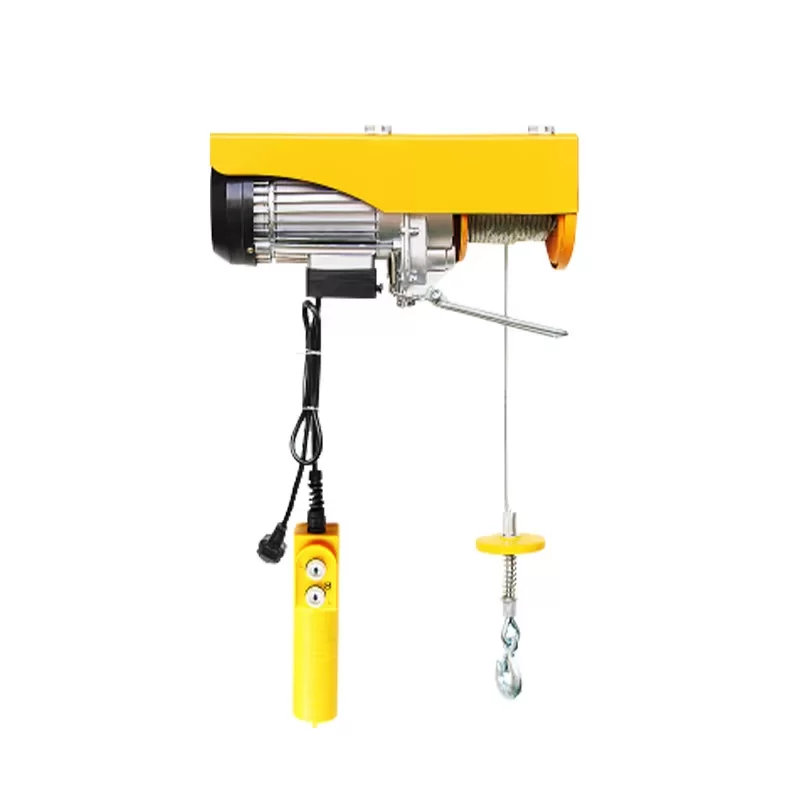
Replacing manual blocks with a high-efficiency chain hoist electric system reduces operator fatigue and accelerates load cycles through automated lifting mechanisms.
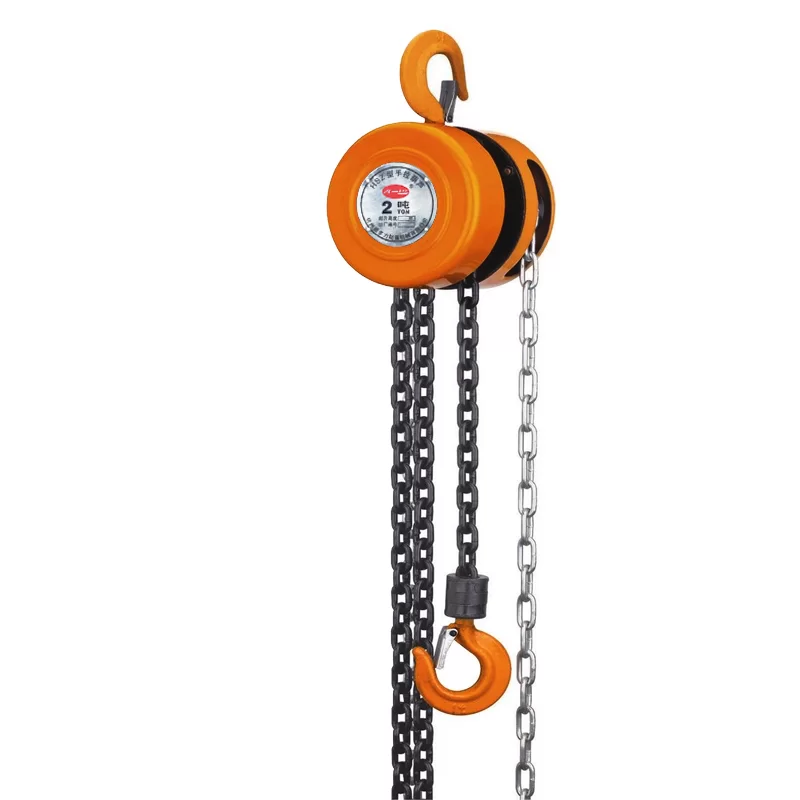
Utilizing G80 load chain technology ensures superior tensile strength and wear resistance, drastically extending the intervals between maintenance and reducing unplanned downtime.
Our Electric trolley systems allow for seamless horizontal movement, enabling precision positioning in space-constrained French facilities.
Integrating advanced winding technology in our electric hoists reduces current draw and heat dissipation, aligning operational costs with European energy efficiency standards.
Implementation of electromagnetic brakes ensures immediate load locking, preventing drift and ensuring maximum stability during the most delicate lifting operations.

Quantifiable evidence of our ability to support large-scale industrial requirements globally.
Understanding the intersection of European regulatory standards and industrial demand.
The French industrial sector is characterized by a strong presence of aerospace, automotive, and luxury manufacturing. These industries require high-precision lifting equipment that adheres to the strictest European Union safety norms. In regions like Auvergne-Rhône-Alpes and Île-de-France, there is a substantial reliance on reliable material handling tools to manage heavy components within highly organized, lean production environments. The market is shifting from general-purpose gear toward specialized equipment that offers higher safety margins and lower operational footprints.
Currently, the trend is moving toward the complete electrification of workshop tools. There is an increasing demand for wire rope hoist systems that integrate with digital warehouse management systems. French companies are prioritizing equipment that reduces the physical burden on workers to comply with evolving labor health and safety regulations. This shift is driven by the need for higher precision in assembly and a desire to minimize the risk of human error during the movement of critical loads.
While the demand for high-capacity lifting is constant, the primary constraint remains the balance between initial investment and long-term lifecycle costs. French operators are increasingly looking for "Total Cost of Ownership" (TCO) reductions, favoring durable G80 chains and energy-efficient motors over cheap, short-lived alternatives. The outlook remains positive as the "Industry 4.0" transition encourages the adoption of smarter, more reliable electric winches and hoists that can be integrated into automated workflows.
From basic mechanical advantage to precision electrical control.
The industry has moved away from generic steel to alloyed G80 chains. This change was necessitated by the need for higher safety factors in heavy-duty industrial applications, ensuring that load chains do not deform under peak stress.
Advancements in motor efficiency have allowed for the creation of mini electric hoists that provide significant lifting power without the bulk, allowing for installation in smaller workshops and tighter ceilings.
The convergence of ISO9001 and CE standards has created a global language of quality, allowing manufacturers like Hebei Juying to serve the French market with guaranteed safety and reliability.
Identifying the drivers of change in the global hoisting industry.
Combining manual chain block versatility with electric precision. Facilities are increasingly adopting modular systems that can switch between manual and powered modes based on the specific task.
The integration of sensors to provide real-time feedback on load weight and chain tension. This reduces the risk of overloading and allows for predictive maintenance schedules based on actual usage data.
A shift toward recycled alloys for non-critical components and biodegradable lubricants for gearboxes, reducing the environmental impact of heavy machinery maintenance in EU territories.
Development of lightweight electric winch systems that can be quickly relocated across a site, supporting the trend toward flexible, agile manufacturing layouts.
These trends indicate a move toward "intelligent lifting," where the equipment is no longer a passive tool but an active part of the production line. The integration of power and precision is allowing French factories to handle heavier loads with smaller teams, effectively mitigating the impact of labor shortages in the skilled technical sector.
Furthermore, the emphasis on certification is not merely a legal requirement but a competitive advantage. Companies that invest in TUV and CE certified gear experience lower insurance premiums and higher employee confidence, leading to a more stable and predictable operational environment in the long term.
How our equipment solves real-world problems in various industry settings.
In a high-throughput automotive plant, operators needed to move heavy engine blocks with millimeter precision. By deploying a combined wire rope hoist and electric trolley, the plant eliminated manual positioning errors, reducing assembly time and ensuring a safer workflow for the technicians.
Maintaining aircraft wings requires lifting gear that can span large areas while maintaining strict safety certifications. The use of TUV-certified electric chain hoists provided the necessary reliability and stability, ensuring that heavy components were supported securely during critical maintenance cycles.
A logistics hub handling heavy shipping containers required a way to move goods from trucks to storage racks quickly. Installing high-capacity electric winch systems allowed for faster unloading and more efficient space utilization within the harbor-side facility.
A small-scale precision tool manufacturer faced constraints with ceiling height. By utilizing mini electric hoists, they were able to implement powered lifting in a low-clearance environment, removing the need for manual labor and reducing the risk of accidental load drops.
A repair shop specializing in industrial pumps required a flexible solution for different load weights. A mix of G80 load chains and manual lever hoists provided the necessary versatility for field repairs where electricity was unavailable, while electric hoists handled the main shop floor.
Illustrating the operational impact of our lifting solutions in professional environments.
The transition to electric chain hoists has significantly reduced our team's physical fatigue. The precision of the movement allows us to align heavy parts more accurately, which has directly improved our assembly cycle times and safety record.
Finding equipment that fully complies with CE and TUV standards is critical for our regulatory audits. The G80 load chains provide the peace of mind we need when lifting high-value components in a precision environment.
The electric trolleys have transformed how we utilize our limited floor space. We can now move loads horizontally with ease, which has eliminated the need for multiple manual lifting points across the workshop.
Two decades of commitment to lifting safety and engineering excellence.
Founded with a focus on high-quality lifting equipment, Hebei Juying began developing the "GSTOYO" brand, establishing a foundation of reliability and technical expertise in the hoisting machinery field.
The company expanded its manufacturing capabilities to a 40,000 square meter land area, implementing over 100 production lines to ensure scalable output for global markets.
To serve international markets, the company achieved ISO9001 standards and successfully obtained EUproductCEGS and GermanyTUV certifications, validating its safety and quality protocols.
Expanding beyond China, the "GSTOYO" brand established a strong presence in the United States, Australia, India, Germany, Brazil, Vietnam, and Thailand.
With 150 experienced staff and 20 years of field expertise, the company continues to lead in the production of manual and electric hoisting tools, prioritizing "Quality First" as its core policy.



Technical answers to help you select the right hoisting solution for your facility.
The primary difference lies in the lifting medium and application. A wire rope hoist is typically suited for higher capacities and faster lifting speeds, making it ideal for heavy-duty warehouse tasks. A chain hoist, particularly an electric one, offers more precise positioning and is often more compact, making it better for assembly lines or smaller workshops. The choice depends on your specific load weight, required lift height, and available overhead space.
Compliance is ensured by verifying that the equipment carries recognized certifications such as the CE mark and TUV certification. These certifications indicate that the hoist has been tested for structural integrity, electrical safety, and braking reliability according to European standards. Additionally, ensuring that load chains are G80 grade and that the manufacturer follows ISO9001 quality management systems provides the necessary documentation for safety audits in France.
For facilities with low clearance, mini electric hoists are the most effective solution. These are engineered to provide significant lifting power while minimizing the vertical space occupied by the motor and gearbox. Alternatively, a manual chain block can be used if the lifting frequency is low and portability is required. We recommend evaluating the "headroom" (the distance from the hook to the support beam) to choose the correct model.
Key maintenance includes regular inspection of the load chain for wear or deformation, lubrication of the chain and gears to reduce friction, and testing the braking system to ensure immediate load locking. We recommend a quarterly check of the electrical connections and a yearly professional certification check. Using high-grade G80 chains reduces the frequency of replacement but does not eliminate the need for routine safety inspections.
Most electric trolleys are designed to be compatible with standard electric hoists of a similar weight class. Integration requires matching the hoisting capacity of the hoist with the load capacity of the trolley and ensuring the beam width matches the trolley's adjustable range. Combining a wire rope hoist with an electric trolley creates a comprehensive bridge crane system, allowing for both vertical lifting and horizontal transport across the factory floor.
Selection should be based on the maximum possible load plus a safety margin. For industrial environments, G80 alloy chains are the standard because they offer a higher strength-to-weight ratio. You must consider the Working Load Limit (WLL) and ensure that the chain is never used beyond this rated capacity. We suggest calculating the peak load and selecting a chain grade that comfortably exceeds this value to account for potential dynamic shocks during lifting.
Whether you are operating a precision workshop in Lyon or a logistics hub in Marseille, having the right lifting equipment is essential for safety and efficiency. Our team specializes in helping French businesses transition to CE-certified electric hoists and G80 load chains that reduce labor costs and ensure regulatory compliance. Contact us today to discuss your specific load requirements and facility constraints.
Discuss Your Requirements


