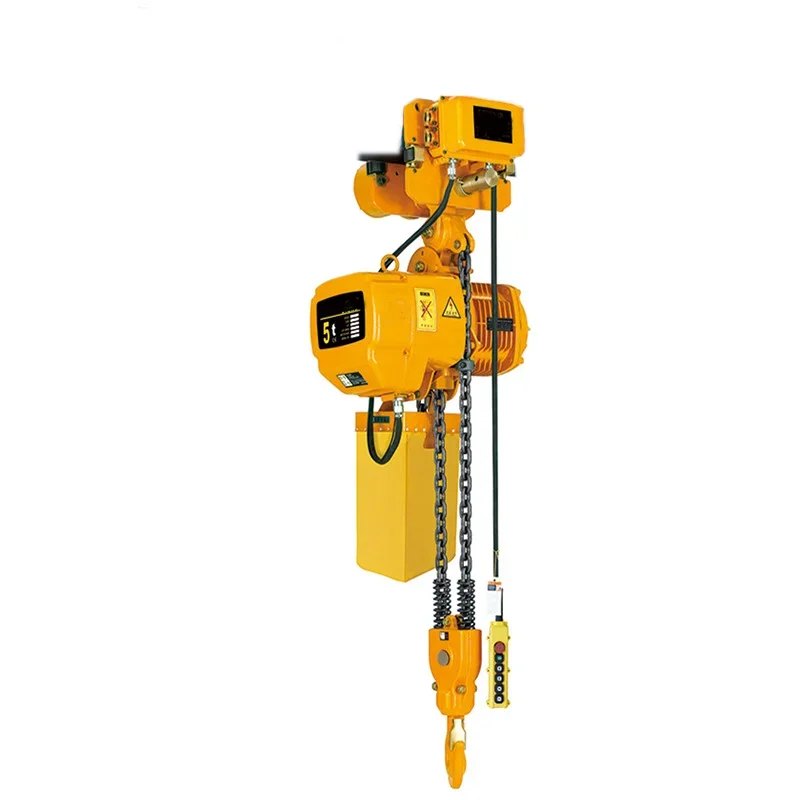
Electric Winch Solutions for Belgium's Manufacturing Sector

Providing reliable lifting solutions for industrial applications across Europe.

Electric Winch Solutions for Belgium's Manufacturing Sector

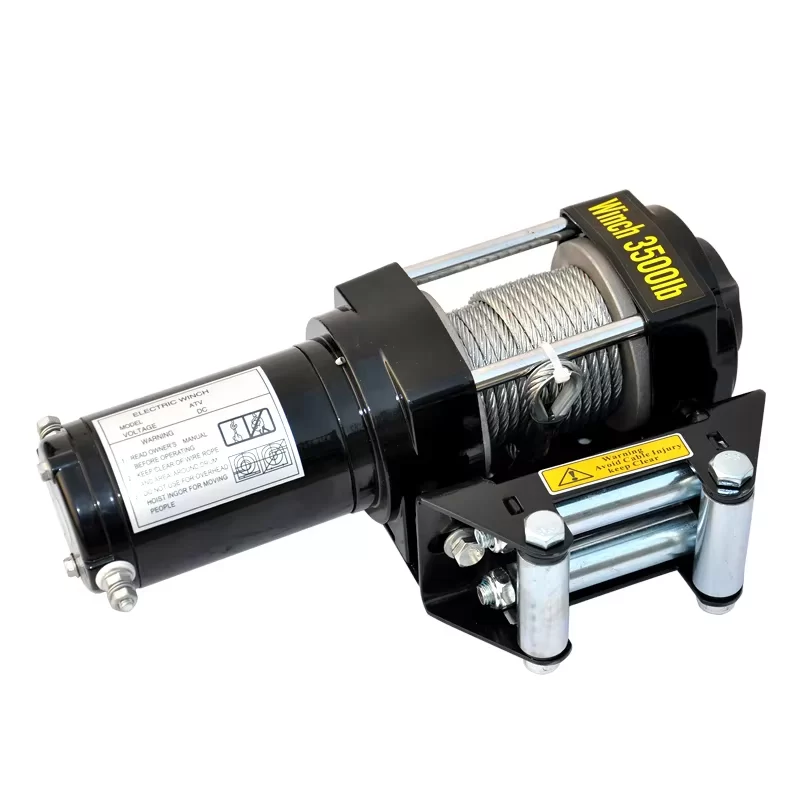
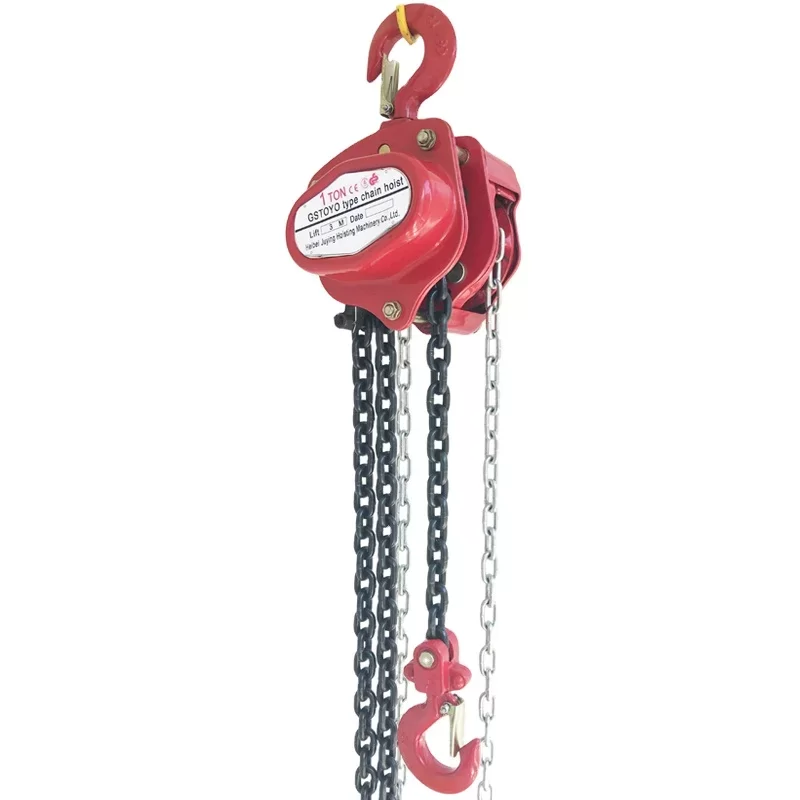
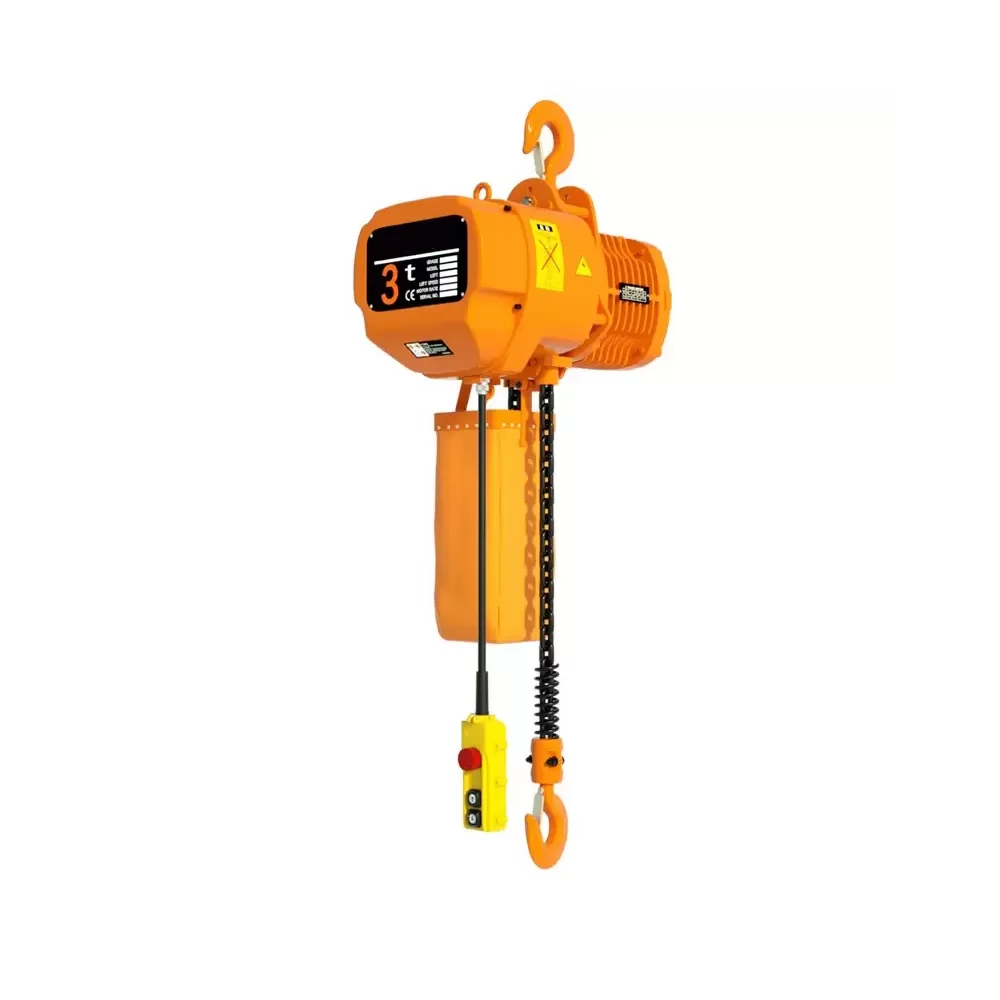
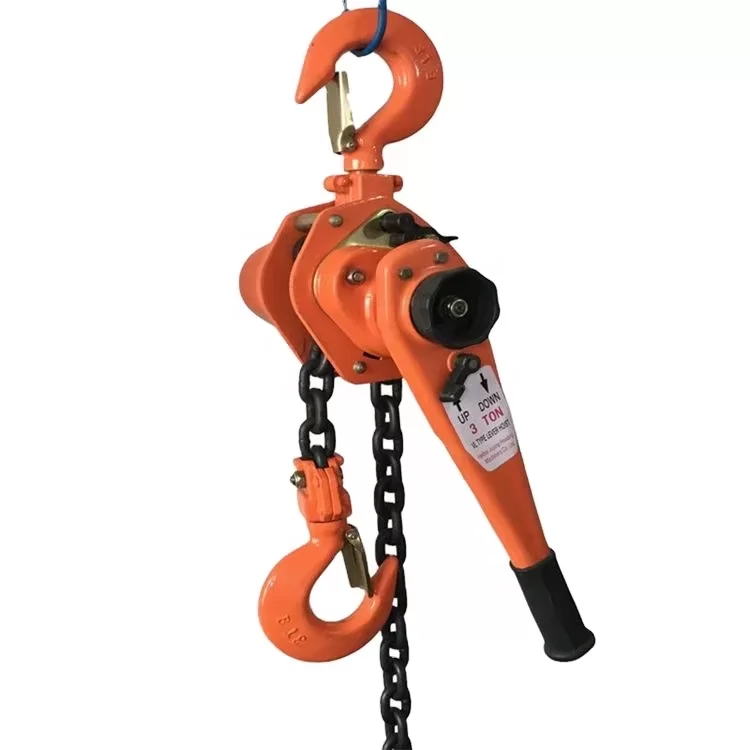
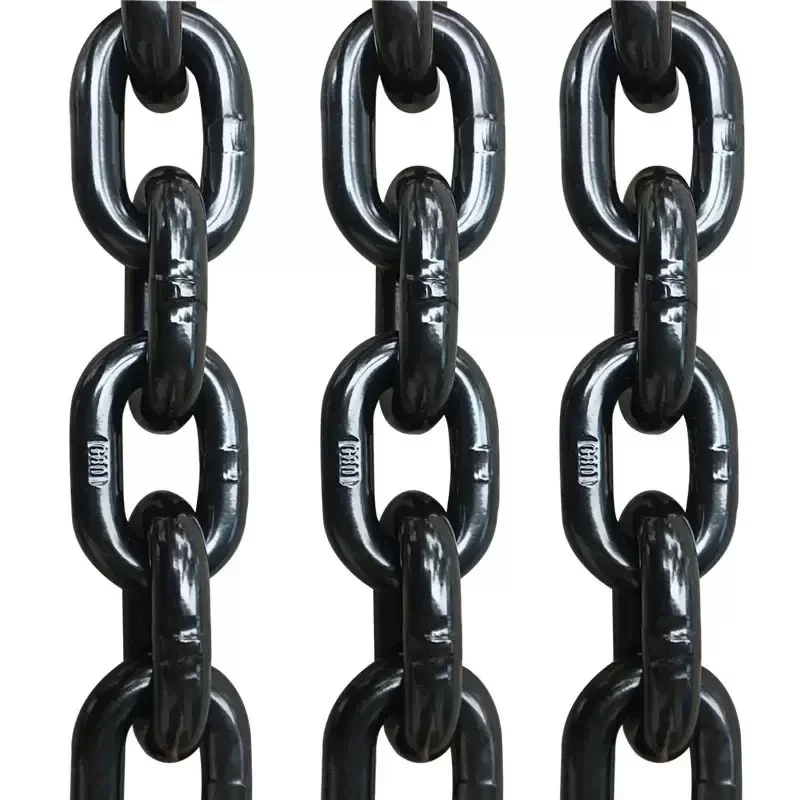
Offering a comprehensive range of electric hoist, wire rope hoist, Electric trolley, chain hoist electric, electric winch, manual chain block, block chain, load chain, and Binder chain solutions designed to optimize material handling in Belgian industries.

The Current State of Lifting Equipment in Belgium

Analyzing the market dynamics and challenges for material handling solutions in Belgium.

Belgium, a central European nation, boasts a highly developed industrial sector, particularly in manufacturing, chemicals, and logistics. This drives significant demand for efficient and safe material handling equipment. The country's strategic location and well-developed infrastructure require robust and reliable electric hoist systems to maintain logistical efficiency. Furthermore, stringent European safety standards necessitate high-quality equipment like wire rope hoist.

The Belgian market is characterized by a preference for durable, low-maintenance lifting solutions. Many companies prioritize energy efficiency and automation. There’s a growing demand for customized solutions tailored to specific industry needs. The compact nature of many Belgian industrial facilities also creates a demand for space-saving equipment such as Electric trolley and chain hoist electric.

The local climate, while temperate, experiences significant rainfall and humidity. This necessitates equipment with corrosion-resistant properties. Regulations surrounding workplace safety are extremely rigorous, meaning compliance certifications are essential for market access. The use of quality electric winch and supporting components like load chain is paramount.
Evolution of Lifting Technology and the Belgian Market

Tracing the development of lifting equipment from traditional methods to modern innovations.

Market Development History

Historically, material handling in Belgium relied heavily on manual labor and basic pulley systems. The late 19th and early 20th centuries saw the introduction of steam-powered hoists, largely serving the coal mining industry. The 1950s marked a turning point with the advent of electric motors, leading to the widespread adoption of manual chain block systems. These were considerably more efficient and safer than their predecessors.

The 1980s and 90s witnessed the increasing integration of automation and control systems. Variable Frequency Drives (VFDs) allowed for precise speed control and smoother operation of block chain hoists. The focus shifted towards enhancing worker safety and improving operational efficiency. Demand grew for more sophisticated solutions, including intelligent lifting devices.

The 21st century has seen a surge in the development of wireless control systems, IoT-enabled hoists for remote monitoring, and a growing emphasis on energy-saving designs. Lightweight materials and compact designs became increasingly important. Modern Binder chain and related components are now manufactured to withstand harsh industrial conditions.

Future Development Trends

Smart Lifting Solutions (2024-2026)

The integration of AI and machine learning will enable predictive maintenance, optimizing equipment lifespan and minimizing downtime. Real-time data analysis will provide insights into operational performance and identify potential safety hazards.

Increased Automation (2026-2028)

Fully automated lifting systems, integrated with robotic arms and AGVs, will become more commonplace. These systems will enhance productivity and reduce the risk of human error. This aligns with the increasing demand for Industry 4.0 solutions in Belgium.

Sustainable Lifting Technologies (2028-2030)

A focus on energy efficiency and the use of eco-friendly materials will drive the development of new lifting technologies. Expect to see more hybrid and fully electric systems to reduce carbon emissions, responding to Belgium’s sustainability goals.

Industry Trends and Future Outlook for Lifting Equipment in Belgium

Exploring the evolving landscape of material handling solutions in the Belgian market.

Increased Demand for Compact Hoists
Belgium's industrial facilities often have limited space. Consequently, there is a rising demand for compact and lightweight electric hoist solutions.
Focus on Safety Features
Belgian regulations prioritize workplace safety. Therefore, hoists equipped with advanced safety features like overload protection, anti-collision systems, and emergency stop buttons are in high demand. Wire rope hoist are designed for maximum safety.
Growing Adoption of IoT
The Internet of Things (IoT) is transforming the lifting industry. Remote monitoring, predictive maintenance, and data analytics are becoming increasingly popular. Electric winch benefit from these technologies.
Demand for Energy-Efficient Solutions
With growing environmental concerns, Belgian businesses are increasingly seeking energy-efficient lifting solutions, driving demand for modern chain hoist electric systems.

Industry Outlook

The Belgian lifting equipment market is expected to exhibit steady growth over the next five years, driven by the expansion of the manufacturing and logistics sectors. The increasing adoption of automation and IoT technologies will further fuel this growth. Companies that can provide innovative, safe, and energy-efficient solutions will be best positioned to succeed.

Belgium’s commitment to sustainability will also play a key role in shaping the future of the lifting equipment market. Expect to see a growing demand for eco-friendly products and services.

Local Application Scenarios for Lifting Equipment in Belgium

Exploring real-world applications of lifting solutions within Belgian industries.

1. Port of Antwerp Material Handling

The Port of Antwerp, a major European logistics hub, relies heavily on robust lifting equipment for handling containers and other cargo. Electric winch and wire rope hoist systems are essential for efficient loading and unloading operations.

2. Automotive Manufacturing in Ghent

The automotive industry in Ghent requires precise and reliable lifting solutions for assembly line processes. Chain hoist electric are widely used for lifting and positioning vehicle components.

3. Chemical Plants in the Antwerp Region

Chemical plants demand lifting equipment capable of operating in hazardous environments. Explosion-proof electric hoist and load chain are crucial for maintaining safety and efficiency.

4. Food Processing Facilities in West Flanders

Food processing facilities require hygienic and easy-to-clean lifting solutions. Stainless steel manual chain block are often used for lifting and moving ingredients and finished products.

5. Construction Projects in Brussels

Brussels' continuous urban development requires efficient material handling on construction sites. Binder chain and related rigging equipment are indispensable for lifting building materials.

Brand Story

Hebei Juying Hoist Machinery Manufacturing Co., Ltd.'s Global Development Journey

Foundational Commitment to Quality

Founded on a commitment to engineering excellence, Juying Hoist began as a small workshop dedicated to providing reliable lifting solutions.

Expansion into International Markets

Recognizing the global demand for high-quality lifting equipment, Juying Hoist expanded its reach into international markets, including Europe.

Investment in Research and Development

Juying Hoist invested heavily in research and development to create innovative lifting solutions that meet the evolving needs of its customers.

Focus on Customer Satisfaction

Juying Hoist prioritizes customer satisfaction by providing exceptional service and support.

Sustainable Lifting Solutions

Committed to environmental responsibility, Juying Hoist develops energy-efficient and sustainable lifting solutions for a greener future.

Frequently Asked Questions – Belgium

Addressing common queries regarding lifting equipment in the Belgian market.

What safety certifications are required for lifting equipment used in Belgian manufacturing facilities?

Lifting equipment in Belgium must comply with European standards, including EN 13155 and EN 14492. CE marking is mandatory. Regular inspections and documentation are also essential.

What factors should I consider when choosing an electric hoist for a confined space in a Belgian warehouse?

Consider the headroom requirements, lifting capacity, and the type of load you will be handling. Compact electric hoist with low headroom designs are often ideal for such applications.

How do I ensure my lifting equipment meets the environmental regulations in Belgium?

Choose energy-efficient lifting equipment and ensure it complies with Belgium’s environmental standards. Consider options that minimize noise pollution and emissions.

What is the typical lead time for delivering a custom-engineered lifting solution to Belgium?

Lead times vary depending on the complexity of the solution. Typically, custom-engineered lifting solutions take between 8 to 16 weeks for delivery to Belgium.

What maintenance procedures are recommended for a wire rope hoist operating in a humid Belgian climate?

Regularly inspect the wire rope for corrosion and wear. Lubricate moving parts frequently to prevent rust. Store the hoist in a dry environment when not in use.

How can I determine the correct load capacity for a chain hoist for a specific application in my Belgian facility?

Calculate the weight of the heaviest load you will be lifting, plus any additional weight from slings, rigging, or other attachments. Always select a chain hoist with a load capacity that exceeds this total weight.

Get in Touch with Us

We are dedicated to providing high-quality lifting solutions to businesses across Belgium. Contact us today to discuss your specific requirements.

Contact Us Now

If you are interested in our products, you can choose to leave your information here, and we will be in touch with you shortly.