
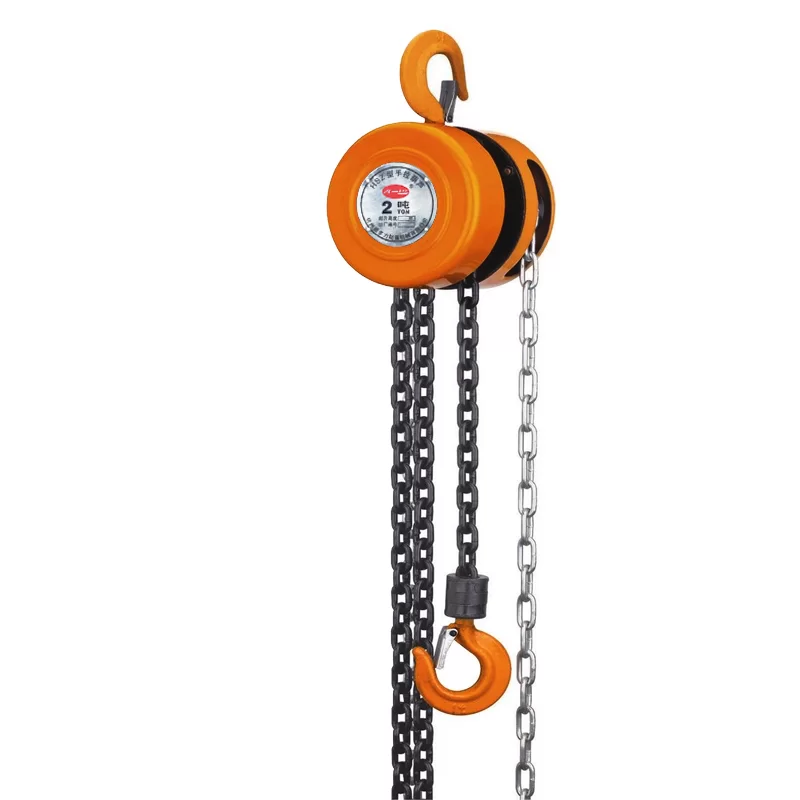
Industrial Lifting Solutions for Canada's Manufacturing Sector

Optimizing material handling efficiency across Canadian provinces with professional-grade electric and manual hoisting equipment designed for extreme durability.

Request Details

Evaluating Lifting Requirements in the Canadian Industrial Landscape

Analyzing the intersection of regional geography and equipment durability.

The industrial framework of Canada is characterized by vast distances and concentrated manufacturing hubs in Ontario and Quebec. In these regions, the demand for a reliable electric hoist is driven by the need to minimize manual labor in automotive and aerospace assembly lines. Given the extreme temperature fluctuations typical of the Canadian climate, equipment must be engineered to maintain lubrication and structural integrity during harsh winters, ensuring that productivity remains consistent regardless of external environmental stressors.

From a procurement perspective, Canadian facility managers prioritize safety certifications and long-term reliability over initial cost. The integration of a wire rope hoist often becomes a focal point for heavy-duty workshops requiring precise load control and high weight capacities. There is a growing shift toward modular systems that can be easily integrated into existing gantry structures, reflecting a broader trend of upgrading legacy infrastructure without requiring complete facility redesigns.

Furthermore, the push toward workplace safety and ergonomic optimization has increased the adoption of motorized solutions. Implementing an Electric trolley allows for seamless lateral movement of loads, reducing the risk of workplace injuries. As the regional economy continues to diversify into advanced green energy and mining equipment manufacturing, the technical requirements for lifting tools are evolving toward higher precision and smarter load monitoring capabilities.

Evolution of Hoisting Technology in North America

Tracing the transition from purely manual operations to automated lifting systems.

Technology Progress

1990-2005

Manual Dominance Phase where the manual chain block served as the primary tool for small-scale workshops and maintenance tasks across North American plants.

2006-2015

Electrification The widespread adoption of chain hoist electric systems to increase throughput and reduce operator fatigue in high-volume manufacturing.

2016-Present

Precision & Safety Current era focusing on integrated safety limits, variable speed control, and the use of high-grade load chain for maximum reliability.

Market Journey

  • Energy Efficiency

    Shift toward low-energy motors in electric winches to align with corporate sustainability goals in Canadian industry.

  • Material Science

    Increased demand for specialized alloys in the Binder chain to prevent corrosion in humid or coastal environments.

  • Compact Design

    Development of mini-hoists for urban workshops where space is limited but lifting capacity remains critical.

Future Directions for Lifting Equipment in Canada

Preparing for the next generation of material handling challenges.

Safety Automation
Integration of automatic overload protection and sensors to eliminate human error in heavy lifting.
Ergonomic Control
Wireless remote systems reducing the need for operators to stand in potentially dangerous proximity to loads.
Predictive Maintenance
Using wear-tracking data on block chains to schedule maintenance before failures occur.
Hybrid Power
Exploring battery-powered hoists for flexible installation in facilities without extensive electrical grids.

From the perspective of technical evolution, the next 3-5 years will likely see a significant increase in "smart" lifting. We expect a transition where equipment is no longer just a mechanical tool but a data-providing asset that reports load frequency and stress levels in real-time. This will be particularly valuable for Canadian industries adhering to strict safety audits and insurance requirements.

Regarding the regional ecosystem, the supply chain for replacement parts is becoming more critical. Local partners who can provide rapid access to high-quality components, such as an electric winch or specialized load chains, will hold a competitive advantage as Canadian firms seek to minimize downtime in their lean manufacturing cycles.

Practical Application Scenarios in Canada

How professional hoisting tools solve real-world operational challenges.

01
Automotive Assembly Plants

In local manufacturing hubs, motorized hoists are used to position heavy engine components with millimeter precision, reducing assembly time and operator strain.

02
Mining Equipment Maintenance

Heavy-duty chain blocks are essential in regional mining service centers for the disassembly of massive gearboxes and structural components.

03
Logistics and Warehousing

Regional distribution centers utilize electric trolleys and hoists for loading oversized freight into containers, optimizing the flow of goods across provinces.

04
Aerospace Component Fabrication

Lightweight, high-precision wire rope hoists allow for the delicate movement of aluminum panels and fuselage sections without risking surface damage.

05
Construction Site Rigging

Portable winches and manual lever hoists provide critical lifting capabilities in remote project sites where permanent power infrastructure is not yet available.

Hebei Juying Hoisting Machinery Co., Ltd

Two decades of excellence in lifting equipment engineering.

2005
Company Foundation

Established Hebei Juying Hoisting Machinery Co., Ltd, initiating the journey to become a professional manufacturer of lifting tools under the "GSTOYO" brand.

Growth Phase
Global Expansion

Expanded production capabilities to over 100 production lines, exporting high-quality equipment to the United States, Germany, Brazil, and other global markets.

Certification
Quality Standardization

Achieved ISO9001 standard compliance and secured EU CE and Germany TUV certifications to ensure the highest safety levels for international clients.

Present
Industry Leadership

Operating from a 40,000 square meter facility with 150 experienced staff, continuing to lead the market in reliable hoisting solutions.

Technical FAQ & Procurement Guide

Expert answers to common questions regarding hoisting equipment in North America.

How do I choose between an electric hoist and a manual chain block for my Canadian workshop?

The choice depends on frequency and load. For repetitive, high-volume lifting in a production line, an electric hoist is essential for efficiency. For occasional maintenance or remote areas without power, a manual chain block offers unmatched portability and reliability.

What safety certifications are most important for hoisting equipment used in North America?

Compliance with ISO9001 for quality management is fundamental. Additionally, CE and TUV certifications provide a benchmark for safety and performance that is widely recognized by Canadian safety inspectors and insurance providers.

Can your load chains withstand the extreme temperature drops common in Canadian winters?

Yes, our high-grade G80 load chains are engineered for durability. We recommend using low-temperature lubricants specifically designed for Canadian climates to ensure the chain remains flexible and resistant to brittle fracture during winter.

What is the typical lead time for shipping industrial winches to Canada?

Lead times vary by order volume and shipping method. As a professional manufacturer with 100+ production lines, we optimize our logistics to ensure efficient delivery to North American ports followed by regional distribution.

How often should an electric trolley be inspected for safety in a high-use environment?

In high-use industrial settings, we recommend a formal safety inspection every 3 to 6 months. Focus should be on wheel wear, brake responsiveness, and the integrity of the mounting fasteners to prevent operational failures.

Do you provide custom load capacities for specialized industrial projects in Canada?

Yes, we leverage our 20 years of experience to provide solutions tailored to specific technical requirements. From custom chain lengths to specific motor voltages, we ensure the equipment matches your project's exact specifications.

Upgrade Your Lifting Infrastructure

Contact us today for professional hoisting solutions tailored to the industrial demands of North America - Canada. Let's optimize your operational safety and efficiency together.

Talk to Experts

If you are interested in our products, you can choose to leave your information here, and we will be in touch with you shortly.