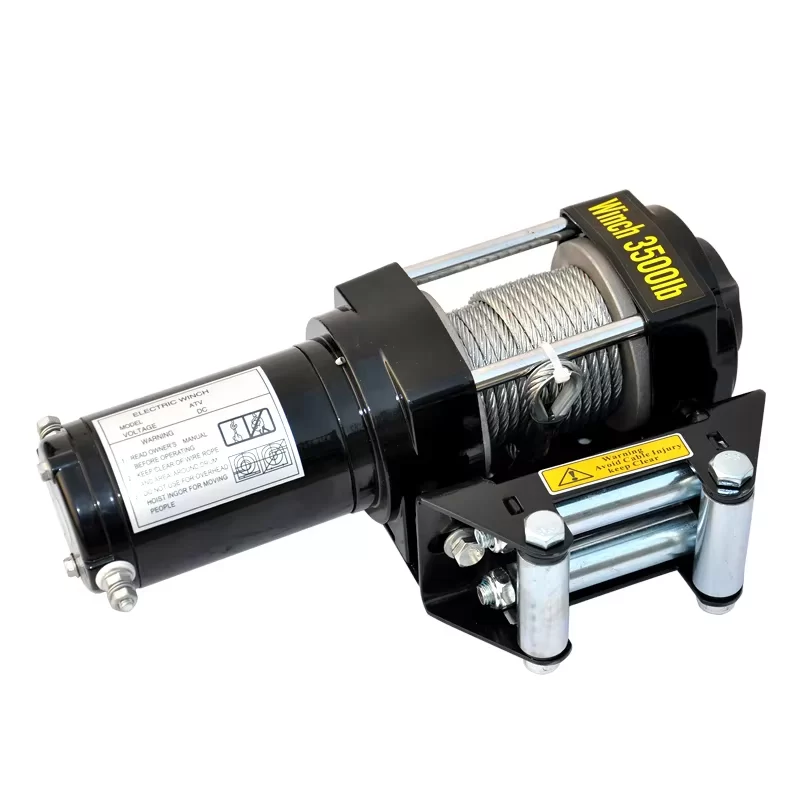
New Zealand's Premier Electric Winch Solutions for Enhanced Productivity

Delivering reliable material handling equipment to businesses across New Zealand.

The Current State of Material Handling in New Zealand

Understanding the unique challenges and opportunities within the New Zealand manufacturing landscape.

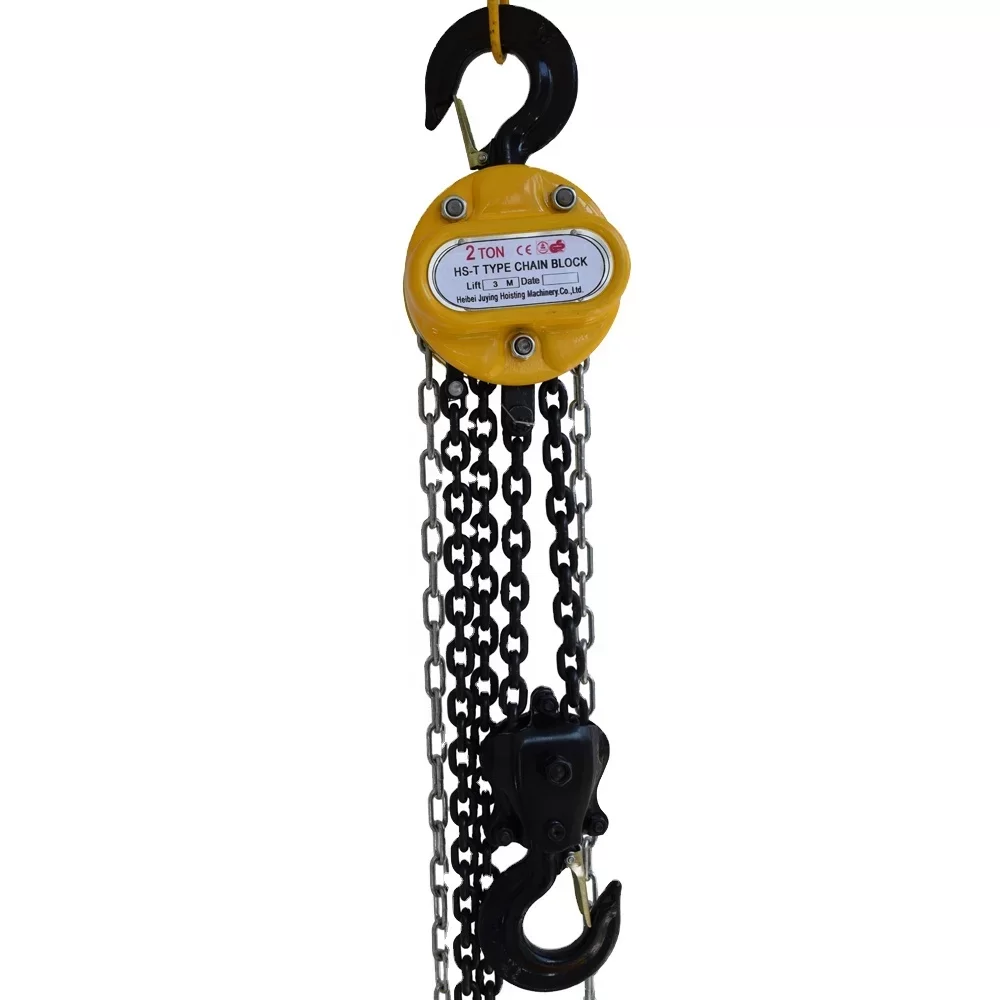
New Zealand’s manufacturing sector, while relatively small, plays a crucial role in the national economy. The industry is characterized by a focus on high-value, niche products, particularly in agriculture, food processing, and specialized engineering. This necessitates reliable and efficient material handling solutions. The dispersed geographical nature of many manufacturing facilities across both the North and South Islands presents logistical challenges, increasing the need for robust and locally supported manual chain block systems.

The New Zealand environment also presents specific considerations. Coastal regions experience high humidity and salt spray, demanding corrosion-resistant materials in block chain and load chain equipment. Furthermore, stringent health and safety regulations require companies to prioritize safe lifting practices and invest in certified equipment.

The demand for automated solutions is growing, driven by a need to improve productivity and reduce labor costs. However, adoption rates are tempered by the relatively smaller scale of many New Zealand businesses and the associated investment requirements. This drives a continued need for cost-effective and reliable traditional lifting solutions, alongside the increasing demand for modern, technologically advanced Binder chain systems.
Evolution of Material Handling Technology in New Zealand

A historical overview of lifting equipment advancements within the New Zealand context.

Market Development History

Historically, material handling in New Zealand relied heavily on manual labor and simple pulley systems. The mid-20th century saw the introduction of basic electric hoists, initially driven by the burgeoning agricultural processing industry. These early models were often imported from overseas and lacked the specific features needed to withstand the harsh New Zealand climate.

The 1980s and 90s witnessed a gradual shift towards more sophisticated wire rope hoists and chain hoists. Improved manufacturing techniques and increased competition led to lower prices and greater availability. The deregulation of the New Zealand economy also spurred investment in new equipment as businesses sought to improve efficiency. The initial adoption of electric trolley systems began in larger manufacturing plants.

The 21st century has seen a rapid acceleration in technological advancements. Variable speed drives, remote controls, and intelligent load monitoring systems are becoming increasingly common. The rise of Industry 4.0 and the Internet of Things (IoT) is driving the development of smart lifting solutions that can be integrated with other factory systems.

Future Development Trends

Smart Lifting Solutions

The integration of IoT sensors and data analytics will enable predictive maintenance and optimize lifting operations, reducing downtime and improving safety. Google Trends data shows a growing search volume for “smart hoist” and “remote monitoring” within the New Zealand market.

Increased Automation

Robotic lifting systems and automated guided vehicles (AGVs) will play a larger role in automating material handling processes, particularly in high-volume manufacturing facilities. Search data indicates increased interest in “automated lifting systems” among New Zealand businesses.

Sustainable Lifting Technologies

Demand for energy-efficient hoists and winches will grow as businesses seek to reduce their carbon footprint. There is growing interest in hybrid and all-electric solutions, with a focus on minimizing energy consumption and emissions.

Industry Trends and Future Outlook for New Zealand

Exploring the emerging trends shaping the future of material handling in New Zealand.

Remote Monitoring and Diagnostics
Real-time data on hoist performance allows for proactive maintenance and minimizes downtime, crucial for New Zealand’s remote operations.
Increased Focus on Safety Features
Advanced safety mechanisms, including overload protection and emergency stop systems, are becoming standard requirements due to strict NZ regulations.
Demand for Corrosion-Resistant Materials
New Zealand’s coastal climate necessitates lifting equipment built with materials that withstand salt spray and humidity.
Sustainable and Energy-Efficient Options
Growing demand for equipment that minimizes environmental impact and reduces energy consumption.

Industry Outlook

The New Zealand material handling equipment market is expected to experience moderate growth over the next 3-5 years, driven by continued investment in the manufacturing sector and increasing demand for automation. The focus will be on solutions that improve efficiency, safety, and sustainability. Strong relationships with local suppliers and responsive after-sales support will be critical for success.

The adoption of Industry 4.0 technologies and the rise of smart manufacturing will create new opportunities for equipment providers. Companies that can offer integrated solutions that seamlessly connect with other factory systems will be well-positioned to capture market share.

Local Applications of Lifting Equipment in New Zealand

Real-world examples of how our lifting solutions are used across various industries in New Zealand.

1. Dairy Processing Plants

New Zealand’s dairy industry relies heavily on efficient material handling to move milk powders, packaged products, and heavy machinery. Electric hoists are extensively used for lifting and positioning equipment during maintenance and cleaning.

2. Orchard and Vineyard Operations

In the horticulture sector, chain hoist electric are employed for lifting crates of fruit and managing equipment in packing sheds. The need for corrosion resistance is particularly important in these environments.

3. Manufacturing and Engineering Workshops

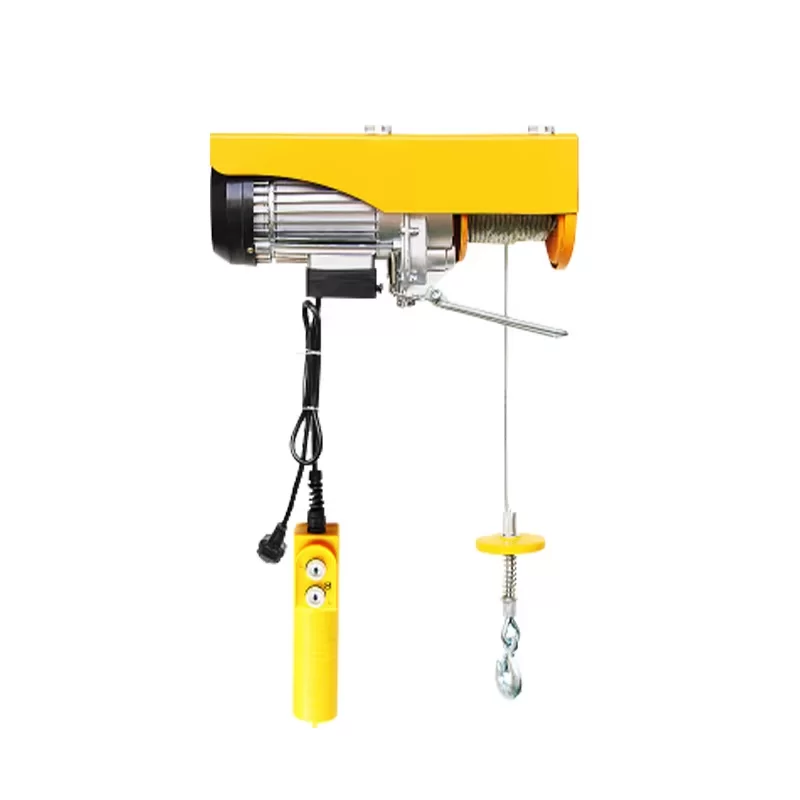
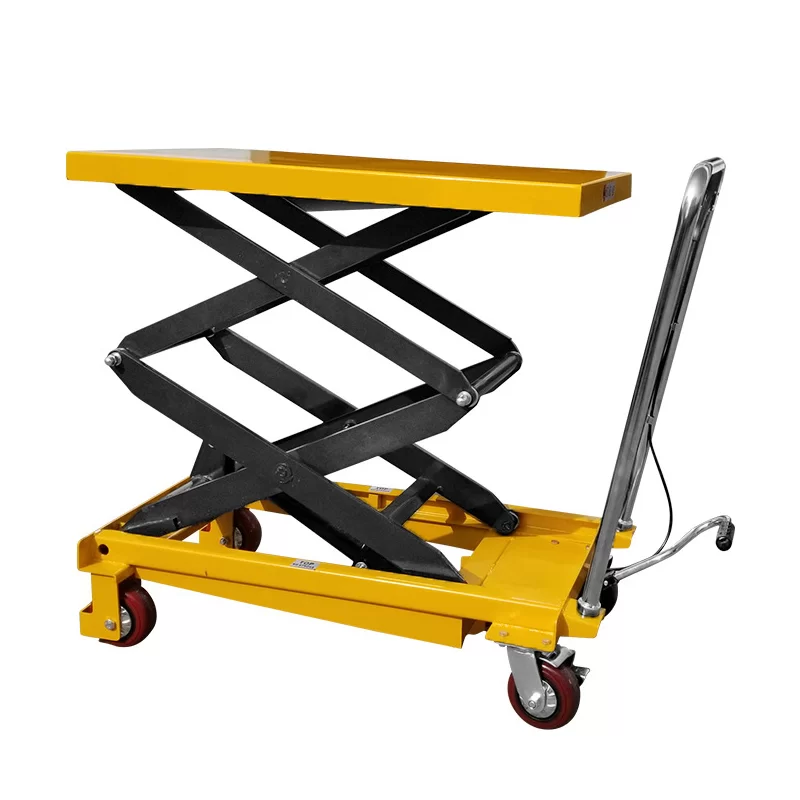
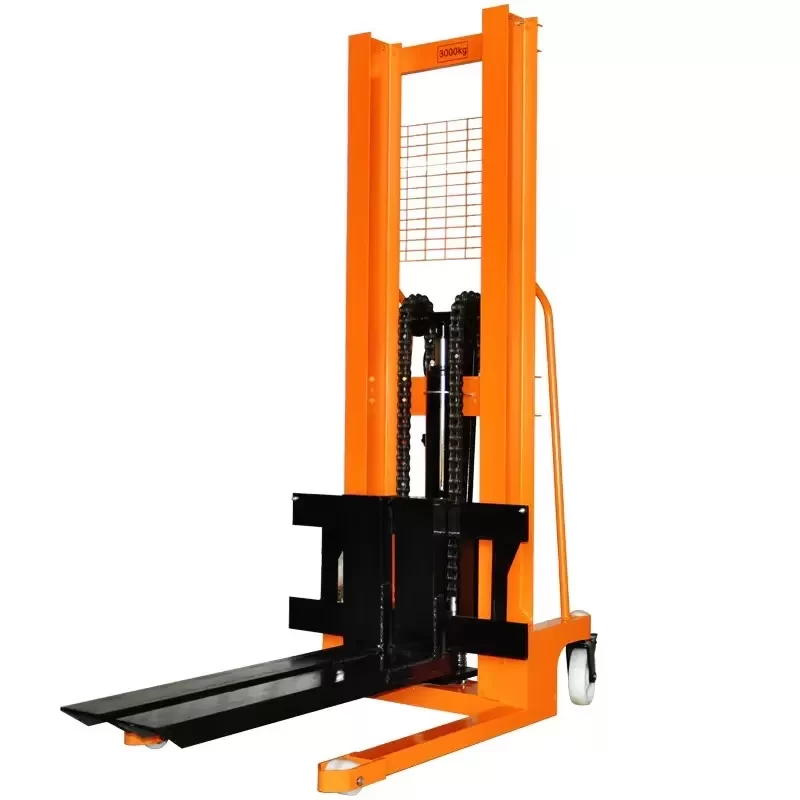
Engineering workshops and manufacturing facilities use a wide range of lifting equipment, from wire rope hoist to electric winch, for handling heavy components and machinery. Precise lifting control and safety are paramount.

4. Construction Sites

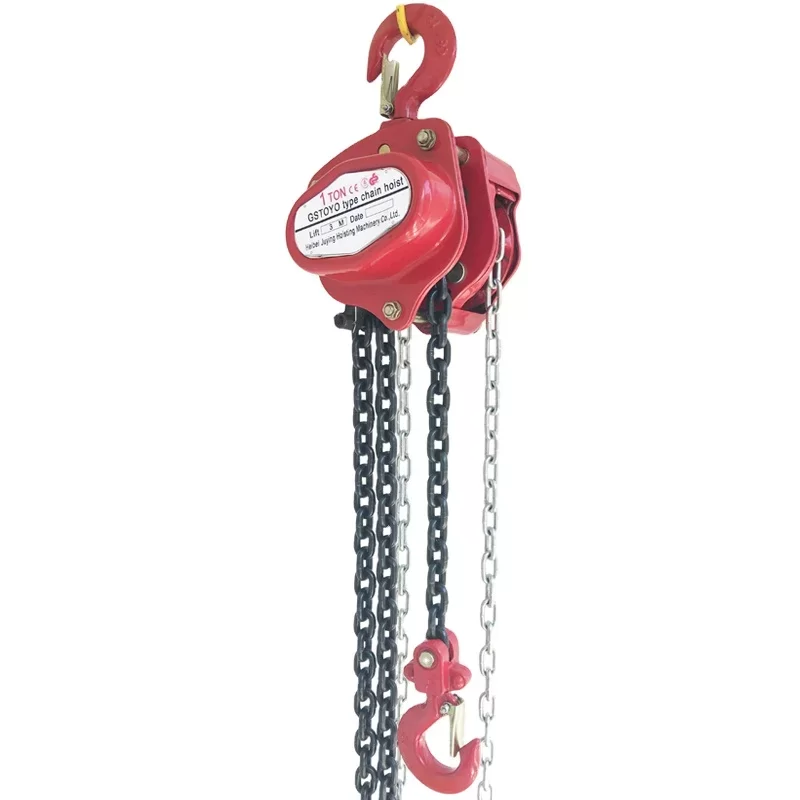
Construction sites across New Zealand utilize manual chain block for lifting building materials and tools. Durability and reliability are critical in these demanding environments.

Brand Story

Hebei Juying Hoist Machinery Manufacturing Co., Ltd.’s global development journey

Foundation and Commitment to Quality

Established in 2008, Hebei Juying Hoist Machinery Manufacturing Co., Ltd. began with a vision to provide reliable and durable lifting solutions to industries worldwide.

Expansion and Innovation

Over the years, we’ve expanded our product line and invested in cutting-edge technology to meet the evolving needs of our customers.

Global Reach

We now serve customers in over 50 countries, providing solutions for a wide range of industries, including manufacturing, construction, and logistics.

Focus on New Zealand

We are committed to providing the New Zealand market with high-quality, locally supported lifting solutions that meet the unique needs of the region.

Our Mission

To empower New Zealand businesses with safe, reliable, and efficient material handling equipment, enabling them to achieve their operational goals.

Frequently Asked Questions - New Zealand

Answers to common questions about our lifting equipment and services in New Zealand.

What safety standards do your electric hoists meet in New Zealand?

All our electric hoist are designed and manufactured to meet or exceed relevant New Zealand safety standards, including AS/NZS 2550, and are certified for use in demanding industrial environments.

Do you offer on-site maintenance and repair services for wire rope hoists in New Zealand?

We have a network of qualified technicians across New Zealand who can provide on-site maintenance, repair, and inspection services for all our wire rope hoist.

What is the lead time for delivery of an Electric trolley to New Zealand?

Typical lead times for delivery of an Electric trolley to New Zealand are 4-6 weeks, depending on stock availability and customization requirements.

Can you provide chain hoist electric systems with variable speed control?

Yes, we offer a range of chain hoist electric systems with variable speed control, allowing for precise and efficient lifting operations.

What are the corrosion protection options available for electric winches used in coastal areas of New Zealand?

We offer several corrosion protection options for our electric winch, including epoxy coating, stainless steel components, and specialized marine-grade finishes, suitable for harsh coastal environments.

Do you provide load testing and certification for manual chain blocks in New Zealand?

Yes, we can arrange for load testing and certification of your manual chain block to ensure compliance with New Zealand safety regulations.

Get in Touch with Our New Zealand Team

We are dedicated to serving businesses across New Zealand with top-quality lifting solutions. Contact us today to discuss your specific needs.

Contact Us Now

If you are interested in our products, you can choose to leave your information here, and we will be in touch with you shortly.