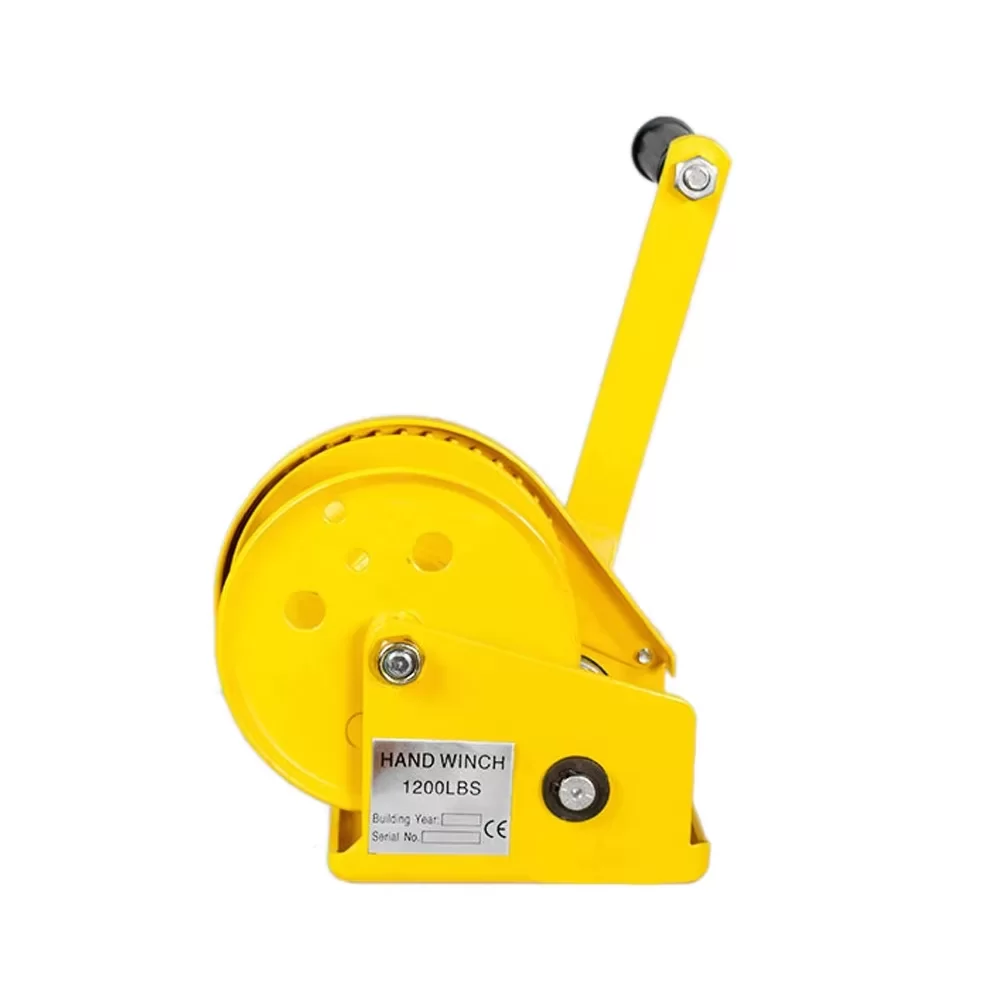
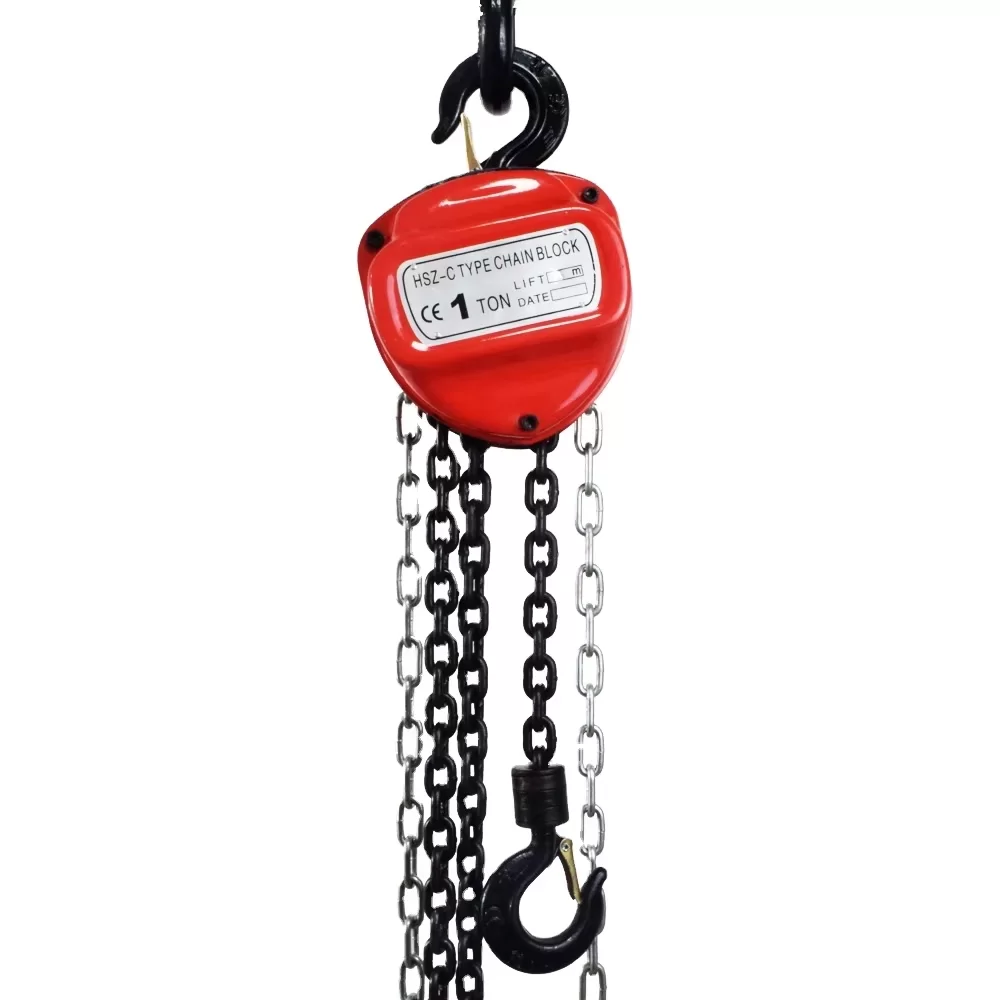
Uganda's Premier Electric Winch Solutions: Enhancing Material Handling Efficiency

Providing robust and reliable lifting solutions for Uganda's growing industrial sector.

The Current Landscape of Material Handling in Uganda

Analyzing the challenges and opportunities for lifting equipment in the Ugandan manufacturing sector.

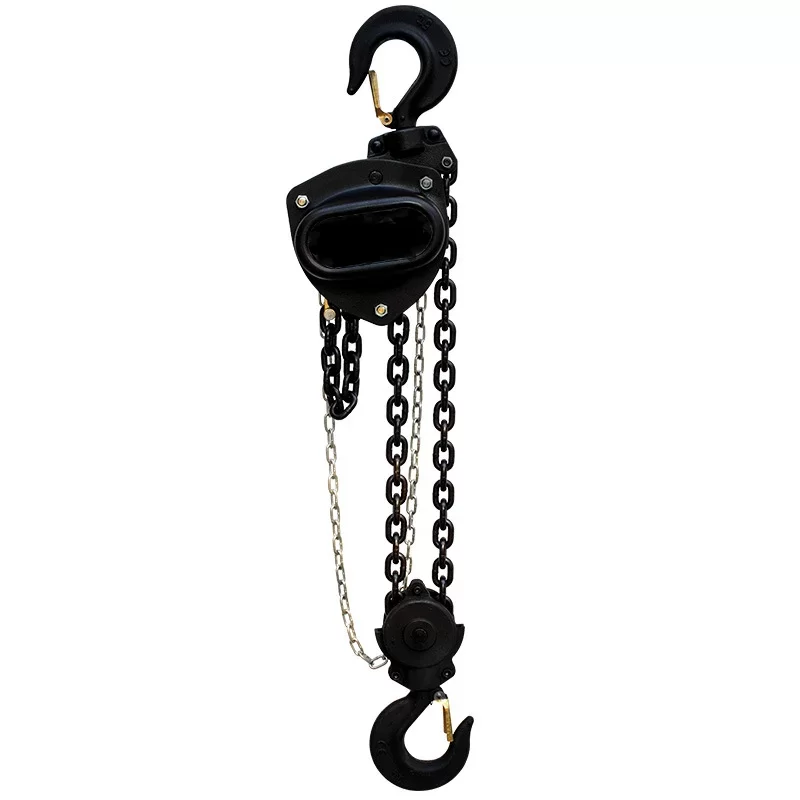
Uganda's manufacturing sector is experiencing significant growth, particularly in agriculture processing, construction, and light industry. This growth, however, is coupled with challenges in efficient material handling. Many businesses rely on manual labor for lifting and moving materials, leading to slower production rates, increased safety risks, and higher operational costs. The demand for reliable manual chain block and powered lifting solutions is therefore steadily increasing.

The geographic and climatic conditions of Uganda also play a role. The varied terrain and tropical climate necessitate robust equipment capable of withstanding harsh weather and challenging environments. Dust, humidity, and occasional extreme temperatures require durable components and protective coatings to ensure longevity and consistent performance. Access to quality maintenance and spare parts is another critical factor affecting the lifecycle of load chain and hoist systems.

Furthermore, the availability of skilled technicians and the awareness of modern lifting technologies are relatively limited. Many businesses are unfamiliar with the benefits of investing in advanced lifting solutions, leading to a preference for lower-cost, often less efficient, alternatives. Bridging this knowledge gap is vital for fostering widespread adoption of safer and more productive material handling practices. The utilization of Binder chain is becoming increasingly important for secure load handling.
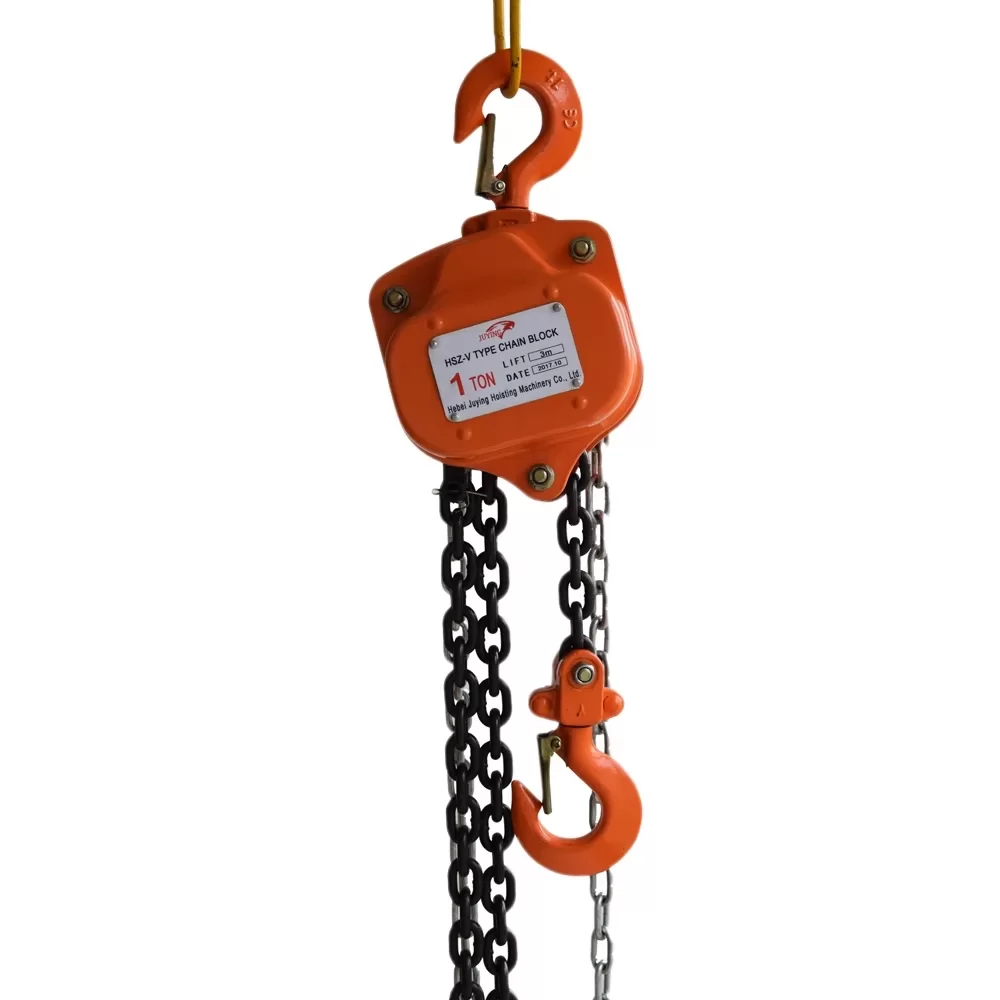

Evolution of Lifting Technology in Uganda

Tracing the development from traditional methods to modern electric lifting solutions.

Market Development History

Historically, material handling in Uganda relied heavily on manual labor and rudimentary pulley systems. Prior to the 1990s, the industrial sector was limited, and the need for specialized lifting equipment was minimal. The introduction of basic chain blocks and hand-operated hoists marked the first step towards mechanization.

The early 2000s saw the gradual introduction of electric hoists and winches, primarily driven by the growth of construction and manufacturing. However, these early models were often imported from overseas and lacked localized support and maintenance. The quality and reliability of these initial offerings were inconsistent, leading to frequent breakdowns and high maintenance costs.

In the last decade, the market has matured with the emergence of local distributors and manufacturers offering a wider range of electric lifting solutions. Increased competition has driven down prices and improved quality. The adoption of advanced technologies, such as variable speed drives and remote controls, is becoming increasingly common, reflecting a growing demand for efficiency and safety.

Future Development Trends

Smart Hoisting Systems & IoT Integration

The integration of Internet of Things (IoT) sensors and smart controls will revolutionize lifting operations. Real-time monitoring of load weight, hoist usage, and equipment health will enable predictive maintenance and optimize performance. Google Trends data indicates a rising search volume for "smart hoist" and "remote monitoring" in similar African markets.

Energy Efficiency & Sustainable Lifting

Driven by global sustainability concerns, there's a growing demand for energy-efficient lifting solutions. Variable frequency drives (VFDs) and regenerative braking systems will become standard features, reducing energy consumption and lowering operating costs.

Increased Automation & Robotic Integration

As Ugandan manufacturers embrace automation, there will be a need for lifting solutions that can seamlessly integrate with robotic systems. Precision lifting and automated load handling will become crucial for optimizing production processes. A search for "automated lifting systems" in neighboring East African countries indicates a burgeoning interest.

Industry Trends and Future Outlook for Uganda

Analyzing the direction of the material handling equipment market in Uganda.

Growing Construction Sector
Uganda's booming construction industry will drive demand for robust and versatile electric winch and hoist solutions for lifting building materials and equipment.
Agricultural Processing Expansion
The growth of agro-processing industries will require reliable lifting equipment for handling raw materials, finished products, and machinery.
Increased Demand for Safety
Growing awareness of workplace safety standards will drive demand for certified and reliable lifting equipment.
Focus on Cost-Effectiveness
Businesses will seek lifting solutions that offer a balance between performance, reliability, and affordability.

Industry Outlook

The Ugandan material handling equipment market is poised for continued growth in the coming years. The key to success will be offering solutions that are tailored to the specific needs of the local market, providing reliable after-sales support, and emphasizing safety and efficiency.

Companies that can establish strong relationships with local businesses and provide customized lifting solutions will be well-positioned to capitalize on the opportunities presented by Uganda's growing economy.

Local Application Scenarios in Uganda

Real-world examples of how lifting equipment is utilized across various industries in Uganda.

1. Coffee Bean Processing Plants

Uganda is a major coffee producer. Lifting equipment, like chain hoist electric, is essential for lifting bags of coffee beans during processing, storage, and loading onto transport vehicles. Ensuring the safe and efficient handling of coffee beans is critical for maintaining product quality and minimizing losses.

2. Construction Sites in Kampala

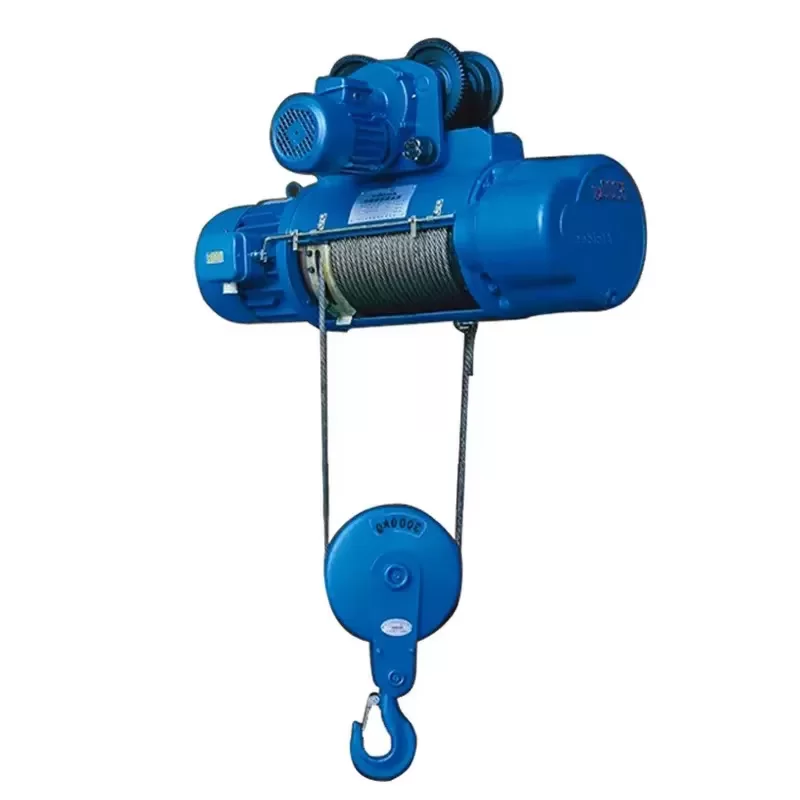
The rapid urbanization of Kampala and other cities has led to a surge in construction activity. Electric trolley and wire rope hoist are used extensively for lifting building materials, such as concrete blocks, steel beams, and prefabricated components.

3. Sugar Factories in the Western Region

Sugar cane processing plants require robust lifting solutions for handling heavy machinery, equipment, and sugar bags. electric hoist systems are used for routine maintenance, repairs, and material transport within the factory premises.

4. Fish Processing Plants on Lake Victoria

The fishing industry around Lake Victoria relies on lifting equipment to handle crates of fish, ice, and other supplies. Durable and corrosion-resistant electric winch are vital in this environment.

Brand Story

Hebei Juying Hoist Machinery Manufacturing Co., Ltd.'s global development journey.

Foundation and Commitment to Quality

Founded in 2008, Hebei Juying Hoist Machinery Manufacturing Co., Ltd. began with a single vision: to deliver exceptional lifting solutions built to last. We prioritize robust design and rigorous quality control in every product.

Expanding Global Reach

Over the past decade, we’ve expanded our reach to serve customers across diverse industries worldwide, building a reputation for reliability and performance.

Innovation in Lifting Technology

We continually invest in research and development, incorporating the latest technologies to enhance the safety, efficiency, and sustainability of our lifting solutions.

Customer-Centric Approach

We are committed to understanding our customers’ unique needs and providing tailored solutions that deliver exceptional value.

Empowering Ugandan Industries

Our mission is to empower Ugandan industries with safe, reliable, and cost-effective lifting solutions, contributing to economic growth and improved workplace safety.

Frequently Asked Questions: Lifting Solutions in Uganda

Addressing common inquiries about electric hoists and lifting equipment in the Ugandan market.

What is the recommended lifting capacity for a coffee bean processing plant in Uganda?

The recommended lifting capacity depends on the size of the bags and the frequency of lifting. Generally, a chain hoist electric with a capacity of 1-5 tons is suitable for most coffee bean processing applications.

What safety features should I look for in an electric hoist for a construction site?

Essential safety features include overload protection, emergency stop buttons, and a robust braking system. Ensure the hoist is certified to meet relevant safety standards.

How do I maintain an electric hoist in a dusty environment like Uganda?

Regular cleaning and lubrication are crucial. Use dust covers to protect sensitive components and inspect the hoist frequently for wear and tear.

What is the difference between a wire rope hoist and a chain hoist?

Wire rope hoists are generally more suitable for heavier loads and longer lifts, while chain hoists are more compact and ideal for applications requiring precise positioning.

What is the expected lifespan of an electric winch used in fish processing?

With proper maintenance and corrosion protection, an electric winch used in a fish processing environment can have a lifespan of 5-10 years or more.

What voltage requirements do I need to consider when purchasing an electric hoist for Uganda?

Uganda typically operates on 240V/50Hz. Ensure the electric hoist you select is compatible with this voltage.

Get in Touch for Your Lifting Needs in Uganda

We are dedicated to providing innovative and reliable lifting solutions tailored to the industries in Uganda. Contact us today to discuss your specific requirements!

Contact Us Now

If you are interested in our products, you can choose to leave your information here, and we will be in touch with you shortly.