Industrial 500kg electric hoist for efficient material lifting

  • Home
  • Top Blog
  • Industrial 500kg electric hoist for efficient material lifting
0%

Table of Contents

In the modern industrial landscape, the efficiency of material handling often dictates the overall productivity of a facility. A 500kg electric hoist serves as a critical bridge between manual labor and heavy-duty industrial cranes, providing a precise, safe, and powered solution for lifting mid-range loads. By automating the vertical movement of materials, businesses can significantly reduce workplace injuries and optimize their operational flow.

Globally, the demand for compact lifting solutions has surged as urban warehouses and small-scale manufacturing shops seek to maximize their vertical space. The versatility of a 500kg electric hoist allows it to be integrated into various environments, from automotive garages to specialized laboratories, ensuring that heavy components are moved with minimal effort. This shift toward electrification in lifting equipment reflects a broader industrial trend of prioritizing ergonomic safety and operational speed.

Understanding the technical nuances of a 500kg electric hoist—ranging from its motor duty cycle to its braking mechanisms—is essential for any procurement manager or workshop owner. Choosing the right equipment not only ensures compliance with international safety standards like ISO but also guarantees a long-term return on investment through reduced downtime. This comprehensive guide explores the global context, technical components, and future innovations of these essential lifting tools.
500kg electric hoist

Global Industrial Relevance of 500kg Electric Hoists

500kg electric hoist

The global adoption of the 500kg electric hoist is closely tied to the rise of "lean manufacturing" and the proliferation of Small and Medium Enterprises (SMEs). In regions like Southeast Asia and Europe, where workshop space is at a premium, these hoists provide a high power-to-size ratio, allowing for efficient lifting without the need for massive permanent infrastructure.

Furthermore, international safety benchmarks set by organizations such as ISO and OSHA have pushed industries away from manual chain blocks toward electric solutions. The transition to a 500kg electric hoist minimizes the risk of musculoskeletal disorders among workers, addressing a global health challenge in the manufacturing sector while simultaneously increasing the speed of assembly lines.

Core Components and Technical Design

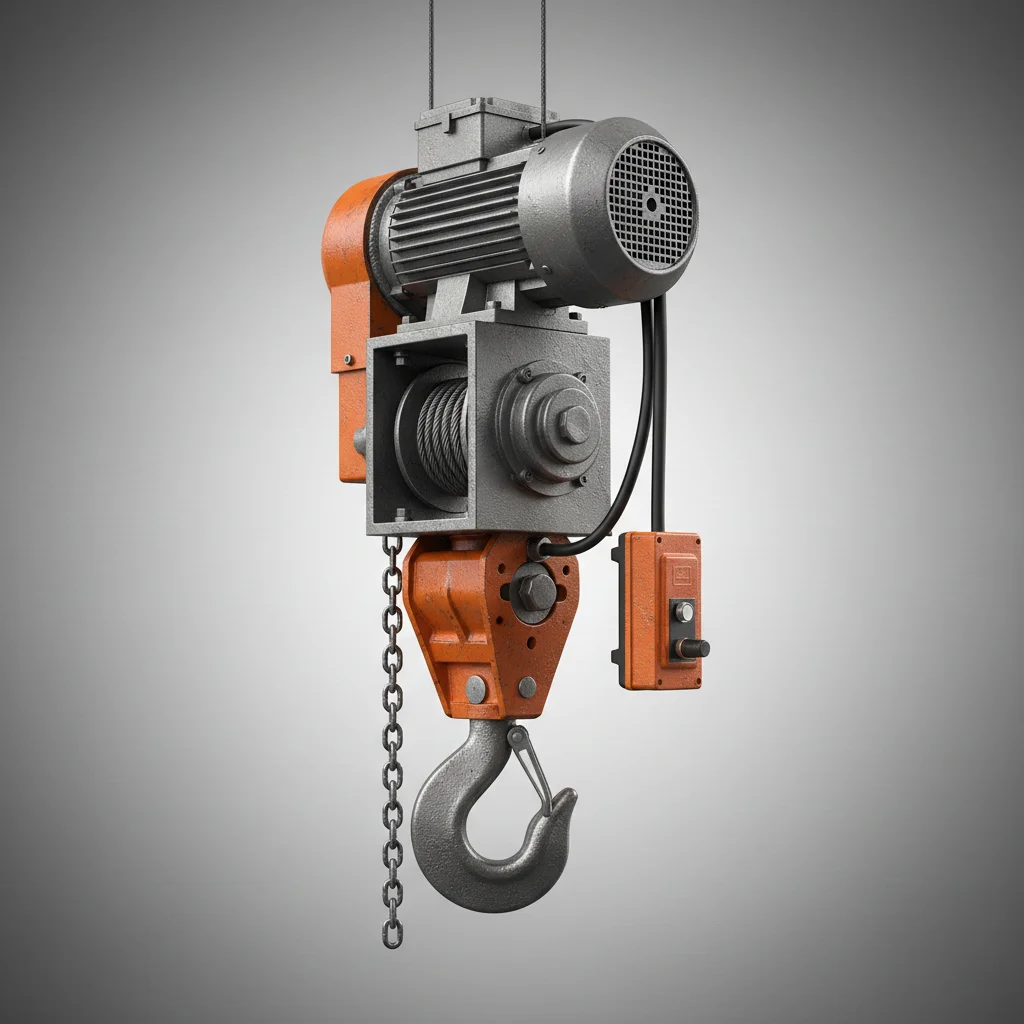
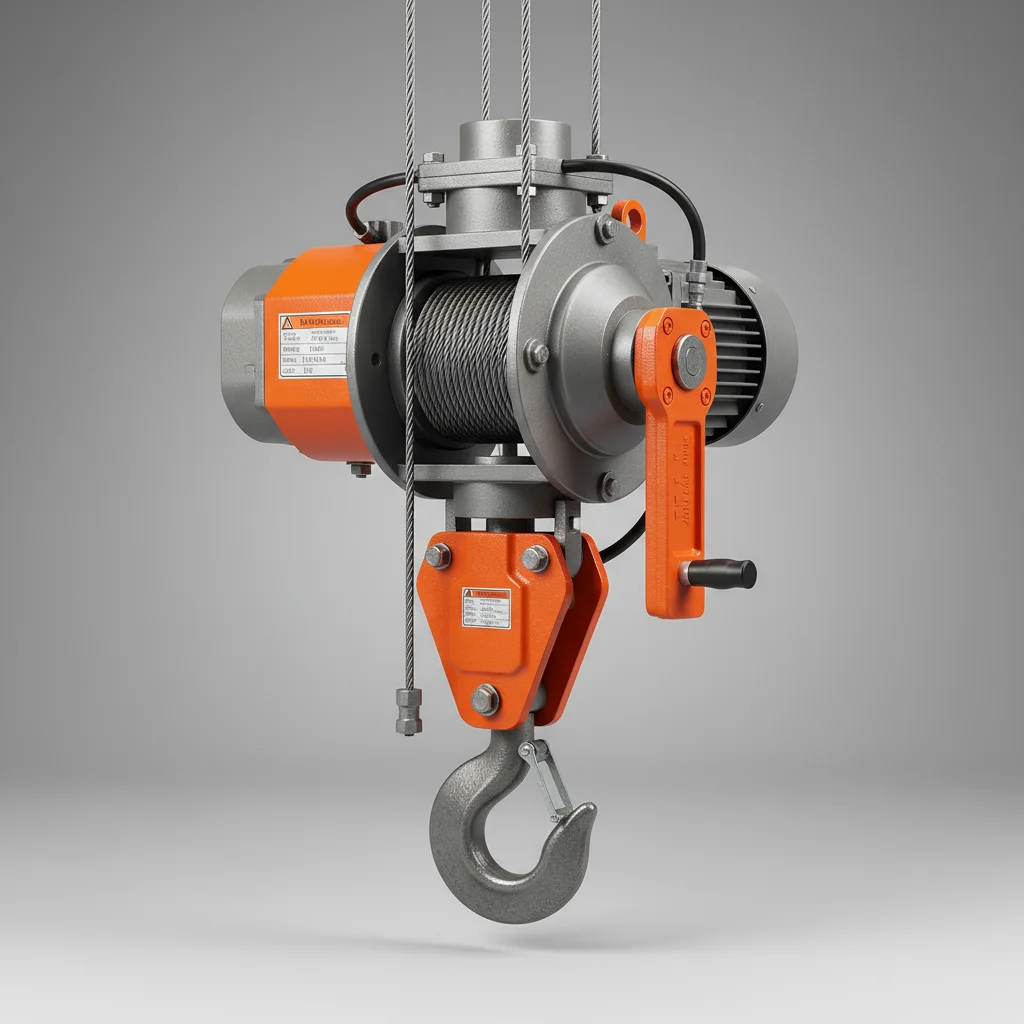
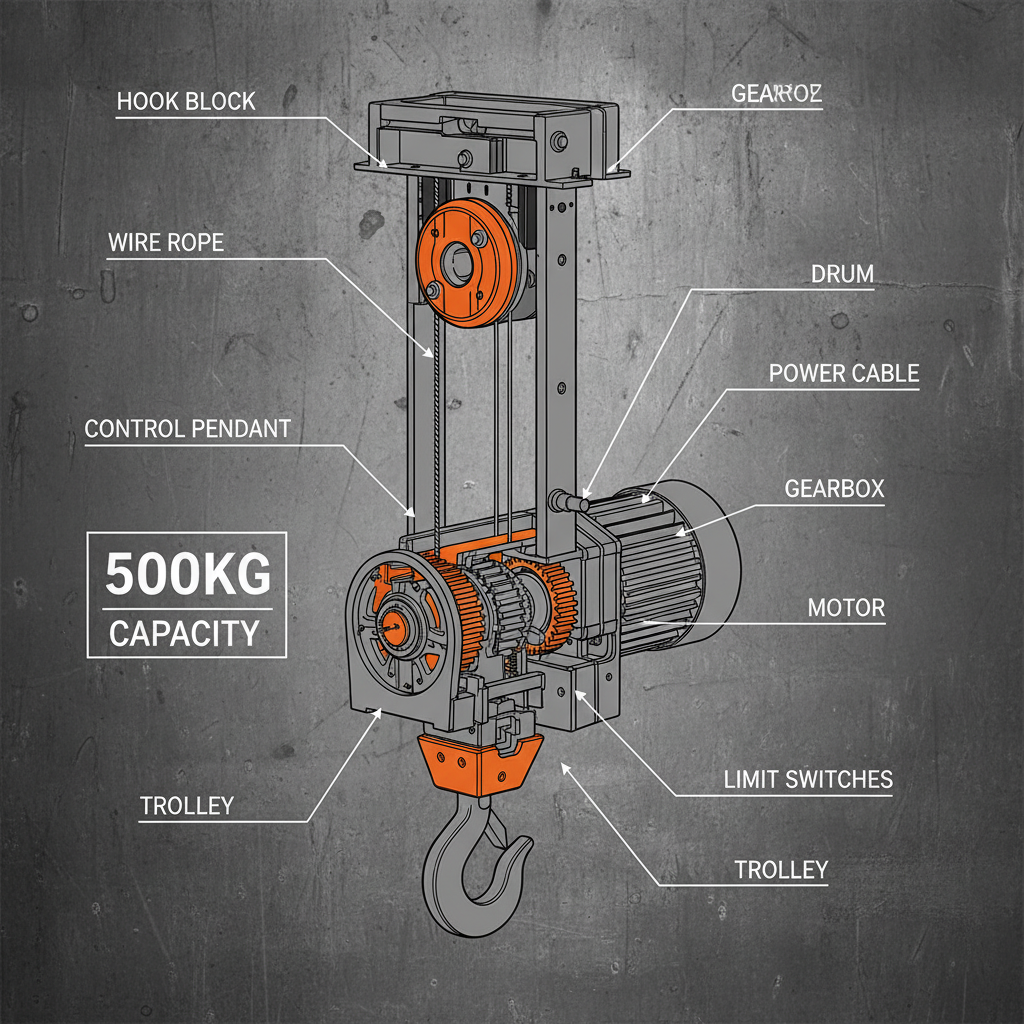
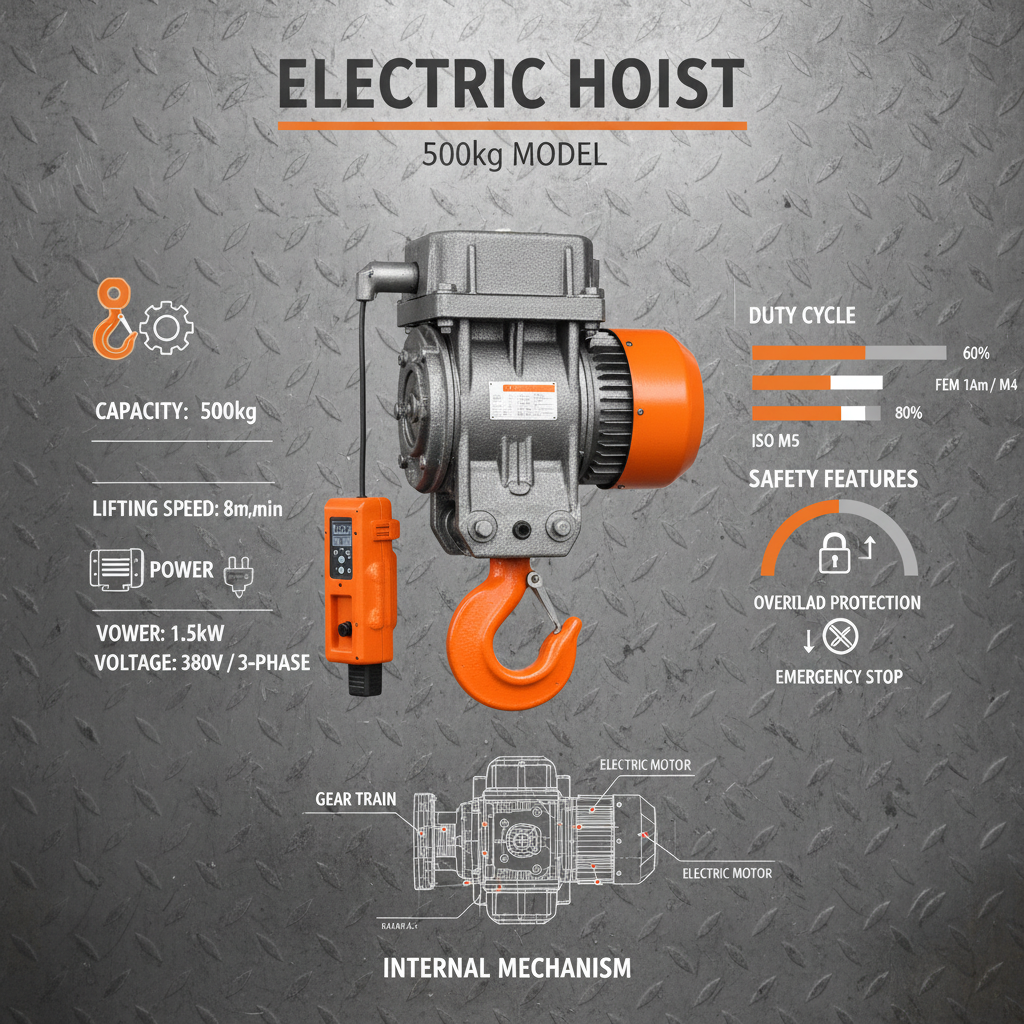
At the heart of every 500kg electric hoist is a high-torque electric motor paired with a precision gear reducer. This combination ensures that the hoist can lift its rated capacity smoothly and consistently, regardless of the load's height. The motor is typically encased in a heat-dissipating housing to prevent overheating during continuous duty cycles, which is critical for high-intensity environments.

The lifting medium—whether it be a high-tensile steel wire rope or a reinforced alloy chain—is designed to exceed the 500kg rating to provide a safety factor. Electromagnetic brakes are integrated into the drive system, ensuring that the load is locked securely in place the moment power is cut, preventing accidental drops that could lead to catastrophic equipment failure or injury.

Control systems have also evolved, moving from simple hard-wired pendants to wireless remote controls. This evolution allows operators to maintain a safe distance from the load while managing the 500kg electric hoist with precision, significantly reducing the likelihood of accidents in crowded industrial zones.

Key Factors for Operational Efficiency

Durability is the primary metric for any 500kg electric hoist. The use of wear-resistant materials in the load chain and high-grade steel in the hooks ensures that the equipment can withstand thousands of lifting cycles without significant degradation of performance.

Cost efficiency is achieved not just through the initial purchase price, but through low maintenance requirements. A well-designed 500kg electric hoist utilizes sealed bearings and lubricated gearboxes, reducing the frequency of manual interventions and ensuring that the total cost of ownership remains low over a ten-year lifespan.

Scalability and versatility allow these hoists to be adapted to various mounting configurations. Whether installed on a fixed beam, a portable gantry, or a jib crane, the 500kg electric hoist can be repositioned to meet changing production needs, making it an agile asset for growing businesses.

Performance Comparison of Lifting Methods

When comparing different lifting technologies, the electric hoist consistently outperforms manual alternatives in terms of speed and operator fatigue. While manual chain blocks are useful for occasional use, the 500kg electric hoist allows for rapid repetition and precise positioning, which is indispensable in assembly line settings.

The following data highlights how various configurations of 500kg lifting solutions score across key industrial metrics, demonstrating the superiority of motorized systems in modern workflows.

Efficiency Rating of 500kg Lifting Solutions

Global Applications and Diverse Use Cases

In the automotive sector, the 500kg electric hoist is frequently used for engine removals and transmission swaps. The ability to lift precisely and hold a load securely allows mechanics to work underneath vehicles with confidence, transforming a dangerous manual task into a streamlined professional process.

Beyond the garage, these hoists are vital in remote industrial zones and post-disaster relief operations. In areas where heavy infrastructure is unavailable, portable 500kg electric hoists can be deployed to move essential supplies, generators, or structural components, providing a critical lifeline for rebuilding efforts and emergency logistics.

Long-Term Value and Safety Advantages

The long-term value of investing in a high-quality 500kg electric hoist extends far beyond simple labor reduction. From a logical perspective, it reduces the "cost of error"—the financial loss associated with dropped loads or worker injuries. From an emotional perspective, it fosters a culture of safety and dignity in the workplace, as employees no longer have to struggle with physically exhausting tasks.

Reliability is the cornerstone of industrial trust. When a hoist operates consistently without failure, it allows production managers to schedule their workflows with precision. The integration of overload protection sensors in modern 500kg electric hoists prevents the machine from attempting to lift beyond its capacity, providing an automated safeguard that protects both the machine and the personnel.

Furthermore, the sustainability aspect of electric lifting cannot be ignored. By replacing inefficient manual systems or fuel-powered alternatives with energy-efficient electric motors, companies can reduce their carbon footprint while maintaining high productivity levels.

Future Trends in Electric Lifting Technology

The future of the 500kg electric hoist is being shaped by the "Industry 4.0" revolution. We are seeing the integration of IoT (Internet of Things) sensors that can monitor the health of the hoist in real-time, predicting when a chain needs lubrication or a brake pad needs replacing before a failure occurs.

Green energy integration is another major trend. Future hoists are likely to incorporate regenerative braking systems, which capture the energy generated when lowering a load and feed it back into the power grid or a battery. This shift toward energy-positive equipment will make the 500kg electric hoist even more attractive to eco-conscious corporations.

Additionally, the move toward full automation means that these hoists will soon be integrated into robotic cells. A 500kg electric hoist controlled by an AI-driven PLC (Programmable Logic Controller) can handle complex loading and unloading sequences without human intervention, paving the way for fully autonomous micro-factories.

Comprehensive Technical Analysis of 500kg Electric Hoist Variants

Hoist Model Type Lifting Speed (m/min) Duty Cycle (S3) Reliability Score (1-10)
Standard Chain Hoist 4-8 m/min 20% 8
Heavy Duty Electric 6-12 m/min 40% 9
Compact Mini Hoist 3-6 m/min 15% 7
Wireless Control Mod 8 m/min 25% 9
Variable Speed Drive 1-10 m/min 30% 10
Wire Rope Variant 10-15 m/min 35% 8

FAQS

Can a 500kg electric hoist be used for continuous lifting?

Most 500kg electric hoists are rated for a specific "duty cycle" (e.g., S3 20%). This means they are designed for intermittent use. Using them continuously without breaks can lead to motor overheating. For high-frequency applications, it is recommended to choose a heavy-duty model with a higher duty rating or a variable speed drive to manage heat more effectively.

How do I maintain my 500kg electric hoist for maximum lifespan?

Regular maintenance is key. You should inspect the lifting chain or wire rope for wear or kinks every month, lubricate the drive chain according to the manufacturer's specs, and test the electromagnetic brake daily before operation. Ensuring the hoist is not operated at its absolute maximum capacity consistently will also significantly extend the life of the gears.

Is a wireless controller safer than a wired pendant?

Yes, in many scenarios. A wireless controller for a 500kg electric hoist allows the operator to stand in the safest possible position, away from the load's "fall zone" and potential pinch points. This provides a better vantage point for guiding the load and ensures that the operator can quickly move to safety if an emergency occurs.

What happens if I accidentally exceed the 500kg limit?

Modern, high-quality hoists are equipped with an overload protection device (slip clutch or electronic sensor) that will stop the motor if the load exceeds the rated capacity. However, repeatedly attempting to lift overweight loads can stress the structural components and degrade the brake, so it is critical to always weigh your load before lifting.

Can I install a 500kg electric hoist on a portable gantry?

Absolutely. One of the greatest advantages of the 500kg electric hoist is its portability. As long as the gantry crane is rated for at least 500kg (plus the weight of the hoist itself), it can be easily mounted to the trolley. This setup is ideal for workshops that need flexible lifting points in different areas.

Which is better for 500kg: a chain hoist or a wire rope hoist?

Chain hoists are generally better for precision, durability in harsh environments, and compact installation. Wire rope hoists typically offer higher lifting speeds and are often preferred for lighter, faster movements. For a 500kg capacity, chain hoists are the industry standard due to their stability and easier maintenance.

Conclusion

The 500kg electric hoist represents a perfect intersection of power, safety, and efficiency. By replacing arduous manual lifting with precise electrical automation, businesses can protect their most valuable asset—their workers—while simultaneously boosting their operational throughput. From the core engineering of high-torque motors to the integration of IoT-driven predictive maintenance, these tools are fundamental to the modernization of the global manufacturing and logistics sectors.

As we look toward the future, the continued evolution of green energy and autonomous control will further enhance the utility of electric lifting equipment. We suggest that facility managers prioritize hoists with high duty cycles and wireless capabilities to future-proof their operations. Embracing these innovations is not just about increasing speed; it is about building a safer, more sustainable, and more professional industrial environment. Visit our website: www.juyinghoist.com

Richard Miller

Richard Miller

Richard Miller is a seasoned Sales Engineer at GSTOYO, bringing over 18 years of experience in the hoisting and lifting industry to the US market. He specializes in understanding complex client needs and recommending tailored solutions from GSTOYO’s extensive product line, including electric chain hoists and wire rope hoists. Richard
Previous Precision Engineered Electric Hoist 220V Systems
Next Industrial Grade Wire Rope Electric Hoist

If you are interested in our products, you can choose to leave your information here, and we will be in touch with you shortly.