
Local operators face unique environmental and logistical constraints that impact the reliability of material handling equipment.
High particulate matter in arid regions causes premature wear on gear systems and chain links, leading to frequent breakdowns in standard electric hoist models.
Inconsistent power grids can lead to motor burnout or erratic operation of an electric hoist, risking load instability and safety.
Reliance on fragmented supply chains means a broken load chain or binder chain can halt production for weeks due to lack of local availability.
Heavy reliance on outdated manual chain blocks in warehouses increases operator fatigue and slows down the throughput of material movement.
Lack of certified lifting tools often leads to operational risks, as unverified equipment fails to meet international safety standards like CE or TUV.
Extreme temperature fluctuations in Afghan highlands affect the lubrication viscosity of wire rope hoists, increasing friction and energy consumption.
We replace fragility with durability through advanced materials and certified manufacturing processes.
Our hoists feature reinforced sealing on motor housings and gearboxes, preventing abrasive dust from entering critical components and extending service life.
Implementation of high-torque motors and compatible control circuits ensures that the electric trolley remains operational despite voltage variances.
By utilizing G80 load chain technology, we provide superior tensile strength and wear resistance, reducing the frequency of chain replacement in heavy-duty cycles.
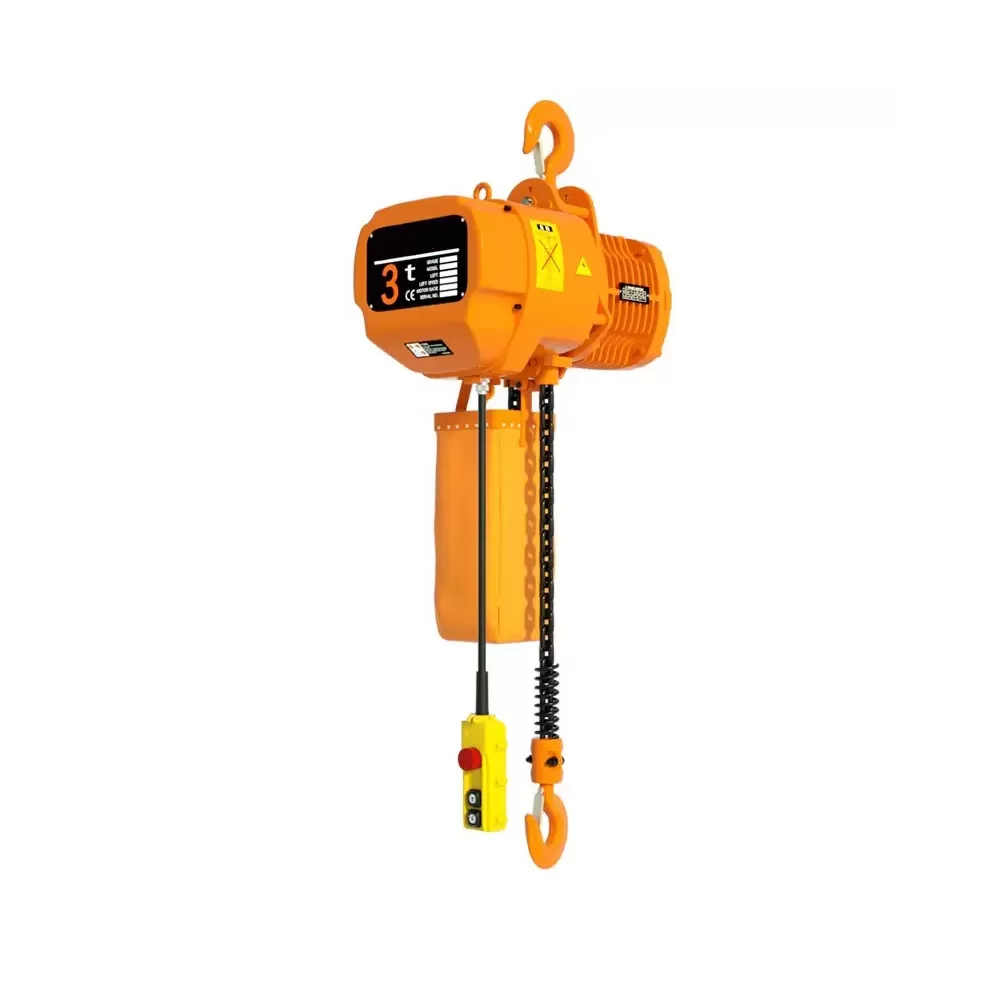
Upgrading from manual blocks to a chain hoist electric system eliminates manual strain and significantly accelerates load cycling speeds.
All GSTOYO brand products are manufactured under ISO9001 standards and certified by EU CE and Germany TUV, ensuring absolute safety compliance.
We use specialized synthetic lubricants in our wire rope hoists that maintain optimal viscosity across extreme temperature ranges found in Afghanistan.


Verified production capabilities ensuring stable supply for international markets.
Analyzing the demand for material handling in a recovering industrial landscape.
The industrial sector in Afghanistan is currently characterized by a significant need for infrastructure reconstruction and the modernization of warehouse logistics. Historically, many facilities relied on basic manual tools, but there is a visible shift toward motorized solutions. The geography, ranging from arid plains to mountainous regions, creates diverse operational requirements where equipment must withstand extreme dust and temperature swings. Consequently, the demand for rugged, high-capacity lifting tools is increasing in urban hubs like Kabul and Herat.
Current market trends show a transition from simple manual chain block usage toward integrated electric systems. This shift is driven by the need for faster turnaround times in construction and the adoption of safer handling practices to reduce workplace accidents. There is a growing preference for certified equipment that meets European standards, as local businesses seek to align their operations with international quality benchmarks to facilitate trade and partnership with global entities.
Despite the growth, the market faces constraints such as inconsistent power supply and a lack of specialized technical maintenance services. This creates a strategic opportunity for manufacturers who provide not only the hardware but also robust, low-maintenance designs. The outlook remains positive, with projected growth in the mining and assembly sectors, where high-tonnage wire rope hoist installations are becoming essential for operational viability.
From basic mechanical leverage to precision electric automation.
The transition from manual to electric lifting is not just about speed, but about precision. Electric systems allow for millimetric control of loads, which is critical for machinery installation and heavy construction in urban Afghanistan.
Moving from standard steel to alloyed G80 load chains has fundamentally changed equipment lifespan. Higher strength-to-weight ratios mean tools are safer and more durable under extreme stress.
The adoption of ISO9001 and CE certifications ensures that equipment purchased in Afghanistan is compatible with global safety audits, enhancing the trust between contractors and developers.
Emerging technologies shaping the future of material movement.
New motor designs are focusing on reducing current draw without sacrificing torque, which is critical for regions with limited power availability.
Integration of smart sensors that prevent overloading by automatically cutting power, drastically reducing the risk of structural failure during lifts.
The rise of interchangeable electric trolley components allows for faster on-site repairs and configuration changes.
Using polyester round slings in conjunction with electric hoists to provide safer, non-marring grip for delicate industrial components.
The trajectory of the lifting industry is moving toward a "zero-failure" philosophy. In the context of Afghanistan, this means developing equipment that is not only powerful but inherently resilient to environmental stressors. The integration of advanced metallurgy in load chains and the adoption of strictly regulated quality control protocols are the primary drivers of this evolution. As more projects move toward international funding, the requirement for documented safety standards will likely become the dominant procurement criterion.
Furthermore, the synergy between electric hoists and automated trolleys is redefining warehouse logistics. By reducing the manual intervention required to position heavy loads, companies can optimize their floor space and increase the speed of their supply chain. The focus is now shifting toward the total cost of ownership (TCO), where the initial investment in high-quality, certified equipment is offset by reduced downtime and lower maintenance costs over a ten-year operational cycle.
How professional lifting tools are deployed across different local sectors.
In urban reconstruction projects, wire rope hoist systems are used to move structural steel beams. Given the constrained space and high wind exposure, the use of precision electric controls ensures beams are placed with millimeter accuracy, reducing risk to ground workers.
Commercial warehouses utilize electric hoist and trolley combinations to manage inventory. By automating the lift-and-slide movement, operators can move heavy crates across the facility without the need for forklifts in narrow aisles, optimizing storage density.
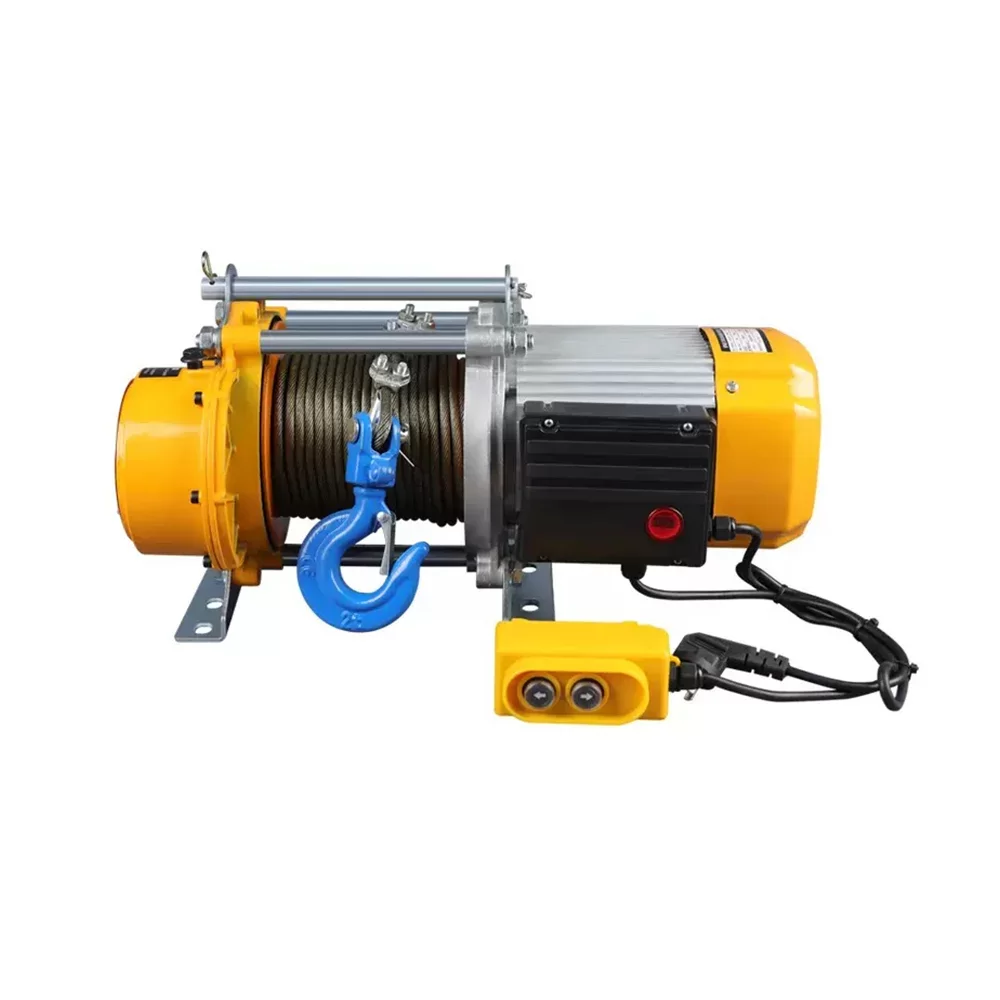
In remote mining zones, electric winch systems are deployed for the extraction and maintenance of heavy pump motors. The ruggedized design of these winches allows them to function despite constant exposure to rock dust and extreme vibration.
Small-scale assembly plants use chain hoist electric tools for precise engine positioning. The use of G80 load chains provides the necessary safety factor for lifting heavy metal castings, ensuring that equipment does not slip during assembly.
Regional depots use manual chain block systems for low-frequency, high-weight lifting of feed sacks. These tools provide a reliable, power-independent solution for rural areas where electricity is intermittent but heavy lifting is still required.
Illustrating the impact of high-quality lifting equipment in real-world settings.
In a typical construction scenario, transitioning to certified electric hoists reduced the time required for beam placement by nearly half while eliminating the safety risks associated with unverified manual lifting tools.
The deployment of G80 grade load chains in a heavy machinery workshop solved the issue of frequent chain stretching and failure, resulting in significantly lower maintenance downtime and improved worker confidence.
Integrating electric trolley systems into a regional warehouse allowed for more flexible material movement, enabling the facility to handle 30% more volume without increasing the size of the workforce.
Two decades of excellence in lifting equipment manufacturing.
Founded as a professional manufacturer of lifting equipment, Hebei Juying Hoisting Machinery began its journey with a commitment to quality and safety, launching the famous brand "GSTOYO".
Expanded production capabilities to a 40,000 square meter land area with over 100 production lines, allowing for a diverse product range from manual chain blocks to electric winches.
Achieved ISO9001 certification and successfully obtained EU CE and Germany TUV certifications, enabling the export of high-safety equipment to the US, Australia, Germany, and beyond.



Technical answers for procurement and operation in Afghanistan.
The primary difference lies in the lifting medium and application. Electric chain hoists are generally more compact and provide precise lifting for smaller to medium loads, making them ideal for assembly lines. Wire rope hoists are designed for much heavier loads and higher lifting speeds, typically used in heavy construction or large-scale warehouse environments. The choice depends on your required tonnage and the frequency of lifts.
Always calculate the maximum possible load, including the weight of the rigging gear (slings, hooks, and frames). It is recommended to select a hoist with a Working Load Limit (WLL) that is 20-25% higher than your maximum load to avoid overloading the motor and chain. Refer to the GSTOYO technical specifications for precise tonnage ratings and ensure the hoist is certified by TUV or CE for the intended weight.
Yes, our equipment is designed for rugged use. We utilize reinforced seals and high-grade lubricants that prevent dust ingress into the gearboxes and motors. However, for extreme conditions, we recommend a regular lubrication schedule for the load chain and periodic cleaning of the motor vents to ensure optimal heat dissipation and prevent premature wear of the internal components.
Proper maintenance involves daily visual inspections for nicks, gouges, or stretching. Chains should be lubricated with a high-quality industrial oil to reduce friction. If any link shows visible wear or deformation, the chain must be replaced immediately. Using G80 certified load chains significantly increases the interval between replacements, but adherence to a strict inspection regime is mandatory for safety.
The electric hoist is mounted to the trolley, which then runs along an I-beam or H-beam rail. The trolley provides the horizontal movement (bridging), while the hoist handles the vertical lift. This combination allows for 2D movement of loads across a workshop or warehouse. Ensure that the beam capacity is rated for the combined weight of the hoist, the trolley, and the maximum load to avoid structural failure.
Prioritize manufacturers with verified certifications (ISO9001, CE, TUV) and a proven track record of export. Check for the use of certified materials, such as G80 grade chains. A reliable supplier should provide clear technical data sheets, warranty terms, and a comprehensive product range that allows you to source multiple lifting tools from a single, consistent quality source to simplify maintenance and parts procurement.
Whether you are upgrading a Kabul warehouse or managing a remote industrial site, our certified GSTOYO lifting solutions provide the durability and safety your business requires. Consult with our engineering team to identify the exact hoist and trolley specifications for your specific load requirements and environmental conditions.
Discuss Your Requirements


