Industrial Lifting and Hoisting Solutions for Cameroon's Infrastructure

Providing high-performance electric hoists and material handling equipment to support the growing industrial and construction sectors across Africa - Cameroon.

Material Handling Landscape in Africa - Cameroon

Analyzing the current demand for reliable lifting machinery in the regional market.

The industrial sector in Africa - Cameroon is currently experiencing a transition toward modernized logistics. As urbanization increases in cities like Douala and Yaoundé, there is a rising demand for professional electric hoist systems to replace manual labor in warehouses and production lines, leading to higher throughput and improved workplace safety.

Local enterprises often face challenges related to equipment durability due to humid tropical climates and fluctuating power stability. This creates a critical need for robust machinery such as the wire rope hoist and high-grade load chain that can withstand intensive use without frequent breakdowns.

Customers in the region are increasingly seeking suppliers who provide certified equipment that meets international safety standards. The preference is shifting toward integrated solutions, including Electric trolley systems and heavy-duty electric winch units that offer a balance between high lifting capacity and energy efficiency.

Evolution of Lifting Technology in Cameroon

From basic manual tools to automated hoisting systems.

Developmental History

Initial Adoption Phase
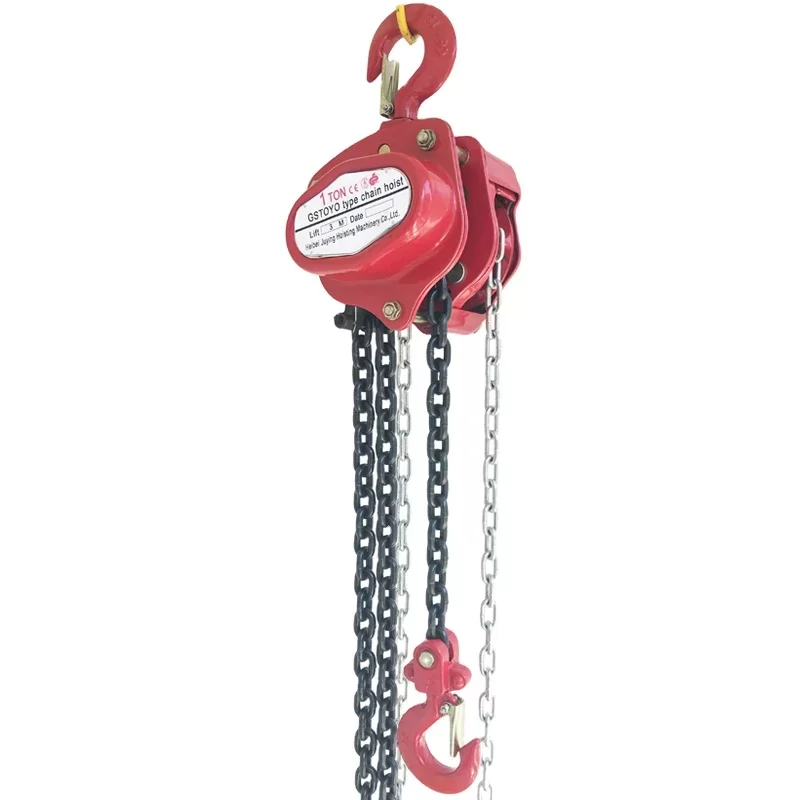
Reliance on traditional manual methods and basic manual chain block tools for small-scale workshops and local construction projects.

Industrial Expansion Phase
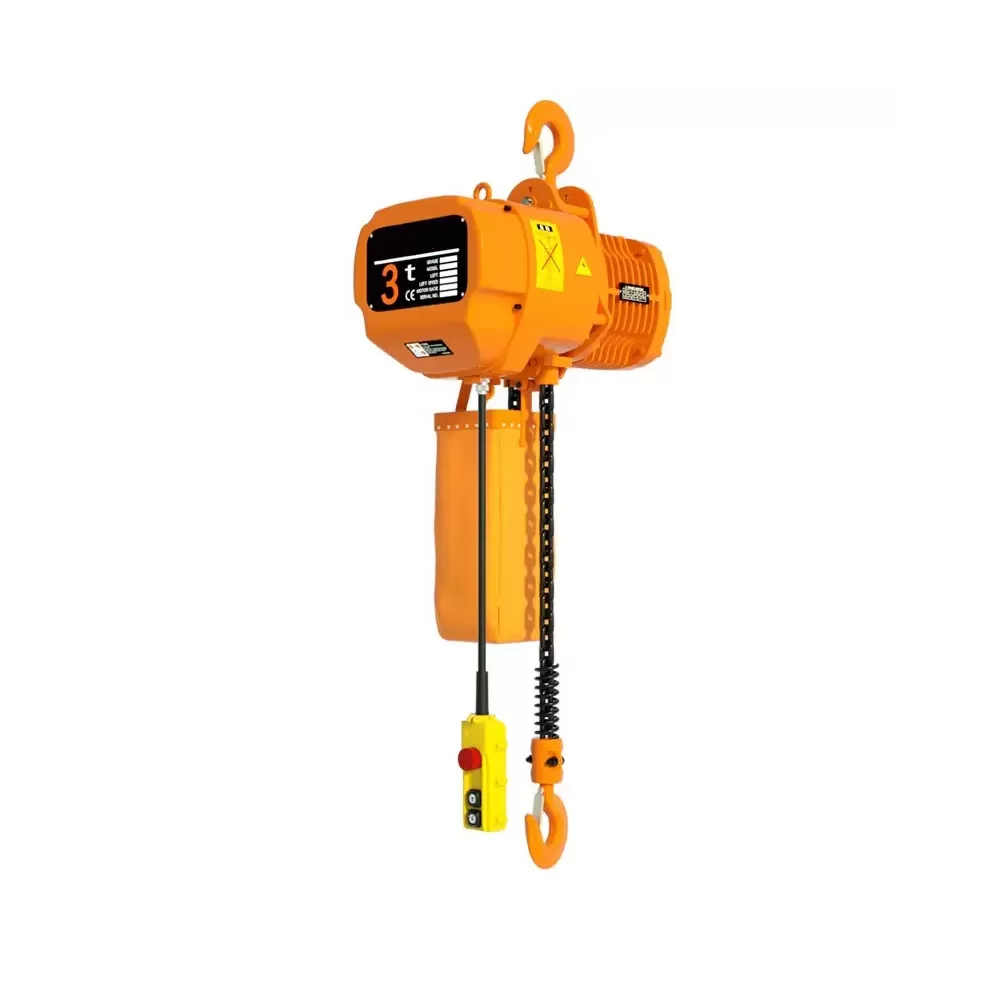
Introduction of motorized lifting equipment as manufacturing plants grew, seeing an increase in the use of chain hoist electric models to improve productivity.

Modernization Phase
Integration of high-precision machinery and the adoption of standardized safety certifications like CE and TUV to align with global industrial practices.

Future Industrial Trends

1. Energy-Efficient Lifting

Transitioning toward low-power consumption electric hoists to reduce operational costs in energy-constrained environments.

2. Increased Automation

Adopting programmable hoist controls and synchronized trolley systems to minimize human error and maximize safety.

3. Specialized Heavy-Duty Gear

Greater adoption of high-tensile Binder chain and reinforced load chains for the mining and heavy infrastructure sectors.

Global Trends Shaping Cameroon's Hoisting Market

How international innovation influences local material handling strategies.

⚡
Power Stability Adaptation
Developing machinery that operates reliably despite local voltage fluctuations.
🤖
Smart Control Integration
Moving from basic pendants to wireless remote control for safer operation.
💳
TCO Optimization
Focusing on Total Cost of Ownership through durable components and low maintenance.
🌱
Eco-Friendly Materials
Using sustainable lubricants and recyclable alloys in hoist construction.

Future Market Outlook

The market in Africa - Cameroon is expected to see a surge in demand for integrated lifting cells. The combination of technical expertise and high-quality hardware will be the primary driver for growth in the logistics sector.

For local businesses, investing in ISO9001 and CE certified equipment is no longer optional but a necessity to ensure worker safety and operational continuity.

Application Scenarios in Africa - Cameroon

Real-world implementation of lifting equipment across diverse regional sectors.

01

Port Logistics in Douala

Using high-capacity wire rope hoist systems for moving heavy containers and machinery parts from ships to warehouses in high-humidity environments.

02

Agricultural Processing Plants

Installation of chain hoist electric units for lifting bags of cocoa and coffee during the packaging process to reduce manual strain.

03

Urban Construction Sites

Deployment of electric winch systems for vertical transport of building materials in expanding residential areas of Yaoundé.

04

Automotive Repair Shops

Utilizing manual chain block and block chain for engine removal and heavy component maintenance in local garages.

05

Mining & Mineral Extraction

Implementing heavy-duty load chain and reinforced binder chains for securing and moving heavy ores in rugged terrain.

Our Journey in Lifting Excellence

Two decades of dedication to quality and safety in hoisting machinery.

2005: Foundation

Hebei Juying Hoisting Machinery Co., Ltd was established, focusing on the manufacturing of reliable lifting tools under the brand "GSTOYO".

Quality Standardization

Achieved ISO9001 certification, ensuring all production and operation aspects comply with strict quality management systems.

Global Certification

Successfully obtained EU CE and Germany TUV certifications, enabling the export of high-safety equipment to global markets.

Capacity Expansion

Expanded to a 40,000 square meter facility with over 100 production lines and 150 experienced staff members.

Market Diversification

Extended global reach to include markets in the United States, Australia, India, Germany, Brazil, and Vietnam.

Frequently Asked Questions

Expert answers to common queries about lifting equipment in the local market.

What is the difference between a wire rope hoist and a chain hoist?

Wire rope hoists are generally better for heavier loads and higher lift heights, whereas chain hoists are more compact and ideal for precise positioning in smaller workshops.

How do I choose the right hoist for the climate in Africa - Cameroon?

For tropical regions, we recommend equipment with enhanced corrosion resistance and high-quality lubrication to prevent rust and wear caused by high humidity.

Can you provide customized load chains for specific industrial needs?

Yes, we specialize in G80 load chains and various polyester webbing slings that can be tailored to specific weight capacities and length requirements.

Which certifications should I look for when buying lifting equipment?

Look for ISO9001 for quality management, and CE or TUV certifications to ensure the product meets rigorous international safety and performance standards.

How often should an electric hoist be inspected for safety?

Depending on the usage intensity, we recommend a professional safety inspection every 6 to 12 months to ensure the brake and chain systems are functioning correctly.

How can I request a quote for my project in Cameroon?

You can visit our official contact page to provide your technical requirements and load specifications, and our team will provide a professional consultation.

Optimize Your Industrial Lifting Capacity

Ready to upgrade your material handling systems in Africa - Cameroon? Contact our technical experts for a tailored solution and a professional quote.

Discuss Your Project

If you are interested in our products, you can choose to leave your information here, and we will be in touch with you shortly.