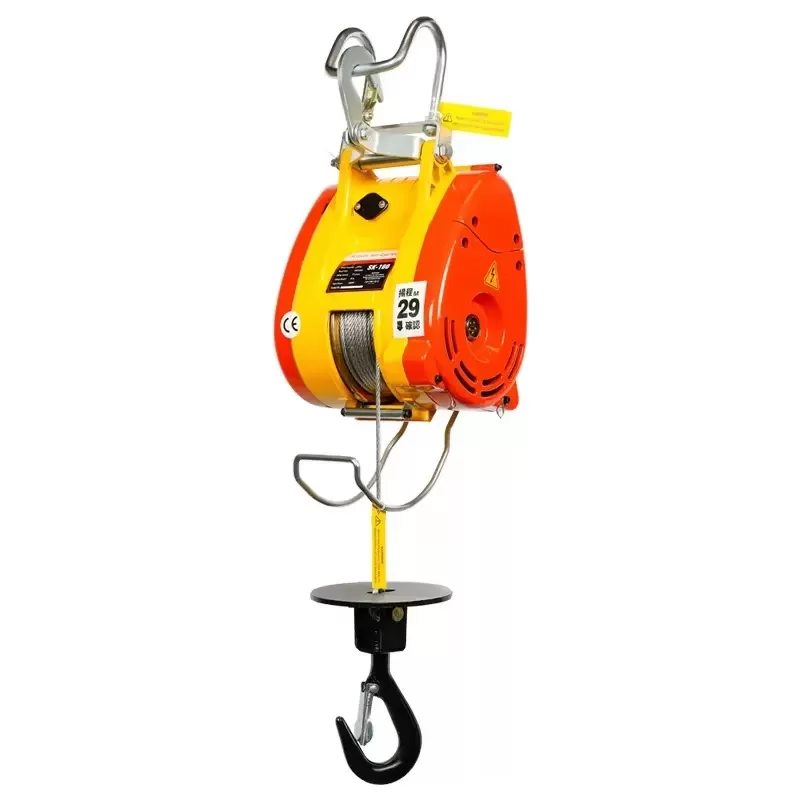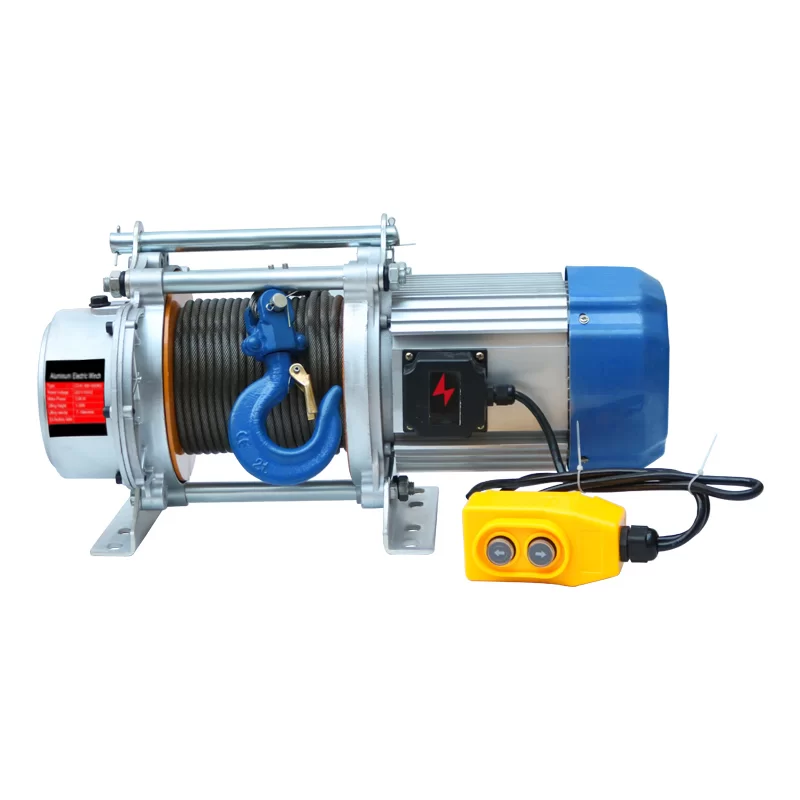
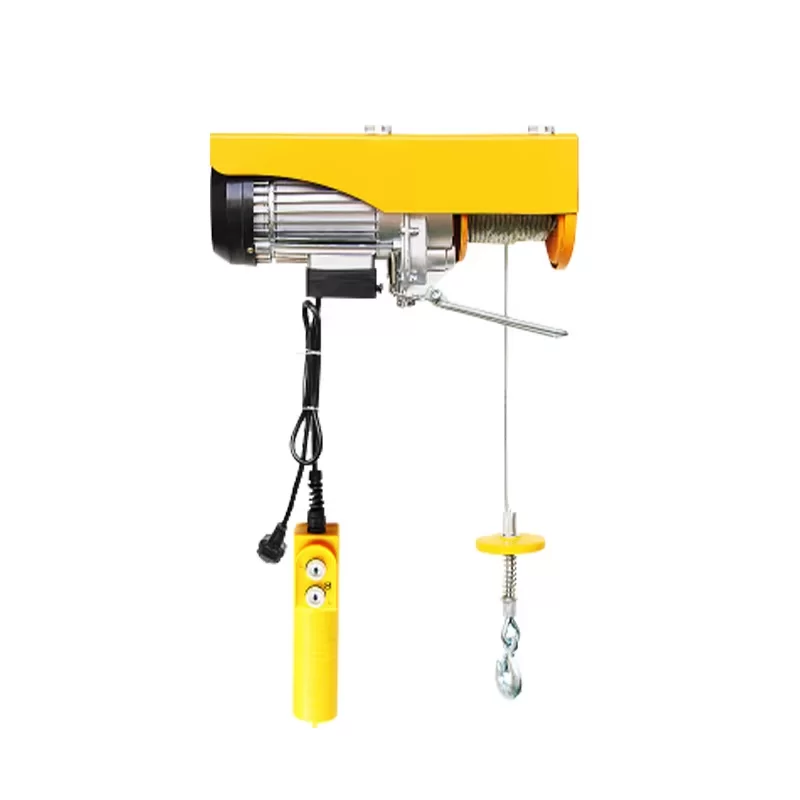
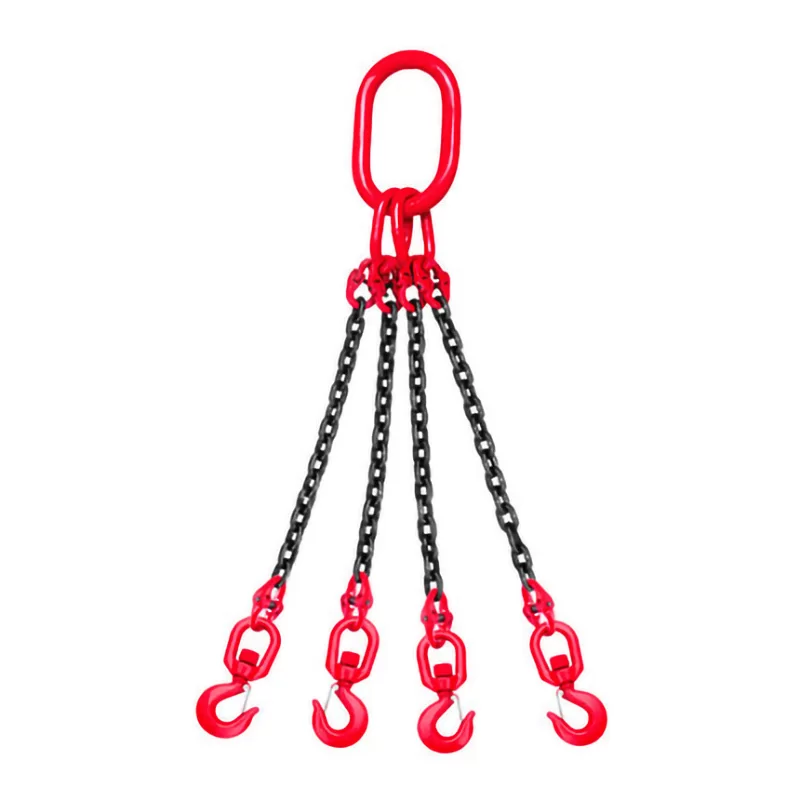
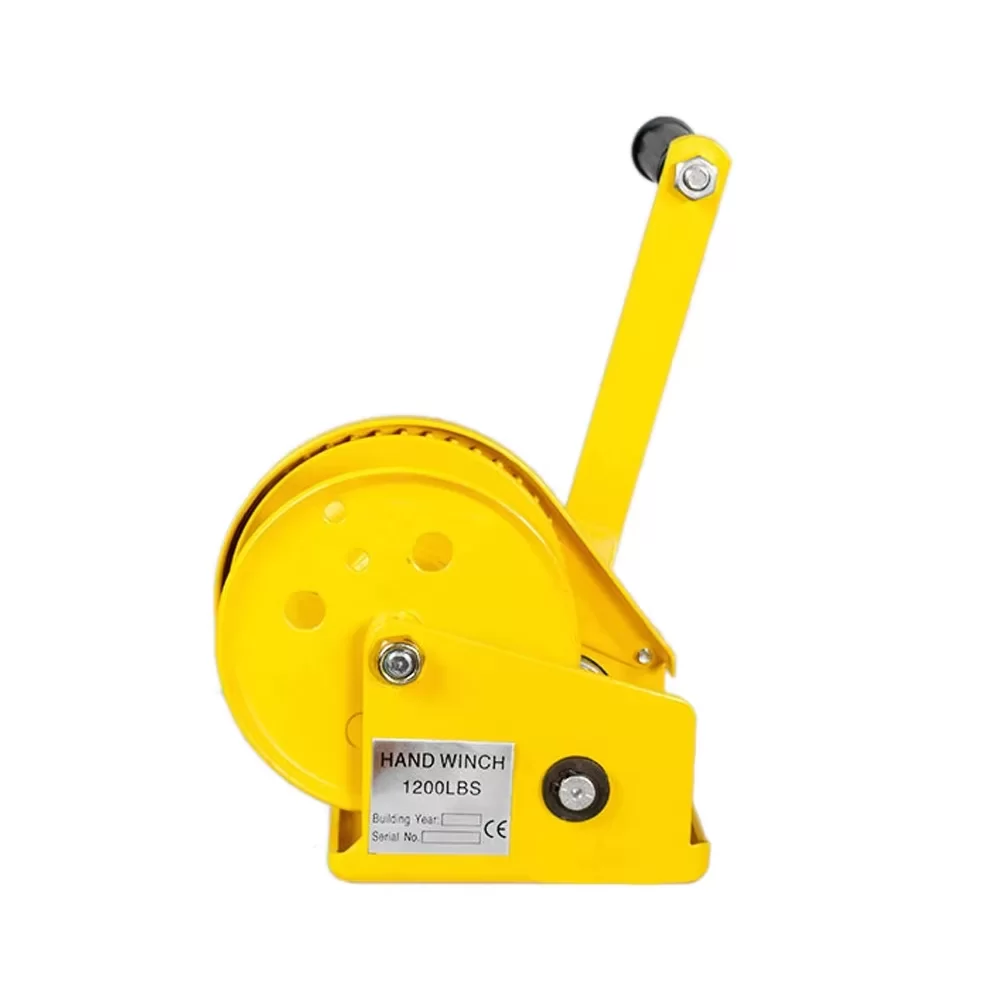
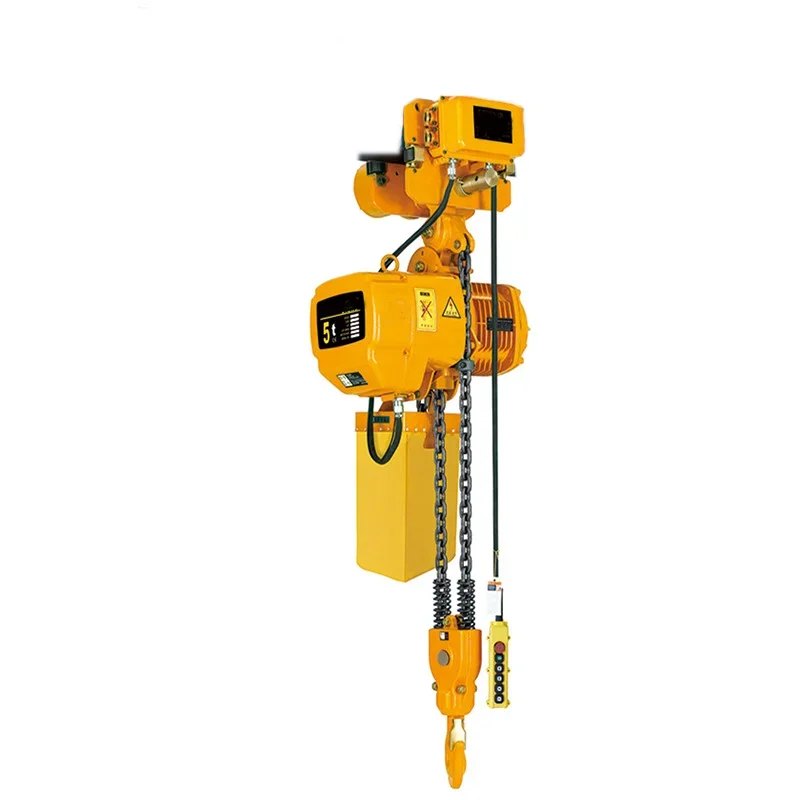
Comprehensive Electric Hoist Solutions for North American Industries

Delivering reliable lifting equipment for a diverse range of applications across the United States.

Comprehensive Electric Hoist Solutions for North American Industries

Providing robust and efficient lifting solutions designed to meet the demands of modern North American manufacturing and industrial environments. We specialize in electric hoist systems, ensuring safety and productivity.

Current State of the Lifting Equipment Market in North America

Analyzing the challenges and opportunities within the US industrial landscape.

The North American market for wire rope hoist and other lifting equipment is currently experiencing a period of robust growth, driven by reshoring initiatives, infrastructure development, and the increasing demand for automation across various sectors. The United States, in particular, represents a significant portion of this market, benefitting from a strong manufacturing base and a focus on improving workplace safety standards.

Geographically, demand is concentrated in industrial hubs such as the Midwest, the Southeast, and along the coasts. Climate considerations, especially in regions prone to extreme temperatures or corrosive environments, are increasingly influencing the selection of materials and protective coatings for electric trolley and hoist components. Supply chain resilience is also a key concern post-pandemic.

Competition is fierce, with both domestic manufacturers and international players vying for market share. Key differentiators include product quality, customization capabilities, after-sales service, and the integration of smart technology into chain hoist electric systems.
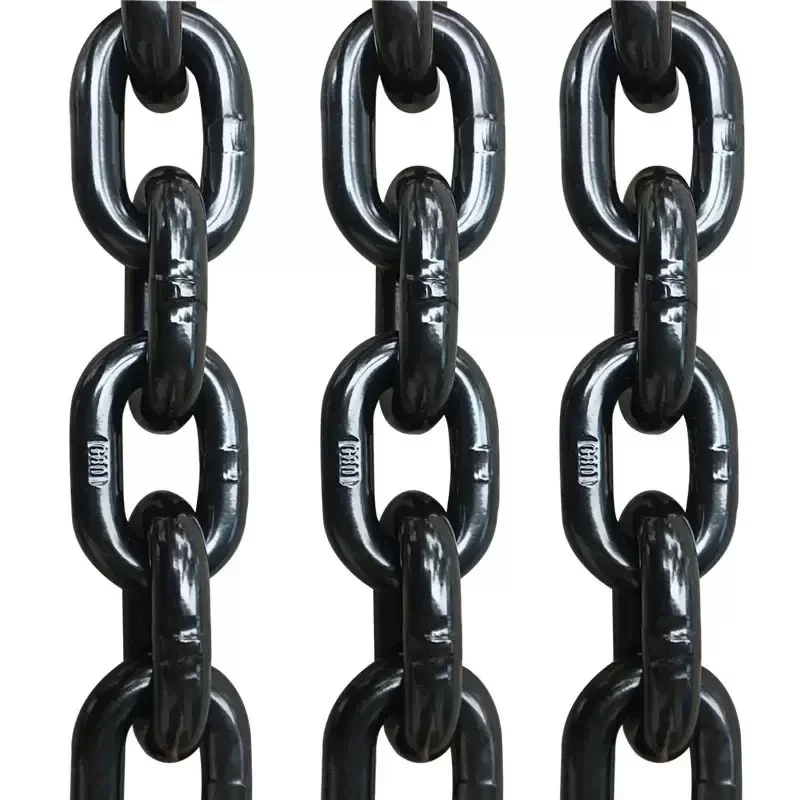
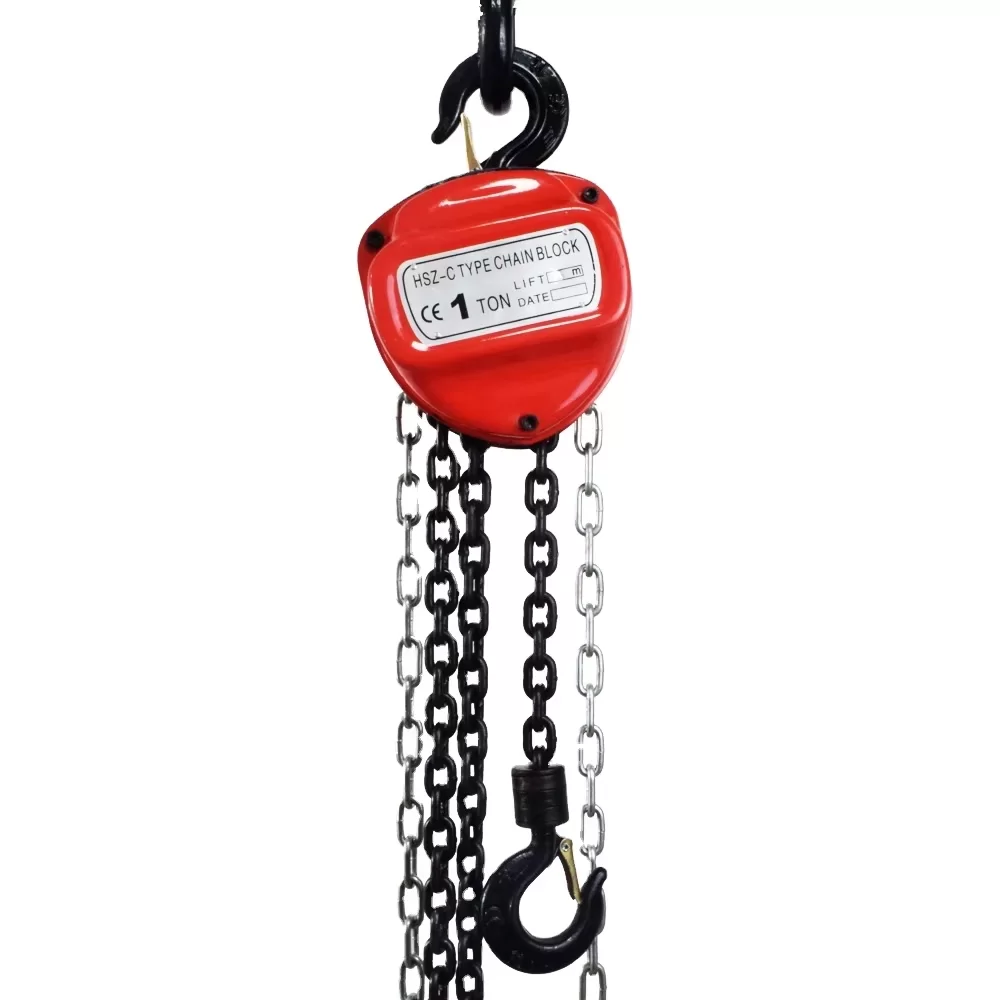
Evolution of Lifting Technology and Market Trends

Tracing the development of hoisting solutions from manual systems to modern electric-powered equipment.

Market Development History

Historically, material handling relied heavily on manual labor and simple pulley systems. The early 20th century saw the introduction of basic electric motors for hoisting, dramatically increasing lifting capacity and efficiency. The 1950s brought refinements in gear design and control systems, leading to more precise and reliable electric winch operation.

The late 20th and early 21st centuries witnessed the integration of programmable logic controllers (PLCs) and variable frequency drives (VFDs) into hoisting equipment, enabling advanced features like soft start/stop, precise positioning, and remote control. Increased focus on safety regulations (OSHA) spurred the development of features like overload protection and emergency stop mechanisms. Manual chain block systems also saw improvements in design for increased durability.

Recent advancements include the adoption of IoT (Internet of Things) sensors for predictive maintenance, remote monitoring, and data analytics. These technologies allow for proactive identification of potential issues, reducing downtime and optimizing performance. The increased demand for block chain and load chain systems reflects the growing need for safe and efficient material handling.

Future Development Trends

Smart Hoisting Systems

The future will see greater integration of AI and machine learning into hoisting systems, enabling autonomous operation, optimized load handling, and predictive maintenance. Data from Google Trends indicates a rising interest in “smart hoists” and “remote monitoring of lifting equipment.”

Wireless Control and IoT Integration

Wireless control systems and full IoT integration will become standard features, providing real-time data on hoist performance, location, and load status. This will streamline operations and enhance safety.

Sustainable Lifting Solutions

There's a growing demand for energy-efficient hoists and sustainable materials. Manufacturers will focus on reducing the environmental impact of their products through optimized designs and the use of recycled materials.

Industry Trends and Future Outlook for Lifting Equipment in North America

Exploring the evolving landscape of hoisting solutions and anticipating future demands.

Increased Demand for Automation
The drive for increased efficiency and reduced labor costs is fueling demand for automated hoisting solutions, particularly in manufacturing and logistics.
Focus on Safety and Compliance
Stringent safety regulations and increasing awareness of workplace hazards are driving demand for hoists with advanced safety features and compliance certifications.
Rise of Predictive Maintenance
IoT sensors and data analytics are enabling predictive maintenance, reducing downtime and extending the lifespan of hoisting equipment.
Demand for Energy-Efficient Solutions
Growing emphasis on sustainability is driving demand for energy-efficient hoists and components, reducing operational costs and environmental impact.

Industry Outlook

The North American lifting equipment market is expected to continue its growth trajectory over the next 3-5 years, driven by factors such as infrastructure investments, the resurgence of manufacturing, and the adoption of Industry 4.0 technologies. Companies that can offer innovative, safe, and sustainable hoisting solutions will be well-positioned to succeed in this dynamic market.

Furthermore, the increasing focus on supply chain resilience and localization is expected to benefit domestic manufacturers. The adoption of advanced technologies, such as AI and machine learning, will play a crucial role in optimizing operations, reducing costs, and enhancing the overall value proposition of hoisting equipment.

Local Application Scenarios in North America

Real-world examples of how lifting equipment is utilized across various industries in the US.

1. Automotive Manufacturing in Detroit, Michigan

In automotive plants, electric hoists are extensively used for lifting and positioning engine blocks, transmissions, and other heavy components during the assembly process. Precision and reliability are crucial in this application.

2. Construction Sites in New York City

Construction projects in densely populated urban areas like New York City require compact and versatile chain hoist electric systems for lifting materials to elevated floors. Safety and maneuverability are paramount concerns.

3. Aerospace Industry in Seattle, Washington

Aerospace manufacturers utilize specialized electric winches and wire rope hoist for handling large aircraft components and tooling. High lifting capacity and precise control are essential.

4. Port Operations in Los Angeles, California

Port facilities in Los Angeles rely on robust manual chain block and binder chain systems to load and unload cargo from ships, requiring durable equipment that can withstand harsh marine environments.

Brand Story

Hebei Juying Hoist Machinery Manufacturing Co., Ltd. Global Development Journey

Pioneering Lifting Solutions

Founded on a commitment to safety and innovation, Hebei Juying Hoist began as a regional supplier of basic lifting equipment.

Expanding into Electric Hoists

We expanded our product line to include electric hoists, driven by the growing demand for more efficient and automated lifting solutions.

Entering the North American Market

Recognizing the potential of the North American market, we established a dedicated sales and service network to better serve our customers in the United States and Canada.

Focus on Innovation and Sustainability

We invested in research and development to create more sustainable and energy-efficient hoisting solutions, meeting the evolving needs of our customers.

Commitment to Customer Satisfaction

Our mission is to provide reliable, high-quality lifting equipment and exceptional customer service, helping our clients improve productivity and ensure workplace safety.

Frequently Asked Questions - North American Lifting Equipment Market

Addressing common queries about our products and services.

What are the key safety standards for electric hoists in the United States?

Electric hoists in the US must comply with OSHA regulations, ASME B30 standards, and potentially other state-specific requirements. These standards cover design, testing, inspection, and maintenance to ensure safe operation.

How do I choose the right wire rope hoist for my application?

Selecting the appropriate wire rope hoist depends on factors such as lifting capacity, lifting height, duty cycle, environmental conditions, and the type of load being lifted. Consider consulting with a lifting equipment specialist for guidance.

What is the difference between a chain hoist and an electric hoist?

A chain hoist is typically manual or air-powered, while an electric hoist uses an electric motor for lifting. Electric hoists offer greater lifting capacity, speed, and precision, but chain hoists are more portable and require no external power source.

What maintenance is required for an electric winch?

Regular maintenance for an electric winch includes inspecting the wire rope or chain for wear and tear, lubricating moving parts, checking electrical connections, and testing the braking system. Follow the manufacturer's recommendations for maintenance schedules.

How does the environment affect the lifespan of a load chain?

Exposure to corrosive environments, such as saltwater or harsh chemicals, can significantly reduce the lifespan of a load chain. Selecting a chain with appropriate coatings or materials is crucial in such conditions.

What is the purpose of a binder chain and how is it used?

A binder chain, also known as a tie-down chain, is used to secure loads during transportation. It features a ratcheting mechanism to tighten the chain and prevent cargo from shifting during transit.

Get in Touch with Our Experts

We are dedicated to providing superior lifting solutions to businesses throughout North America - United States. Contact us today to discuss your specific needs.

Contact Us Now

If you are interested in our products, you can choose to leave your information here, and we will be in touch with you shortly.