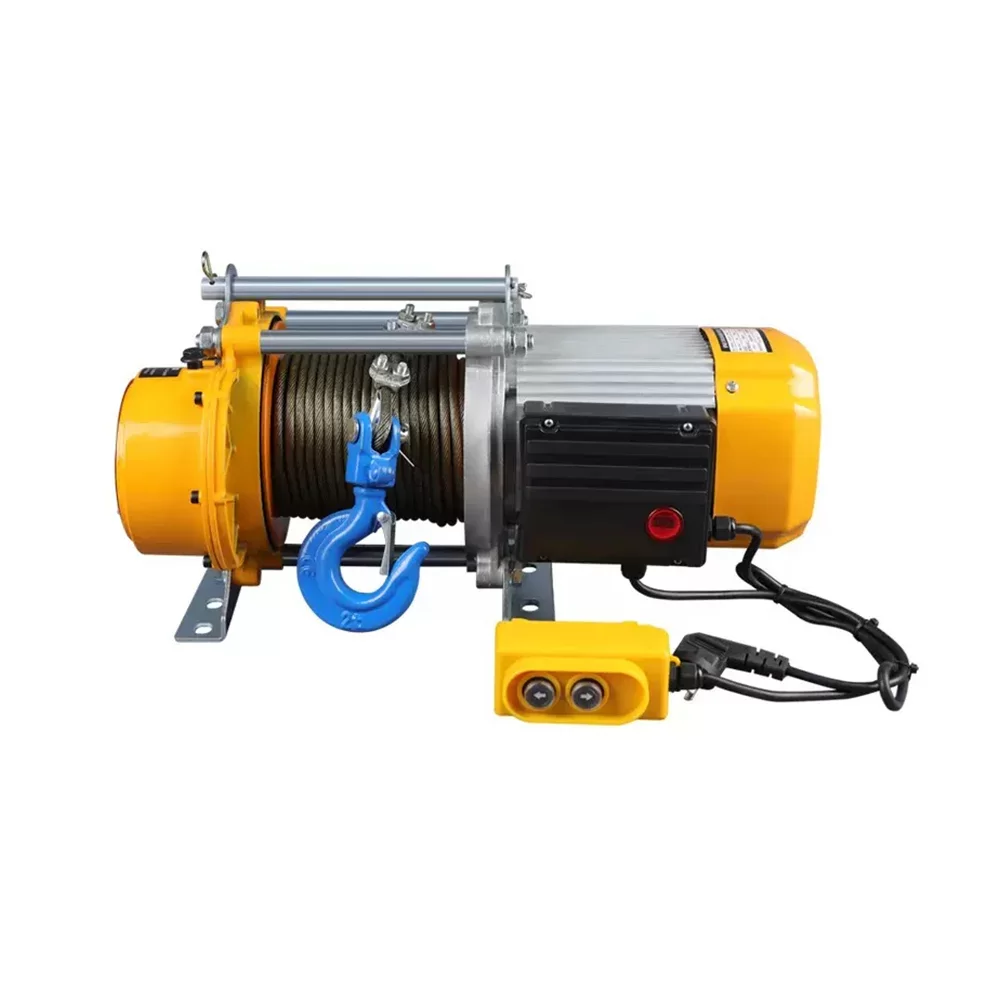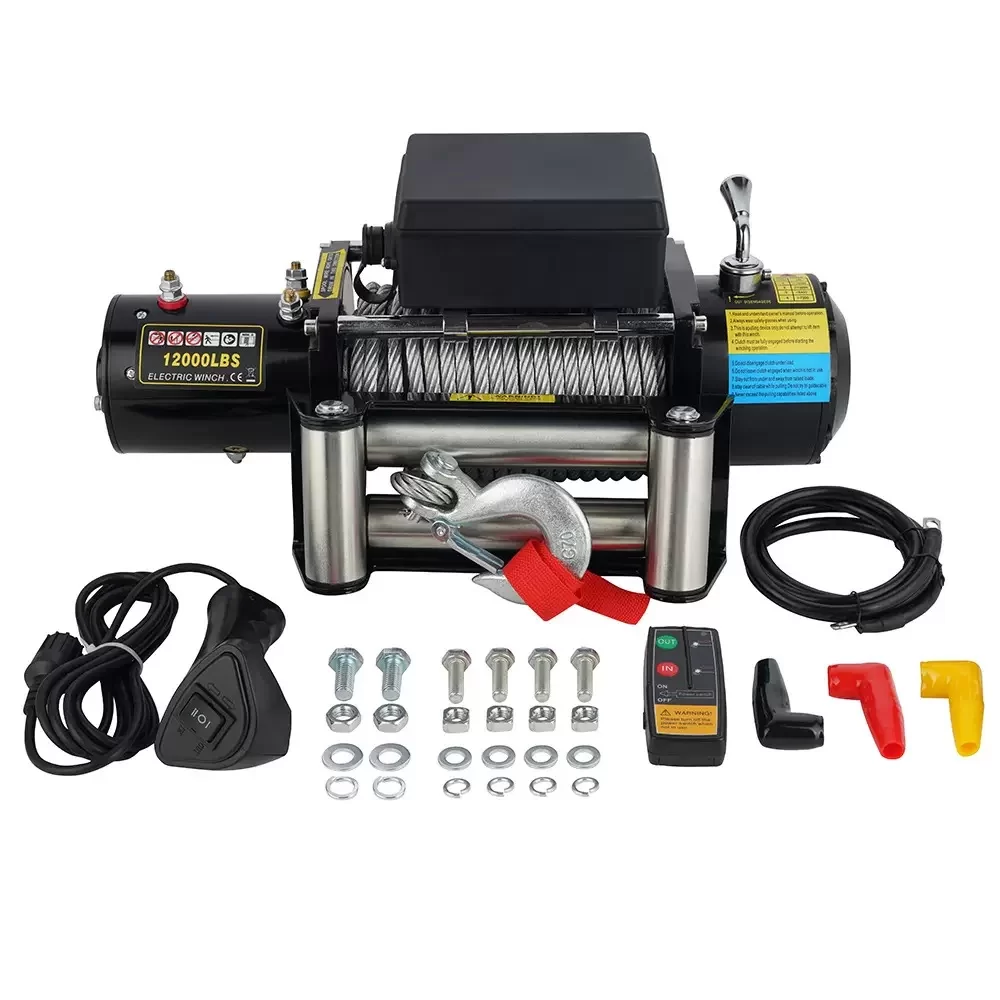
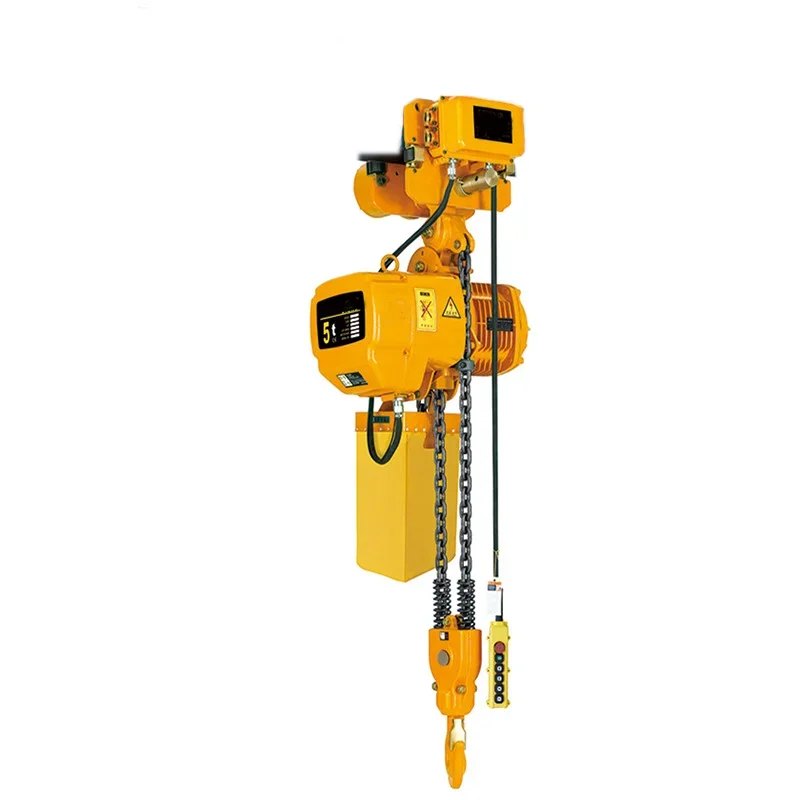
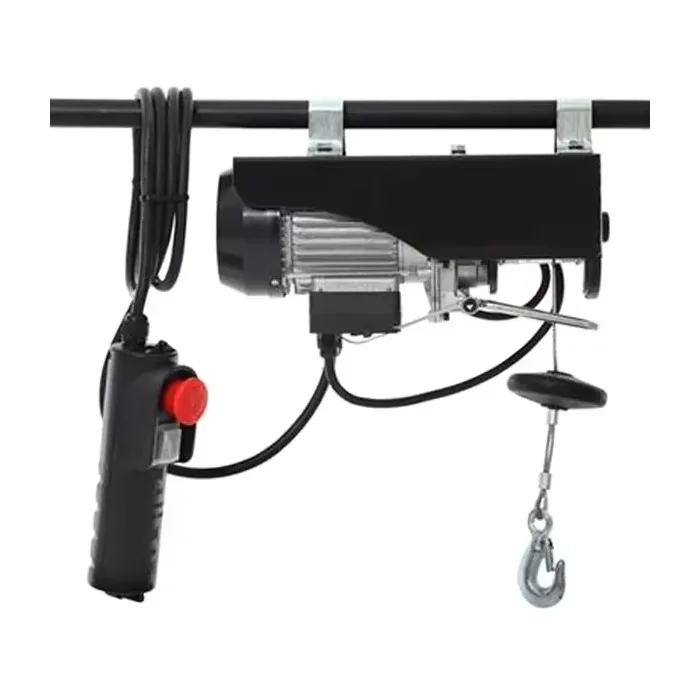
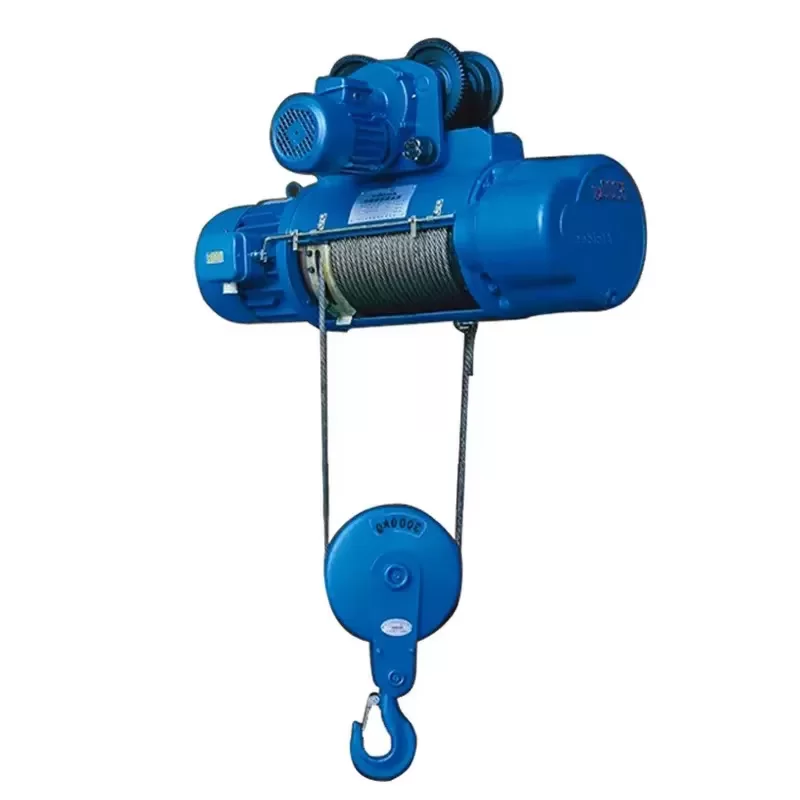
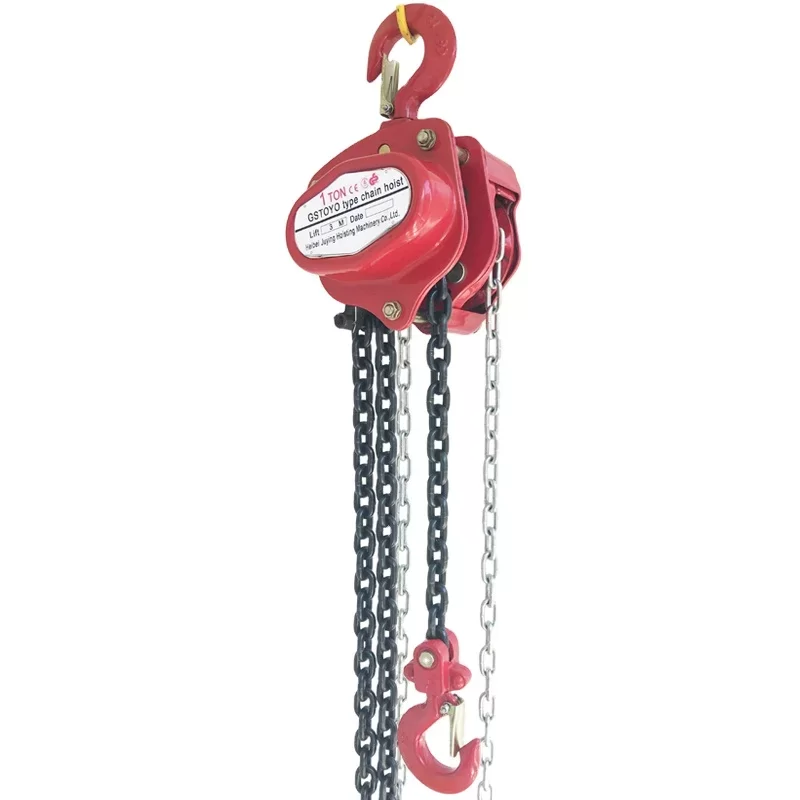
Comprehensive Electric Hoist Solutions for South Korean Manufacturing: Electric Trolley, Wire Rope Hoist, and More

Providing reliable material handling equipment, including electric winch and chain hoist electric solutions, to industries across South Korea.

The Current Landscape of Material Handling in South Korea

Analyzing the specific challenges and opportunities within the South Korean manufacturing sector.

South Korea’s robust manufacturing sector, driven by industries like automotive, shipbuilding, and electronics, demands highly efficient and reliable material handling solutions. The country’s limited land area and high population density create a premium on space, requiring compact and adaptable electric hoist systems. Furthermore, stringent safety regulations and a focus on automation are key drivers for innovation in this market.

The demand for lifting equipment in South Korea is heavily influenced by the country's export-oriented economy. Manufacturers must maintain high productivity levels to compete globally, leading to a consistent need for upgrades and replacements of wire rope hoist and related equipment. A skilled workforce and a commitment to technological advancement are also significant factors shaping the industry.

Geographically, key industrial hubs like Ulsan, Busan, and Gyeonggi-do represent concentrated demand for material handling equipment. These areas feature large-scale manufacturing facilities requiring robust and dependable lifting solutions, including chain hoist electric models and specialized electric winch options for unique applications.
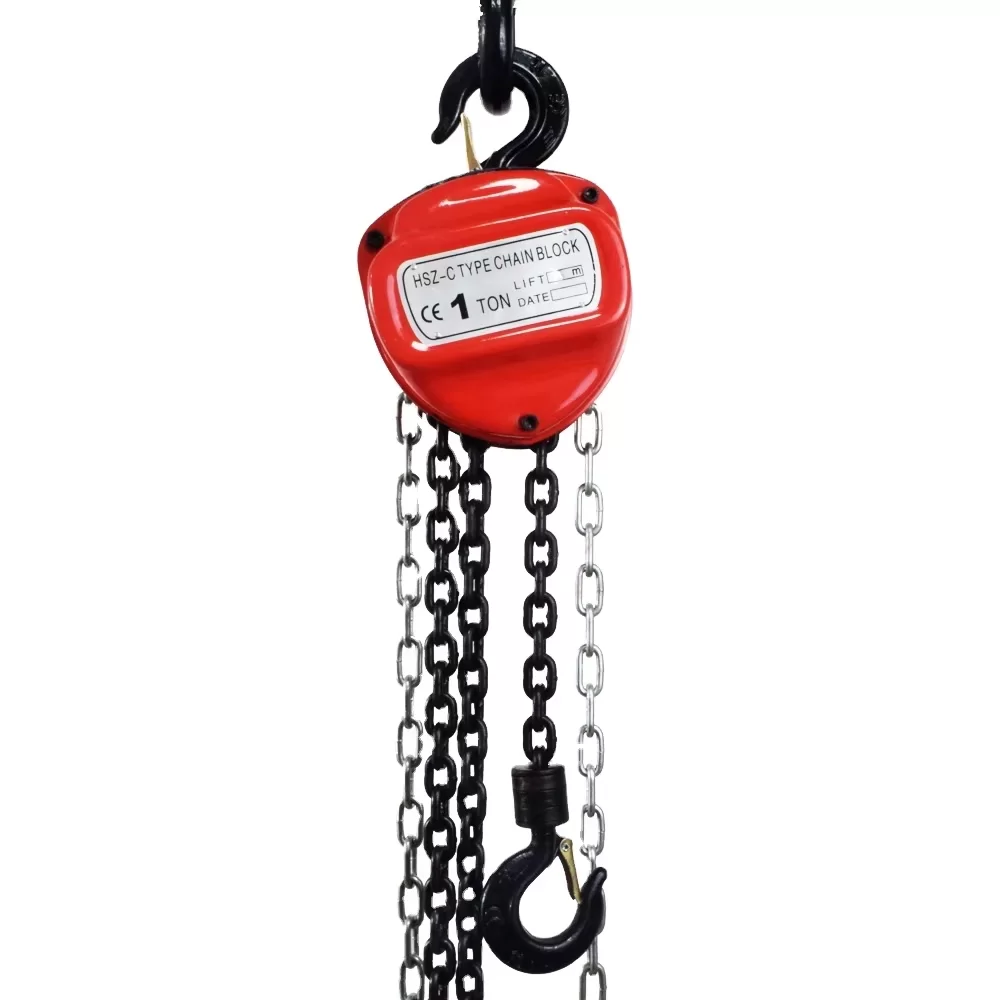
Evolution of Lifting Technology in South Korea

Tracing the development of material handling solutions from traditional methods to modern innovations.

Market Development History

In the early days of South Korea’s industrialization (1960s-1980s), material handling largely relied on manual labor and basic mechanical lifting devices. Manual chain block systems were common, providing a simple but labor-intensive solution. Safety standards were less stringent, and automation was limited.

The 1990s marked a turning point with the introduction of more advanced electric hoist and wire rope hoist technologies. As South Korean manufacturers integrated into global supply chains, the need for increased efficiency and productivity became paramount. The adoption of automation technologies began to accelerate.

The 21st century has witnessed a rapid transition towards intelligent and connected material handling systems. Variable frequency drives (VFDs), programmable logic controllers (PLCs), and remote monitoring capabilities have become increasingly prevalent. The focus has shifted towards optimizing energy consumption, enhancing safety, and improving overall operational efficiency, utilizing Electric trolley and automated systems.

Future Development Trends

Smart Hoisting Systems

The integration of IoT sensors and data analytics will enable predictive maintenance, real-time monitoring of load conditions, and optimized lifting schedules. This will significantly reduce downtime and improve safety.

Increased Automation

Automated guided vehicles (AGVs) and robotic lifting systems will become more commonplace, further reducing reliance on manual labor and improving throughput. Electric winch systems integrated with automation will be highly sought after.

Energy Efficiency

Demand for energy-efficient lifting solutions will continue to grow as manufacturers strive to reduce their carbon footprint and lower operating costs. This includes the development of more efficient motors and control systems for load chain and related components.

Industry Trends and Future Outlook for Material Handling in South Korea

Exploring the key drivers and opportunities shaping the future of lifting equipment in the South Korean market.

Growing Demand for High-Capacity Hoists
South Korea's shipbuilding and heavy industry sectors are driving demand for hoists with increased lifting capacities and specialized features.
Focus on Safety and Compliance
Stringent safety regulations and a growing emphasis on worker protection are driving demand for hoists with advanced safety features.
Demand for Compact and Lightweight Hoists
Space constraints in South Korean factories are driving demand for hoists that are compact, lightweight, and easy to install.
Growth of Wireless Control Systems
Wireless control systems are becoming increasingly popular, offering greater flexibility and ease of use for operators.

Industry Outlook

The South Korean material handling market is expected to continue growing in the coming years, driven by ongoing investments in manufacturing and infrastructure. The adoption of smart technologies and a focus on sustainability will be key trends shaping the industry. Demand for specialized lifting solutions tailored to specific industrial applications will also increase.

Manufacturers will prioritize partnerships with suppliers who can provide not only high-quality equipment but also comprehensive service and support. The ability to offer customized solutions, fast delivery times, and proactive maintenance programs will be crucial for success in this competitive market.

Localized Applications of Lifting Equipment in South Korea

Real-world examples of how our lifting solutions are used across various industries in South Korea.

1. Automotive Manufacturing (Ulsan)

Electric hoists are extensively used in automotive assembly lines to lift and position heavy components, such as engines and transmissions. The precision and reliability of these hoists are critical for maintaining production efficiency.

2. Shipbuilding (Busan)

Wire rope hoists play a vital role in shipbuilding, lifting large steel plates and structural components during the construction of vessels. These hoists must withstand harsh marine environments and heavy loads.

3. Electronics Production (Gyeonggi-do)

Chain hoists are commonly used in electronics factories to handle delicate equipment and materials. Their compact size and precise lifting capabilities make them ideal for this application. Binder chain is also widely utilized.

4. Steel Production (Pohang)

Heavy-duty electric winches are essential for moving large coils of steel and other raw materials in steel mills. These winches must provide high pulling force and reliable performance under demanding conditions.

5. Semiconductor Fabrication (Hwaseong)

Precise and clean lifting operations are crucial in semiconductor fabrication. Specialized hoists with low-dust designs are used to handle wafers and sensitive equipment.

Brand Story

The Global Development Journey of Hebei Juying Hoist Manufacturing Co., Ltd.

Foundation and Commitment to Quality

Founded on a bedrock of engineering expertise, Hebei Juying Hoist Manufacturing Co., Ltd. began with a simple mission: to deliver dependable and safe lifting solutions.

Expansion into International Markets

Recognizing the global demand for quality lifting equipment, we expanded our reach beyond domestic borders, establishing a presence in key international markets.

Innovation and Technological Advancement

We invested heavily in research and development, incorporating cutting-edge technologies to improve the performance, safety, and efficiency of our products.

Customer-Centric Approach

We prioritize building long-term relationships with our customers, providing personalized service, and addressing their unique needs.

A Vision for the Future

We are committed to continuous improvement, sustainability, and delivering innovative lifting solutions that empower industries worldwide.

Frequently Asked Questions - Localized for South Korea

Addressing common inquiries about our products and services in the South Korean market.

What safety certifications do your electric hoists have for use in South Korean manufacturing facilities?

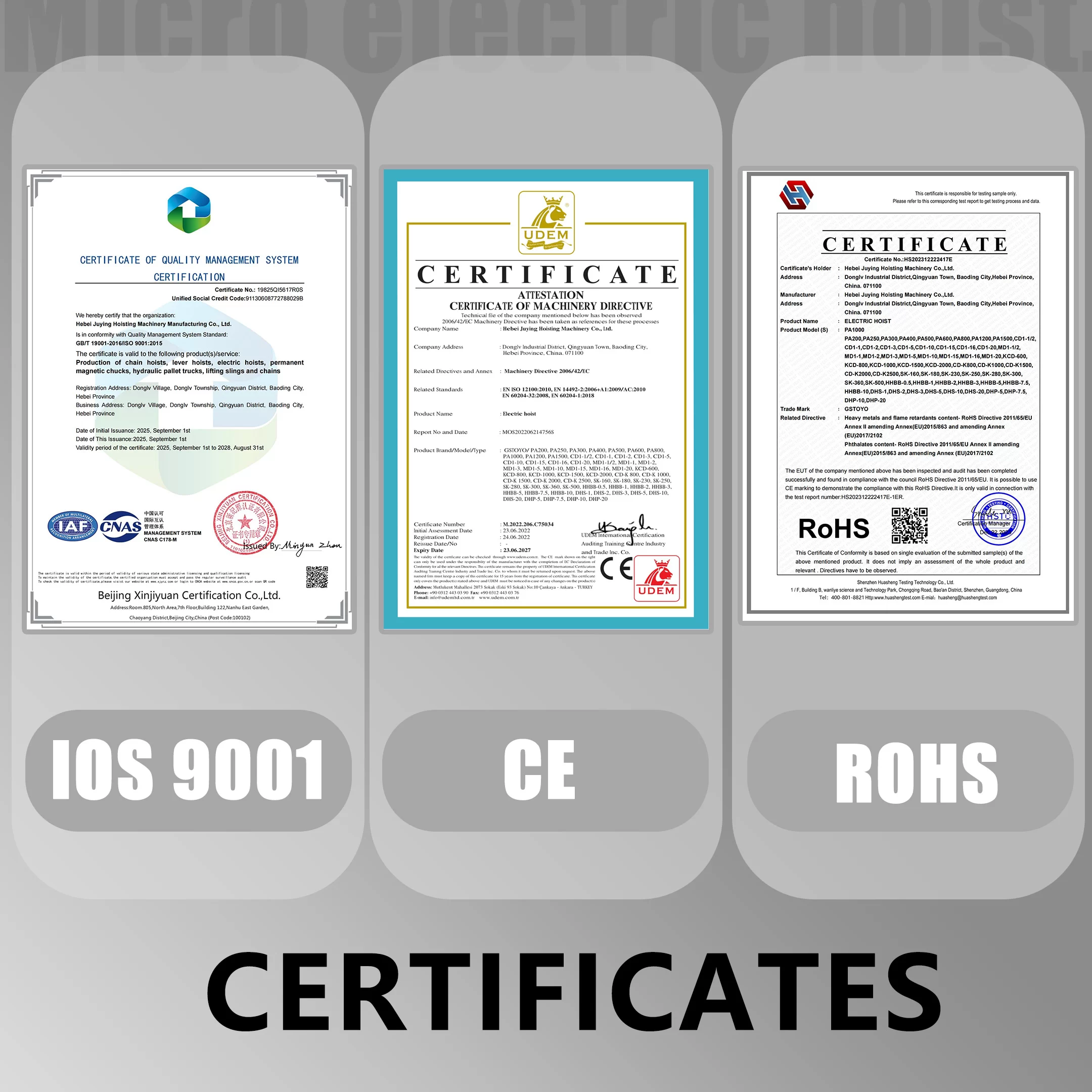
Our electric hoists meet and exceed all relevant South Korean safety standards, including those set by KOSHA (Korea Occupational Safety and Health Agency). We provide full documentation and certification upon request.

Do you offer on-site installation and maintenance services for wire rope hoists in the Ulsan shipbuilding industry?

Yes, we have a network of qualified technicians who can provide on-site installation, maintenance, and repair services for wire rope hoists in Ulsan and other major shipbuilding hubs throughout South Korea.

What is the lead time for delivery of a chain hoist electric system to Gyeonggi-do?

The typical lead time for delivery of a chain hoist electric system to Gyeonggi-do is 2-3 weeks, depending on the specific configuration and quantity ordered.

Can your electric winches be customized to meet specific load testing requirements for the Korean steel industry?

Yes, we offer customized electric winch solutions tailored to the specific load testing requirements of the Korean steel industry. We can modify the design, materials, and testing procedures to ensure compliance.

What types of load chain and binder chain are compatible with your chain hoist systems?

We offer a wide range of high-strength load chain and binder chain options that are specifically designed for compatibility with our chain hoist systems. We adhere to international quality standards.

Do you provide technical documentation in Korean for your electric trolley systems?

Yes, we offer comprehensive technical documentation, including manuals, schematics, and safety guidelines, in Korean for all of our electric trolley systems.

Get in Touch with Our South Korean Team

We are dedicated to providing exceptional service and support to our customers throughout South Korea. Contact us today to discuss your lifting needs.

Contact Us Now

If you are interested in our products, you can choose to leave your information here, and we will be in touch with you shortly.