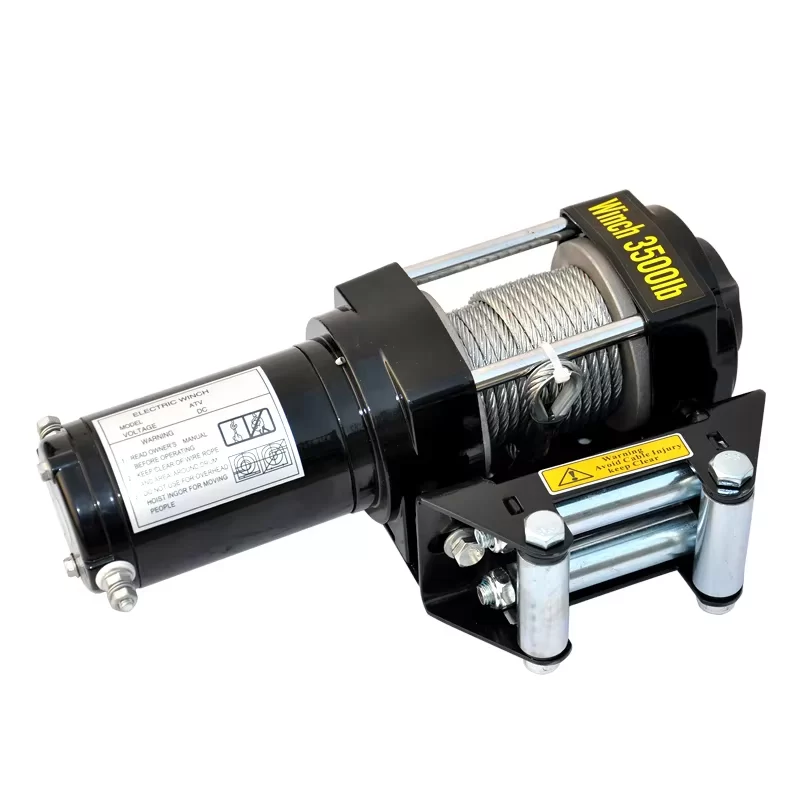
Electric Hoist Solutions for Canadian Manufacturing: Enhancing Efficiency with Electric Winches

Providing reliable material handling equipment for industries across North America.

The Current Landscape of Material Handling in Canada

Analyzing the demand and challenges for lifting equipment in the Canadian industrial sector.

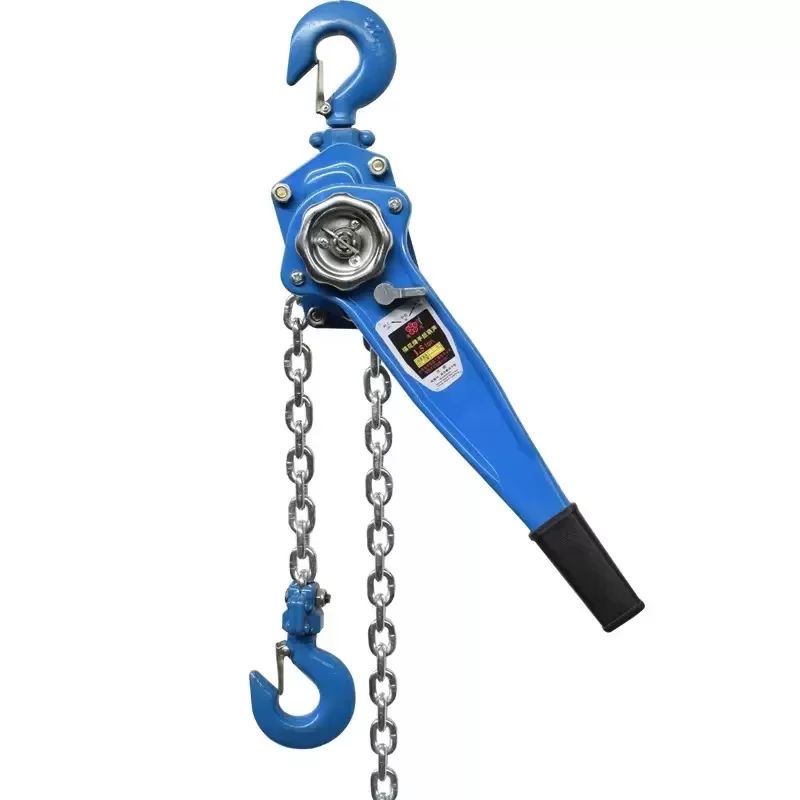
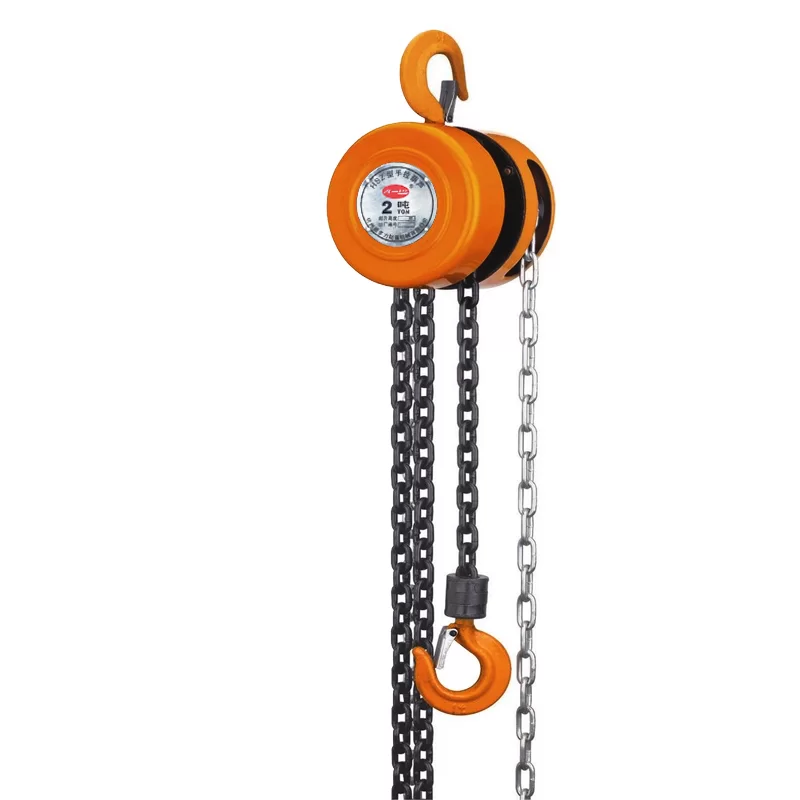
Canada's manufacturing sector, particularly in provinces like Ontario, Quebec, and Alberta, is a significant driver of economic growth. The demand for efficient and reliable material handling solutions, including manual chain block, block chain, load chain and Binder chain, is consistently high. However, the country's vast geography and varying climates present unique logistical and operational challenges.

The Canadian market requires equipment that can withstand extreme temperatures, from the frigid winters of the prairies to the humid summers of the Atlantic provinces. Durability, safety, and compliance with Canadian standards (CSA) are paramount considerations for businesses seeking lifting solutions. Increasing focus on automation and lean manufacturing principles further drives demand for advanced electric hoist systems.

Furthermore, supply chain disruptions and the need for reshoring have emphasized the importance of robust and locally supported material handling infrastructure. Canadian manufacturers are actively seeking reliable partners who can provide timely service, spare parts, and technical expertise.
Evolution of Lifting Technology in Canada

Tracing the development of material handling solutions from traditional methods to modern innovations.

Market Development History

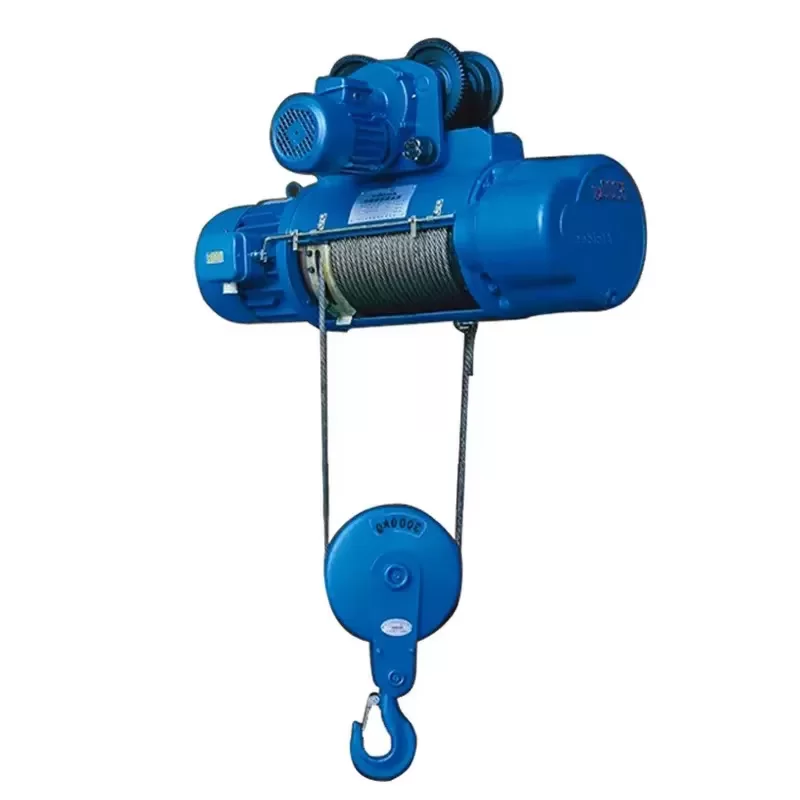
Historically, material handling in Canadian industries relied heavily on manual labor and basic mechanical lifting devices. The early 20th century saw the introduction of simple chain hoists and hand-operated winches. Post-World War II, the adoption of electric motors revolutionized the industry, leading to the widespread use of wire rope hoist and electric chain hoists.

The 1980s and 90s brought advancements in control systems, with programmable logic controllers (PLCs) enabling more precise and automated lifting operations. The rise of computer-aided design (CAD) and computer-aided manufacturing (CAM) facilitated the development of more sophisticated and customized lifting solutions. The demand for higher lifting capacities and increased safety features also drove innovation.

In the 21st century, the focus has shifted towards smart lifting systems incorporating the Internet of Things (IoT) and data analytics. Remote monitoring, predictive maintenance, and real-time performance tracking are becoming increasingly prevalent, enhancing efficiency and reducing downtime.

Future Development Trends

Smart Hoisting Systems with IoT Integration

The integration of IoT sensors and data analytics will enable predictive maintenance, optimizing hoist performance and minimizing unscheduled downtime. Google Trends data shows a significant increase in searches related to "smart hoists" and "remote monitoring" over the past five years, indicating growing industry interest.

Advanced Control Systems and Automation

Expect more sophisticated control systems incorporating artificial intelligence (AI) and machine learning (ML) for automated lifting and positioning. This will lead to increased precision, efficiency, and safety in material handling processes.

Sustainable and Energy-Efficient Hoists

Driven by environmental concerns, there will be a growing demand for energy-efficient electric winches and hoists. Manufacturers will focus on developing technologies that reduce energy consumption and minimize environmental impact.

Industry Trends and Future Outlook for Material Handling in Canada

Exploring emerging technologies and future opportunities in the Canadian lifting equipment market.

Increased Demand for Compact Hoists
Canadian manufacturers, particularly those in urban areas, are seeking compact electric hoist solutions due to space constraints.
Growing Adoption of Wireless Controls
Wireless remote controls are becoming increasingly popular for improved operator safety and flexibility, particularly in challenging environments.
Emphasis on Explosion-Proof Hoists
Industries such as oil and gas, and chemical processing, require specialized explosion-proof electric trolley to ensure safe operation in hazardous environments.
Demand for Customized Lifting Solutions
Canadian manufacturers are increasingly seeking customized lifting solutions tailored to their specific needs, emphasizing flexibility and integration with existing systems.

Industry Outlook

The Canadian material handling market is poised for continued growth, driven by investments in manufacturing, infrastructure, and renewable energy projects. The adoption of advanced technologies, such as automation and IoT, will be key to enhancing efficiency, safety, and sustainability.

Manufacturers who prioritize innovation, reliability, and customer service will be well-positioned to succeed in this dynamic market. Collaboration with local partners and a focus on providing comprehensive support services will be essential for capturing market share.

Localized Application Scenarios in Canadian Industries

Real-world examples of how our lifting equipment is used across various Canadian sectors.

1. Automotive Manufacturing in Ontario

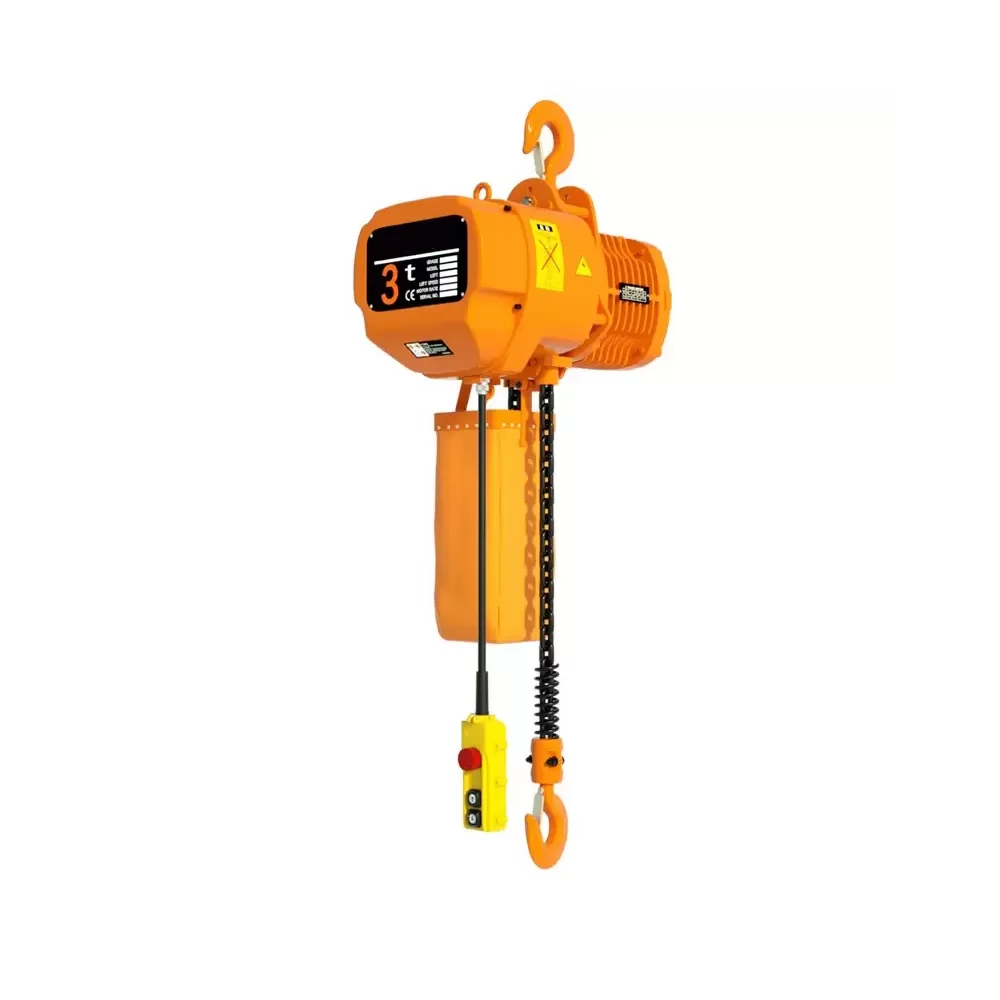
In automotive plants across Ontario, our chain hoist electric are used for lifting and positioning engine blocks, transmissions, and other heavy components during assembly. Precision and reliability are critical in this application.

2. Pulp and Paper Mills in British Columbia

British Columbia's pulp and paper mills rely on our robust wire rope hoist to handle large rolls of paper and pulp. These hoists must withstand harsh environmental conditions and operate reliably for extended periods.

3. Oil and Gas Refineries in Alberta

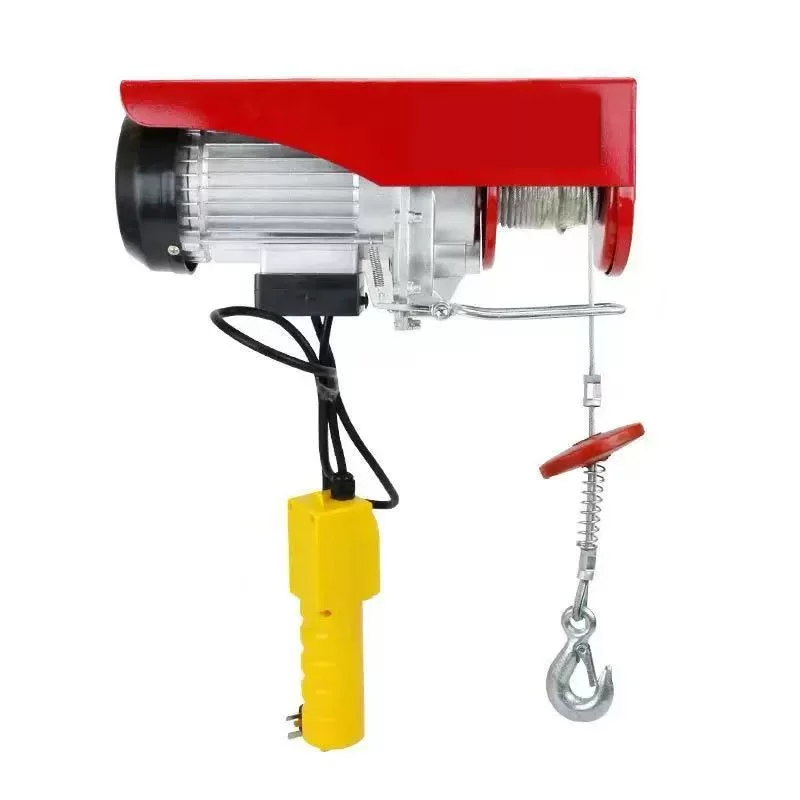
Alberta’s oil and gas refineries utilize explosion-proof electric winch for lifting and moving equipment in hazardous areas. Safety and compliance with stringent regulations are paramount.

4. Aerospace Manufacturing in Quebec

Quebec's aerospace industry utilizes precision electric hoist for handling aircraft components during assembly and maintenance. High lifting capacities and precise control are essential.

Brand Story

Hebei Juying Hoist Machinery Manufacturing Co., Ltd.'s global development history

Foundational Commitment to Quality

Established in 2008, Hebei Juying Hoist began with a clear vision: to provide high-quality, reliable lifting solutions. We quickly earned a reputation for durable products and excellent customer service.

Expansion into International Markets

By 2015, we expanded our reach to international markets, including North America, catering to the diverse needs of global industries.

Investment in Research and Development

We invested heavily in research and development to continuously improve our products and incorporate the latest technologies, like IoT integration, to better serve our customers.

Focus on Customer-Centric Solutions

Juying Hoist remains dedicated to providing tailored lifting solutions that address the unique challenges of each customer's application, ensuring safety, efficiency, and long-term value.

Commitment to Sustainability

We prioritize environmentally responsible manufacturing practices and develop energy-efficient products to reduce our environmental footprint.

Frequently Asked Questions - Canadian Market

Answers to common questions about our lifting equipment and services in Canada.

What certifications are required for electric hoists used in Canadian manufacturing facilities?

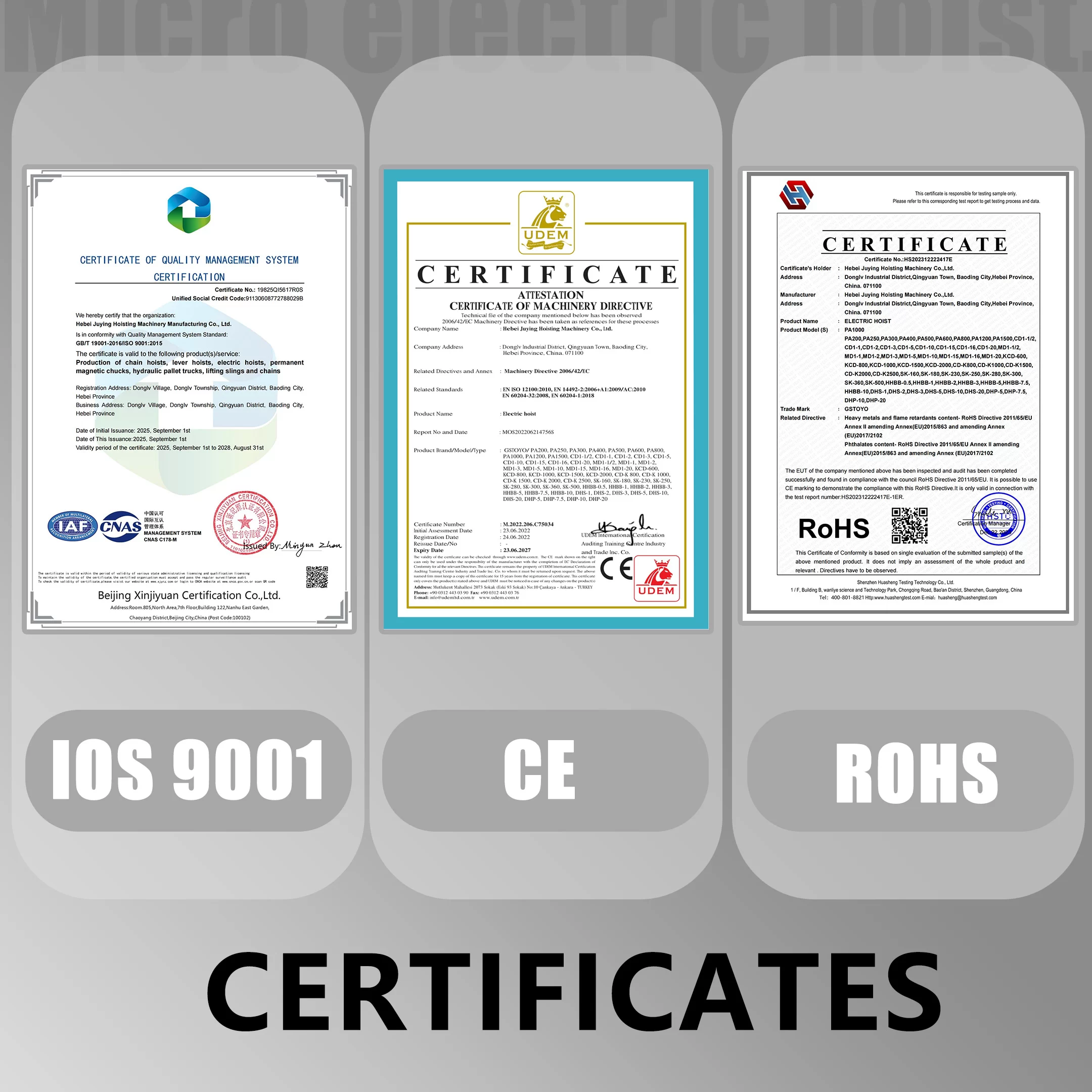
Electric hoists used in Canadian manufacturing must comply with CSA (Canadian Standards Association) standards. Specific requirements vary depending on the application and province. We ensure our products meet all relevant Canadian safety standards.

How do I select the right chain hoist for a specific lifting application?

Selecting the right chain hoist depends on factors like lifting capacity, lifting height, duty cycle, and environmental conditions. Consider the weight of the load, the frequency of lifts, and the operating environment to determine the appropriate hoist size and features. Our team can assist you with this process.

What is the typical lead time for delivery of an electric hoist to a location in Canada?

Typical lead times for delivery to Canada vary depending on the product and the destination. Standard hoists are typically delivered within 2-4 weeks, while customized solutions may require 6-8 weeks. We provide accurate lead time estimates during the quoting process.

What maintenance is required for wire rope hoists to ensure long-term reliability?

Regular maintenance for wire rope hoists includes lubrication, inspection of the wire rope for wear and tear, and checking the brake system. Annual inspections by a qualified technician are recommended to ensure safe and reliable operation.

Do you offer on-site repair services for electric hoists across Canada?

We partner with a network of qualified service technicians across Canada to provide on-site repair and maintenance services. We can quickly dispatch a technician to address any issues with your hoist.

What are the benefits of using an electric trolley with an electric hoist?

An electric trolley allows for lateral movement of the hoist along a beam, providing greater flexibility and coverage. This is particularly useful in larger facilities where loads need to be moved over a wider area. It improves efficiency and reduces manual handling.

Get in Touch with Us

We are dedicated to providing exceptional lifting solutions and support to businesses across North America - Canada. Contact us today to discuss your specific requirements.

Contact Us Now

If you are interested in our products, you can choose to leave your information here, and we will be in touch with you shortly.