
Electric Winch Solutions for Brazilian Manufacturing: Powering Efficiency and Safety

Delivering reliable material handling equipment to industries across South America, specializing in electric hoist systems.

Electric Winch Solutions for Brazilian Manufacturing

Providing high-quality lifting solutions tailored for the diverse needs of Brazilian industries, offering robust and efficient material handling capabilities.

The State of Material Handling in Brazil

Understanding the unique challenges and opportunities in the Brazilian manufacturing landscape.

Brazil, as the largest economy in South America, presents a significant market for material handling equipment. Its diverse industrial base – encompassing automotive, agriculture, mining, and construction – demands versatile and reliable lifting solutions. The logistical complexities of a country with vast distances and varying infrastructure create a need for durable and efficient electric hoist systems.

However, the Brazilian market is also sensitive to economic fluctuations and import regulations. Companies must navigate these challenges while maintaining competitive pricing and offering strong after-sales support. Demand for wire rope hoist options and related components like load chain has seen consistent growth, alongside a focus on safety and operational efficiency.

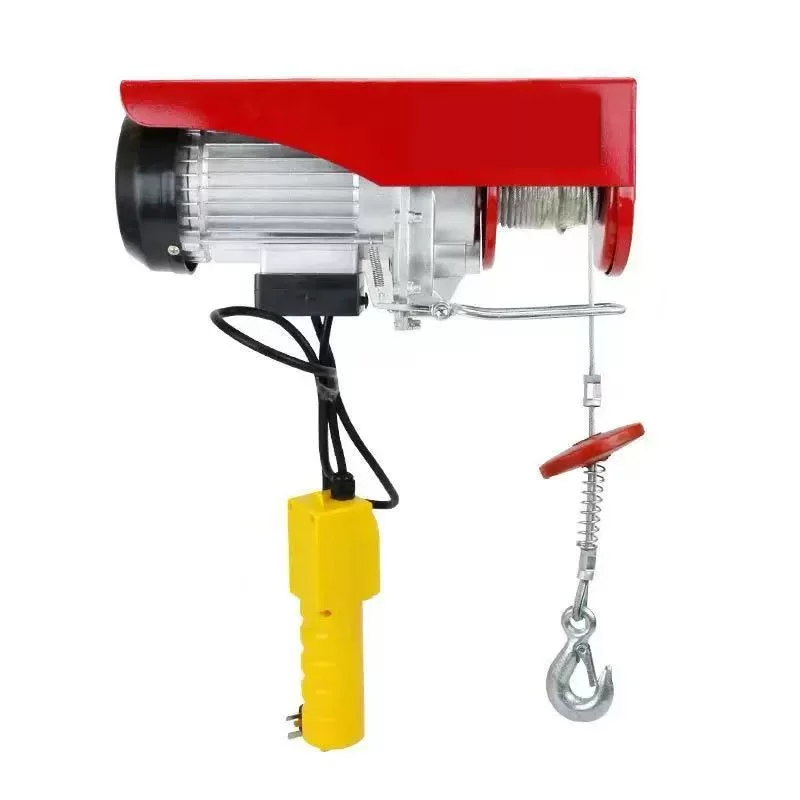
The Amazon rainforest and other ecologically sensitive areas present unique operational considerations. Equipment must be suitable for humid climates and potentially challenging terrains. This fuels the need for robust and weatherproof electric trolley systems and dependable chain hoist electric models designed for longevity.
Evolution of Lifting Technology in Brazil

Tracing the development of material handling solutions in the Brazilian market.

Market Development History

Historically, Brazil relied heavily on manual lifting methods. The 1950s and 60s saw the introduction of basic mechanical hoists, primarily serving the growing automotive and steel industries. These early systems were often imported, leading to high costs and limited availability of spare parts.

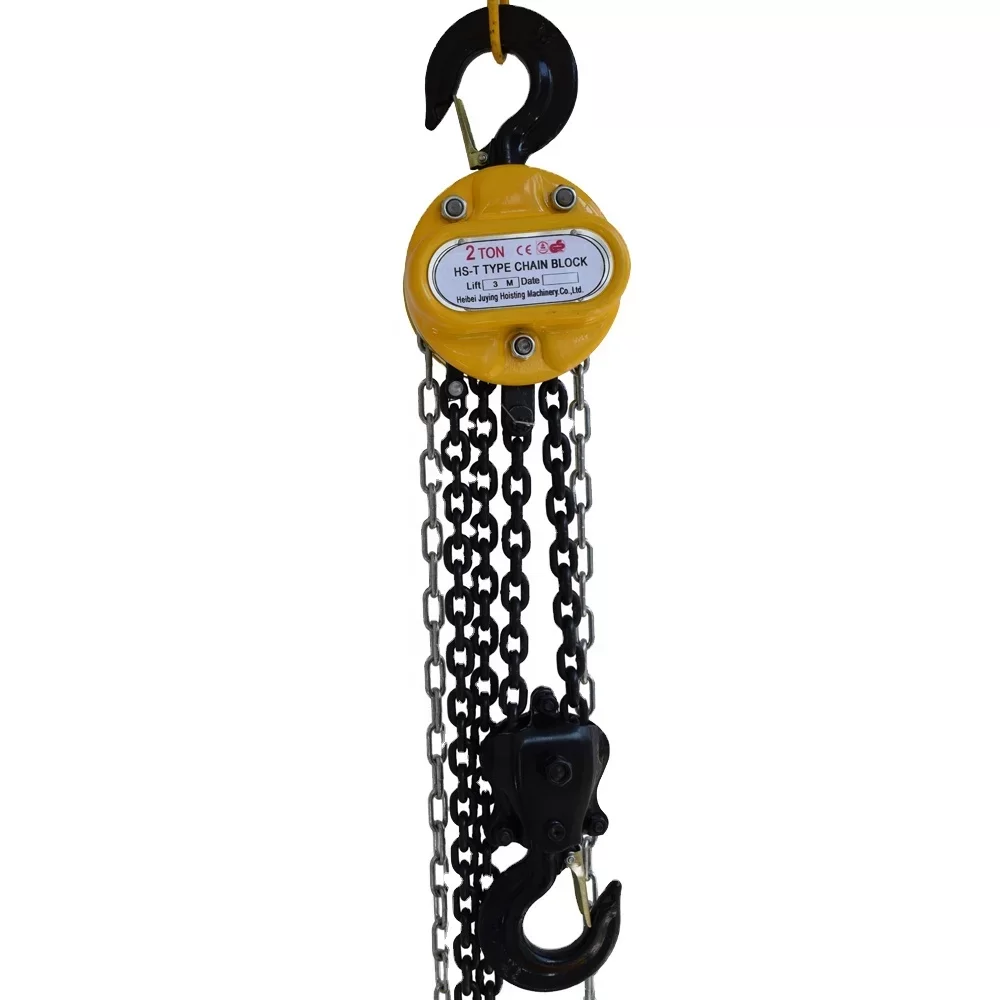
The 1980s and 90s witnessed increased investment in local manufacturing and the adoption of more sophisticated hydraulic and electric lifting technologies. Globalization spurred competition and the demand for higher efficiency and safety standards. Manual chain block systems started being replaced with automated solutions.

The 21st century has seen a rapid adoption of digitally integrated lifting solutions, including variable frequency drives, remote controls, and predictive maintenance systems. There's also an increased demand for specialized equipment like electric winch for specific industrial applications.

Future Development Trends

Smart Lifting Systems

The integration of IoT sensors and data analytics will become increasingly prevalent, allowing for real-time monitoring of equipment performance, predictive maintenance, and optimized load handling. Google Trends data shows a rising search interest in "remote hoist control" and "smart lifting solutions" in Brazil.

Energy Efficiency

With growing environmental concerns, there will be a greater focus on energy-efficient lifting technologies, such as variable speed drives and lightweight materials. Search trends indicate increasing interest in "energy-efficient hoists" and "eco-friendly lifting equipment”.

Customization and Specialization

Brazilian industries require tailored solutions to address their unique challenges. Expect to see a rise in customized lifting equipment designed for specific applications, like those found in the agricultural and mining sectors. Searches for “specialized hoist solutions” are on the rise.

Industry Trends and Future Outlook for Lifting Solutions in Brazil

Analyzing the key factors shaping the future of material handling in the Brazilian market.

Increased Demand for Automation
Brazilian manufacturers are actively seeking to automate their operations to improve efficiency and reduce labor costs, driving demand for automated block chain systems and intelligent lifting solutions.
Focus on Safety Standards
Stricter safety regulations and increased awareness of workplace hazards are driving demand for equipment with advanced safety features, like overload protection and emergency stop systems on binder chain hoists.
Growing Demand for Wireless Control
The adoption of wireless control systems is increasing, providing greater flexibility and operator control, particularly in large industrial facilities.
Increased Focus on After-Sales Service
Brazilian customers are increasingly prioritizing suppliers who offer reliable after-sales service, including maintenance, repair, and spare parts availability.

Industry Outlook

The Brazilian material handling market is poised for continued growth, driven by infrastructure investments, expanding industrial production, and increasing adoption of automation technologies. Suppliers who can offer innovative, reliable, and cost-effective solutions, coupled with strong after-sales support, will be best positioned to succeed.

The focus on sustainability and energy efficiency will also play a significant role in shaping the future of the industry. Companies that prioritize environmentally friendly solutions will gain a competitive advantage.

Local Application Scenarios in Brazil

Real-world examples of how lifting solutions are used across various industries in Brazil.

1. Automotive Manufacturing in São Paulo

In the automotive plants around São Paulo, electric hoist systems are essential for handling heavy components during assembly, such as engines, transmissions, and body panels. These systems help to streamline production and improve worker safety.

2. Agricultural Processing in Minas Gerais

The agricultural sector in Minas Gerais utilizes wire rope hoist to lift and move sacks of coffee beans, sugar, and other agricultural products. Durability and reliability are paramount in this demanding environment.

3. Mining Operations in Pará

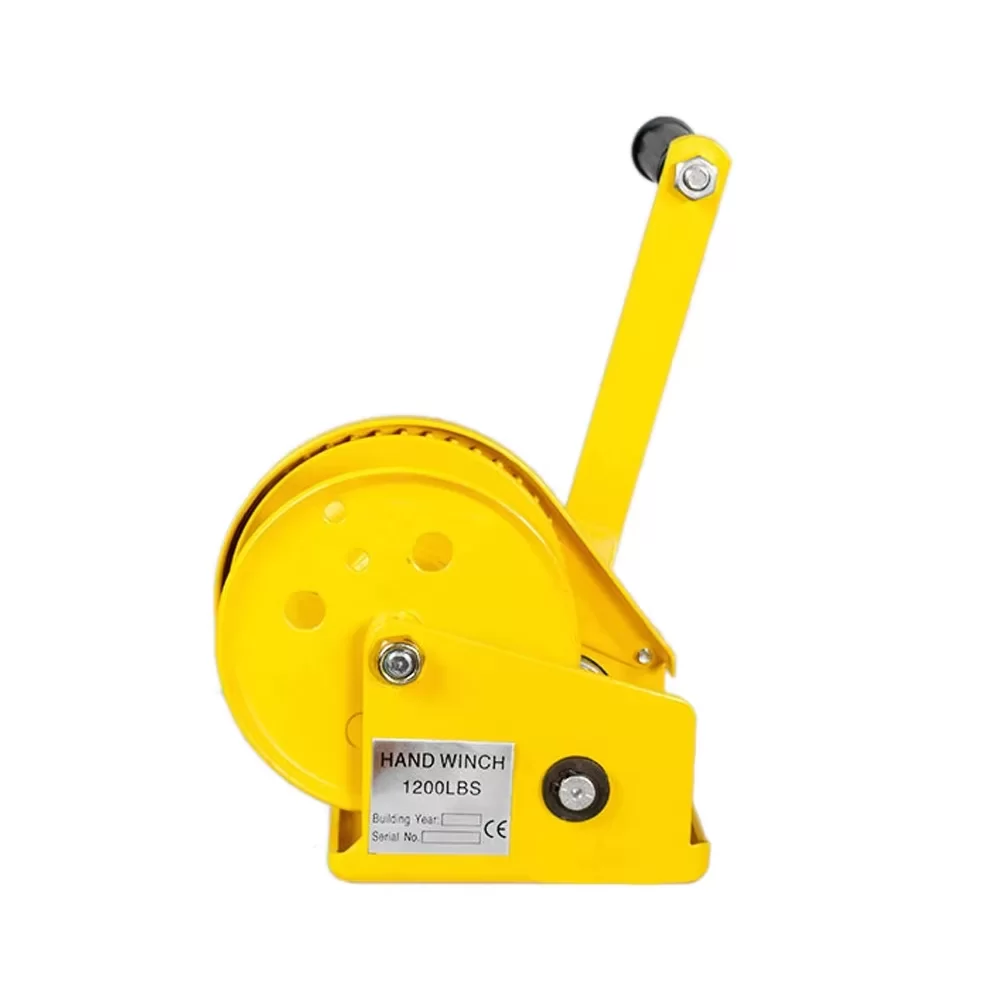
Mining operations in the Amazon region rely on robust electric winch for hauling equipment and materials to and from remote locations. The ability to withstand harsh environmental conditions is critical.

4. Construction Projects in Rio de Janeiro

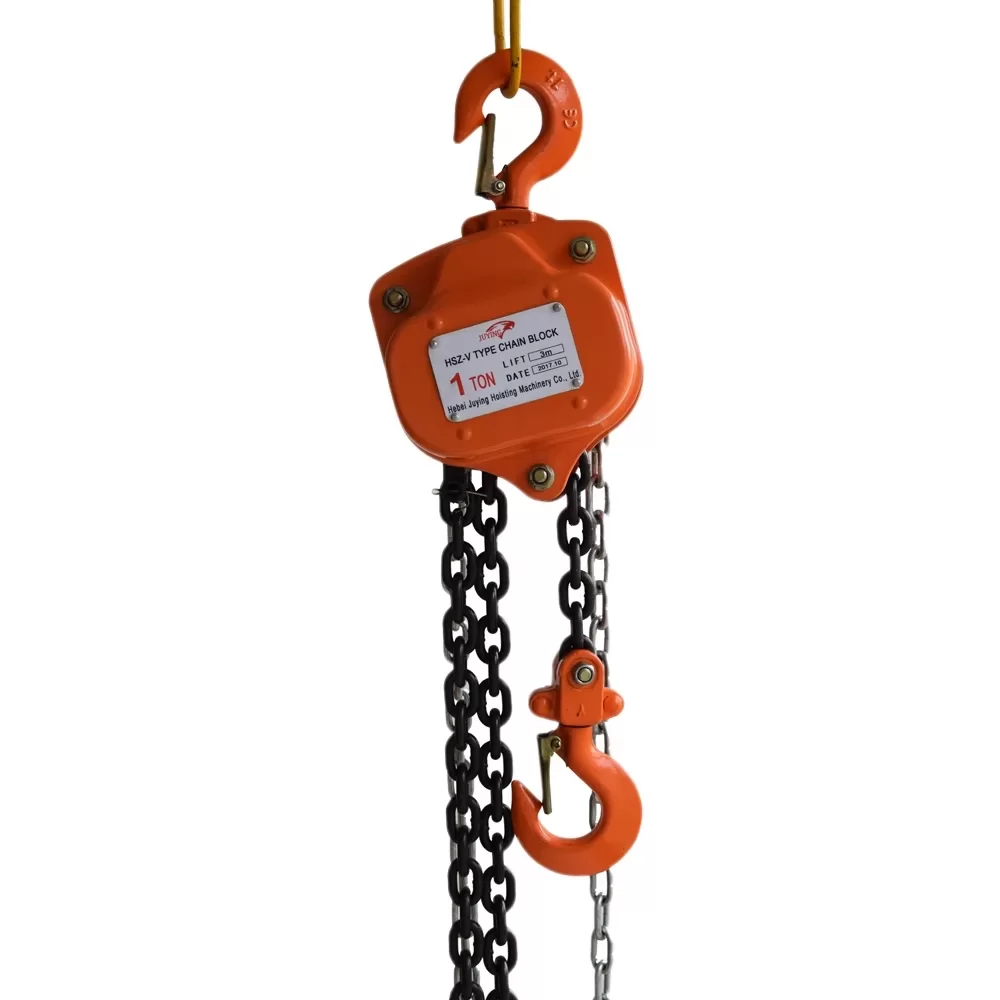
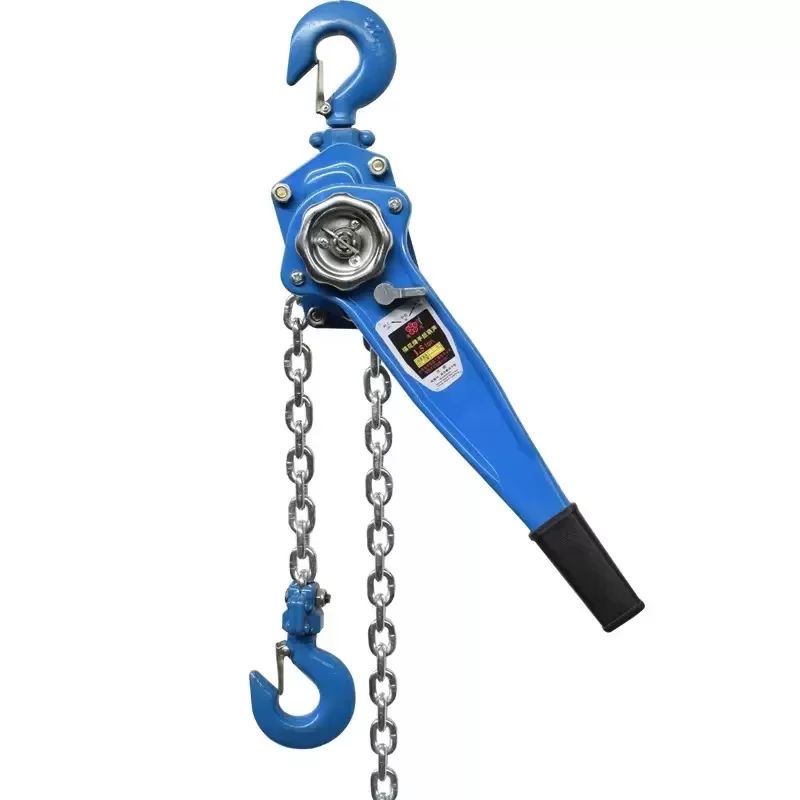
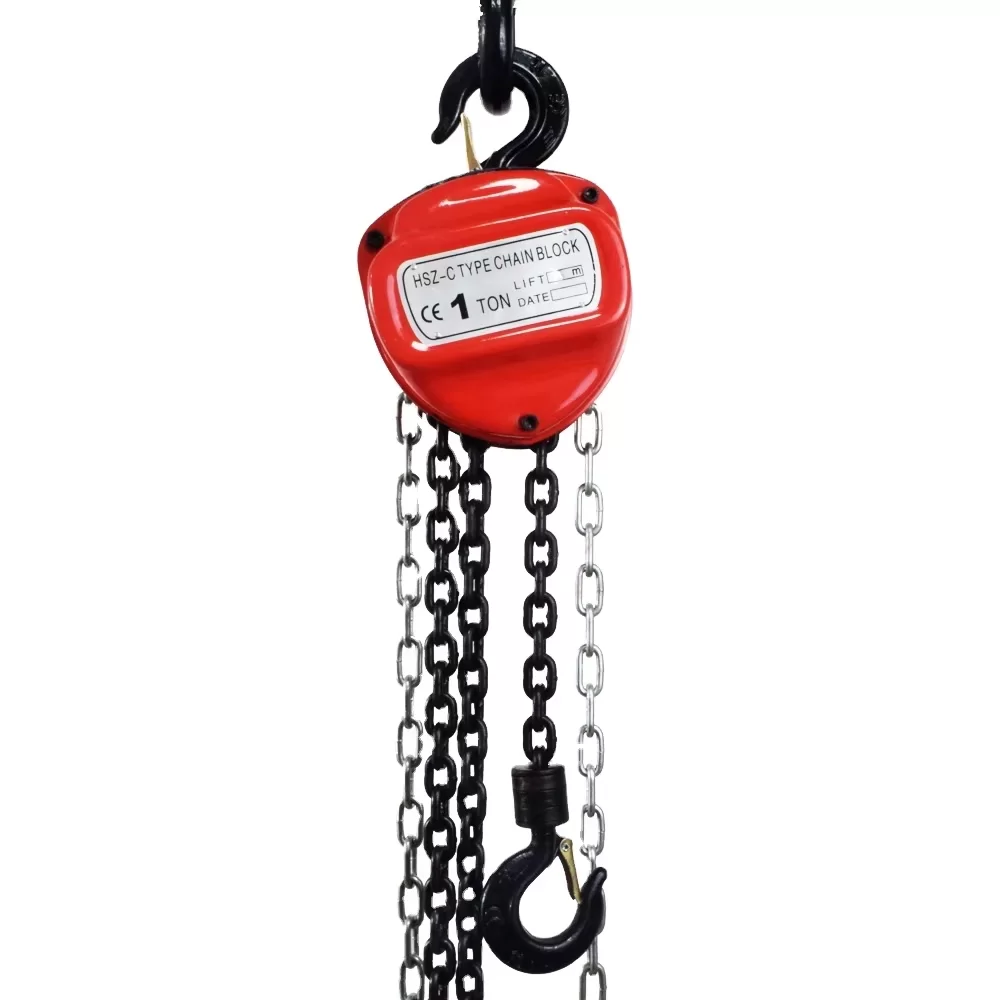
Construction sites in Rio de Janeiro utilize chain hoist electric and manual chain block to lift building materials, scaffolding, and equipment to higher levels. Safety and precision are essential on these projects.

5. Port Logistics in Santos

The Port of Santos, one of the busiest in South America, employs electric trolley systems extensively for loading and unloading cargo from ships, facilitating efficient handling of goods.

Brand Story

Hebei Juying Hoist Machinery Manufacturing Co., Ltd.'s global development journey

Founded on a Commitment to Quality

Juying Hoist was established with a single goal: to provide reliable and durable lifting solutions to industries worldwide. From our inception, we focused on rigorous quality control and continuous improvement.

Expanding Our Global Reach

We quickly expanded our operations beyond China, establishing partnerships with distributors in key markets, including South America, to better serve our customers.

Investing in Innovation

We have consistently invested in research and development, incorporating the latest technologies into our products to improve performance, safety, and efficiency.

Focusing on Customer Satisfaction

We are committed to providing exceptional customer service, offering customized solutions and timely support to meet the unique needs of each client.

Building a Sustainable Future

We are dedicated to sustainable manufacturing practices, minimizing our environmental impact and promoting responsible resource management.

Frequently Asked Questions - Brazil

Answers to common questions about lifting solutions in the Brazilian market.

What are the key safety considerations when using an electric hoist in a humid Brazilian climate?

In humid climates, it's crucial to select hoists with corrosion-resistant coatings and sealed components. Regular inspection and lubrication are essential to prevent rust and ensure smooth operation. Consider using hoists with integrated overload protection and emergency stop features.

How does the voltage in Brazil (127V or 220V) affect the selection of an electric hoist?

Brazil utilizes both 127V and 220V electrical systems. It is vital to choose an electric hoist with the correct voltage rating for your specific location. Using an incorrect voltage can damage the hoist and create a safety hazard.

What are the import regulations for material handling equipment in Brazil?

Importing material handling equipment into Brazil involves navigating complex regulations. You'll likely need to comply with ANVISA (National Health Surveillance Agency) standards and obtain necessary import licenses. It’s advisable to consult with a local customs broker.

What maintenance schedule is recommended for a chain hoist electric operating in a high-usage industrial environment?

For high-usage environments, a chain hoist electric should be inspected monthly and undergo a full maintenance service (lubrication, chain inspection, brake adjustment) every 6 months. Keep detailed maintenance records.

What are the advantages of using a variable frequency drive (VFD) with an electric hoist?

A VFD allows for precise speed control, smooth acceleration and deceleration, and reduced energy consumption. It also minimizes mechanical stress on the hoist, extending its lifespan.

Where can I find certified technicians for electric hoist repairs in Brazil?

Contact reputable material handling equipment suppliers who have a network of certified technicians in Brazil. Ensure the technicians have the necessary training and certifications to perform repairs safely and effectively.

Get in Touch with Us

We're here to help you find the perfect lifting solution for your business in South America – Brazil.

Contact Us Now

If you are interested in our products, you can choose to leave your information here, and we will be in touch with you shortly.