
Electric Winch Solutions for Enhanced Productivity in Mexico

Providing reliable lifting solutions for diverse industrial applications across North America.

Current State of the Lifting Equipment Industry in Mexico

Market Dynamics and Challenges

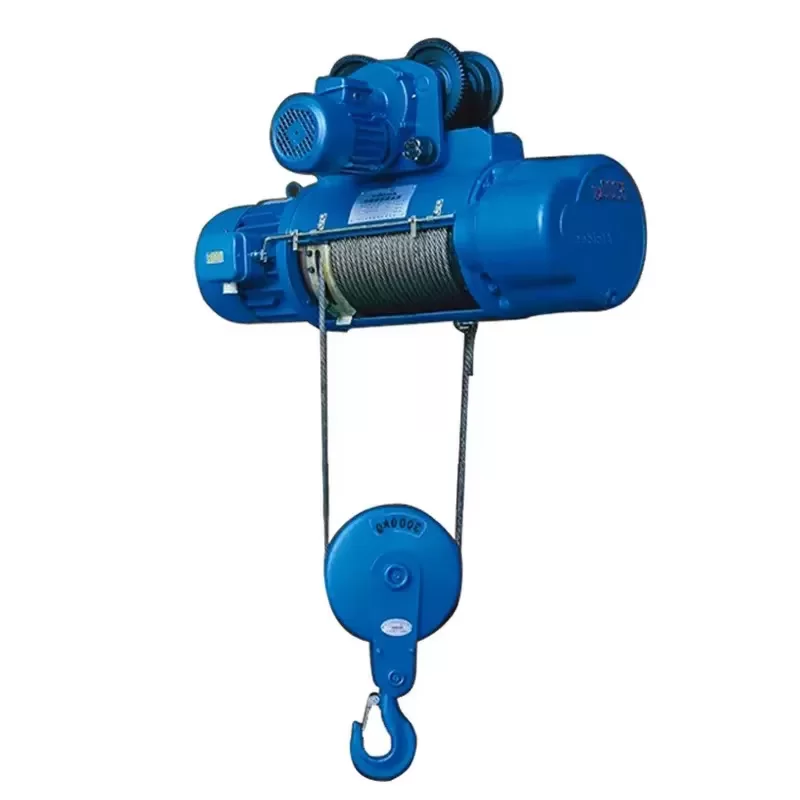
Mexico's manufacturing sector, a crucial component of the North American supply chain, is experiencing substantial growth, particularly in automotive, aerospace, and general industrial applications. This growth directly fuels demand for reliable electric hoist and material handling solutions. However, the industry faces challenges, including navigating stringent safety regulations, maintaining competitive pricing, and adapting to the increasing adoption of automation technologies.

The geographical diversity of Mexico presents logistical complexities. From the industrial hubs of Monterrey and Guadalajara to the port cities along the coasts, the demand for durable and efficient wire rope hoist varies. Climate factors like humidity in coastal regions and high altitudes in central Mexico also necessitate equipment specifically designed to withstand these conditions. Furthermore, the presence of both large multinational corporations and numerous small-to-medium enterprises (SMEs) creates a fragmented market.

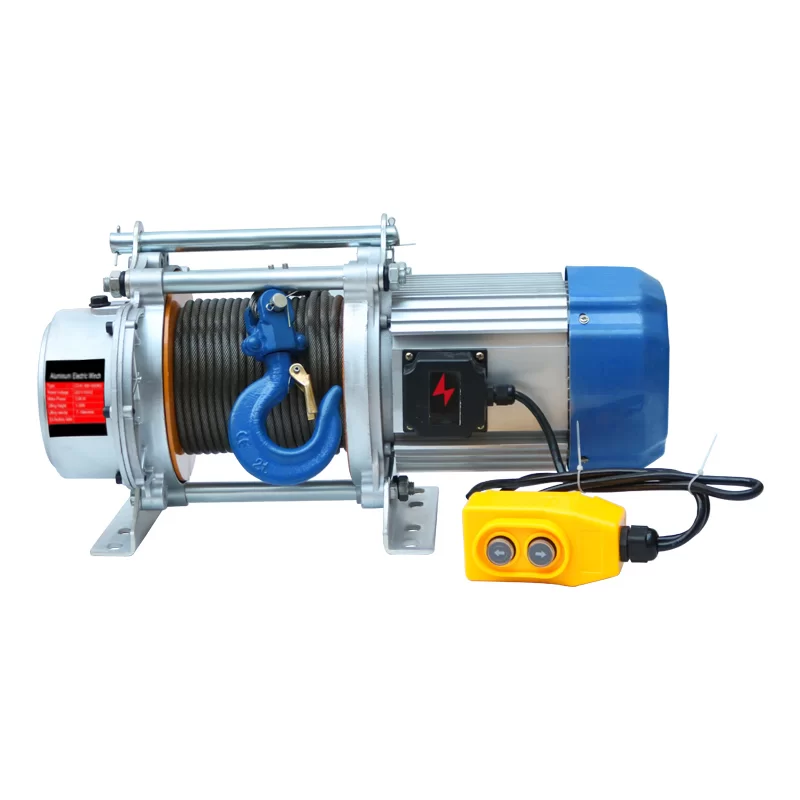
A key trend is the increasing emphasis on worker safety and ergonomic solutions. Mexican manufacturers are proactively investing in modern electric winch systems and chain hoist electric to reduce the risk of workplace injuries and improve overall productivity. This shift is driven by both regulatory compliance and a growing awareness of the benefits of a safe and healthy work environment.
Evolution and Development Trajectory of Lifting Equipment in Mexico

From Manual Labor to Automated Systems

Market Development History

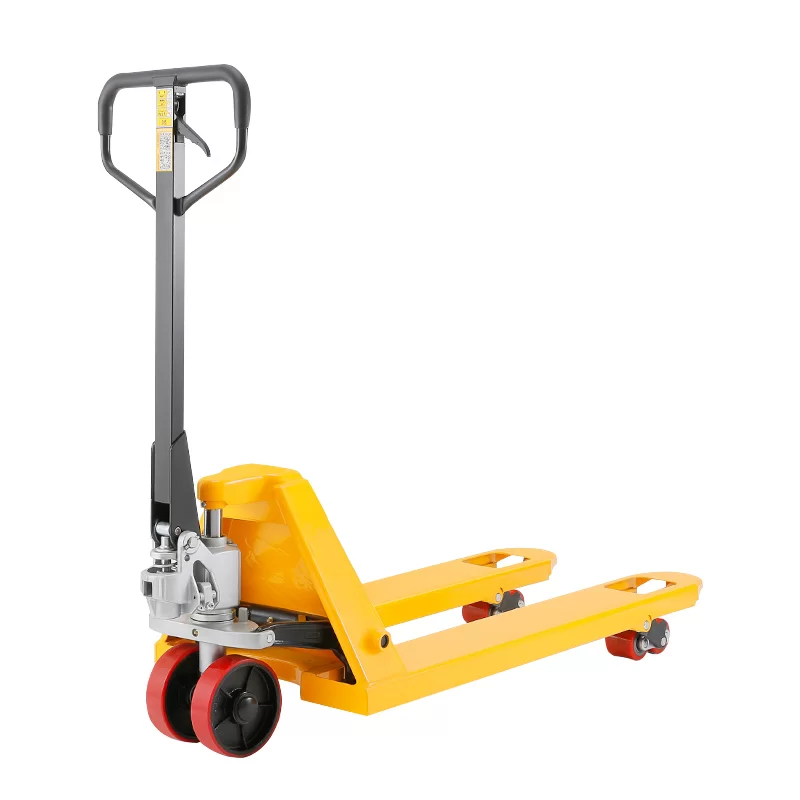
Historically, material handling in Mexico relied heavily on manual labor and basic pulley systems. The 1980s saw the introduction of rudimentary chain blocks and hand-operated hoists, primarily serving smaller workshops. The North American Free Trade Agreement (NAFTA) in 1994 marked a turning point, attracting foreign investment and stimulating the demand for more sophisticated manual chain block and lifting equipment.

The early 2000s witnessed the increasing adoption of electric hoists and wire rope hoists, driven by the expansion of the automotive and manufacturing sectors. Improvements in motor technology and control systems led to greater efficiency and reliability. The rise of lean manufacturing principles further emphasized the need for optimized material flow and the integration of lifting equipment into automated processes. The introduction of Electric trolley systems simplified movement along production lines.

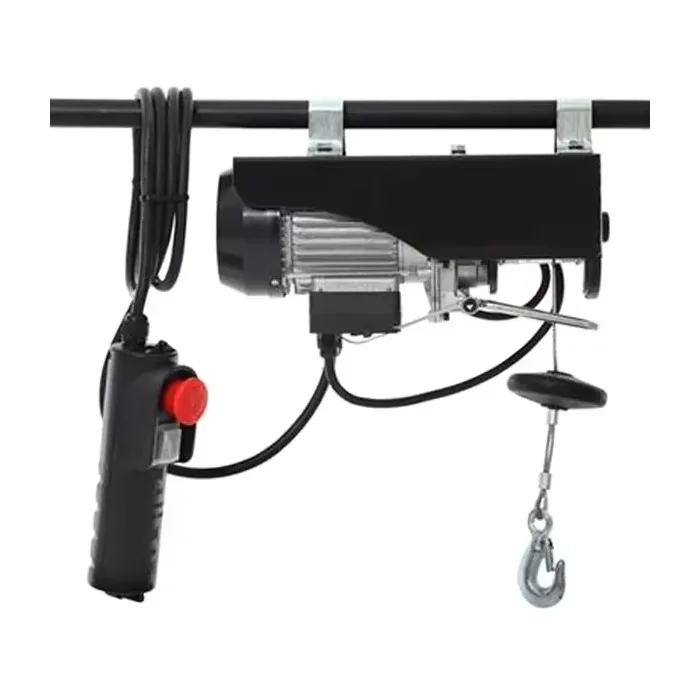
In recent years, there's been a notable shift towards intelligent lifting solutions, incorporating features like variable frequency drives (VFDs), remote control operation, and data analytics. These advancements enable precise control, improved safety, and predictive maintenance capabilities, leading to reduced downtime and increased operational efficiency.

Future Development Trends

Smart Hoist Technology

The integration of IoT (Internet of Things) sensors and cloud-based analytics will become increasingly prevalent. This will enable real-time monitoring of hoist performance, predictive maintenance alerts, and remote diagnostics, minimizing downtime and optimizing operational efficiency. Google Trends data shows a steady increase in searches for "smart hoist" and "predictive maintenance" in the region.

Ergonomic and Lightweight Designs

Focus on improving worker safety and reducing strain will drive demand for lighter, more ergonomic hoists and lifting devices. This includes the development of adjustable-height workstations and assistive lifting technologies. Searches for "ergonomic lifting solutions" are showing consistent growth.

Sustainable Lifting Solutions

Growing environmental consciousness will fuel the demand for energy-efficient hoists and sustainable material handling practices. This includes the development of hoists with regenerative braking systems and the use of eco-friendly materials. "Energy efficient hoist" and "sustainable material handling" are emerging search terms.

Industry Trends and Future Outlook for Lifting Equipment in Mexico

Navigating the evolving landscape of material handling.

Increased Automation Integration
The integration of electric winch and chain hoist electric systems into automated production lines will continue to accelerate, driven by the need for improved efficiency and reduced labor costs.
Growing Demand for Customization
Mexican manufacturers are increasingly seeking customized lifting solutions tailored to their specific needs and applications. This requires suppliers to offer flexible design and engineering capabilities.
Focus on Safety and Compliance
Stringent safety regulations and a growing awareness of workplace safety will drive demand for hoists and lifting equipment that meet international standards and certifications.
Rise of Remote Monitoring and Control
Remote monitoring and control capabilities, facilitated by advancements in wireless technology, will become increasingly essential for optimizing hoist performance and ensuring safety.

Industry Outlook

The Mexican lifting equipment market is projected to grow at a steady pace over the next 3-5 years, driven by the continued expansion of the manufacturing sector and increasing demand for automation solutions. Key opportunities lie in providing customized solutions, prioritizing safety and compliance, and leveraging the latest technologies to enhance efficiency and productivity.

Manufacturers who can adapt to these evolving trends and offer innovative, reliable, and cost-effective lifting solutions will be well-positioned to succeed in this dynamic market.

Local Application Scenarios in Mexico

Real-world examples of lifting equipment in action.

1. Automotive Manufacturing in Puebla

In the automotive plants around Puebla, electric hoist systems are used extensively for lifting engines, transmissions, and other heavy components during the assembly process. The demand is for high-capacity hoists with precise control and safety features.

2. Aerospace Component Production in Queretaro

The aerospace industry in Queretaro relies on wire rope hoist and electric winch for lifting and positioning large aircraft parts and tooling. Precision and reliability are paramount in this application.

3. Bottling and Packaging Plants in Guadalajara

Bottling and packaging facilities in Guadalajara utilize chain hoist electric to handle pallets of bottled beverages and packaged goods. Efficiency and speed are critical factors in this fast-paced environment.

4. Metalworking and Fabrication Shops in Monterrey

Metalworking and fabrication shops throughout Monterrey employ manual chain block and load chain for lifting and maneuvering metal sheets, pipes, and structural components. Durability and robustness are key requirements.

Brand Story

Hebei Juying Hoist Machinery Manufacturing Co., Ltd.'s global development journey

Founding and Core Values

Founded in 2005, Hebei Juying Hoist Machinery Manufacturing Co., Ltd. began with a commitment to providing high-quality, reliable lifting solutions. We prioritize safety, innovation, and customer satisfaction in all our endeavors.

Expanding into International Markets

In 2010, we expanded our reach into international markets, establishing partnerships with distributors across Asia and the Middle East.

Focus on North American Expansion

Recognizing the growth potential in North America, we began focusing on developing products and services tailored to the specific needs of the Mexican and US markets in 2015.

Investment in R&D and Innovation

We invested heavily in research and development, leading to the launch of our next-generation smart hoist systems in 2018.

Commitment to Sustainability

In 2020, we embraced sustainable manufacturing practices and began developing energy-efficient lifting solutions to minimize our environmental impact.

Frequently Asked Questions - Mexico

Addressing common inquiries about our products and services.

What safety standards do your electric hoists comply with in Mexico?

Our electric hoist systems are designed and manufactured to meet or exceed relevant Mexican safety standards (NOMs) as well as international standards like CE and ASME. We provide documentation to verify compliance.

What is the typical lead time for delivery of a wire rope hoist to Mexico?

Typical lead times for wire rope hoist delivery to Mexico range from 4-6 weeks, depending on the specific configuration and current production schedule.

Do you offer installation and maintenance services for your electric winches in Mexico?

We work with a network of qualified service partners throughout Mexico to provide installation, maintenance, and repair services for our electric winch and other lifting equipment.

What is the warranty period for your chain hoist electric products?

We offer a standard 1-year warranty on all our chain hoist electric products, covering defects in materials and workmanship.

Can you provide customized lifting solutions for specific industrial applications in Mexico?

Yes, we specialize in providing customized lifting solutions tailored to the unique requirements of our customers in Mexico. Our engineering team can work with you to design and manufacture a solution that meets your exact needs.

What is the difference between a manual chain block and a chain hoist electric in terms of safety and efficiency?

While both manual chain block and chain hoist electric are used for lifting, electric hoists offer significantly improved safety and efficiency due to features like controlled lifting speeds, precise positioning, and reduced operator fatigue.

Get in Touch With Us

We are dedicated to providing superior lifting solutions to businesses across North America – Mexico. Contact us today to discuss your specific requirements.

Contact Us Now

If you are interested in our products, you can choose to leave your information here, and we will be in touch with you shortly.