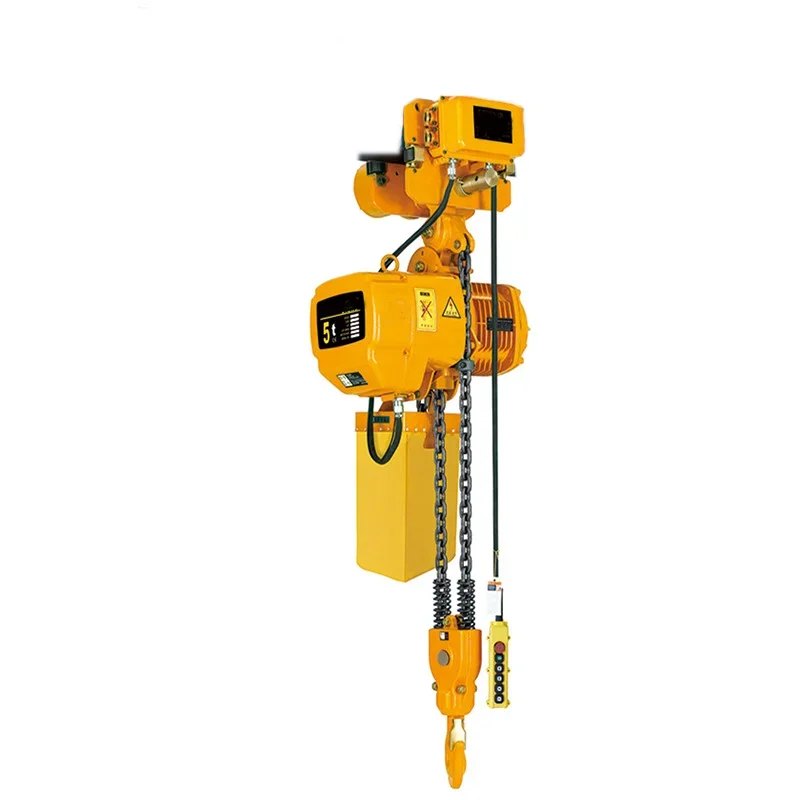
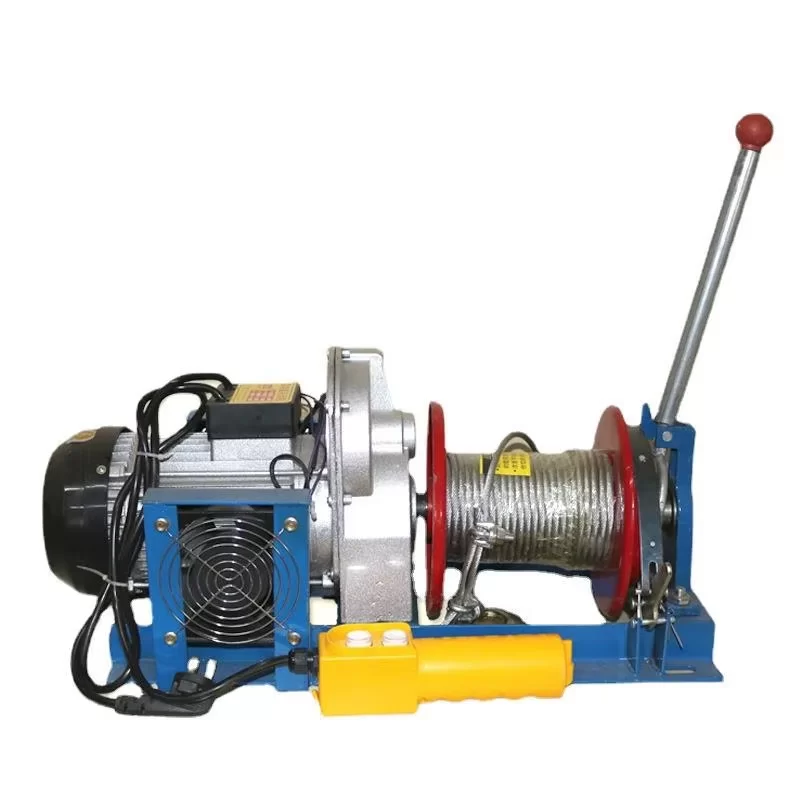
Electric Winch Solutions for Iraq’s Manufacturing Sector

Providing reliable lifting solutions for industrial applications across Iraq.

Current State of Material Handling in Iraq

Analyzing the challenges and opportunities for lifting equipment in the Iraqi manufacturing landscape.

Iraq’s manufacturing sector is undergoing a period of reconstruction and growth following years of conflict. This resurgence is driving increased demand for material handling equipment, including electric hoists, wire rope hoists, and electric winches. The country's infrastructure is still developing, and efficient lifting solutions are crucial for supporting construction projects and industrial operations.

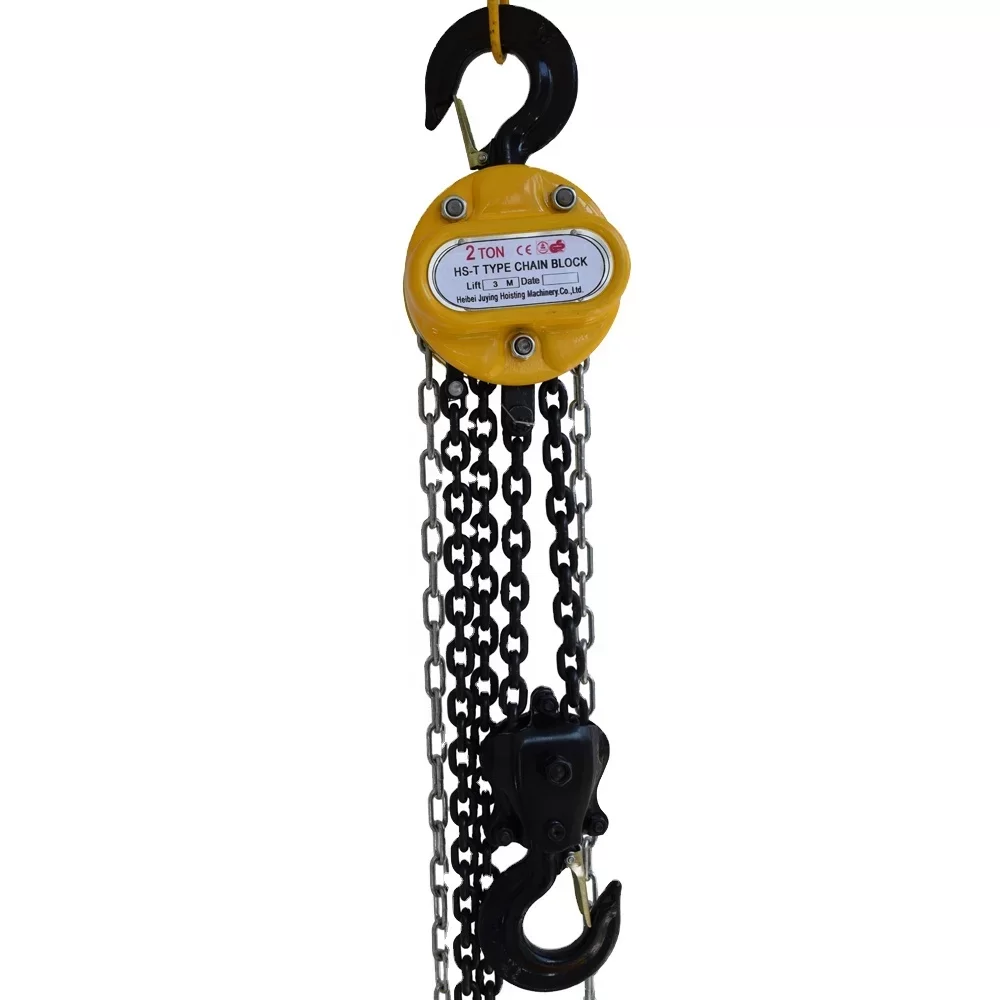
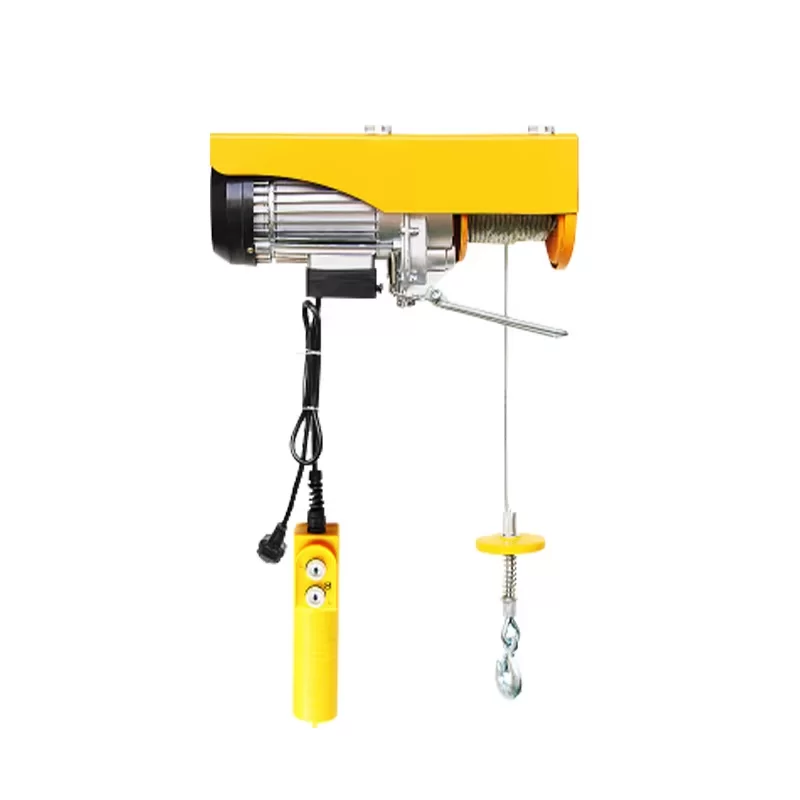
The Iraqi climate presents unique challenges for lifting equipment, with high temperatures and dust storms requiring robust and reliable designs. Many existing facilities rely on older, manually operated systems, leading to inefficiencies and safety concerns. The need for modern, automated solutions like chain hoist electric and Electric trolley models is becoming increasingly apparent.

Import regulations and logistical complexities can present hurdles for sourcing equipment. However, the Iraqi government is actively seeking to attract foreign investment and modernize its industrial base, creating a favorable environment for companies offering high-quality manual chain block and block chain solutions.
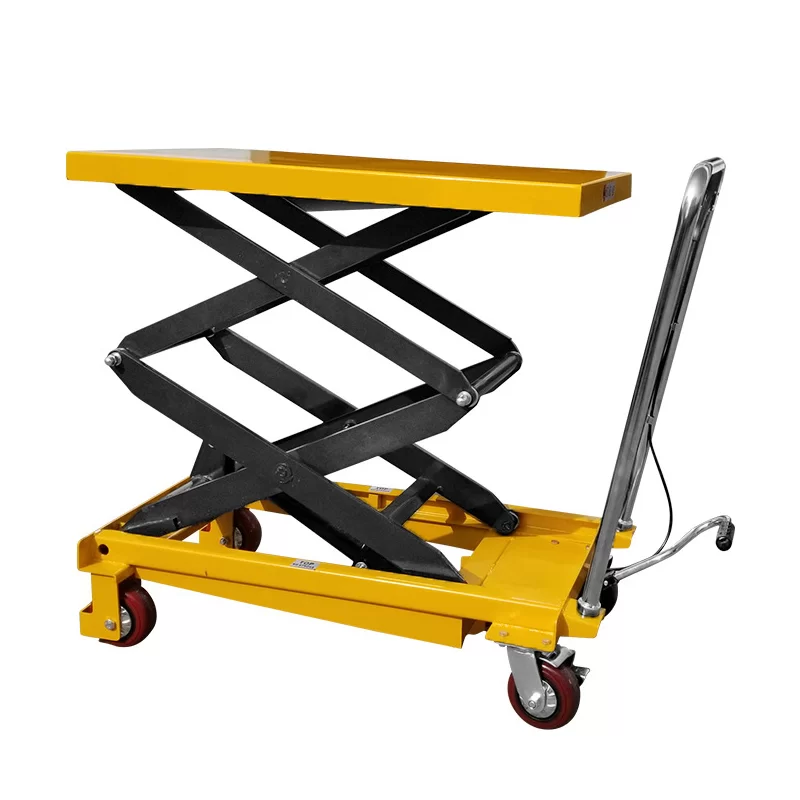
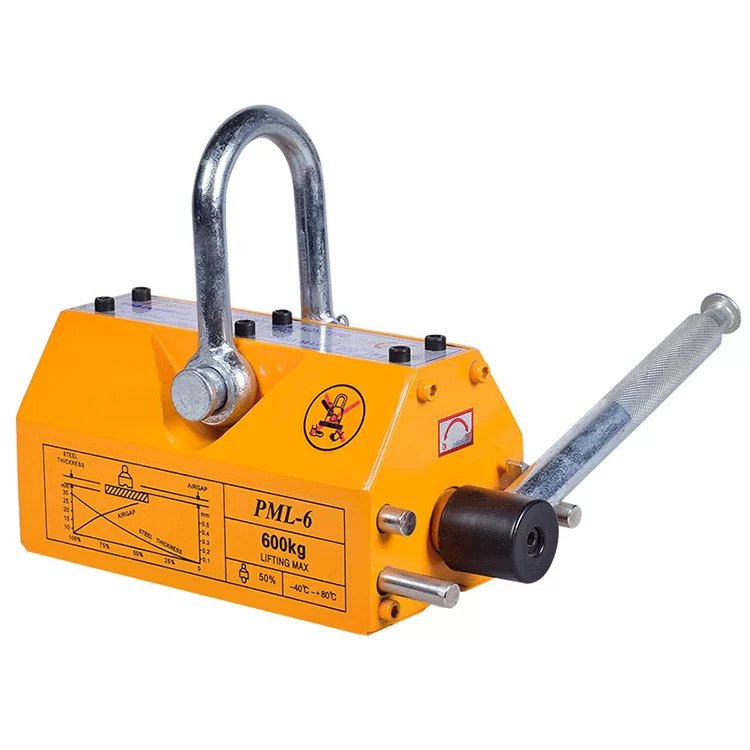
Evolution of Lifting Technology in Iraq

Tracing the historical development of lifting equipment and its adoption in the Iraqi market.

Market Development History

Historically, material handling in Iraq relied heavily on manual labor and basic pulley systems. The 1970s saw the introduction of some early electric hoists, primarily for use in state-owned enterprises. These were often imported from Eastern European countries.

The 1990s and 2000s, marked by sanctions and conflict, severely hampered the development of the sector. Maintenance became a major issue, and many existing machines fell into disrepair. Load chain and Binder chain quality was a concern due to limited access to genuine parts.

Since 2010, with increased stability and investment, there’s been a growing demand for more sophisticated and reliable lifting solutions. This has spurred a shift towards modern electric hoists and winches, incorporating advanced safety features and control systems.

Future Development Trends

Smart Lifting Solutions

The integration of IoT sensors and data analytics will enable predictive maintenance, improved safety, and optimized performance. Real-time monitoring of electric hoist usage will become standard.

Energy Efficiency

Demand for energy-efficient lifting equipment will increase, driven by rising energy costs and environmental concerns. Variable frequency drives (VFDs) will become more prevalent.

Automation and Robotics

The use of automated lifting systems and robotic arms will become more common in manufacturing facilities, increasing productivity and reducing labor costs.

Industry Trends and Future Outlook for Lifting Equipment in Iraq

Exploring the key trends shaping the future of material handling in the Iraqi market.

Increased Demand for Compact Hoists
Growing need for lightweight and portable electric hoist models for maintenance and repair work in confined spaces.
Focus on Safety Features
Enhanced safety mechanisms, such as overload protection, emergency stop buttons, and anti-collision systems, are becoming essential.
Demand for Wireless Control
Wireless remote control systems are gaining popularity, offering greater flexibility and operator safety.
Increased Focus on Durability
Equipment designed to withstand harsh environments and heavy use will be favored, with corrosion-resistant coatings and robust construction.

Industry Outlook

The Iraqi lifting equipment market is poised for continued growth in the coming years, driven by infrastructure development and industrial expansion. The demand for high-quality, reliable, and safe lifting solutions will be paramount.

Government investment in key sectors, such as oil & gas, construction, and manufacturing, will further fuel market growth. Local companies will benefit from partnerships with international suppliers offering advanced technology and expertise.

Local Application Scenarios for Lifting Equipment in Iraq

Exploring real-world applications of lifting equipment in the Iraqi context.

1. Oil & Gas Industry

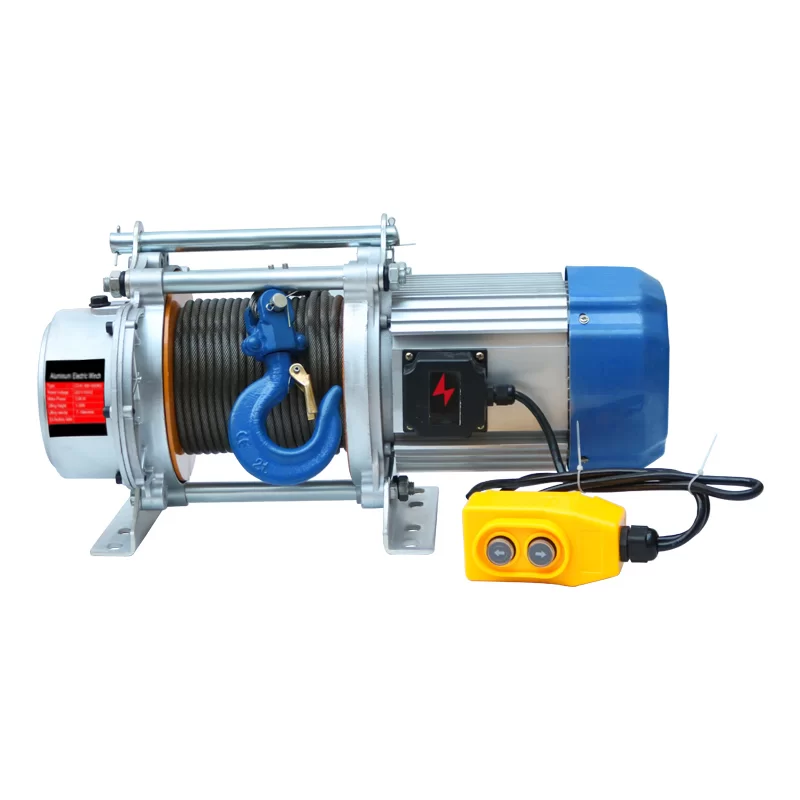
Maintenance and repair of oil rigs and pipelines require reliable electric winches and wire rope hoists for lifting tools, equipment, and personnel.

2. Construction Projects

Large-scale construction projects, such as infrastructure development and building construction, demand heavy-duty electric hoists and chain hoist electric for lifting materials and components.

3. Manufacturing Facilities

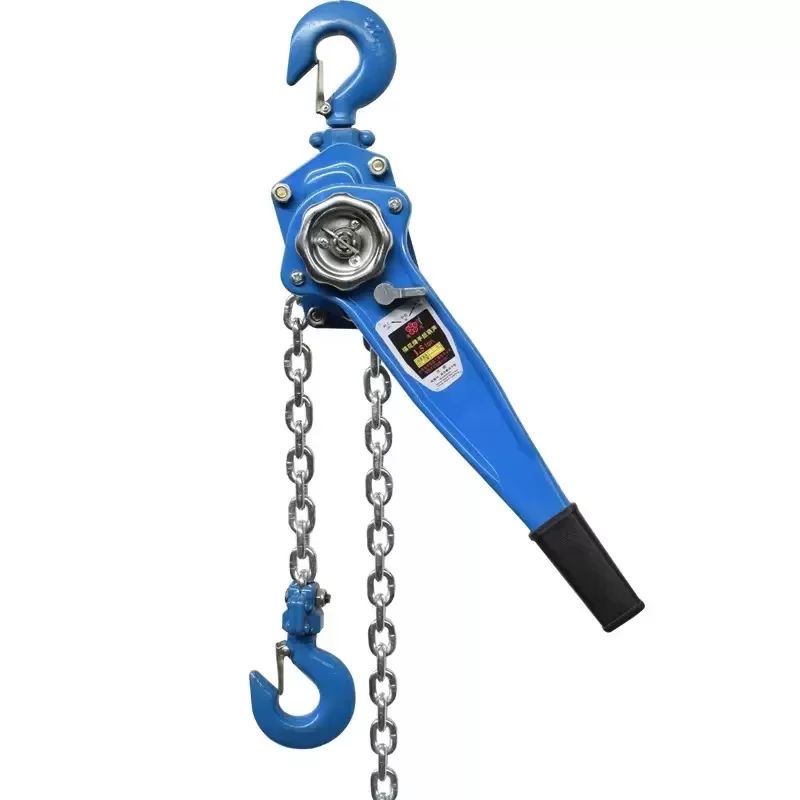
Manufacturing plants require versatile lifting solutions for handling raw materials, finished goods, and machinery. Manual chain block are used in situations where electricity is limited.

4. Port Operations

Loading and unloading cargo at Iraqi ports requires robust lifting equipment, including electric hoist and block chain, to ensure efficient and safe operations.

5. Power Generation Plants

Maintenance and upgrades of power plants rely on electric winch and load chain to lift heavy components and facilitate repairs.

Brand Story

Hebei Juying Hoist Machinery Manufacturing Co., Ltd.'s global development history

Founded on a Commitment to Quality

Established in 2005, Hebei Juying Hoist Machinery Manufacturing Co., Ltd. began with a singular focus: delivering robust and reliable lifting solutions to meet the evolving needs of global industries.

Expanding our Product Portfolio

Over the years, we’ve continuously expanded our product range to include a comprehensive selection of electric hoists, wire rope hoists, chain hoists, and related lifting equipment.

Investing in Innovation

We've invested heavily in research and development, incorporating advanced technologies and materials to enhance the performance, safety, and durability of our products.

Global Reach & Local Support

We are now serving customers across the globe, building strong partnerships and providing localized support to ensure customer satisfaction.

Our Mission

To provide superior lifting solutions that empower industries, enhance safety, and drive efficiency, specifically addressing the challenges faced by manufacturers in demanding environments like Iraq.

Frequently Asked Questions – Lifting Equipment in Iraq

Addressing common questions about selecting, using, and maintaining lifting equipment in the Iraqi market.

What is the recommended lifting capacity for an electric hoist used in a typical Iraqi manufacturing facility?

The recommended lifting capacity depends on the specific application and the weight of the materials being handled. A thorough load assessment is crucial to determine the appropriate hoist capacity, typically ranging from 1 ton to 10 tons for standard manufacturing operations.

How do I ensure my electric hoist is suitable for the high temperatures in Iraq?

Select a hoist specifically designed for high-temperature environments. Look for models with specialized insulation, heat-resistant lubricants, and cooling systems. Regular maintenance is also essential to ensure optimal performance.

What safety features should I look for when purchasing a wire rope hoist for use in a dusty environment?

Prioritize hoists with sealed motors, enclosed gearboxes, and dust-proof control panels. Regularly inspect and clean the wire rope to prevent corrosion and wear. Consider using wire rope lubricants to further protect against dust ingress.

What maintenance schedule is recommended for a chain hoist electric operating in an Iraqi industrial setting?

Regular inspections (weekly/monthly) are crucial, focusing on chain lubrication, brake adjustments, and electrical connections. Annual professional maintenance is recommended to ensure long-term reliability and safety.

Are there specific Iraqi regulations regarding the inspection and certification of lifting equipment?

Yes, it’s essential to comply with Iraqi safety standards and regulations regarding lifting equipment inspection and certification. Consult with local authorities or qualified inspection agencies to ensure compliance.

What is the typical lead time for delivery of lifting equipment to Iraq?

Delivery times can vary depending on the specific equipment, shipping route, and customs clearance procedures. Typically, expect a lead time of 4-8 weeks from order placement to delivery in Iraq.

Get in Touch for Your Lifting Needs in Iraq

We are dedicated to providing reliable and efficient lifting solutions to businesses across Iraq. Contact us today to discuss your specific requirements.

Contact Us Now

If you are interested in our products, you can choose to leave your information here, and we will be in touch with you shortly.