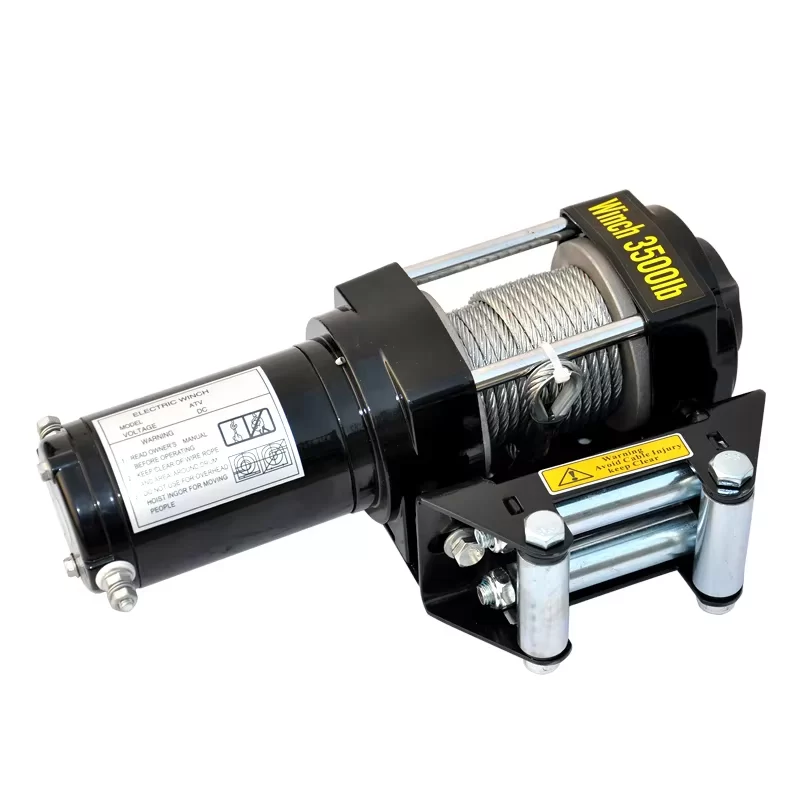
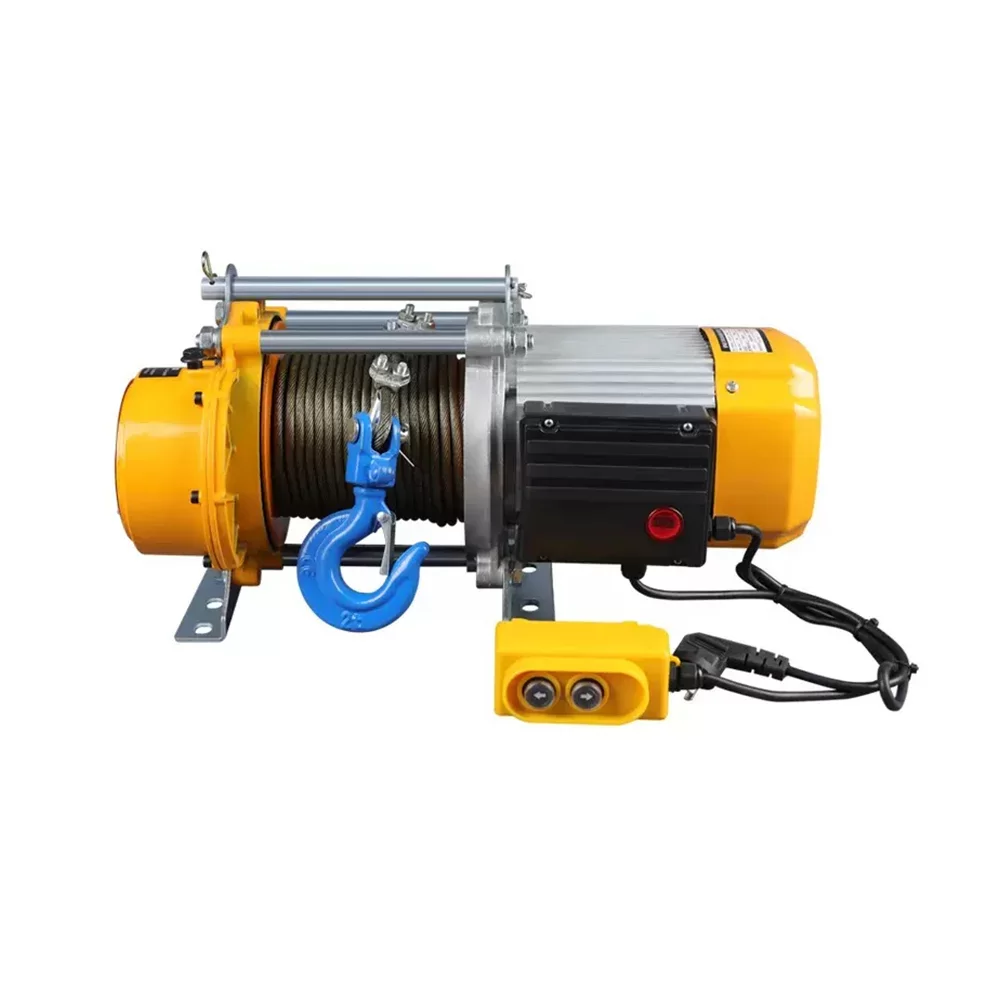
Electric Winch Solutions for Japanese Manufacturing: Powering Efficiency and Safety

Optimized lifting solutions for industrial applications across Japan, featuring electric hoists, wire rope hoists, and more.

Electric Winch Solutions for Japanese Manufacturing: Powering Efficiency and Safety

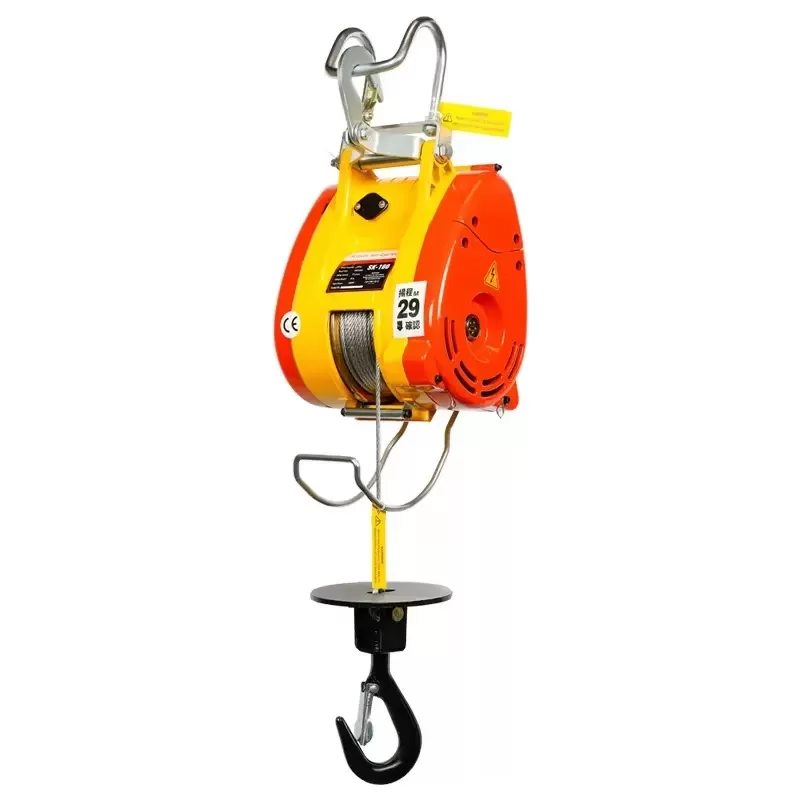
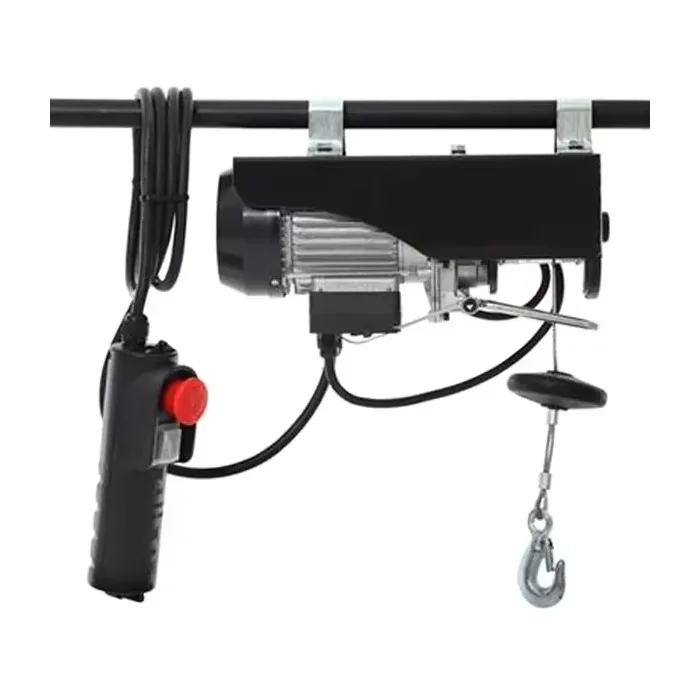
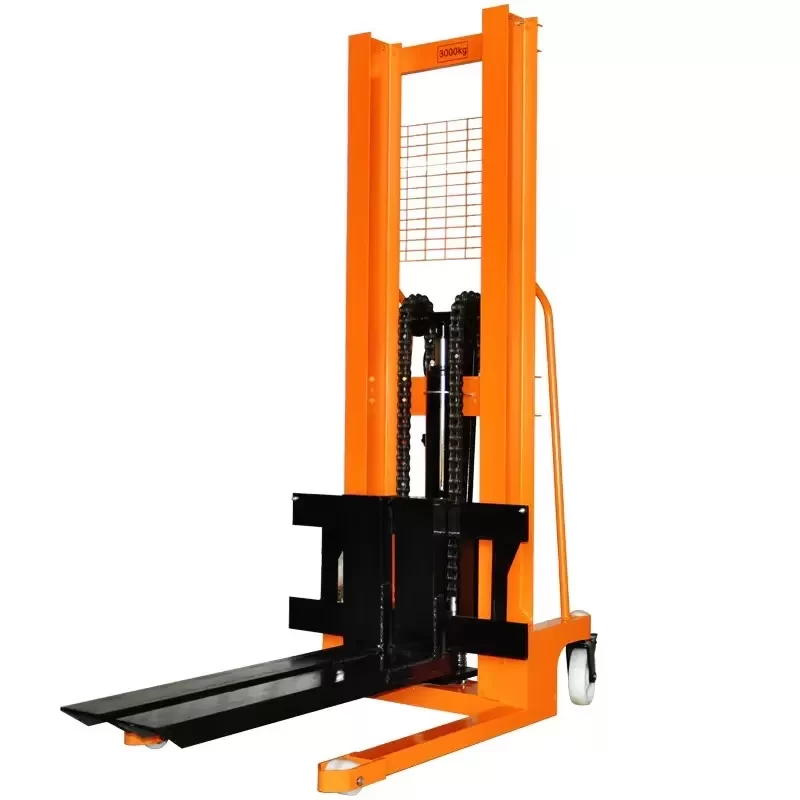
We provide a comprehensive range of lifting equipment tailored to the rigorous demands of Japanese manufacturing, including electric hoists, wire rope hoists, and related components.

Current Landscape of Material Handling in Japan

Analysis of the Japanese market for lifting equipment.

Japan's manufacturing sector, a cornerstone of its economy, demands highly reliable and precise material handling solutions. Due to the country's frequent seismic activity, safety standards are paramount, leading to a preference for equipment exceeding global benchmarks. Demand for electric hoist systems is consistently high.

The aging workforce in Japan presents unique challenges, increasing the need for ergonomic and automated lifting solutions. Manufacturers are actively investing in wire rope hoist systems and Electric trolley systems to improve efficiency and reduce worker strain. Space constraints in many Japanese factories also drive demand for compact and versatile equipment.

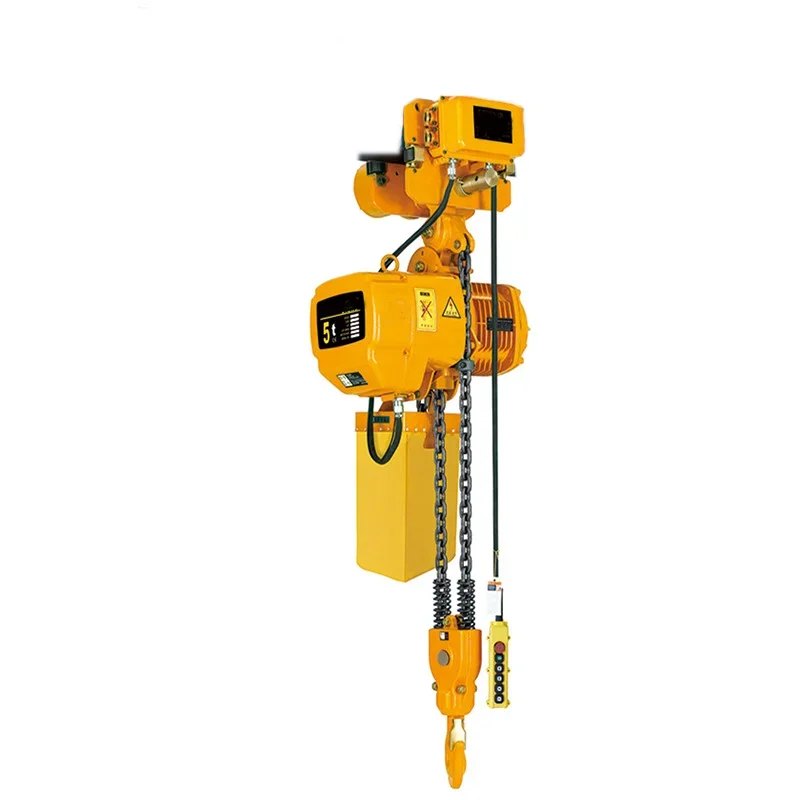
Stringent quality control and a focus on long-term durability are key factors influencing purchasing decisions. Japanese manufacturers prioritize equipment that minimizes downtime and reduces maintenance costs. chain hoist electric models are increasingly popular for their reliability and ease of maintenance.

Evolution of Lifting Technology in Japan

Tracing the development of lifting equipment in the Japanese industrial landscape.

Market Development History

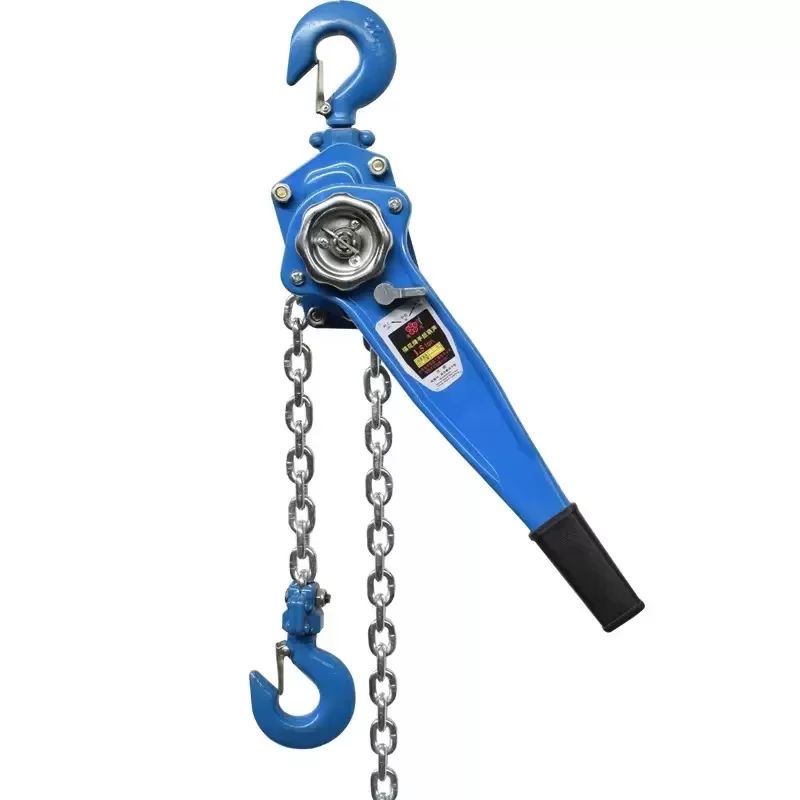
Historically, manual lifting methods dominated Japanese factories. From the post-war reconstruction period through the 1970s, the focus was on basic functionality and affordability. The first introduction of manual chain block systems marked a significant step toward improving lifting efficiency.

The 1980s and 90s witnessed the rapid adoption of electric and hydraulic lifting technologies, driven by the rise of automation and a growing emphasis on safety. electric winch systems became commonplace in automotive and heavy manufacturing plants. The introduction of variable frequency drives (VFDs) allowed for precise control of lifting speed and positioning.

The 21st century has seen a surge in demand for smart lifting solutions, incorporating IoT sensors, remote monitoring, and predictive maintenance capabilities. Manufacturers are now seeking integrated systems that can optimize material flow and minimize downtime. Modern block chain and load chain technologies provide improved safety and durability.

Future Development Trends

Smart Hoisting Systems

Integration of AI and machine learning for predictive maintenance and optimized lifting operations. Google Trends data shows a significant increase in searches for “smart hoist” and “remote monitoring” in the Japanese market.

Miniaturization and Lightweight Design

Demand for compact and lightweight lifting equipment suitable for confined spaces and robotic applications. The trend aligns with Japan’s focus on automation and space-efficient manufacturing.

Enhanced Safety Features

Development of advanced safety systems, including collision avoidance, overload protection, and emergency stop mechanisms. Japanese standards for industrial safety are among the strictest globally, driving innovation in this area.

Industry Trends and Future Outlook for Lifting Equipment in Japan

Analyzing current trends and forecasting the future of lifting solutions in the Japanese market.

Increased Demand for Compact Solutions
Japan’s limited factory space is driving demand for smaller, more versatile lifting equipment.
Growing Adoption of IoT & Remote Monitoring
Japanese manufacturers are actively integrating IoT sensors into lifting equipment for predictive maintenance and performance optimization.
Focus on Energy Efficiency
Japanese companies are prioritizing energy-efficient lifting solutions to reduce their carbon footprint and lower operating costs.
Stringent Safety Regulations
Japan’s robust safety standards necessitate lifting equipment with advanced safety features and rigorous certification.

Industry Outlook

The Japanese lifting equipment market is expected to experience steady growth over the next 3-5 years, driven by the ongoing need for automation and improved safety. Investment in smart lifting solutions will continue to rise, fueled by government initiatives promoting Industry 4.0.

Manufacturers will increasingly prioritize solutions that address the challenges posed by the aging workforce and limited factory space. Demand for compact, energy-efficient, and remotely monitored lifting equipment will remain strong. Binder chain usage will increase for specialized applications.

Local Application Scenarios in Japanese Industry

Real-world examples of lifting equipment applications in Japan.

1. Automotive Manufacturing (Toyota Plant, Aichi Prefecture)

Electric hoists are extensively used in automotive assembly lines to lift and position heavy components such as engines and transmissions. Precision and reliability are critical in this application.

2. Electronics Assembly (Panasonic Factory, Osaka)

Compact chain hoists are employed in electronics factories to handle delicate components and assemblies. The need for precise control and minimal vibration is paramount.

3. Shipbuilding (Mitsubishi Heavy Industries, Nagasaki)

Heavy-duty wire rope hoists are utilized in shipbuilding yards to lift large steel plates and sections during hull construction. These hoists must withstand harsh marine environments.

4. Food Processing (Nissin Foods Factory, Tokyo)

Sanitary-grade electric winches are used in food processing plants to lift and move ingredients and finished products. Hygiene and safety are of utmost importance.

5. Warehouse and Logistics (Amazon Fulfillment Center, Japan)

Automated electric trolley systems with wire rope hoists are integrated into warehouse automation systems for efficient order fulfillment and material handling.

Brand Story

Hebei Juying Hoist Machinery Manufacturing Co., Ltd. Global Development Journey

Commitment to Quality

Established in 2005, Hebei Juying Hoist began with a dedication to providing durable and reliable lifting solutions for diverse industrial needs.

Innovation and Technology

In 2010, we invested heavily in R&D, introducing advanced manufacturing techniques and incorporating cutting-edge technologies into our products.

Global Expansion

2015 marked our entry into the international market, serving customers across Asia, Europe, and the Americas.

Focus on Customer Satisfaction

We prioritize customer needs and strive to deliver exceptional service and support, ensuring long-term partnerships.

Mission to Empower Industry

Our mission is to empower industries worldwide with safe, efficient, and innovative lifting solutions, driving productivity and reducing operational risks.

Frequently Asked Questions: Lifting Solutions in Japan

Answers to common questions about our products and services in the Japanese market.

What are the key safety certifications required for electric hoists used in Japanese factories?

Japanese factories typically require compliance with JIS (Japanese Industrial Standards) and potentially other certifications depending on the specific application and industry. We ensure all our products meet these stringent standards.

How do your electric winches perform in Japan's humid climate?

Our electric winches are designed with corrosion-resistant materials and sealed components to withstand Japan's humid climate and prevent damage from moisture.

What is the typical lead time for delivering a chain hoist electric to a location in Tokyo?

Typical lead time for delivery to Tokyo is 7-10 business days, depending on stock availability and customs clearance procedures.

Do you offer on-site maintenance and repair services for wire rope hoists in Osaka?

We partner with local service providers in Osaka to offer comprehensive on-site maintenance and repair services for wire rope hoists.

What are the voltage requirements for your electric hoists in Japan?

Our electric hoists are available in various voltage options, including 200V and 400V, to meet Japan's standard electrical requirements.

Can you provide Binder chain solutions specifically designed for high-precision lifting applications?

Yes, we offer a range of binder chains engineered for high-precision lifting, providing exceptional stability and load control.

Let's Discuss Your Lifting Needs in Japan

Our team is ready to provide expert guidance and tailored solutions for your material handling requirements in Japan.

Contact Us Now

If you are interested in our products, you can choose to leave your information here, and we will be in touch with you shortly.