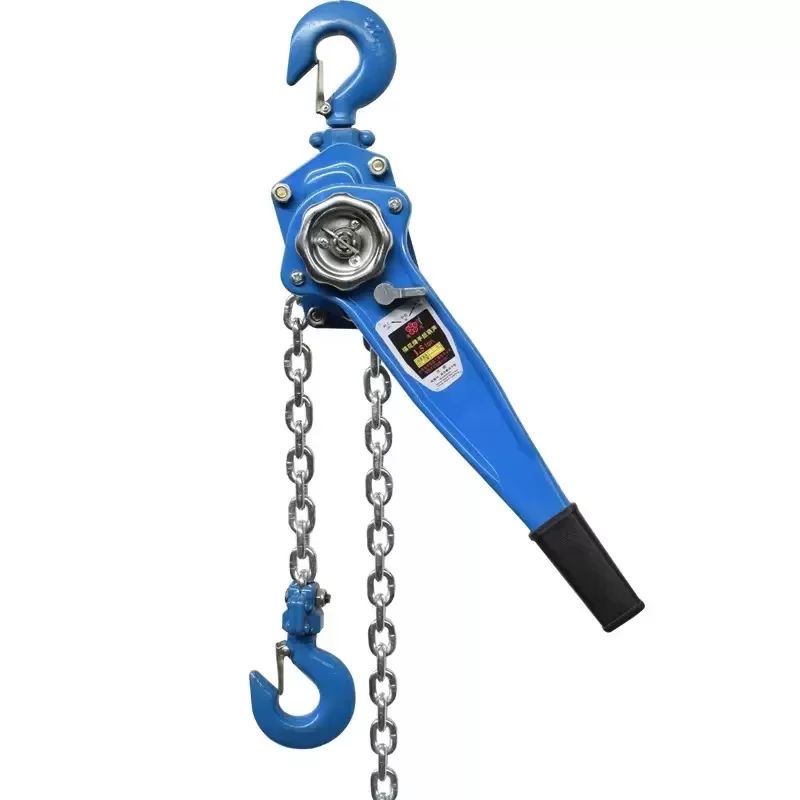
Electric Winch Solutions for Kenyan Manufacturing: Optimizing Material Handling

Delivering reliable lifting solutions for diverse industrial applications in Kenya.

Electric Winch Solutions for Kenyan Manufacturing: Optimizing Material Handling

Providing a comprehensive range of electric hoists, wire rope hoists, and related lifting equipment tailored for the Kenyan industrial sector.

Current State of Material Handling in Kenya

Analyzing the challenges and opportunities in Kenya's material handling equipment market.

Kenya's manufacturing sector is experiencing growth, driven by investments in infrastructure and a rising demand for locally produced goods. This growth necessitates efficient material handling solutions. However, many businesses still rely on manual labor and outdated equipment, leading to inefficiencies and safety concerns. The demand for electric hoist systems is steadily increasing as companies seek to modernize operations.

Geographically, Kenya's diverse terrain presents unique logistical challenges. Coastal regions require equipment resistant to humidity and corrosion, while inland areas demand robust solutions for handling heavy loads. The availability of skilled technicians for maintenance and repair is also a critical factor. Consequently, wire rope hoist demand rises due to durability and dependability.

Economic factors, such as fluctuating currency exchange rates and import duties, influence the cost of material handling equipment. Local manufacturers are emerging, but often lack the technological capabilities to compete with established international brands. The need for affordable and reliable chain hoist electric options is particularly acute amongst SMEs.
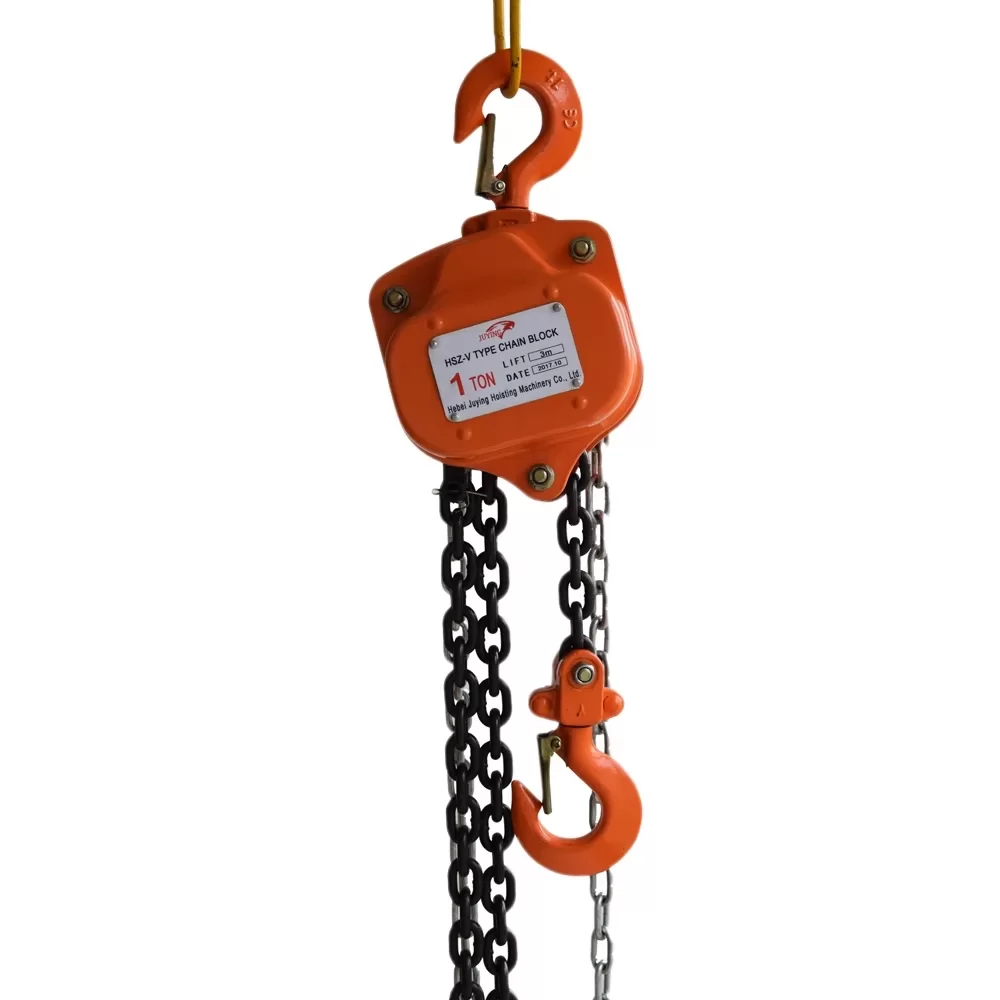
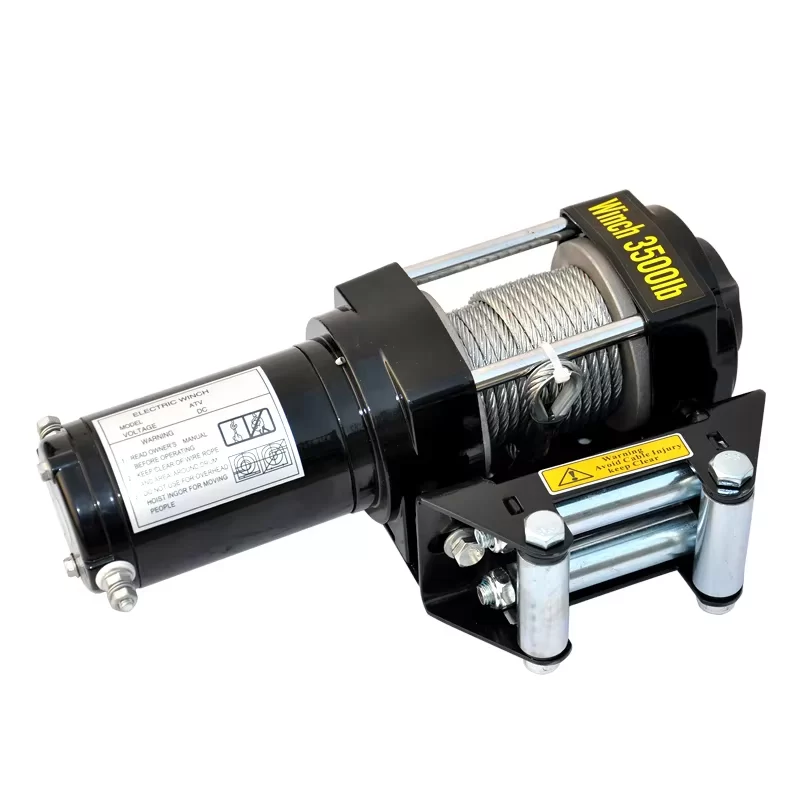
Evolution of Material Handling Technology in Kenya

Tracing the development of lifting equipment from traditional methods to modern electric solutions.

Market Development History

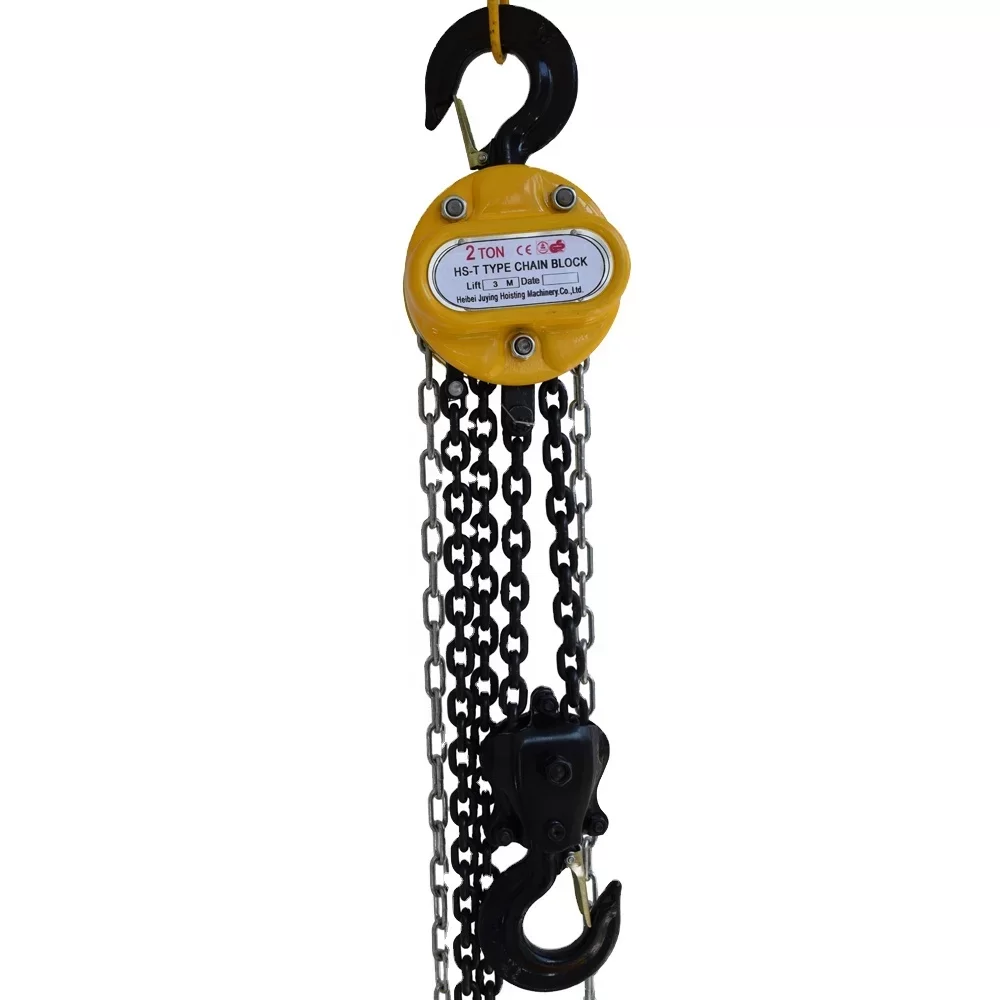
Historically, material handling in Kenya relied heavily on manual labor and basic pulley systems. In the 1980s and 90s, the introduction of manually operated manual chain block systems marked a step towards improved efficiency. However, these systems were still physically demanding and limited in lifting capacity.

The early 2000s saw the gradual adoption of electric hoists, primarily in larger manufacturing facilities and construction projects. Improved electricity infrastructure and a growing awareness of safety standards drove this trend. The introduction of Electric trolley systems further enhanced operational efficiency.

Over the past decade, there's been a noticeable shift towards more sophisticated and automated material handling solutions, including variable-speed drives and remote-control systems. Increased competition among suppliers has also lowered prices and improved product quality. The utilization of load chain has also become popular as businesses demand more safety and dependability.

Future Development Trends

Smart Lifting Systems

Integration of IoT sensors and data analytics for predictive maintenance and real-time monitoring of hoist performance. This aligns with Google Trends showing increased searches for "smart lifting solutions" in East Africa.

Energy Efficiency

Growing demand for energy-efficient electric winch systems to reduce operating costs and environmental impact. This trend is supported by government initiatives promoting sustainable manufacturing practices.

Customization and Modular Design

A move towards modular hoist designs that can be easily customized to meet specific application requirements. This offers greater flexibility and cost-effectiveness for businesses of all sizes. The demand for block chain systems increases due to customization options.

Industry Trends and Future Outlook for Lifting Equipment in Kenya

Exploring emerging technologies and anticipating future demand for material handling solutions.

Increased Demand for Compact Hoists
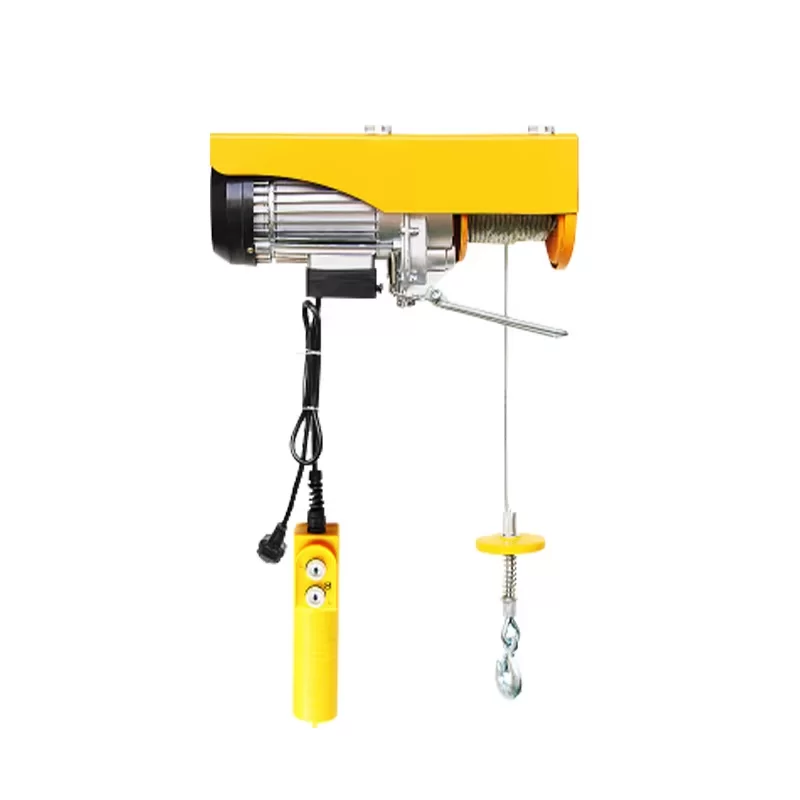
Kenya's growing SME sector requires compact and affordable lifting solutions. Expect a rise in demand for smaller electric hoist models.
Growing Focus on Safety Features
Increasing awareness of workplace safety standards will drive demand for hoists equipped with overload protection, emergency stop buttons, and other safety features, especially in wire rope hoist systems.
Rise of Remote Monitoring and Control
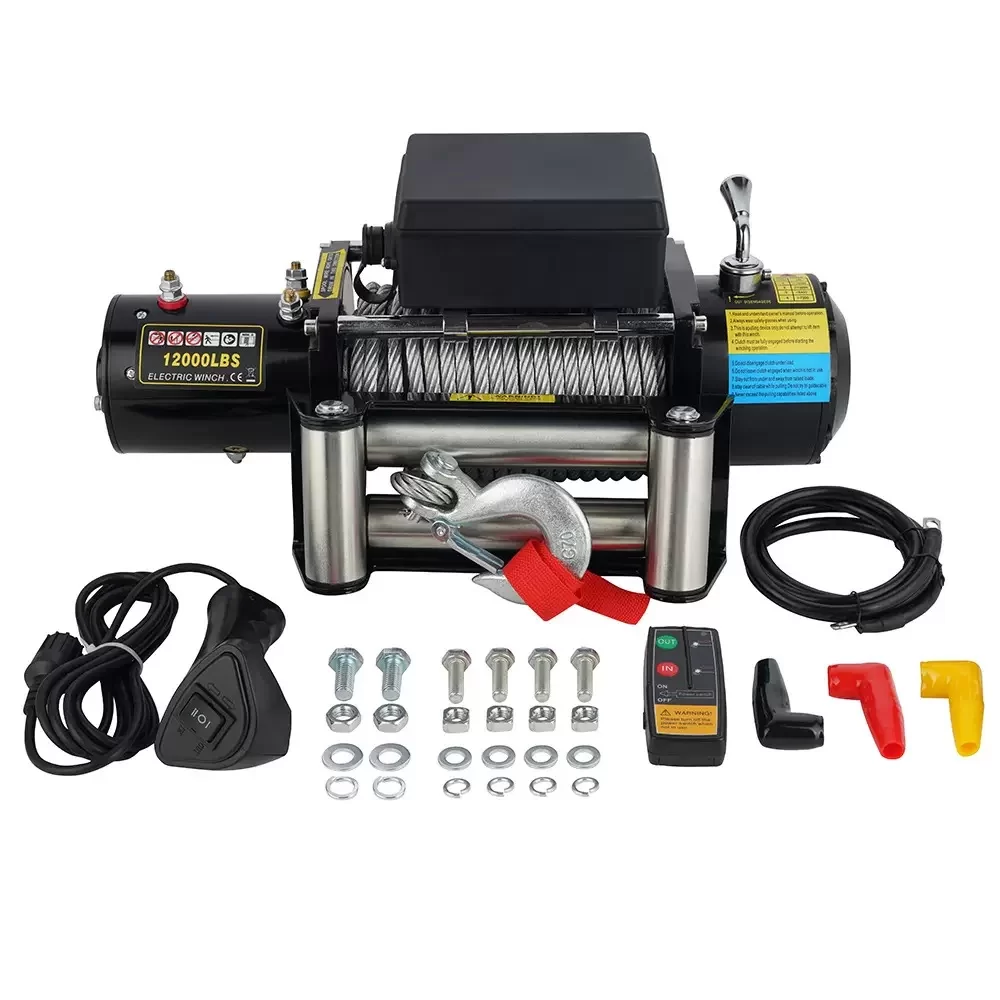
Remote monitoring and control systems will become increasingly prevalent, allowing for optimized performance and proactive maintenance. This will become more common in electric winch applications.
Emphasis on Sustainable Solutions
Demand for energy-efficient and environmentally friendly lifting equipment will increase as businesses prioritize sustainability. This is applicable for Binder chain systems.

Industry Outlook

The Kenyan material handling equipment market is poised for continued growth, driven by investments in manufacturing, construction, and logistics. Technological advancements and a growing focus on safety and efficiency will shape the industry landscape.

Local manufacturers have the potential to capitalize on this growth by offering customized solutions and competitive pricing. Collaboration with international technology partners can accelerate innovation and enhance product quality.

Localized Application Scenarios for Lifting Equipment in Kenya

Real-world examples of how lifting solutions are used across various industries in Kenya.

1. Tea Processing Factories

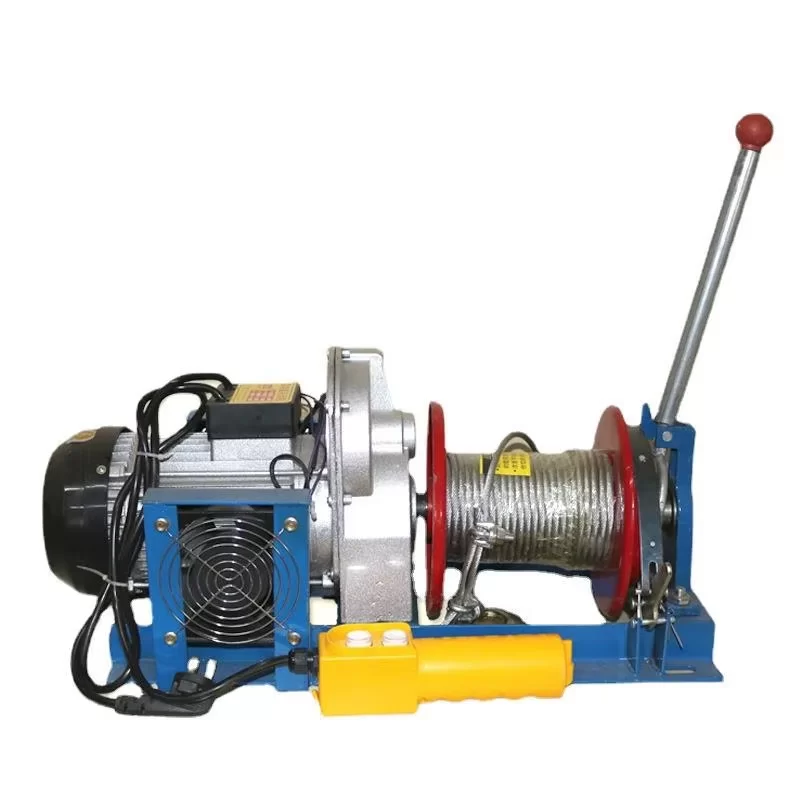
Tea factories in Kenya require reliable lifting equipment for handling tea leaves and processed tea. Electric trolley systems are used to efficiently move materials between processing stages.

2. Coffee Warehouses

Coffee warehouses need robust lifting solutions for stacking and retrieving coffee bags. Wire rope hoist systems with high lifting capacities are essential for this application.

3. Construction Sites

The booming construction sector in Kenya utilizes a wide range of lifting equipment, including electric winch systems for lifting building materials and equipment.

4. Agricultural Processing Plants

Plants processing fruits, vegetables, and other agricultural products require sanitary and efficient lifting solutions. Chain hoist electric units are often used in these environments.

Brand Story

Hebei Juying Hoist Machinery Manufacturing Co., Ltd.’s global development journey

Established Foundation

Founded in 2008, Hebei Juying Hoist Machinery Manufacturing Co., Ltd. began with a commitment to deliver high-quality lifting solutions to meet the diverse needs of industrial clients.

Expansion into Global Markets

In 2015, Juying Hoist expanded its reach beyond domestic markets, establishing a presence in key regions across Africa, including Kenya.

Focus on Innovation

Juying Hoist invested heavily in research and development, introducing a new generation of energy-efficient and safety-focused lifting equipment.

Commitment to Customer Satisfaction

We prioritize building long-term relationships with our customers by providing exceptional service and reliable support.

Leading the Way in Lifting Solutions

Today, Juying Hoist stands as a trusted partner for businesses seeking innovative and dependable lifting solutions across Africa.

Frequently Asked Questions – Lifting Equipment in Kenya

Answers to common questions about selecting and using lifting equipment in the Kenyan market.

What factors should I consider when choosing an electric hoist for my Kenyan factory?

Consider the lifting capacity required, headroom limitations, power supply availability, and environmental conditions (dust, humidity, temperature). Ensure the hoist meets Kenyan safety standards.

How do I ensure the safe operation of a wire rope hoist in a coastal environment?

Select a hoist with corrosion-resistant components, regularly inspect the wire rope for wear and tear, and apply appropriate lubricants to prevent rust.

What is the difference between a chain hoist and an electric hoist?

A chain hoist is manually operated, while an electric hoist uses an electric motor for lifting. Electric hoists offer greater lifting capacity and speed, but require a power source.

What maintenance is required for an electric winch to ensure its longevity?

Regularly inspect the motor, gearbox, and brake system. Lubricate moving parts as recommended by the manufacturer. Replace worn components promptly.

What safety features should I look for in a manual chain block?

Ensure the chain block has a robust braking system, a safety guard to prevent hand injuries, and is properly rated for the intended load.

How do I determine the correct load chain size for my application?

The load chain size depends on the lifting capacity required and the application. Consult the manufacturer's specifications to ensure you select the appropriate chain size.

Get in Touch with Us Today

We are dedicated to providing exceptional lifting solutions for businesses across Kenya. Let our team assist you in selecting the right equipment for your needs.

Contact Us Now

If you are interested in our products, you can choose to leave your information here, and we will be in touch with you shortly.