
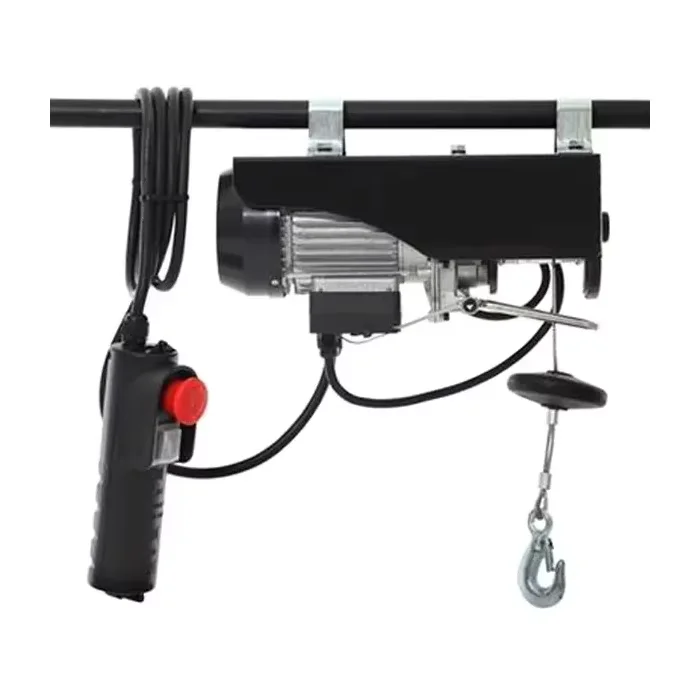
Industrial Lifting Solutions for Asia - Laos Infrastructure Development

Providing high-performance hoisting equipment to support the growing manufacturing and construction sectors in Laos with reliability and precision.

The State of Lifting Equipment Demand in Asia - Laos

Analyzing the shift toward mechanized material handling in the region's industrial landscape.

The industrial sector in Laos is currently undergoing a transition from manual labor to semi-automated material handling. As infrastructure projects and small-scale manufacturing plants expand, there is a growing reliance on efficient lifting tools. The market typically demands equipment that balances cost-effectiveness with rugged durability to withstand local environmental conditions.

Many local operators face challenges with equipment maintenance and the lack of standardized safety certifications. There is a critical need for products like the electric hoist and manual chain block that can operate reliably in varying humidity levels and dust-heavy environments common in regional construction sites.

Customers in Laos are increasingly prioritizing safety-certified equipment. The demand is shifting toward ISO and CE certified tools to ensure workplace safety and operational efficiency, particularly in the mining and logistics sectors where high-capacity load chain and heavy-duty winches are essential.

Evolution of Material Handling in Laos

Tracing the journey from basic pulleys to advanced electric hoisting systems.

Industrial Development Timeline

Early Development Phase
Reliance on basic manual lifting methods and improvised pulleys. Equipment was predominantly manual, with limited safety standards and low lifting efficiency.

Mechanization Stage
Introduction of standard block chain and basic electric winches. Businesses began implementing standardized lifting tools to increase productivity in warehouses and workshops.

Modern Integration
Adoption of high-precision wire rope hoist and electric trolleys. Focus has shifted toward safety certifications (CE/TUV) and integrated lifting systems for complex industrial applications.

Future Strategic Trends

1. Electrification of Lifting

Rapid replacement of manual tools with chain hoist electric models to reduce labor intensity and improve safety cycles.

2. Safety Standardization

A move toward strict adherence to international safety norms, increasing the demand for G80 grade Binder chain and certified load-bearing equipment.

3. Precision Material Logistics

Integration of Electric trolley systems to allow for 3D movement of loads, optimizing space in emerging industrial parks.

Global Trends Influencing the Laos Lifting Market

Adapting international innovations to local operational realities.

⚡
Energy Efficiency
Transitioning to low-power consumption electric motors in hoisting systems to lower operational costs.
🤖
Smart Control
Increased use of remote-controlled electric winches and variable speed drives for safer load positioning.
💳
Lifecycle Value
Shift from lowest-initial-cost to lowest-total-cost of ownership through durable, high-quality components.
🌱
Eco-Friendly Materials
Adoption of high-strength, lightweight alloys and recyclable materials in chain and rope manufacturing.

Industry Outlook for Asia - Laos

The lifting equipment market in Laos is poised for steady growth, driven by the synergy of foreign investment in energy projects and the localization of manufacturing. We expect a surge in the demand for integrated hoisting solutions that combine power, mobility, and strict safety compliance.

For local enterprises, the key to scaling operations will be the investment in certified equipment that reduces downtime and eliminates workplace accidents, ensuring a stable production environment.

Practical Application Scenarios in Laos

How our hoisting solutions solve real-world lifting challenges across various sectors.

01

Agricultural Processing Plants

Local mills use electric hoist systems to move bulk raw materials from receiving bays to processing lines, reducing manual handling and increasing throughput.

02

Construction Infrastructure Projects

Contractors deploying electric winch and wire rope hoists for transporting structural components to elevated levels in urban development projects.

03

Automotive Repair Workshops

Using manual chain block and small electric hoists for engine removal and heavy part positioning in professional garages.

04

Mining and Quarry Operations

Implementing heavy-duty load chain and binder chains for securing loads and vertical transport in rugged terrain environments.

05

Warehouse Logistics Hubs

Installation of Electric trolley and hoist combinations to optimize vertical storage and accelerate the loading of shipping containers.

The Legacy of Hebei Juying Hoisting Machinery Co., Ltd

Two decades of excellence in engineering reliable lifting tools for the global market.

2005: Foundation

Established as a professional manufacturer of lifting equipment, laying the groundwork for the famous "GSTOYO" brand.

ISO 9001 Certification

Implemented rigorous quality management systems to ensure all production and operational aspects comply with ISO9001 standards.

International Expansion

Successfully exported high-quality hoists and tools to the USA, Australia, Germany, Brazil, Vietnam, and Thailand.

European Compliance

Obtained EU product CE and Germany TUV certifications, validating the safety and reliability of our lifting equipment on a global scale.

Present Scale

Now operating 100+ production lines across 40,000 square meters with a dedicated team of 150 experienced staff.

Frequently Asked Questions about Hoisting Equipment

Expert guidance on selecting and maintaining lifting tools for the local industrial environment.

What is the main difference between an electric hoist and a manual chain block?

An electric hoist uses a motor for lifting, providing speed and ease of use for frequent loads, while a manual chain block relies on human effort via a chain mechanism, offering portability and operation in areas without electricity.

Which lifting equipment is best suited for the humidity in Asia - Laos?

For high-humidity environments, we recommend equipment with advanced corrosion-resistant coatings and enclosed motor housings to prevent moisture ingress, specifically our CE and TUV certified electric hoists.

How do I choose the correct grade of load chain for my project?

Depending on the application, G80 load chains are standard for overhead lifting due to their high strength-to-weight ratio and safety certifications. Always match the chain grade to your maximum working load limit.

Can an electric trolley be integrated with any existing hoist?

Most professional electric trolleys are designed to be compatible with standard I-beams and various hoist models, but we recommend checking the weight capacity and beam width for a precise match.

What are the maintenance requirements for an electric winch in a dusty environment?

Regular lubrication of the gear system and cleaning of the wire rope are essential. We recommend monthly inspections of the braking system and electrical contacts to ensure safe operation.

How can I request a quote for a customized lifting solution?

You can visit our official contact page to provide your technical specifications, load requirements, and application details, and our engineering team will provide a professional proposal.

Optimize Your Industrial Lifting Capacity in Laos

Consult with our experts to find the safest and most efficient hoisting equipment for your specific operations in Asia - Laos.

Request a Technical Quote

If you are interested in our products, you can choose to leave your information here, and we will be in touch with you shortly.