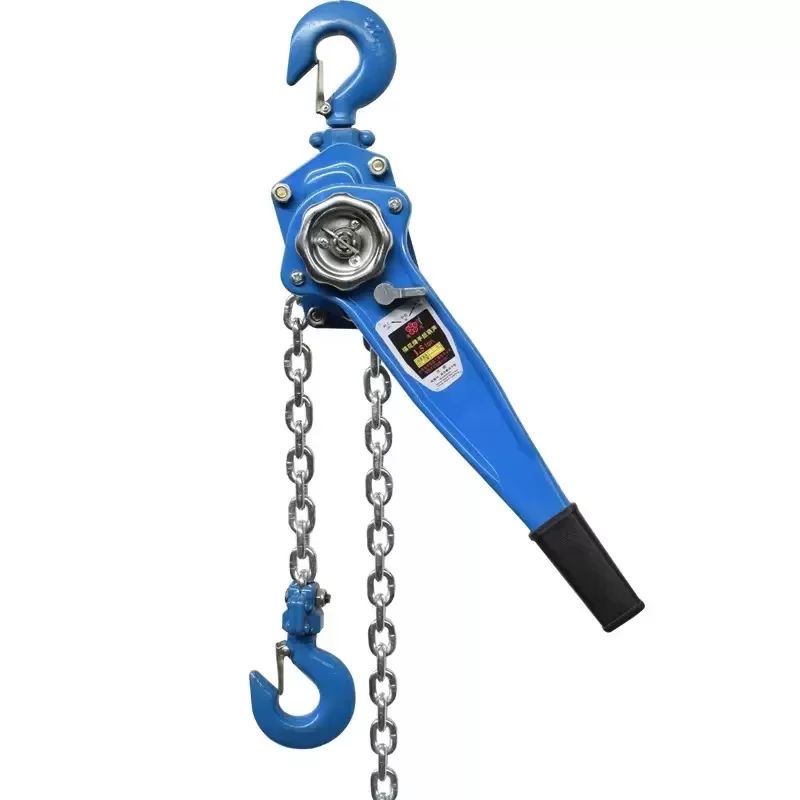
Electric Winch Solutions for Norwegian Industry

Reliable Material Handling Equipment for the Demanding Norwegian Landscape

Electric Winch Solutions for Norwegian Industry

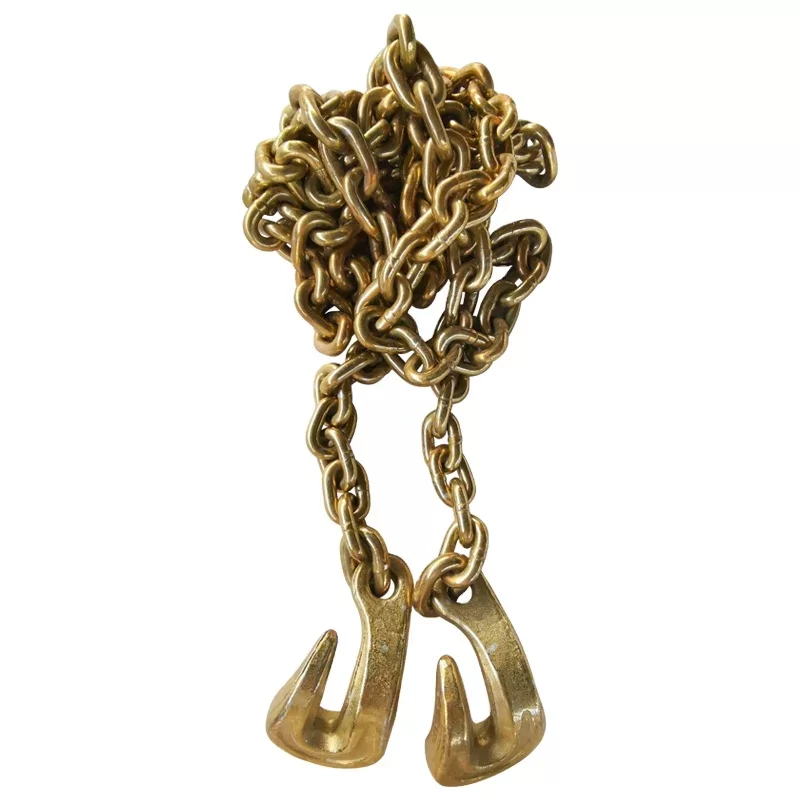
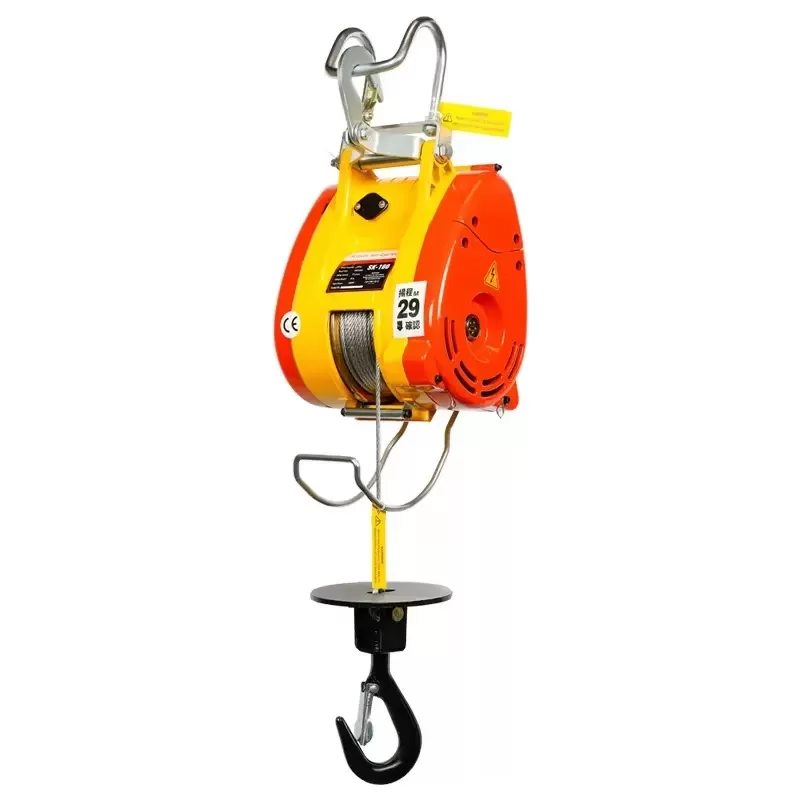
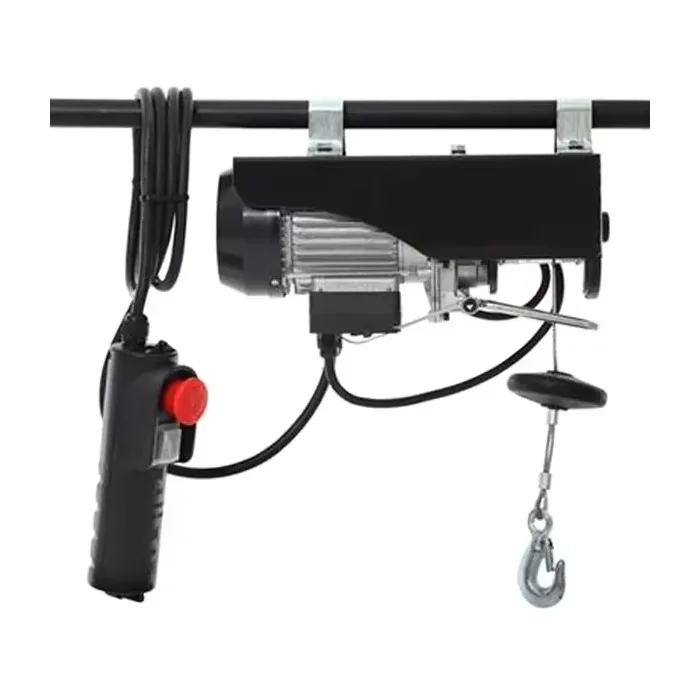
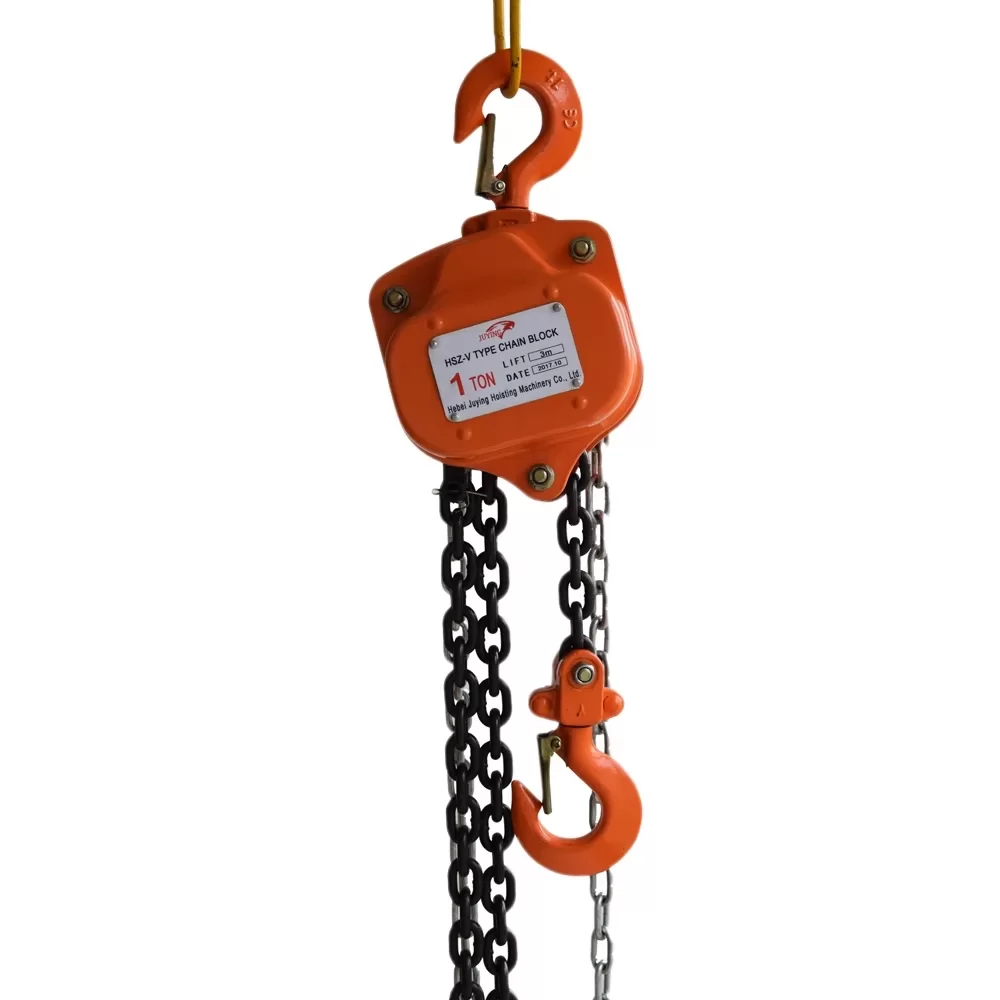
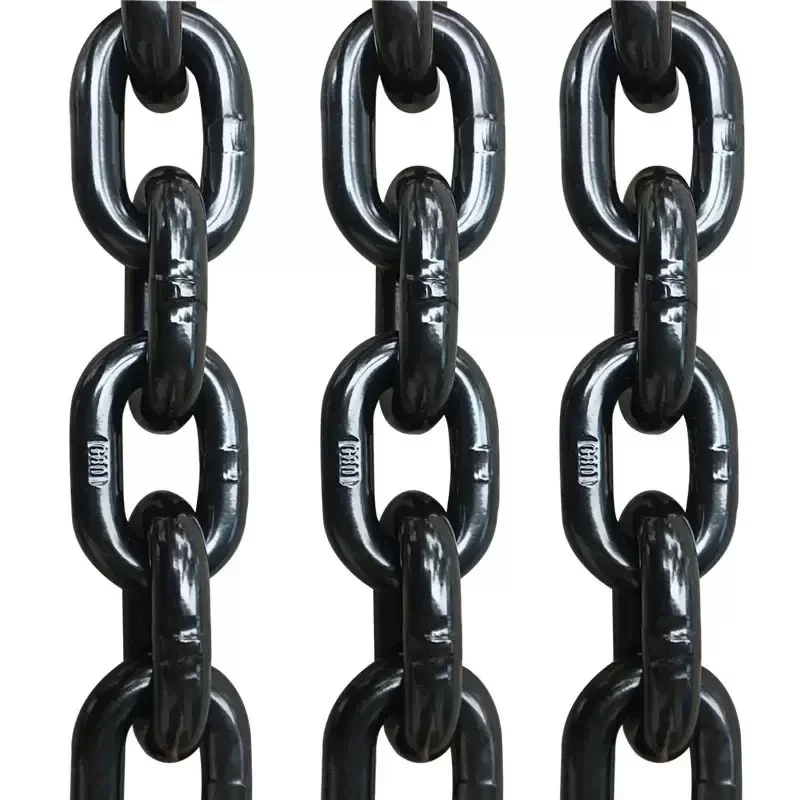
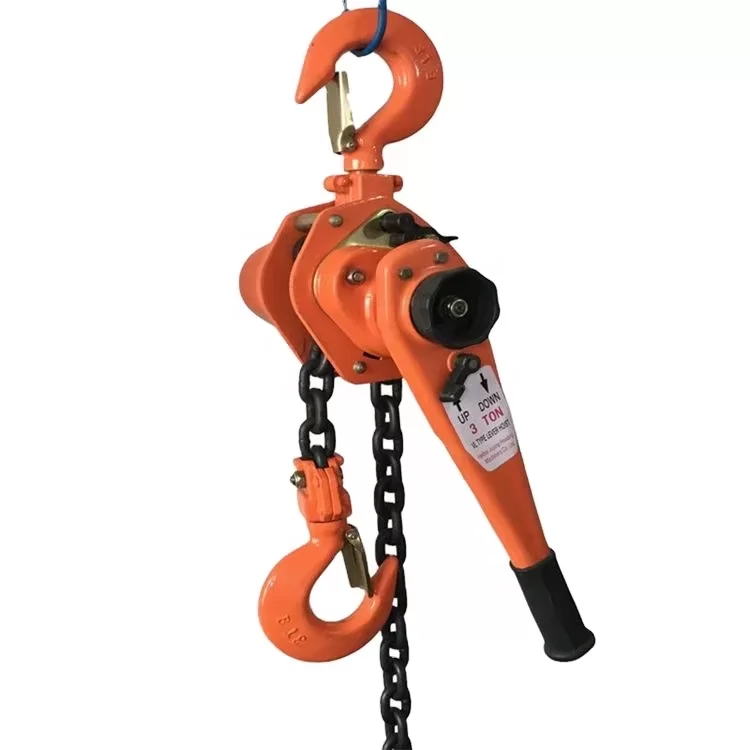
Providing high-quality electric hoist, wire rope hoist, Electric trolley, chain hoist electric, electric winch, manual chain block, block chain, load chain, Binder chain solutions tailored for the Norwegian market.

The Current State of Material Handling in Norway

Understanding the Challenges and Opportunities in the Norwegian Market

Norway’s unique geography, characterized by fjords, mountains, and a harsh climate, presents specific challenges for material handling. The demand for robust and reliable electric hoist systems is high, particularly in industries like shipbuilding, oil & gas, and construction. These sectors require equipment that can withstand extreme weather conditions and deliver consistent performance.

The Norwegian economy is heavily reliant on its maritime industries and natural resource extraction. This translates into a strong need for efficient and safe material handling solutions. Businesses prioritize durability, safety features, and low maintenance costs when selecting equipment like wire rope hoist and Electric trolley. Environmental regulations also play a significant role, driving demand for energy-efficient equipment.

Logistics within Norway can be complex due to its dispersed population and challenging terrain. Effective material handling is crucial for streamlining operations in ports, warehouses, and construction sites. The utilization of chain hoist electric, electric winch, and manual chain block systems is paramount to maintaining productivity.
Evolution of Material Handling Technology in Norway

From Manual Labor to Automated Systems

Market Development History

Historically, material handling in Norway relied heavily on manual labor. Before the mid-20th century, lifting and moving heavy loads were primarily done by hand or using simple pulley systems. The introduction of steam-powered cranes in the late 19th and early 20th centuries marked the first significant step towards mechanization.

The post-World War II era saw the widespread adoption of electric and hydraulic lifting equipment. The 1960s and 70s witnessed the rise of specialized hoists and winches for the burgeoning oil and gas industry. This period also focused on enhancing safety standards and improving ergonomics. The introduction of block chain and load chain technologies improved durability and reliability.

The late 20th and early 21st centuries have been characterized by the integration of automation and digital technologies. Variable Frequency Drives (VFDs) and programmable logic controllers (PLCs) have become increasingly common, enabling precise control and optimized performance. Modern systems now incorporate remote monitoring and predictive maintenance capabilities.

Future Development Trends

Smart Hoisting Systems

The integration of IoT (Internet of Things) sensors will enable real-time monitoring of hoist performance, allowing for predictive maintenance and reduced downtime. Data analytics will be used to optimize lifting operations and improve safety.

Increased Automation

Automated Guided Vehicles (AGVs) and robotic lifting systems will become more prevalent, particularly in warehouses and manufacturing facilities. This trend is supported by growing demand for increased efficiency and reduced labor costs.

Sustainable Solutions

Focus on energy efficiency and environmentally friendly materials. Demand for electric hoists with regenerative braking systems and lightweight components, as well as utilizing sustainable Binder chain materials.

Industry Trends and Future Outlook for Material Handling in Norway

Exploring Emerging Technologies and Market Opportunities

Increased Focus on Safety Features
Norway has stringent safety regulations, and there's a growing demand for hoists equipped with advanced safety features like overload protection, anti-collision systems, and emergency stop mechanisms.
Demand for Compact and Lightweight Hoists
Space constraints are common in Norwegian facilities. This drives demand for compact hoists that can operate efficiently in tight spaces.
Growing Adoption of Wireless Controls
Wireless remote controls offer increased flexibility and operator safety. This is particularly valuable in harsh environments where cables can be a hazard.
Focus on Predictive Maintenance
Data-driven insights and predictive maintenance programs will minimize downtime and extend the lifespan of lifting equipment.

Industry Outlook

The Norwegian material handling market is expected to experience steady growth in the coming years, driven by ongoing investment in infrastructure, oil & gas, and renewable energy projects. Demand for advanced lifting solutions will continue to rise.

The adoption of digital technologies and automation will be key to improving efficiency and reducing costs. Suppliers that can offer innovative and sustainable solutions will be well-positioned to succeed in this dynamic market.

Local Application Scenarios in Norway

Real-World Use Cases for Material Handling Equipment

1. Offshore Oil Platform Maintenance

Norwegian oil platforms require robust and reliable lifting equipment for maintenance and repair operations. Electric winches and chain hoists are essential for safely lifting tools, equipment, and personnel in challenging offshore environments.

2. Shipbuilding in Coastal Regions

Shipyards along the Norwegian coast utilize wire rope hoists and electric trolleys for assembling and launching vessels. The harsh marine environment demands corrosion-resistant and durable equipment.

3. Warehouse Logistics in Oslo

Oslo’s growing logistics sector relies on efficient material handling solutions for managing inventory and fulfilling orders. Electric chain hoists and manual chain blocks are commonly used in warehouses to lift and move goods.

4. Construction Projects in Mountainous Terrain

Construction projects in Norway's mountainous regions require specialized lifting equipment to overcome logistical challenges. Compact electric winches and robust hoists are used to transport materials to remote construction sites.

5. Fish Farming Industry

The Norwegian fish farming industry requires lifting equipment to manage nets, cages, and other equipment in a corrosive marine environment. Electric hoists and winches play a vital role in ensuring the safe and efficient operation of fish farms.

Brand Story

The Global Development History of Hebei Juying Hoist Manufacturing Co., Ltd.

Established Foundation for Quality

Founded in 2008, Hebei Juying Hoist Manufacturing Co., Ltd. began with a commitment to providing robust and reliable lifting solutions for demanding industrial applications.

Expansion into International Markets

In 2012, we expanded our reach to international markets, initially focusing on Southeast Asia and the Middle East, adapting our products to meet diverse needs.

Investment in R&D

2015 marked a significant investment in research and development, enabling us to introduce innovative features and improve the efficiency of our hoisting systems.

Focus on European Standards

Recognizing the stringent quality requirements of the European market, we achieved CE certification in 2018, ensuring compliance with all relevant safety standards.

Dedicated to Norwegian Client Success

Today, we are dedicated to providing tailored hoisting solutions to Norwegian industries, focusing on reliability, safety, and long-term value.

Frequently Asked Questions for the Norwegian Market

Answers to Common Questions from Norwegian Customers

What safety certifications are required for electric hoists used in Norwegian offshore oil platforms?

Norwegian offshore oil platforms require electric hoists to comply with DNV GL standards, as well as ATEX directives for use in potentially explosive atmospheres. Certification documentation must be readily available.

How do your chain hoists perform in cold Norwegian climates?

Our chain hoists are designed to operate reliably in temperatures as low as -40°C. We use high-quality alloys and lubricants to ensure smooth operation and prevent freezing.

What is the typical lead time for delivery of a custom electric winch to Norway?

The lead time for a custom electric winch typically ranges from 6 to 10 weeks, depending on the complexity of the design and current production schedule. We will provide a firm delivery date upon order confirmation.

Do you offer on-site maintenance and repair services for material handling equipment in Norway?

We partner with local service providers in Norway to offer comprehensive on-site maintenance and repair services. Contact us to discuss your specific needs and arrange a service visit.

What is the warranty on your electric wire rope hoists?

We offer a 12-month warranty on our electric wire rope hoists, covering defects in materials and workmanship. Extended warranty options are available upon request.

Are your Binder chain compliant with relevant Norwegian standards for lifting applications?

Yes, our Binder chain is fully compliant with all relevant Norwegian lifting standards (NS-EN standards). We provide documentation to verify compliance upon request.

Get in Touch with Us

We are here to help you find the perfect material handling solution for your needs in Europe - Norway.

Contact Us Now

If you are interested in our products, you can choose to leave your information here, and we will be in touch with you shortly.