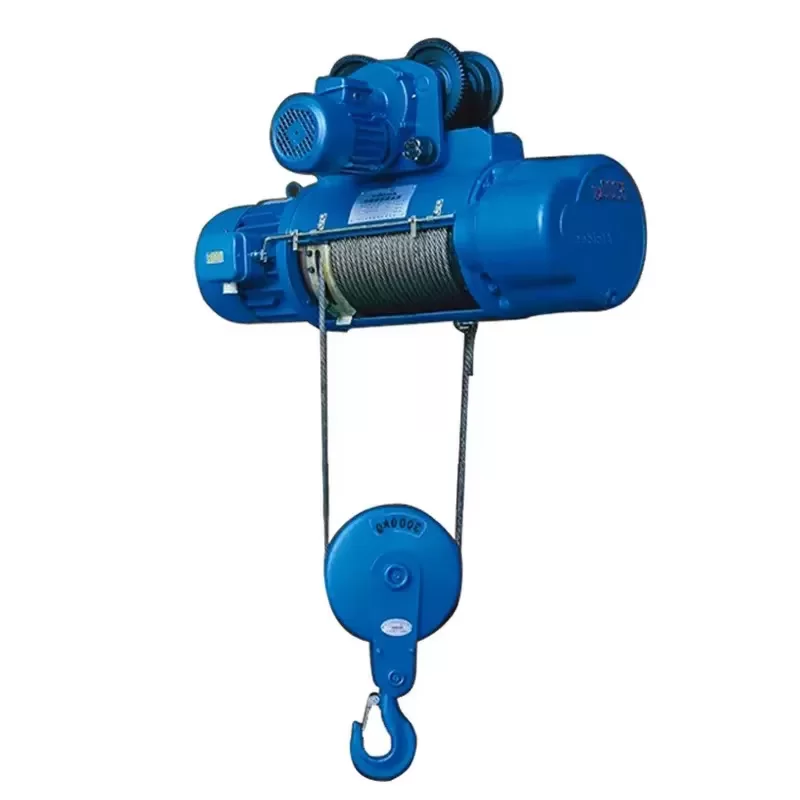
Electric Winch Solutions for Rwanda's Manufacturing Sector

Providing reliable lifting equipment for industrial growth in Africa.

Current State of Lifting Equipment in Rwanda

Analyzing the challenges and opportunities for material handling in the Rwandan manufacturing landscape.

Rwanda's manufacturing sector is experiencing significant growth, driven by government initiatives and a favorable investment climate. This growth necessitates a reliable and efficient material handling infrastructure. Currently, the market demonstrates a reliance on manually operated systems, alongside a growing demand for more advanced, automated solutions like electric hoists and wire rope hoists. The rugged terrain and infrastructure limitations across Rwanda create unique logistical challenges that influence equipment selection.

However, there's a noticeable gap in access to specialized lifting equipment. Many businesses still rely on outdated methods, impacting productivity and safety. The demand for electric trolley systems is increasing as manufacturers seek to optimize their production processes. The cost of importing and maintaining specialized equipment can be a barrier, prompting a need for durable and cost-effective solutions.

Furthermore, a critical focus is emerging on worker safety. Rwanda is prioritizing improved occupational health and safety standards within its industrial sector, creating a need for equipment meeting international safety certifications. Consequently, the market is increasingly receptive to quality chain hoist electric and manual chain block systems.
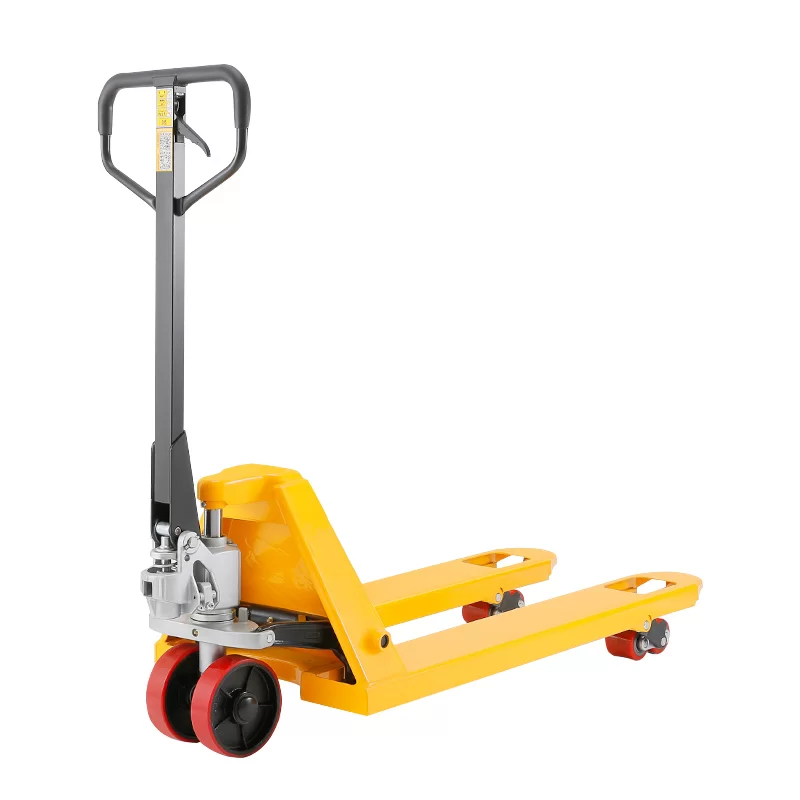
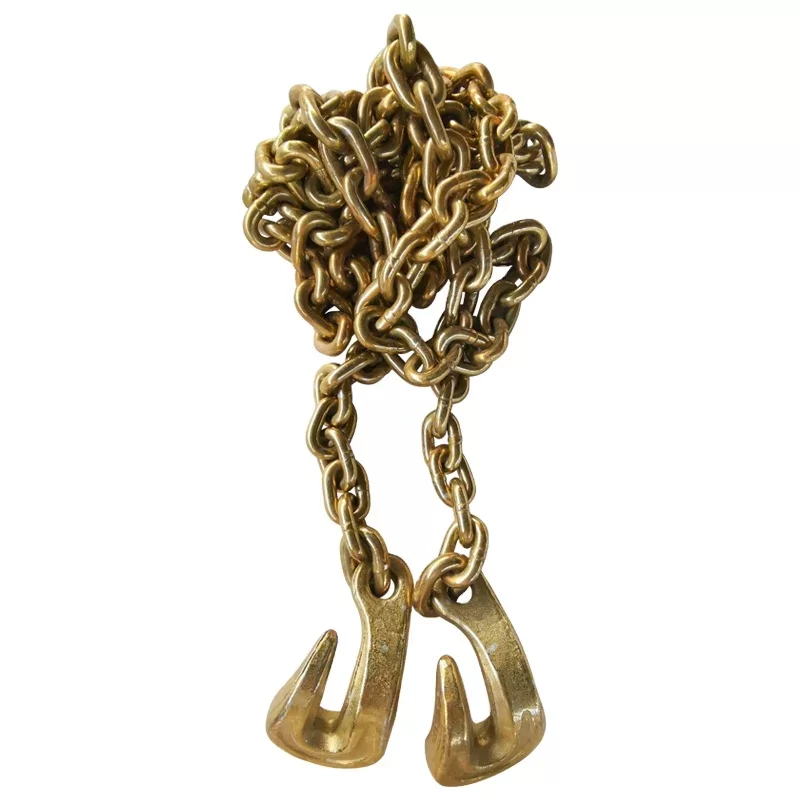
Evolution of Lifting Technology and its Adoption in Rwanda

Tracing the development of lifting solutions from traditional methods to modern electric systems.

Market Development History

Historically, material handling in Rwanda, like much of Africa, relied heavily on manual labor and rudimentary pulley systems. The early 2000s saw the introduction of basic chain blocks, primarily imported from Asia. This represented a first step towards mechanization, but limitations in power infrastructure hindered widespread adoption of electric systems.

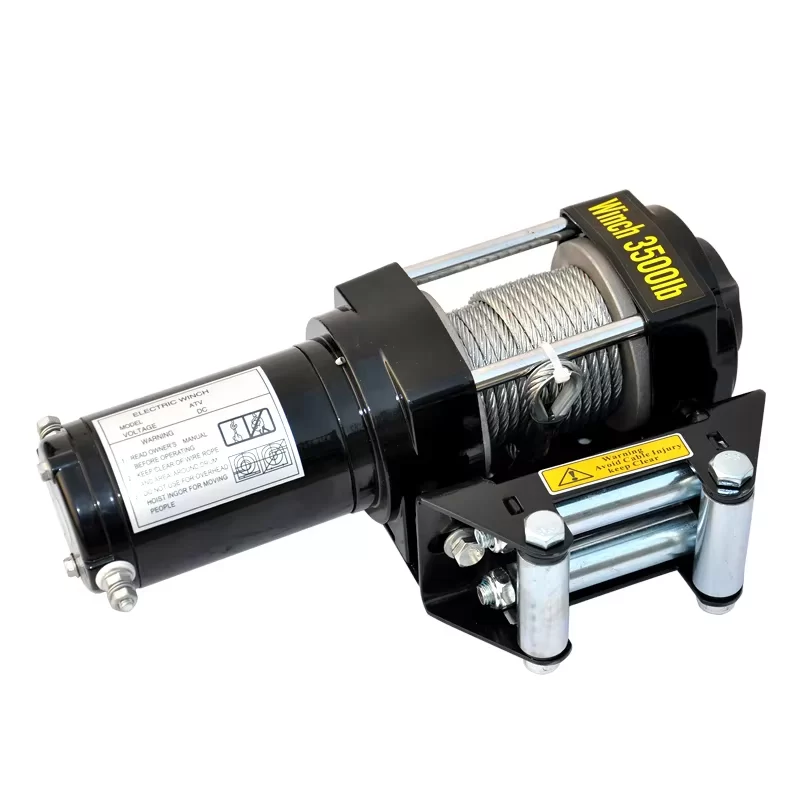
Around 2010, as Rwanda's power grid became more stable, the demand for electric winches began to rise. These were initially adopted by larger manufacturing facilities and construction projects. Increased awareness of safety standards spurred the preference for certified equipment. The growing coffee and tea industries also started utilizing lifting solutions for processing and packaging.

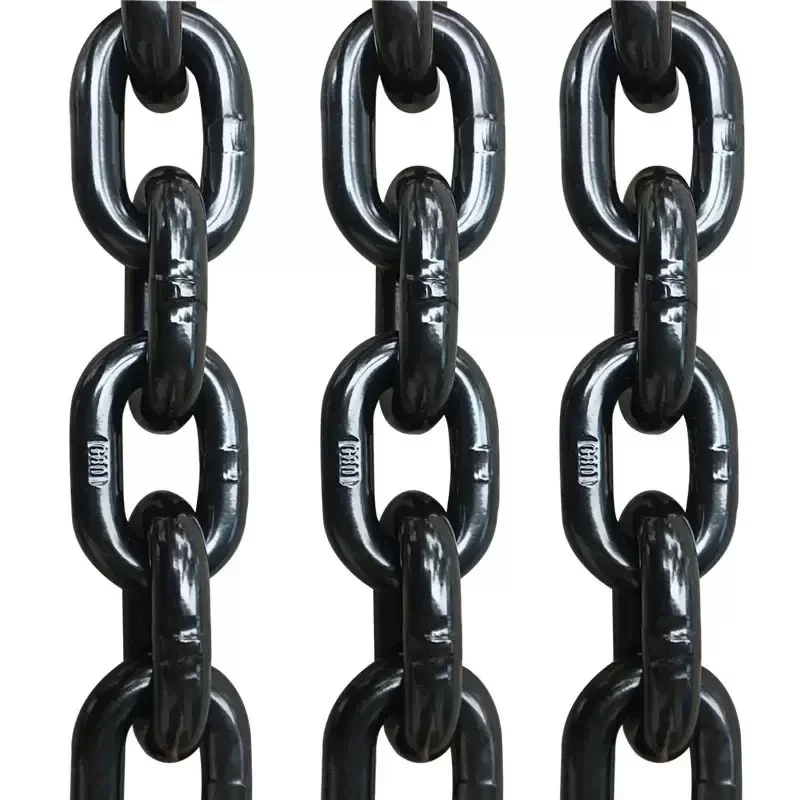
From 2015 onwards, the introduction of more affordable and energy-efficient load chain and Binder chain systems accelerated their uptake across various sectors. Today, a wider range of options are available, including customized solutions for specific industrial applications.

Future Development Trends

Increased Demand for Smart Lifting Solutions

The integration of IoT (Internet of Things) sensors and data analytics into lifting equipment will become more prevalent, enabling predictive maintenance and optimized performance.

Rise of Energy-Efficient Technologies

Manufacturers will prioritize energy-efficient designs to reduce operational costs and environmental impact, aligning with Rwanda’s commitment to sustainable development.

Focus on Compact and Portable Lifting Equipment

Demand for lightweight and portable lifting solutions will increase as businesses require greater flexibility and maneuverability within their facilities.

Industry Trends and Future Outlook for Lifting Equipment in Rwanda

Exploring emerging trends and anticipating future growth in the Rwandan lifting equipment market.

Growing Demand for Automation
The increasing need for efficiency and precision in Rwandan manufacturing will drive the adoption of automated lifting solutions, including electric hoist systems.
Focus on Safety and Compliance
Stricter enforcement of safety regulations will necessitate the use of certified lifting equipment, like manual chain block and block chain systems.
Demand for Durable and Low-Maintenance Equipment
Rwanda's industrial environment often demands equipment capable of withstanding harsh conditions. This will fuel the demand for robust and low-maintenance electric winch solutions.
Increased Focus on Cost-Effectiveness
Businesses will prioritize lifting solutions that offer a strong return on investment, considering factors like energy efficiency, maintenance costs, and lifespan.

Industry Outlook

The Rwandan lifting equipment market is poised for significant growth over the next 3-5 years, driven by the country’s industrialization agenda. The demand for advanced and reliable lifting solutions will continue to rise, creating opportunities for both local and international suppliers. A crucial element for success will be providing solutions tailored to Rwanda’s specific needs and challenges.

Google Trends data indicates a growing search interest in terms related to "electric hoists," "wire rope hoists," and "lifting equipment" within Rwanda, confirming this upward trend. Manufacturers and suppliers that can address safety concerns, offer competitive pricing, and provide excellent after-sales service are well-positioned to capture a substantial share of this expanding market.

Local Application Scenarios for Lifting Equipment in Rwanda

Real-world examples of how lifting solutions can benefit various industries in Rwanda.

1. Coffee Processing Facilities

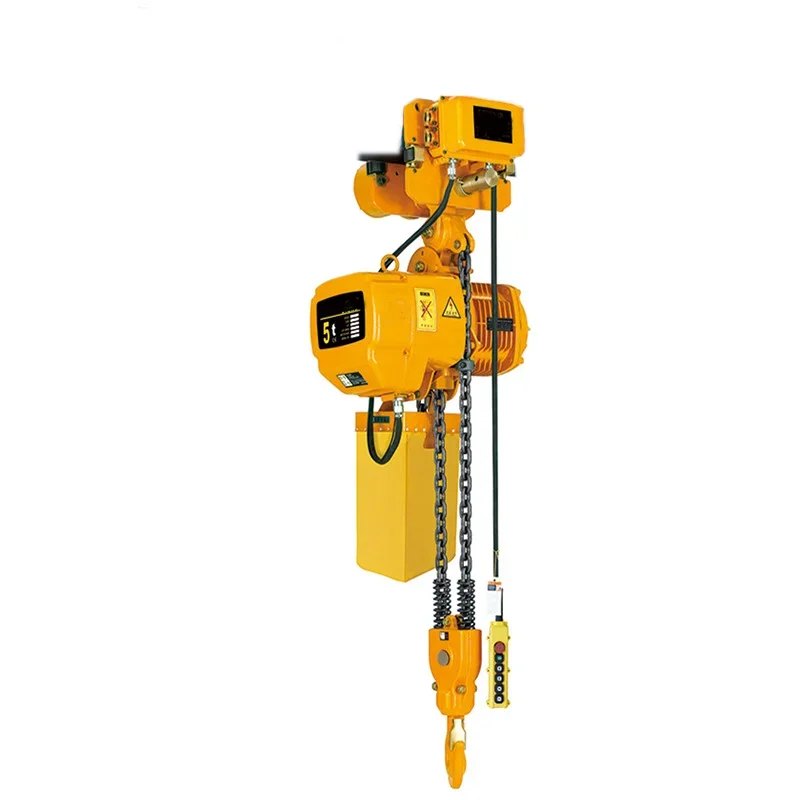
Rwanda is a major coffee producer. Lifting equipment, such as chain hoist electric, is essential for efficiently moving sacks of coffee beans during processing, drying, and storage. Compact electric trolley systems are ideal for navigating narrow spaces in these facilities.

2. Tea Factories

Similar to coffee processing, tea factories require reliable lifting equipment to handle large volumes of tea leaves. Electric winches can be used for loading and unloading tea into processing machinery and for stacking finished products.

3. Construction Sites

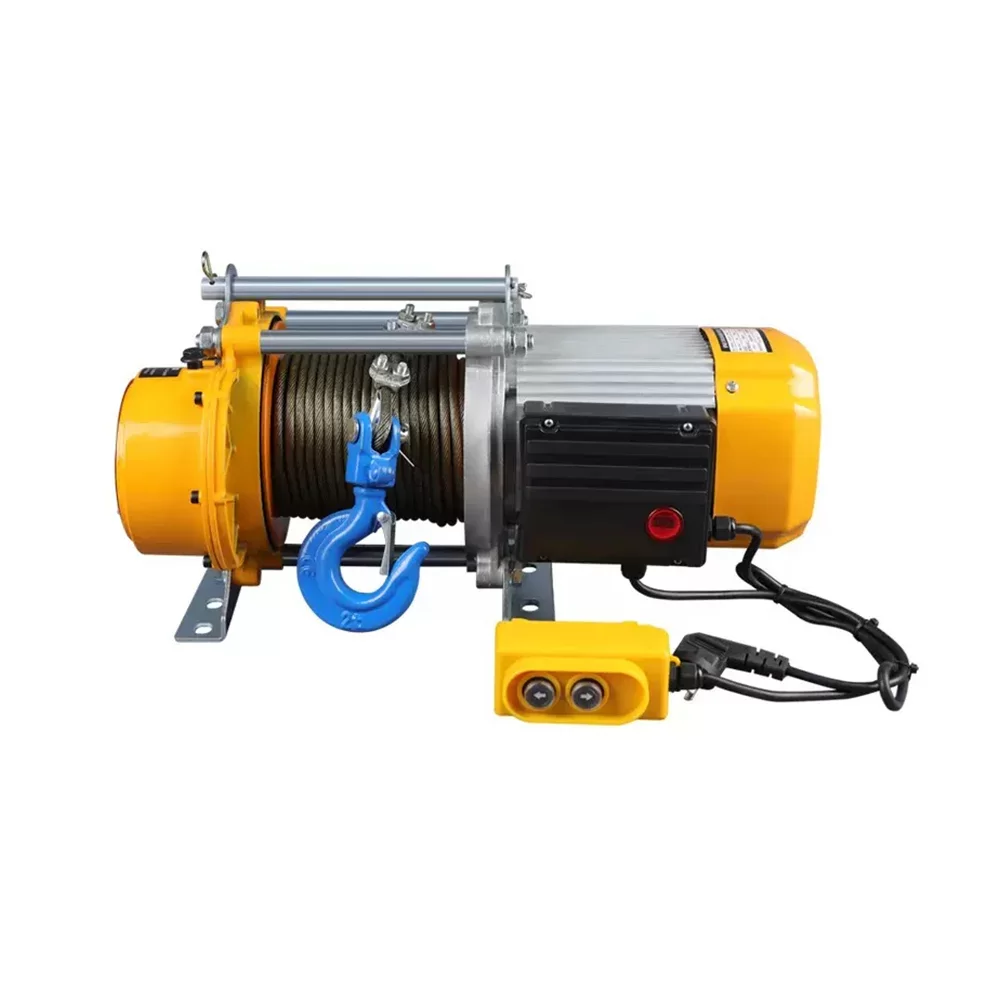
Rwanda's growing construction sector demands robust lifting solutions for handling building materials. wire rope hoists and load chain are critical for safely lifting heavy loads to higher floors and transporting materials across the site.

4. Manufacturing Plants (Textiles, Plastics)

Manufacturing plants in Rwanda rely on lifting equipment for moving raw materials, work-in-progress, and finished goods. manual chain block can provide a cost-effective solution for lighter loads, while larger facilities will benefit from automated electric hoist systems.

Brand Story

Hebei Juying Hoist Machinery Manufacturing Co., Ltd.'s global development history

Innovation in Lifting Solutions

Founded in 2008, Hebei Juying Hoist Machinery Manufacturing Co., Ltd. began with a vision to provide reliable and innovative lifting solutions to a global market.

Commitment to Quality

We are dedicated to using high-quality materials and employing rigorous quality control processes to ensure the durability and safety of our products.

Expanding Global Reach

Through strategic partnerships and a commitment to customer satisfaction, we have expanded our reach to serve clients in Africa, Asia, and beyond.

Focus on Sustainability

We are committed to developing energy-efficient and environmentally responsible lifting solutions.

Empowering Industries

Our mission is to empower industries with safe, reliable, and efficient lifting equipment, enabling them to achieve their goals and contribute to economic growth.

Frequently Asked Questions about Lifting Equipment in Rwanda

Addressing common concerns and providing valuable insights for businesses in Rwanda.

What safety certifications should I look for when purchasing an electric hoist for my Rwandan factory?

When selecting an electric hoist for your Rwandan factory, prioritize certifications like CE marking, ISO 9001, and potentially local Rwandan safety standards. These certifications demonstrate that the equipment meets internationally recognized safety and quality requirements.

What is the best type of hoist for handling coffee sacks in a Rwandan processing plant?

For handling coffee sacks, a wire rope hoist with a suitable lifting capacity and a robust hook design is generally recommended. Alternatively, a chain hoist electric offers greater precision and control. Consider the height and space constraints of your processing plant when making your selection.

How can I ensure my lifting equipment is properly maintained in Rwanda's climate?

Rwanda's climate can be humid and dusty. Regularly inspect your lifting equipment for corrosion and wear. Lubricate moving parts frequently, and protect electrical components from moisture. Implement a preventative maintenance schedule to ensure optimal performance and longevity.

What is the typical lead time for importing a wire rope hoist to Rwanda?

The lead time for importing a wire rope hoist to Rwanda can vary depending on the supplier, shipping method, and customs clearance procedures. Generally, expect a lead time of 4-8 weeks from order placement to delivery.

What factors should I consider when choosing between a manual chain block and an electric chain hoist?

Manual chain blocks are cost-effective and require no power source, making them suitable for occasional lifting tasks. Electric chain hoists offer faster lifting speeds, greater precision, and reduced operator fatigue, making them ideal for frequent and demanding applications.

Where can I find reliable after-sales service and spare parts for my lifting equipment in Rwanda?

Choose a supplier that has a local presence in Rwanda or a reliable network of service partners. Ensure they offer comprehensive after-sales support, including installation, maintenance, repair, and the availability of genuine spare parts.

Get in Touch with Us

We are dedicated to providing top-quality lifting solutions for businesses in Rwanda, Africa. Contact us today to discuss your specific needs.

Contact Us Now

If you are interested in our products, you can choose to leave your information here, and we will be in touch with you shortly.