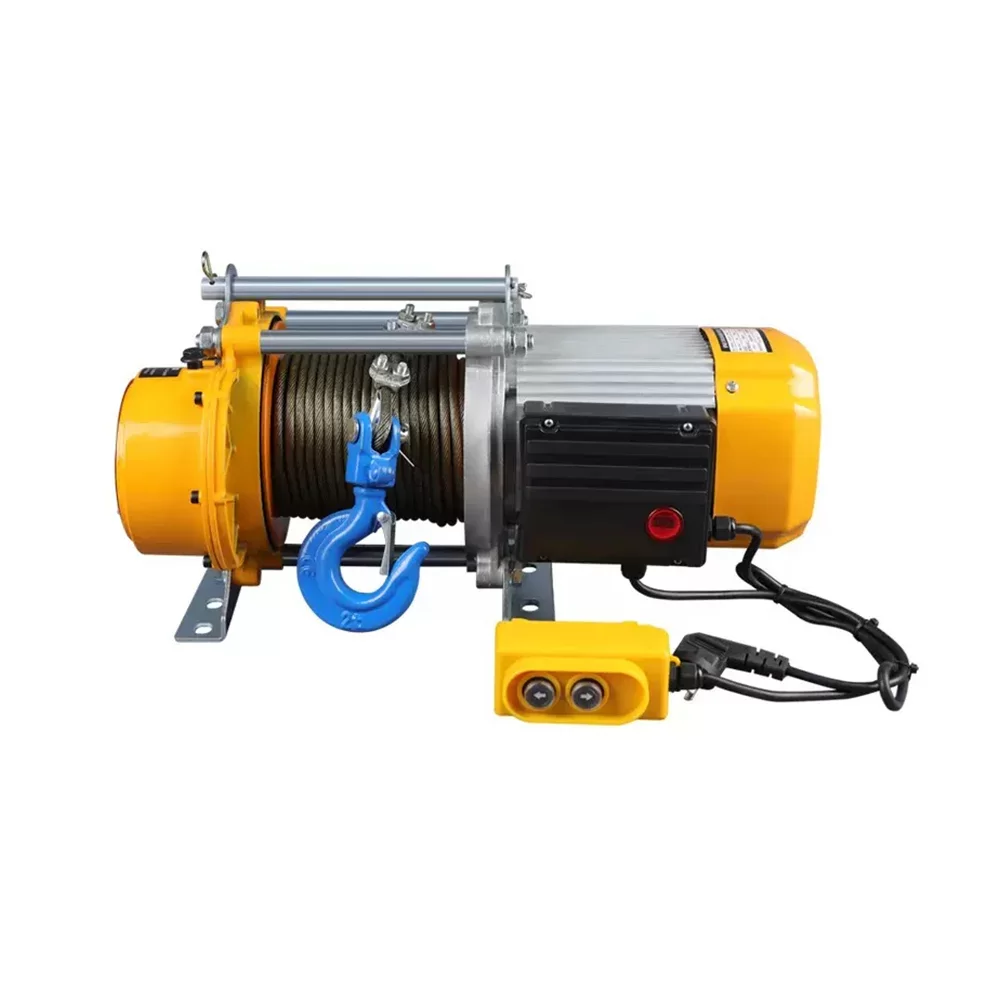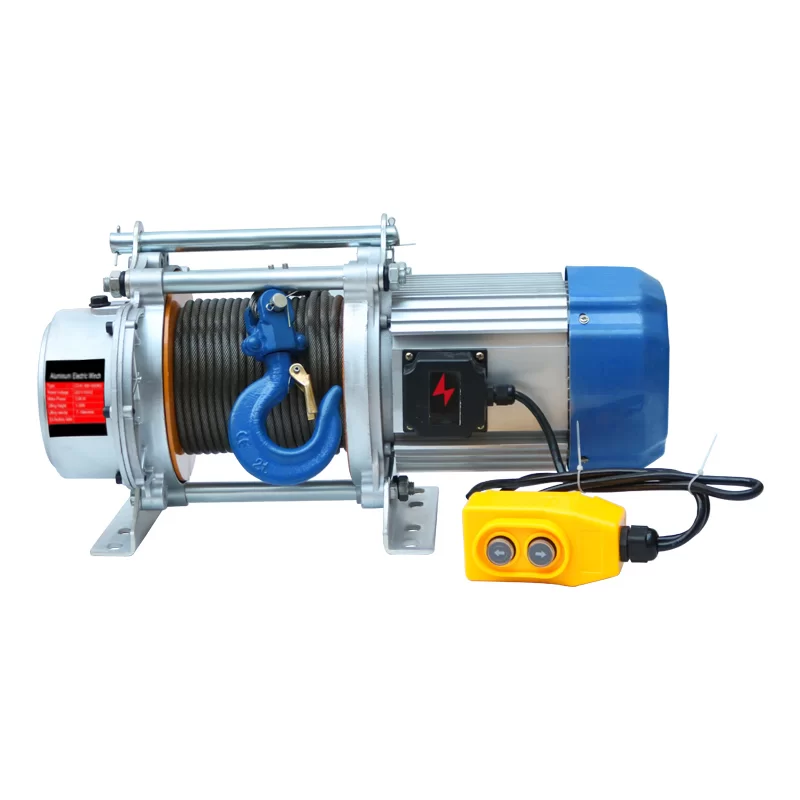
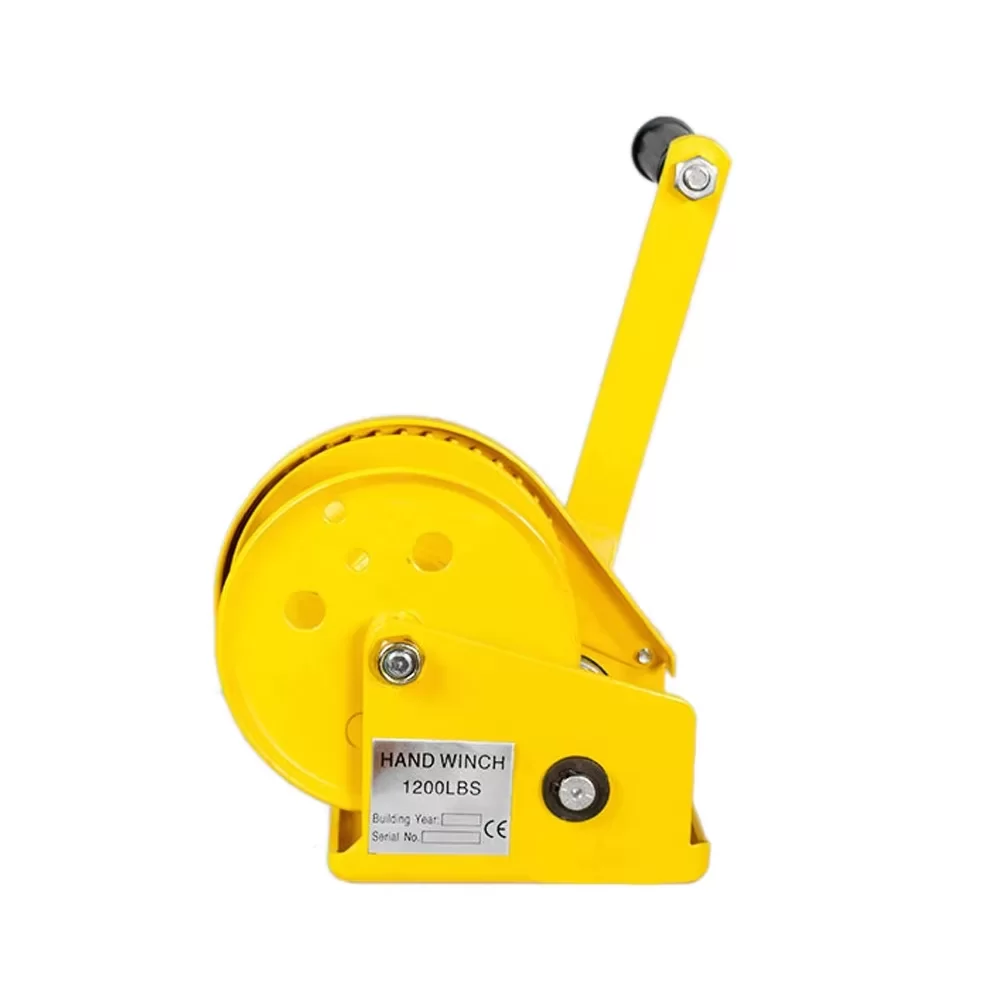
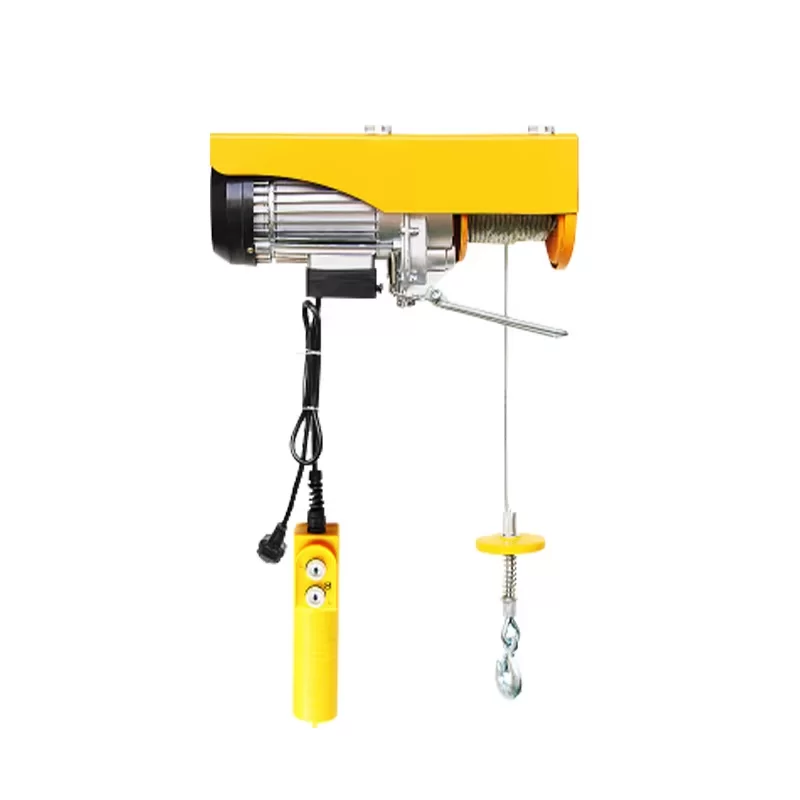
Electric Winch Solutions for the Netherlands: Optimizing Material Handling

Providing robust and reliable lifting equipment for Dutch industries.

The Current State of Material Handling in the Netherlands

Analyzing the Dutch landscape for lifting solutions.

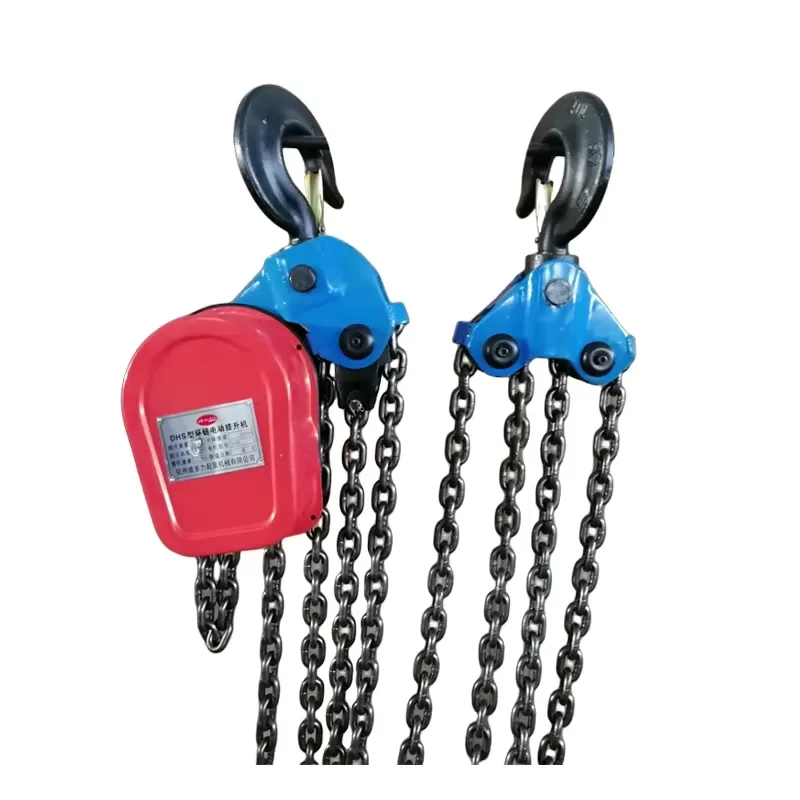
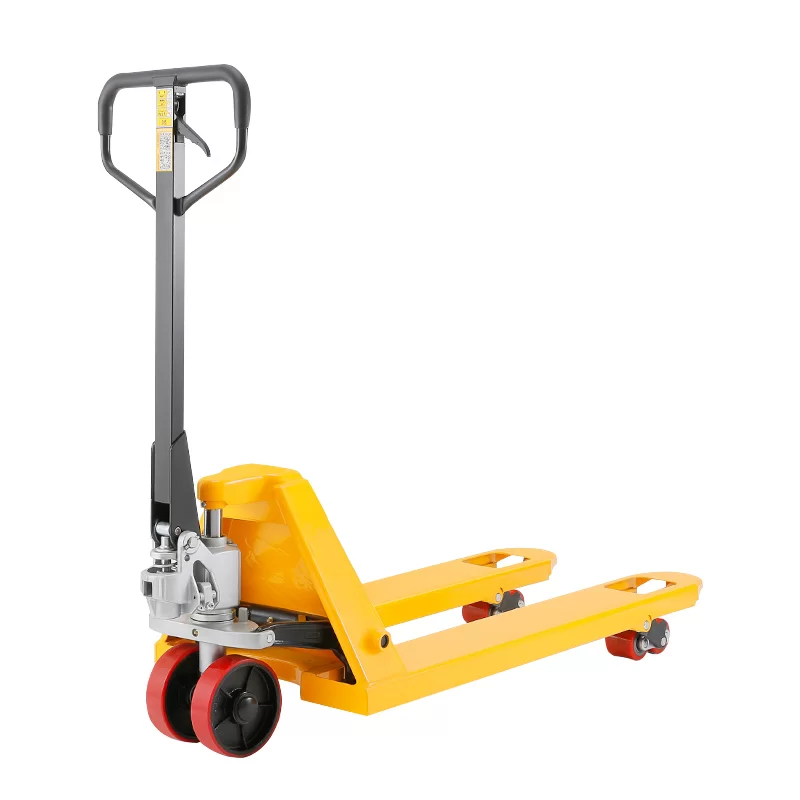
The Netherlands, a major European logistics hub and industrial power, demonstrates a significant demand for efficient and reliable material handling equipment. Its strategic location, coupled with a robust manufacturing sector and thriving port infrastructure – particularly Rotterdam – necessitates high-performance electric hoist and wire rope hoist systems. The country’s compact size and densely populated areas also drive a need for space-saving solutions like chain hoist electric.

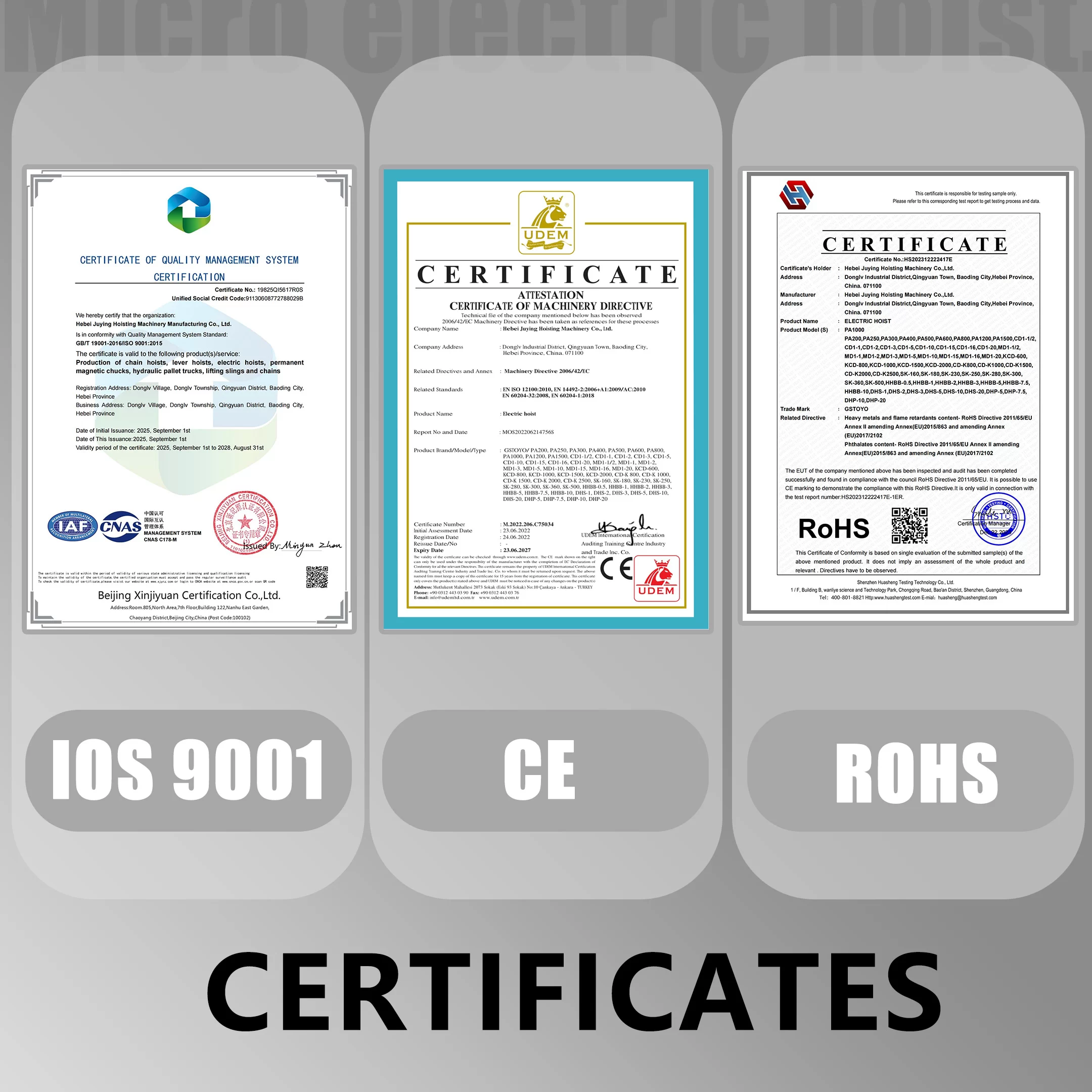
Dutch industries prioritize safety, precision, and sustainability. Regulations are stringent, demanding equipment that meets high European standards. This creates a market receptive to technologically advanced electric winch systems offering features like variable speed control, overload protection, and remote monitoring. The Dutch climate, characterized by frequent rainfall and strong winds, also necessitates robust, weatherproof designs for outdoor applications involving manual chain block.

The Dutch focus on automation and Industry 4.0 principles further fuels demand for smart lifting solutions. Integration with existing automated systems, data analytics for predictive maintenance, and remote diagnostics are becoming increasingly important factors in purchasing decisions. Furthermore, the frequent use of block chain and load chain in various applications creates a specific requirement for high-quality, durable components.
Evolution of Lifting Technology: From Manual Labor to Smart Systems

Tracing the development of lifting solutions in the Netherlands.

Market Development History

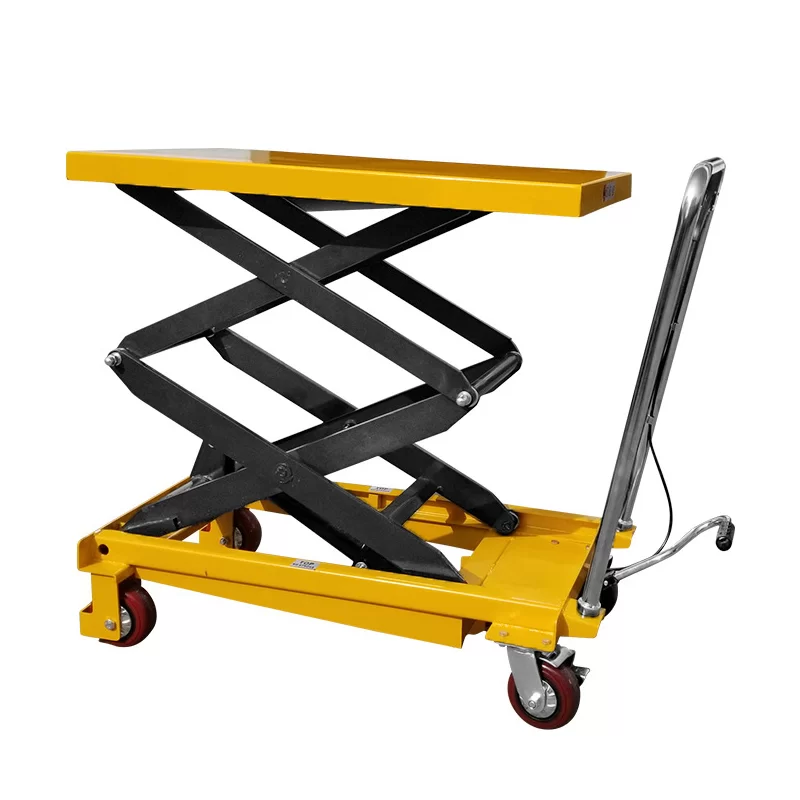
Prior to the 20th century, material handling in the Netherlands relied heavily on manual labor and simple pulley systems. The early 1900s saw the introduction of steam-powered cranes, primarily in port facilities. By the mid-20th century, electric motors began to replace steam, leading to the development of the first rudimentary electric hoist and electric winch systems.

The 1980s and 90s witnessed significant advancements in control systems with the introduction of programmable logic controllers (PLCs). This allowed for greater precision and automation in lifting operations. The development of more durable and lighter materials, like high-strength alloys for load chain, also improved the performance and safety of lifting equipment.

The 21st century has been characterized by the integration of digital technologies, including the Internet of Things (IoT) and data analytics. Smart hoists equipped with sensors and remote monitoring capabilities are now commonplace, providing real-time data on performance, load, and potential maintenance issues. The rise of Electric trolley systems offering precise movement has also enhanced efficiency.

Future Development Trends

Enhanced Automation and Robotics

The trend towards increased automation will continue, with greater integration of lifting equipment with robotic systems. This will enable fully automated material handling processes in warehouses, manufacturing facilities, and ports.

Predictive Maintenance & IoT Integration

IoT sensors and data analytics will play a critical role in predictive maintenance, reducing downtime and extending the lifespan of wire rope hoist and other lifting equipment. Google Trends data indicates a growing search interest in “predictive maintenance” and “remote monitoring” within the industrial sector in the Netherlands.

Sustainable Lifting Solutions

Demand for energy-efficient and environmentally friendly lifting solutions will increase. This includes the development of electric hoists with regenerative braking systems and the use of sustainable materials in the production of block chain and other components.

Industry Trends and Future Outlook for Lifting Equipment in the Netherlands

Exploring future possibilities in the Dutch material handling sector.

Increased Demand for Compact Hoists
The Netherlands’ dense urban areas and limited space in many industrial facilities will drive demand for compact chain hoist electric and electric hoist solutions.
Growth of Smart Lifting Solutions
The adoption of IoT-enabled hoists and winches will accelerate, offering real-time data and remote monitoring capabilities for improved efficiency and safety.
Focus on Energy Efficiency
Companies will increasingly seek energy-efficient lifting solutions to reduce operating costs and minimize their environmental impact.
Stringent Safety Regulations
Compliance with European safety standards will remain paramount, driving demand for certified and reliable manual chain block and other lifting equipment.

Industry Outlook

The Dutch material handling market is expected to experience steady growth over the next 3-5 years, driven by continued investment in logistics infrastructure, manufacturing automation, and port expansion. The increasing focus on sustainability and circular economy principles will also create new opportunities for innovative lifting solutions.

Companies operating in the Netherlands will need to prioritize safety, efficiency, and sustainability to remain competitive. Investing in smart lifting equipment and adopting predictive maintenance strategies will be crucial for optimizing performance and minimizing downtime.

Local Application Scenarios for Lifting Equipment in the Netherlands

Real-world examples of lifting solutions in Dutch industries.

1. Port of Rotterdam Operations

The Port of Rotterdam, Europe’s largest port, utilizes heavy-duty electric winch and wire rope hoist systems for loading and unloading cargo from ships. The corrosive marine environment demands robust and weatherproof equipment.

2. Wind Turbine Maintenance

The Netherlands is a leader in wind energy, and technicians require reliable electric hoist and load chain systems to access and maintain wind turbine components at height. Safety is paramount in this application.

3. Agricultural Processing Facilities

Dutch agricultural processing plants use chain hoist electric and manual chain block systems for lifting and moving heavy sacks of produce and other materials. Hygiene and food safety regulations are key considerations.

4. Manufacturing Plants in the Randstad

Manufacturing facilities in the Randstad region, a densely populated area, utilize compact electric trolley and electric hoist systems for material handling within confined spaces.

5. Construction Projects in Amsterdam

Construction sites in Amsterdam and other Dutch cities utilize a range of lifting equipment, including wire rope hoist and block chain for lifting building materials to different floors.

Brand Story

Hebei Juying Hoist Machinery Manufacturing Co., Ltd.’s global development journey

Founding Principles: Delivering Reliability

Established in 2005, Juying Hoist was founded on a commitment to providing robust and reliable lifting solutions to meet the growing demands of global industries.

Expansion into European Markets

In 2012, Juying Hoist began expanding its reach into European markets, recognizing the need for high-quality lifting equipment in regions like the Netherlands.

Commitment to Innovation

We continuously invest in research and development to improve the performance, safety, and sustainability of our products, incorporating feedback from customers worldwide.

Focus on Customer Satisfaction

At Juying Hoist, customer satisfaction is our top priority. We provide comprehensive support, from product selection to installation and maintenance.

Building a Global Network

We are dedicated to building a strong global network of distributors and partners to provide localized support and expertise to customers in every region.

Frequently Asked Questions: Lifting Equipment in the Netherlands

Answers to common questions from Dutch customers.

What safety standards must electric hoists meet for use in Dutch industrial facilities?

Electric hoists used in Dutch industrial facilities must comply with European standards such as EN 13155 and NEN-EN 14492-1. These standards cover safety requirements for the design, manufacturing, and testing of lifting equipment.

What is the typical lead time for delivery of a wire rope hoist to a location in the Netherlands?

Typical lead times for delivery of a wire rope hoist to the Netherlands range from 2-4 weeks, depending on the specific configuration and current stock levels.

Do you offer installation and maintenance services for electric winches in the Netherlands?

We work with a network of certified partners in the Netherlands who can provide installation, maintenance, and repair services for our electric winches.

What are the benefits of using a chain hoist electric over a wire rope hoist in a Dutch warehouse?

Chain hoists offer greater precision, lower headroom requirements, and are often preferred for applications where frequent lifting and positioning are required. They are also well-suited for use in confined spaces.

What is the recommended maintenance schedule for a manual chain block used in a Dutch factory?

We recommend inspecting your manual chain block every 6 months and lubricating the chain and gears annually. A full inspection by a qualified technician should be conducted every 2-3 years.

How do your load chains and binder chains perform in harsh, wet conditions typical of the Netherlands?

Our load chains and binder chains are manufactured from high-strength alloy steel and coated with a protective finish to resist corrosion. They are designed to perform reliably in harsh, wet conditions.

Get in Touch with Us

We are here to help you find the right lifting solution for your needs in the Netherlands.

Contact Us Now

If you are interested in our products, you can choose to leave your information here, and we will be in touch with you shortly.