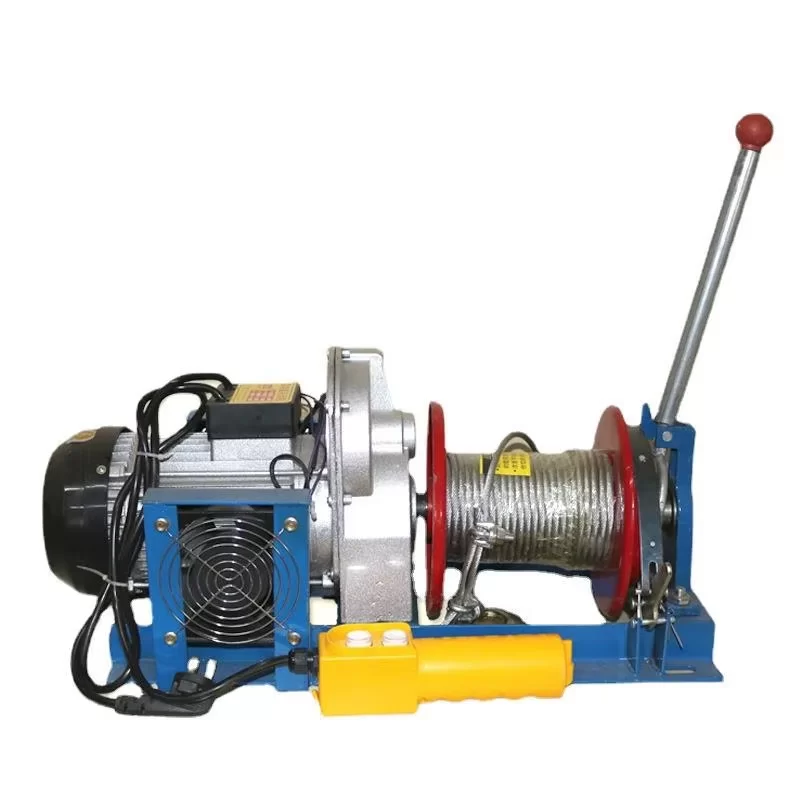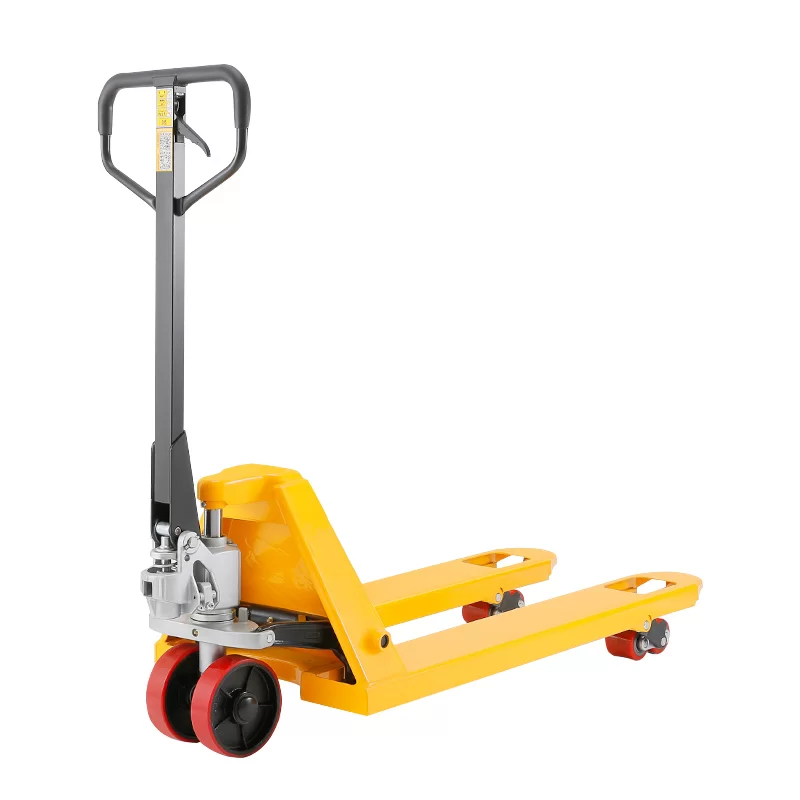
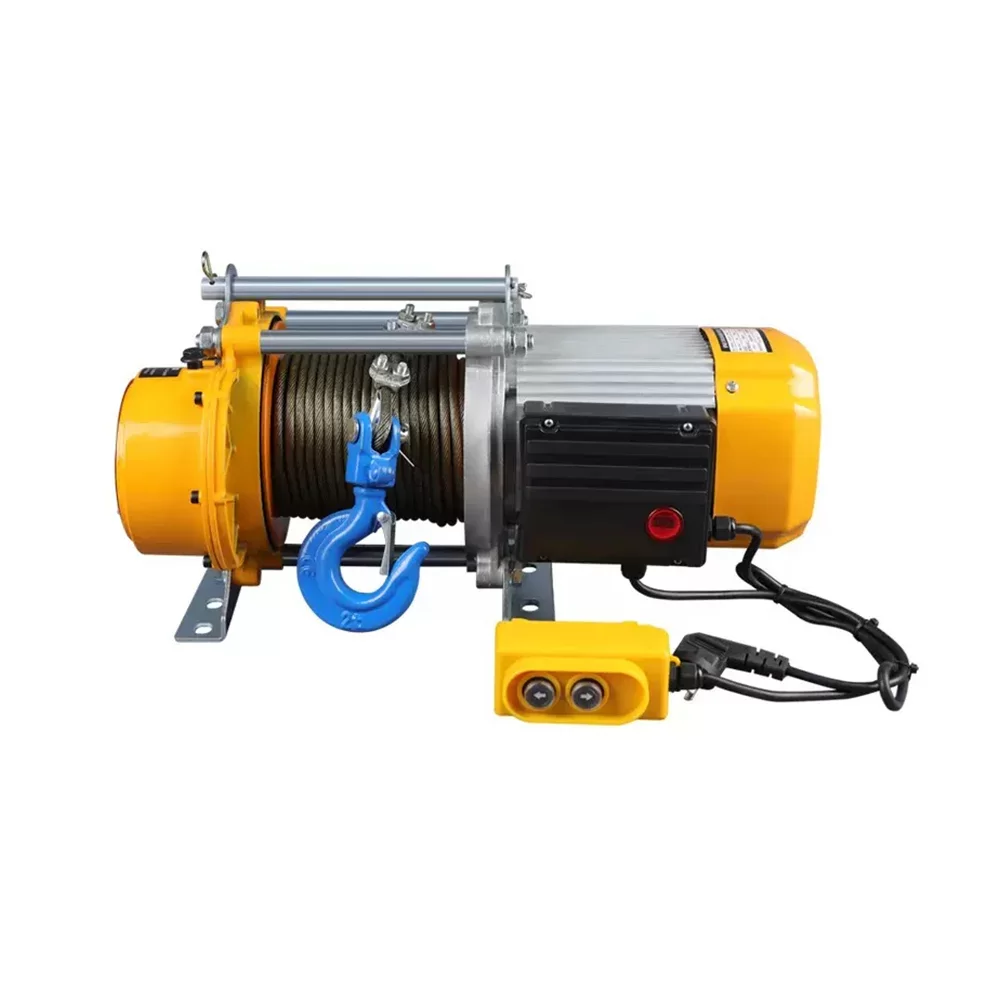
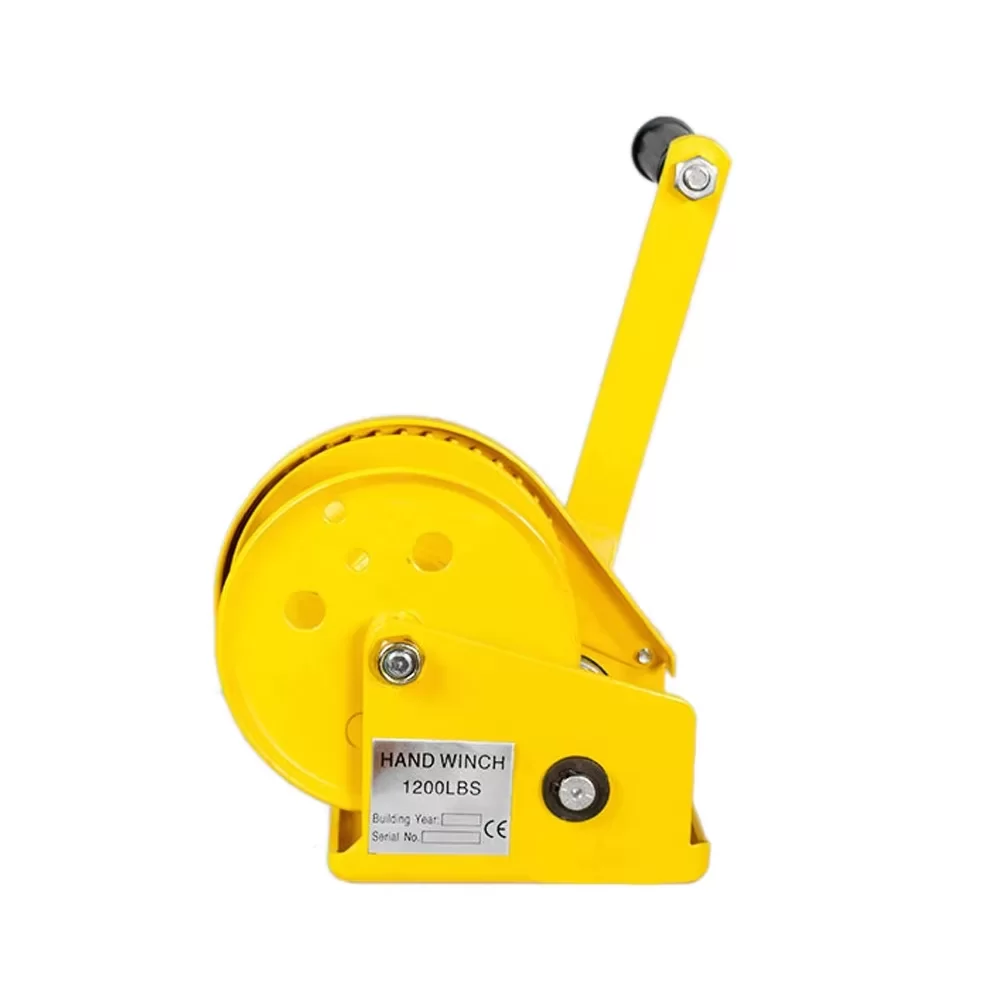
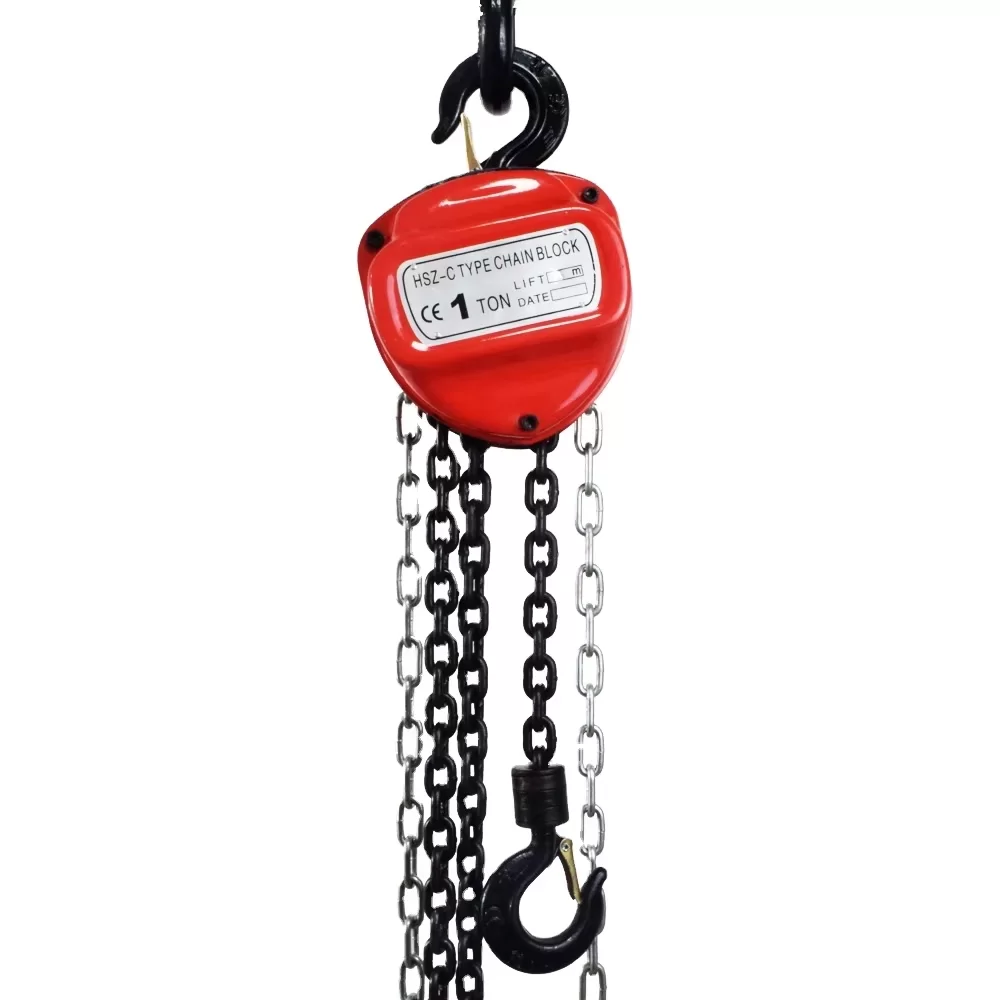
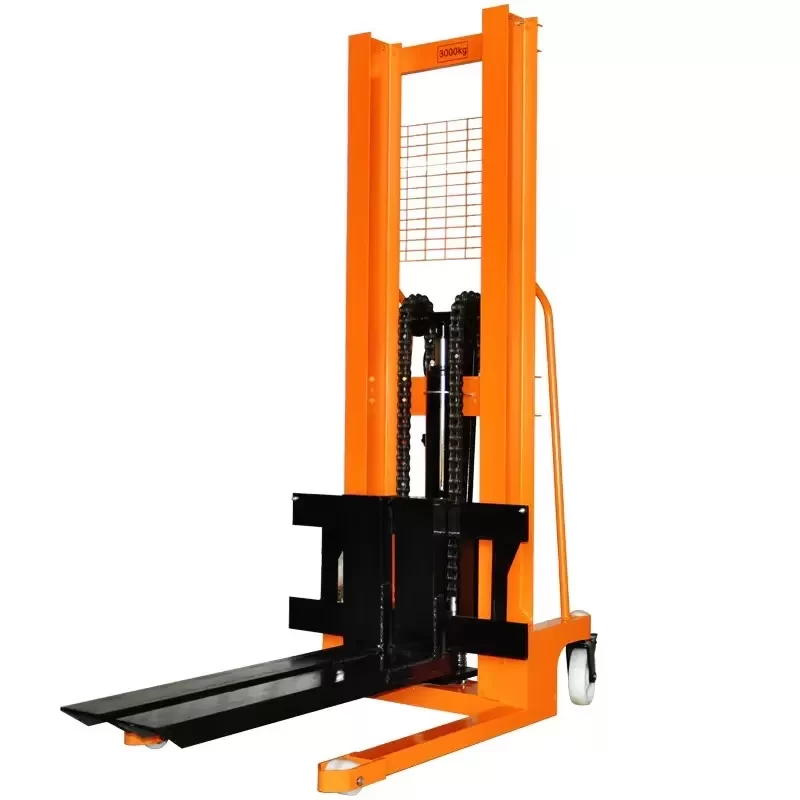
Nigeria's Leading Electric Hoist Solutions: Powering Efficiency with Electric Winch

Reliable Material Handling Equipment for Industries Across Nigeria.

The Current Landscape of Material Handling in Nigeria

Analyzing the Challenges and Opportunities in the Nigerian Lifting Equipment Market.

Nigeria, Africa's most populous nation, experiences substantial growth in its manufacturing, construction, and oil & gas sectors. This growth necessitates robust material handling solutions, particularly electric hoist systems. However, the market faces challenges like inconsistent power supply, demanding climatic conditions (high humidity and temperature), and a need for durable, reliable equipment capable of withstanding heavy use. The import of equipment is often subject to logistical hurdles and currency fluctuations, affecting cost-effectiveness.

The demand for wire rope hoist and electric winch systems is particularly strong in port operations and infrastructure development. Businesses require equipment that minimizes downtime and maximizes operational efficiency. The availability of skilled technicians for maintenance and repair is also a crucial factor influencing purchasing decisions. Many companies currently rely on older, less efficient models, creating a significant opportunity for modern, energy-efficient solutions.

Recent infrastructure investments in Nigeria, driven by government initiatives and foreign investment, are further fueling the demand for chain hoist electric and related lifting equipment. The need for safe and efficient material handling practices is paramount, especially in industries with stringent safety regulations. Local businesses are increasingly seeking partnerships with reputable manufacturers who can provide not only high-quality products but also comprehensive after-sales support.
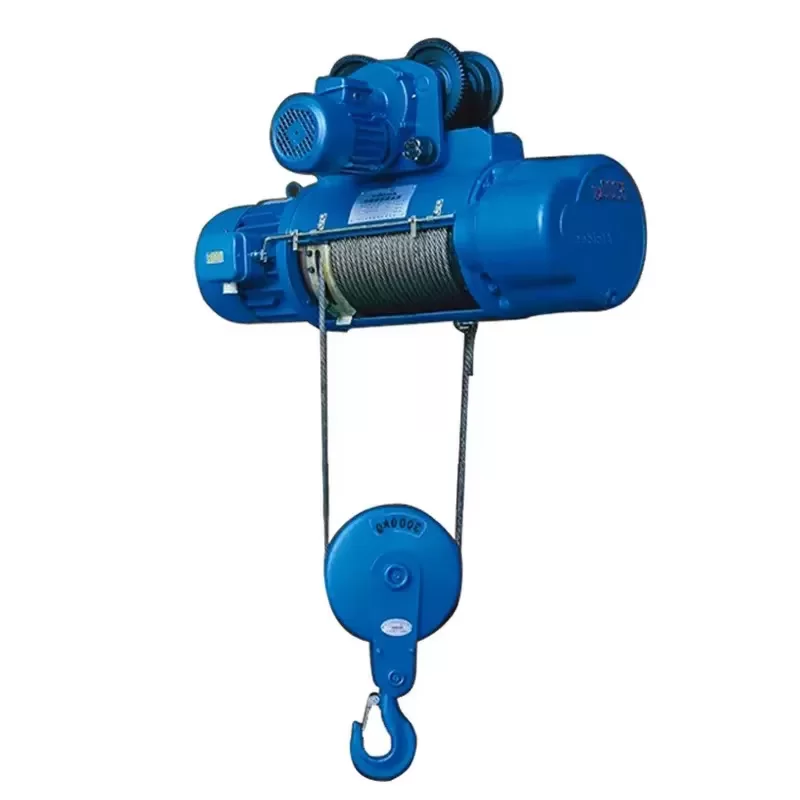
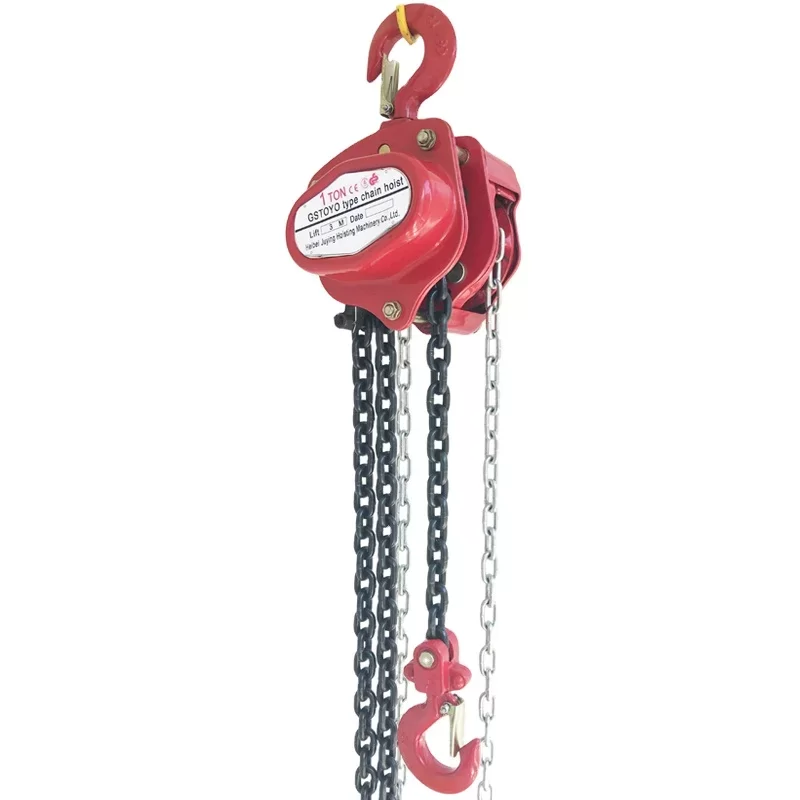
Evolution of Lifting Technology in Nigeria

Tracing the Journey from Manual to Automated Material Handling Solutions.

Market Development History

Historically, material handling in Nigeria relied heavily on manual labor and basic pulley systems. The 1970s saw the introduction of simpler mechanical hoists, often imported from Europe and Asia. These were primarily used in port operations and construction. The 1990s marked a gradual shift towards electric hoists, driven by increasing industrialization and the demand for greater efficiency. However, affordability remained a major constraint.

The early 2000s witnessed a rise in the demand for Electric trolley systems as businesses sought to streamline their operations. The introduction of more reliable power generators and voltage stabilizers facilitated the adoption of electric equipment. Local assembly plants began to emerge, offering more affordable options. The increasing focus on workplace safety also spurred demand for certified lifting equipment.

From 2010 onwards, the market has experienced a growing trend towards advanced lifting solutions, including variable speed drives, programmable logic controllers (PLCs), and remote-control operation. The availability of internet connectivity has enabled the integration of lifting equipment with broader automation systems. Furthermore, the need for load chain and block chain has increased due to their ability to support heavy loads safely.

Future Development Trends

Smart Lifting Systems

The integration of IoT sensors and data analytics into lifting equipment will enable predictive maintenance, remote monitoring, and improved operational efficiency. Google Trends data shows a consistent increase in search queries related to “smart hoists” and “remote monitoring” in the Nigerian market.

Energy Efficiency & Sustainability

Demand for energy-efficient electric hoist systems and sustainable manufacturing practices will continue to rise as businesses prioritize environmental responsibility and seek to reduce operating costs. The shift towards more eco-friendly solutions will be driven by both regulatory pressures and consumer demand.

Advanced Safety Features

The development and adoption of advanced safety features, such as anti-collision systems, overload protection, and emergency stop mechanisms, will be crucial for minimizing workplace accidents and ensuring compliance with international safety standards.

Industry Trends and Future Outlook for Material Handling in Nigeria

Analyzing Key Drivers and Emerging Opportunities in the Nigerian Lifting Equipment Sector.

Increasing Demand in Construction
Nigeria’s booming construction sector is driving the demand for robust manual chain block and electric winch systems for lifting materials and equipment.
Port Modernization Projects
Ongoing port modernization projects are creating a strong demand for heavy-duty wire rope hoist and electric hoist systems.
Growing Oil & Gas Sector
The oil and gas industry requires specialized electric winch and Binder chain solutions for maintenance and operations, particularly in offshore facilities.
Increased Focus on Safety
Stricter safety regulations are driving demand for certified and reliable chain hoist electric and load chain systems.

Industry Outlook

The Nigerian material handling market is poised for substantial growth in the coming years, driven by infrastructure development, industrial expansion, and increasing awareness of safety standards. The adoption of advanced technologies, such as smart lifting systems and remote monitoring, will be crucial for businesses to maintain a competitive edge.

The demand for local assembly and manufacturing of lifting equipment is expected to rise, creating opportunities for local entrepreneurs and investors. Strong partnerships between international manufacturers and local distributors will be essential for success in this dynamic market.

Localized Application Scenarios in Nigeria

Real-World Examples of Lifting Equipment in Use Across Nigerian Industries.

1. Port Operations in Lagos

Lagos, the busiest port in Nigeria, relies heavily on wire rope hoist and electric winch systems for efficient loading and unloading of cargo. These systems are essential for handling containers, bulk materials, and other goods. Reliability and durability are paramount in this demanding environment.

2. Construction Projects in Abuja

The ongoing construction of infrastructure projects in Abuja requires a variety of lifting equipment, including electric hoist, manual chain block, and Binder chain. These systems are used for lifting building materials, steel structures, and heavy machinery. Safety is a top priority on construction sites.

3. Oil & Gas Facilities in the Niger Delta

Oil and gas facilities in the Niger Delta region utilize specialized electric winch and load chain systems for maintenance, repair, and operations. These systems must be capable of operating in harsh environments and meeting stringent safety standards.

4. Manufacturing Plants in Kano

Manufacturing plants in Kano utilize chain hoist electric and Electric trolley systems for material handling within their facilities. These systems improve efficiency, reduce labor costs, and enhance workplace safety.

5. Beverage Factories in Lagos

Beverage factories in Lagos use electric hoist and block chain to lift and move pallets of finished products and raw materials. High reliability and hygiene standards are essential in this industry.

Brand Story

Hebei Juying Hoist Machinery Manufacturing Co., Ltd.'s Global Development Journey

Pioneering Lifting Solutions

Founded in 2008, Hebei Juying Hoist Machinery Manufacturing Co., Ltd. began with a vision to provide high-quality lifting equipment to meet the growing demands of the global market.

Expanding into International Markets

In 2012, we began exporting our products to Southeast Asia, earning a reputation for reliability and competitive pricing.

Focus on Innovation

2016 marked a significant investment in research and development, leading to the introduction of smart lifting solutions with advanced safety features.

Entering the African Market

In 2020, we expanded our operations into Africa, recognizing the immense potential of this rapidly growing continent. We established partnerships with local distributors to provide tailored solutions for the Nigerian and other African markets.

Our Commitment to Nigeria

Our mission is to empower Nigerian industries with safe, efficient, and reliable lifting solutions, contributing to economic growth and sustainable development.

Frequently Asked Questions – Nigeria

Addressing Common Concerns About Lifting Equipment in the Nigerian Market.

What are the key considerations when selecting an electric hoist for a construction site in Nigeria?

Consider factors like load capacity, lifting height, power supply stability (generator compatibility), environmental conditions (humidity, temperature), and adherence to Nigerian safety standards. Choose a hoist with robust construction and overload protection.

How do I ensure the safe operation of a wire rope hoist in a port environment?

Regular inspection of the wire rope for wear and tear is crucial. Ensure proper lubrication, conduct periodic load tests, and provide comprehensive training to operators. Adhere to all relevant port safety regulations.

What are the benefits of using a chain hoist electric over a manual chain block?

Electric chain hoists offer faster lifting speeds, reduced operator fatigue, and greater precision. They are ideal for high-volume lifting applications and can significantly improve productivity.

What maintenance is required for an electric winch used in an oil and gas facility?

Regularly inspect the winch's motor, gearbox, brake system, and wire rope. Lubricate moving parts according to the manufacturer's recommendations. Implement a preventative maintenance schedule to minimize downtime.

What is the importance of using high-quality load chain and binder chain?

High-quality chains are crucial for ensuring the safe lifting of heavy loads. Inferior chains can fail, leading to accidents and injuries. Choose chains that meet international safety standards and have a certified working load limit.

How do I determine the appropriate lifting capacity for my application?

Calculate the total weight of the load, including any rigging hardware. Add a safety factor of at least 20% to account for dynamic loads and unforeseen circumstances. Consult with a qualified lifting equipment specialist if you are unsure.

Get in Touch – Nigeria

Ready to discuss your lifting needs in Nigeria? Contact us today for expert advice and tailored solutions. We serve businesses throughout Africa - Nigeria.

Contact Us Now

If you are interested in our products, you can choose to leave your information here, and we will be in touch with you shortly.