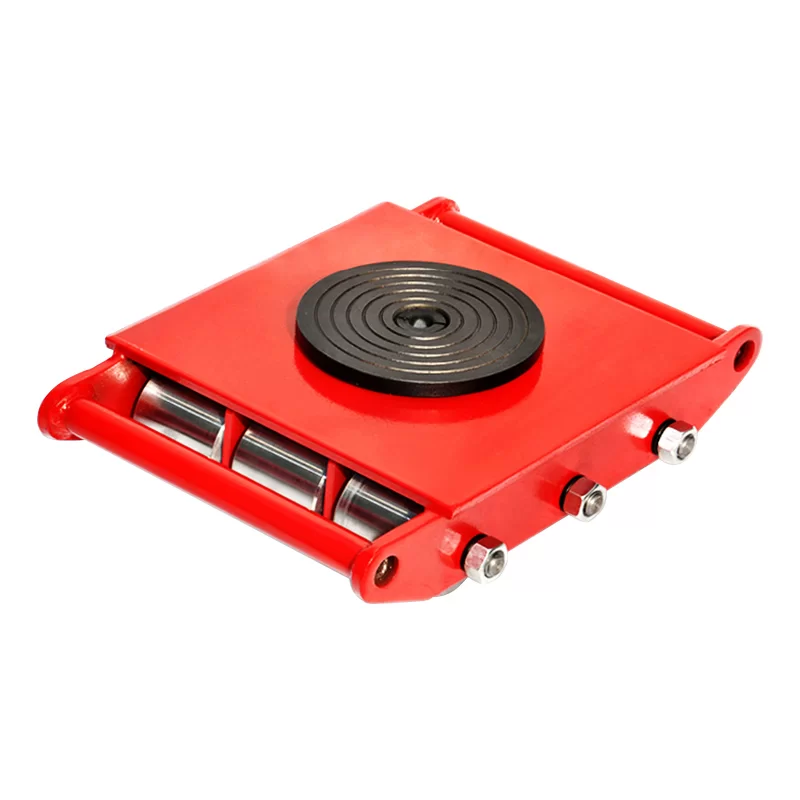
Portugal's Premier Electric Hoist Solutions - Electric Trolley

Providing reliable lifting equipment for industrial applications across Portugal.

The Current State of Material Handling in Portugal

Analyzing the Portuguese Market for Lifting Equipment

Portugal’s manufacturing sector, while diverse, relies heavily on efficient material handling systems. The country's strategic location as a gateway to Europe and its growing industrial base, particularly in automotive, textiles, and food processing, drive demand for robust electric winch and lifting solutions. However, many Portuguese businesses, especially SMEs, face challenges related to initial investment costs and the need for equipment that meets stringent European safety standards.

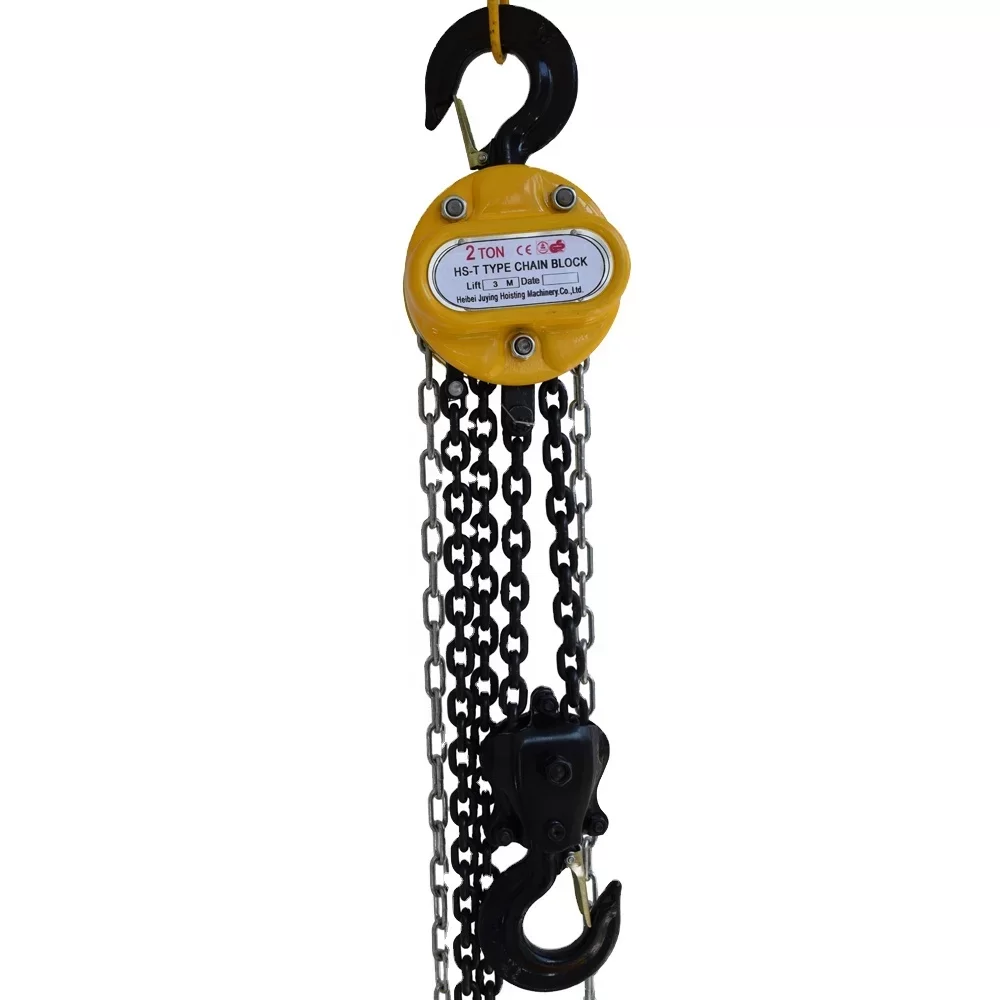
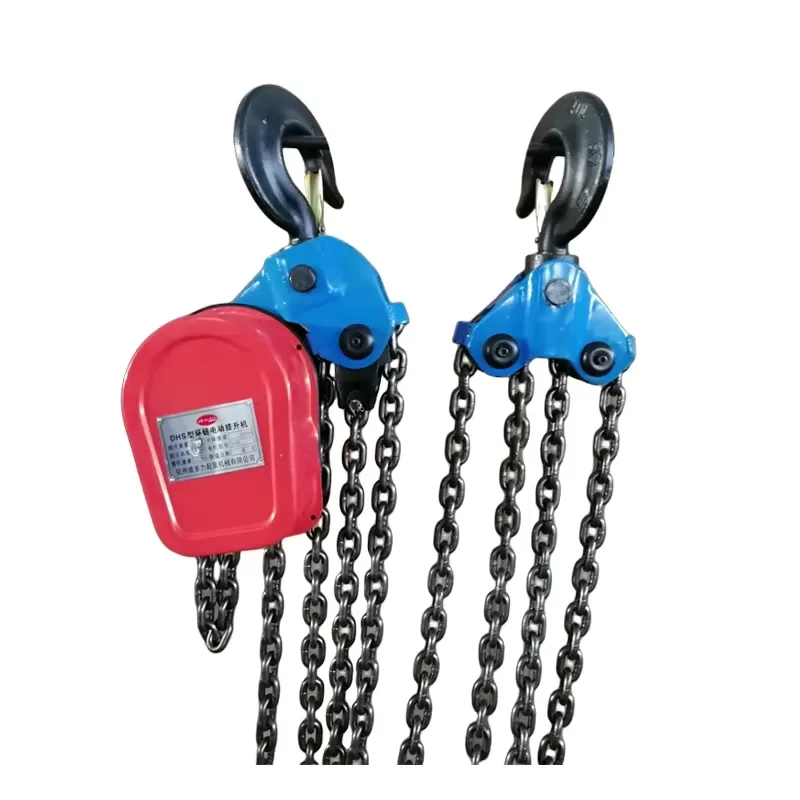
The relatively small size of many Portuguese factories means that compact and versatile lifting equipment, such as manual chain block and block chain, are particularly popular. The coastal climate, with its high humidity in some regions, necessitates durable equipment with corrosion-resistant features. Local regulations and a growing emphasis on workplace safety also drive demand for certified and reliable lifting solutions.

Furthermore, Portugal's adoption of Industry 4.0 principles is creating a need for smart lifting equipment that can be integrated into automated production processes. The availability of skilled technicians for maintenance and repair, while generally good, presents a localized challenge in more remote areas, impacting the overall lifecycle cost of the equipment. load chain quality is also a key consideration.
Evolution of Lifting Technology in Portugal

A Historical Perspective on Material Handling in the Portuguese Industry

Market Development History

Prior to the 1980s, material handling in Portugal largely relied on manual labor and simple pulley systems. The influx of European investment in the late 20th century introduced more sophisticated hydraulic and pneumatic lifting equipment. The 1990s witnessed the initial adoption of electric hoist in larger manufacturing facilities, primarily imported from Germany and Italy.

The early 2000s saw a rise in demand for wire rope hoists, driven by the growth of the construction and shipbuilding industries. This period also marked increased awareness of workplace safety regulations, prompting businesses to invest in certified lifting equipment. Around 2010, the adoption of Binder chain and other advanced lifting technologies began to accelerate.

More recently, from 2015 onwards, Portugal has embraced Industry 4.0, fostering the integration of smart sensors and data analytics into lifting equipment for predictive maintenance and improved operational efficiency. The increasing availability of affordable and reliable chain hoist electric systems has further fueled this trend.

Future Development Trends

Smart Lifting Solutions

The integration of IoT sensors and data analytics into lifting equipment will enable predictive maintenance, reducing downtime and improving operational efficiency. Google Trends data shows a consistent increase in searches for "smart hoist" and "remote monitoring" in Portugal.

Lightweight and Compact Designs

Driven by the prevalence of SMEs in Portugal, demand for compact and lightweight lifting solutions, like those utilizing load chain, will continue to grow. This is supported by increasing search volume for “portable hoist” and “mini hoist.”

Sustainability and Energy Efficiency

The growing focus on sustainability in Portugal will drive demand for energy-efficient lifting equipment, such as those with variable frequency drives (VFDs) and regenerative braking systems. Google Trends reveals a rising interest in "eco-friendly hoist" and "energy-saving lifting equipment."

Industry Trends and Future Outlook for Lifting Equipment in Portugal

A Forecast of Growth and Innovation

Increased Demand for Automation
The integration of lifting equipment into automated production lines will be a key trend, driven by the need for improved efficiency and reduced labor costs.
Growth of Wireless Control Systems
Wireless remote controls will become increasingly common, offering greater flexibility and safety for operators.
Emphasis on Safety Features
Advanced safety features, such as overload protection and anti-collision systems, will become standard requirements.
Demand for Customization
Portuguese businesses will increasingly seek customized lifting solutions tailored to their specific needs and factory layouts.

Industry Outlook

The Portuguese lifting equipment market is poised for continued growth, driven by the country’s expanding manufacturing base and increasing adoption of Industry 4.0 technologies. The demand for high-quality, reliable, and safe lifting solutions will remain strong, particularly among businesses focused on export markets.

Companies that can offer innovative products, excellent customer service, and competitive pricing will be well-positioned to succeed in this dynamic market. Investing in local partnerships and providing comprehensive after-sales support will also be crucial for gaining market share.

Local Application Scenarios in Portugal

Real-World Examples of Lifting Equipment Use

1. Automotive Component Manufacturing

In the automotive industry, electric hoist systems are used to lift and position heavy engine blocks, transmissions, and other components during the assembly process. The precision and reliability of these hoists are critical for ensuring product quality.

2. Textile Production Facilities

Textile factories in Portugal utilize wire rope hoist to move large rolls of fabric and finished goods. These hoists must be capable of handling varying loads and operating in potentially humid environments.

3. Food Processing and Packaging Plants

In food processing facilities, hygienic and corrosion-resistant chain hoist electric systems are essential for lifting and moving ingredients, packaging materials, and finished products, ensuring compliance with strict food safety regulations.

4. Shipbuilding and Repair Yards

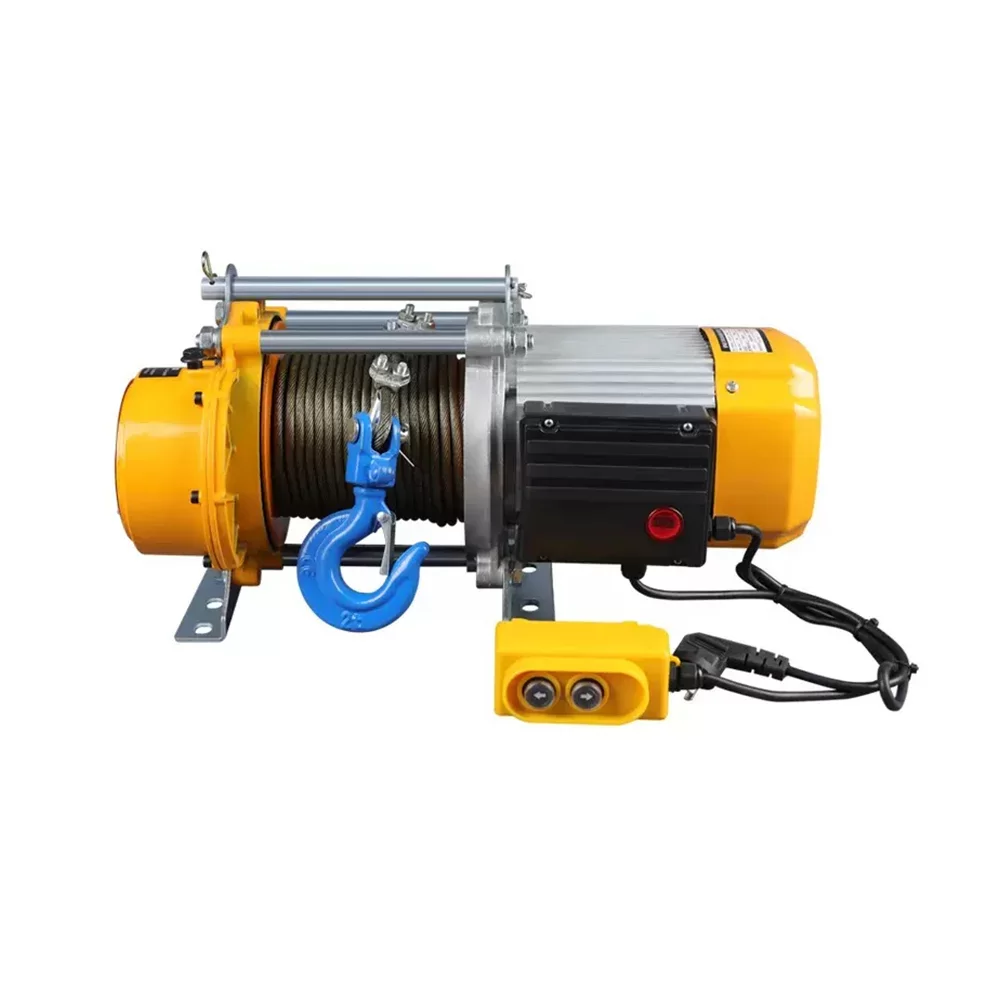
Portuguese shipyards rely on heavy-duty electric winch for lifting and positioning large components during ship construction and repair, requiring robust equipment capable of withstanding harsh marine conditions.

Brand Story

The Global Development Journey of Hebei Juying Hoist Manufacturing Co., Ltd.

Our Foundation: Commitment to Quality

Founded in 2005, Hebei Juying Hoist Manufacturing Co., Ltd. began with a simple mission: to provide reliable and durable lifting equipment to meet the evolving needs of industries worldwide.

Expanding Our Reach

In 2010, we expanded our operations, investing in advanced manufacturing technologies and establishing a robust quality control system to meet international standards.

Entering the European Market

By 2015, we successfully entered the European market, gaining a reputation for providing cost-effective and high-performance lifting solutions.

Focus on Innovation

Today, we are committed to continuous innovation, developing smart lifting equipment and customized solutions to address the unique challenges of our customers.

Our Promise to Portugal

We are dedicated to providing Portuguese businesses with the lifting equipment they need to succeed, backed by exceptional customer support and a commitment to safety.

Frequently Asked Questions – Portugal

Answers to Common Questions About Lifting Equipment in Portugal

What safety certifications are required for electric hoists used in Portuguese factories?

Portuguese regulations require all lifting equipment to comply with European standards, including EN 13155 for wire rope hoists and EN 17149 for chain hoists. Compliance must be documented with appropriate certifications.

How often should a wire rope hoist undergo inspection and maintenance in Portugal?

Wire rope hoists should undergo a thorough inspection by a qualified technician at least every 12 months, and more frequently if used in harsh environments or for heavy-duty applications. Regular maintenance, including lubrication and rope inspection, is also crucial.

What are the key considerations when choosing a chain hoist for a humid environment in Portugal?

When selecting a chain hoist electric for a humid environment, prioritize corrosion-resistant materials, such as stainless steel or coated chains, and ensure the hoist is adequately sealed to prevent water ingress.

What is the typical lead time for delivering a customized electric winch to a location in Portugal?

The lead time for delivering a customized electric winch to Portugal typically ranges from 4 to 8 weeks, depending on the complexity of the customization and current production capacity.

Are spare parts readily available for your lifting equipment in Portugal?

We maintain a network of distributors and service centers in Portugal to ensure prompt access to spare parts and technical support. We also offer fast shipping for urgent requests.

How does the cost of an electric hoist compare to a manual chain block in Portugal?

An electric hoist typically has a higher upfront cost than a manual chain block, but offers significant advantages in terms of efficiency, speed, and reduced operator effort. The long-term cost of ownership may be lower due to increased productivity.

Get in Touch with Us

We are here to help you find the perfect lifting solution for your needs in Portugal. Contact us today to discuss your requirements.

Contact Us Now

If you are interested in our products, you can choose to leave your information here, and we will be in touch with you shortly.