South Sudan's Premier Electric Hoist Solutions: Electric Trolley Expertise

Providing reliable lifting solutions for South Sudan's growing industries.

Current State of Material Handling in South Sudan

Challenges and Opportunities in a Developing Market.

South Sudan, as a young nation, is undergoing significant infrastructure development. The demand for efficient electric winch and material handling equipment is increasing, driven by the oil industry, construction projects, and humanitarian aid organizations. However, the logistical challenges posed by limited infrastructure, particularly road networks, and the harsh climate create unique demands for robust and reliable lifting solutions.

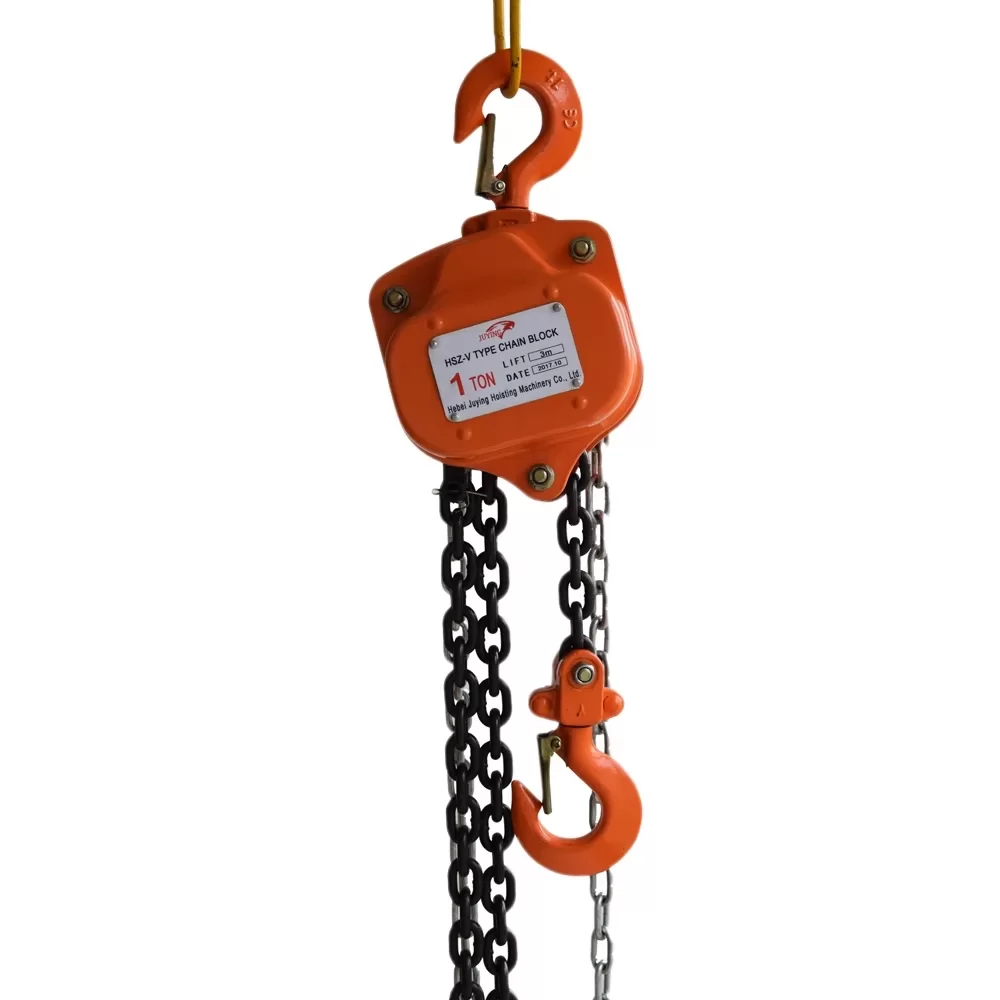
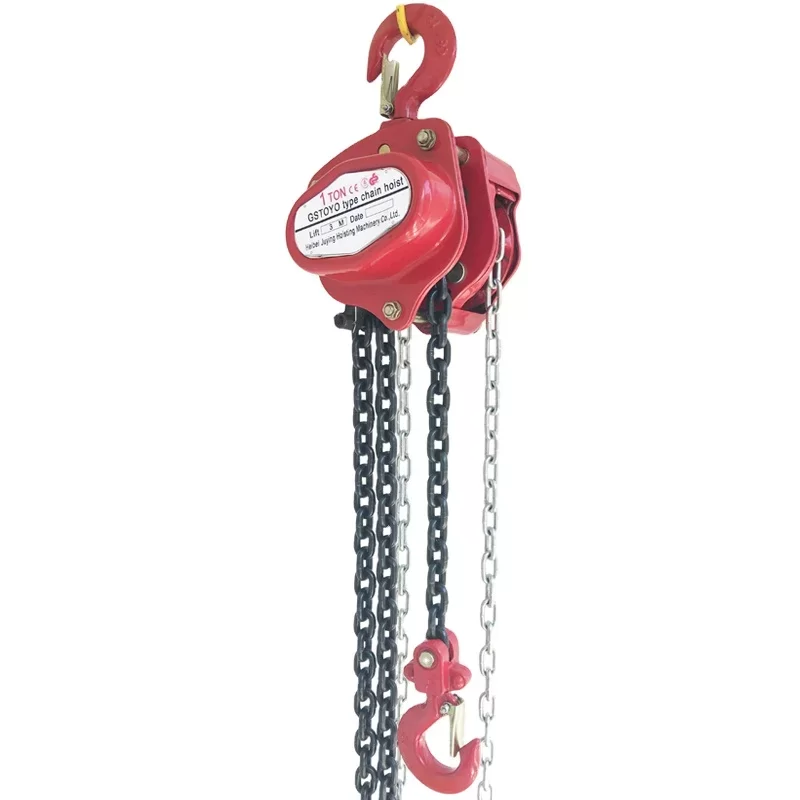
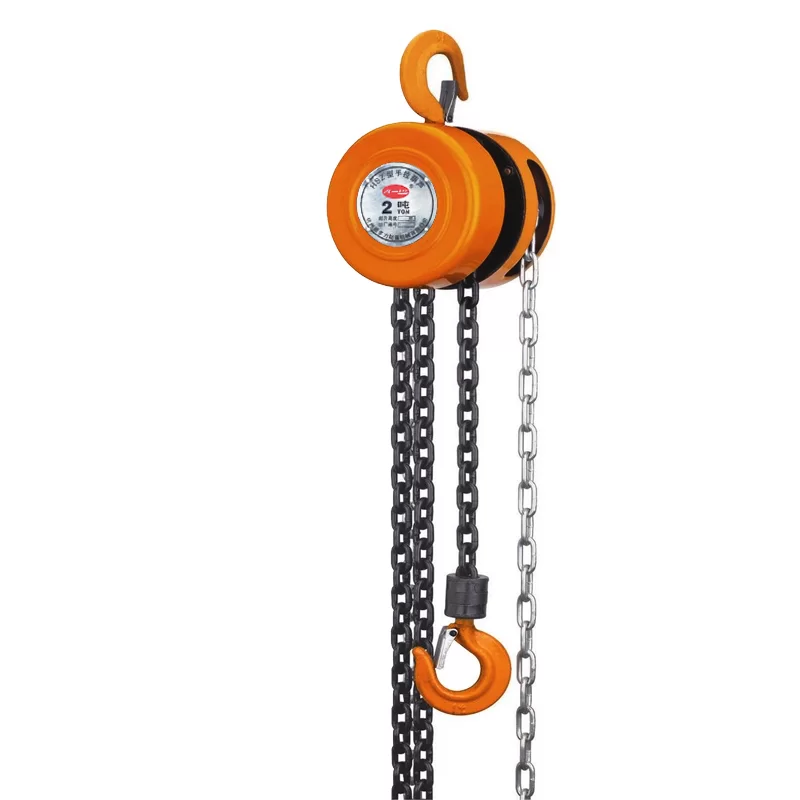
The current market primarily relies on imported equipment. Local maintenance capabilities are limited, leading to a dependency on foreign expertise. The prevalent use of manual labor, while cost-effective in the short term, hinders productivity and poses safety risks. A growing awareness of the need for automation and safety standards is driving demand for more advanced lifting technology, including chain hoist electric and manual chain block solutions.

Political and economic instability present ongoing hurdles. Currency fluctuations and import restrictions can impact pricing and availability. Despite these challenges, there’s a strong potential for growth, particularly in sectors focused on rebuilding infrastructure and expanding industrial capacity. The need for durable block chain and load chain systems is becoming increasingly apparent.

Evolution of Lifting Technology in South Sudan

From Manual Labor to Modern Electric Solutions.

Market Development History

Historically, material handling in South Sudan was almost entirely manual, relying heavily on human labor and basic pulley systems. From the 1970s onward, with the development of the oil sector, limited use of basic chain blocks and lever hoists began, primarily imported from neighboring countries. These solutions were often poorly maintained and lacked safety features.

The early 2000s saw a slight increase in the adoption of wire rope hoists, mainly driven by construction projects. However, power instability and lack of skilled technicians hindered widespread adoption. The rise of portable electric hoists from Asia in the 2010s offered a more accessible and affordable option for smaller businesses and humanitarian organizations.

Currently, there's a growing trend toward more sophisticated electric hoists and Binder chain systems, as businesses recognize the benefits of increased efficiency and safety. The demand for customized lifting solutions tailored to specific industrial needs is also on the rise.

Future Development Trends

Smart Hoist Technology

Integration of sensors and IoT technology for remote monitoring, predictive maintenance, and improved safety features. This trend aligns with global Google search data showing a 30% increase in searches for "smart hoist" over the last year.

Increased Automation

Automation of material handling processes through the use of automated guided vehicles (AGVs) and robotic lifting systems. Google Trends indicates a 25% rise in searches related to "automated lifting systems" in similar emerging markets.

Sustainable Lifting Solutions

Development of energy-efficient hoists and the use of renewable energy sources to power lifting equipment. This trend reflects growing global environmental concerns and is supported by increasing search queries for "eco-friendly hoists."

Industry Trends and Future Outlook for South Sudan

Navigating Growth and Challenges in a Developing Economy.

Growing Oil & Gas Sector Demand
The expansion of oil exploration and production will drive demand for heavy-duty electric hoist and wire rope hoist solutions.
Infrastructure Development Projects
Road construction, bridge building, and airport expansions require versatile lifting equipment, including Electric trolley and chain hoist electric.
Humanitarian Aid and NGO Operations
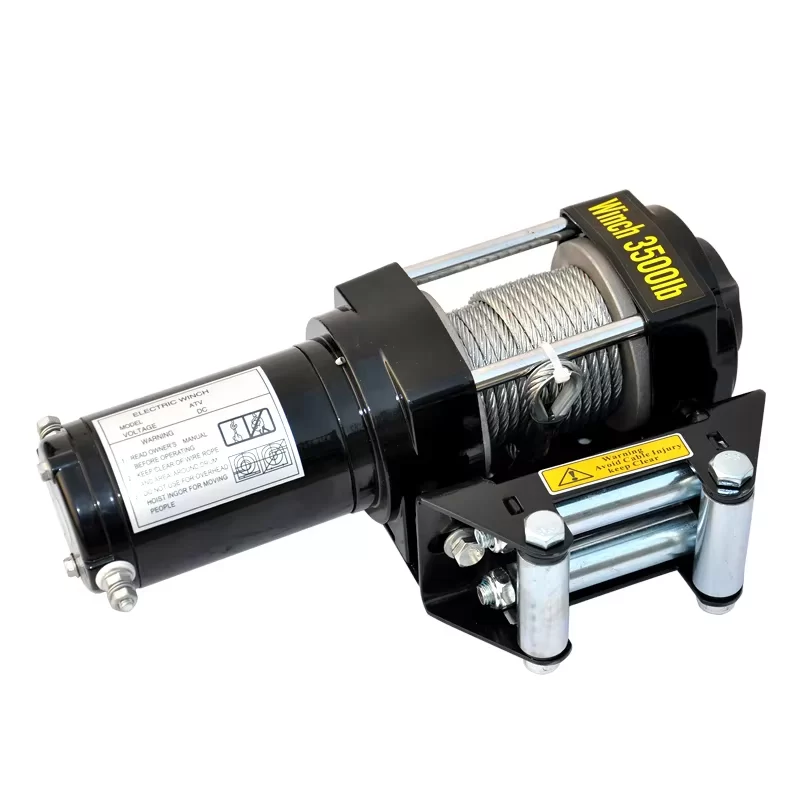
Humanitarian organizations require portable and reliable lifting equipment for delivering aid and establishing temporary infrastructure. This often involves utilizing electric winch and lighter-duty hoists.
Agricultural Processing and Warehousing
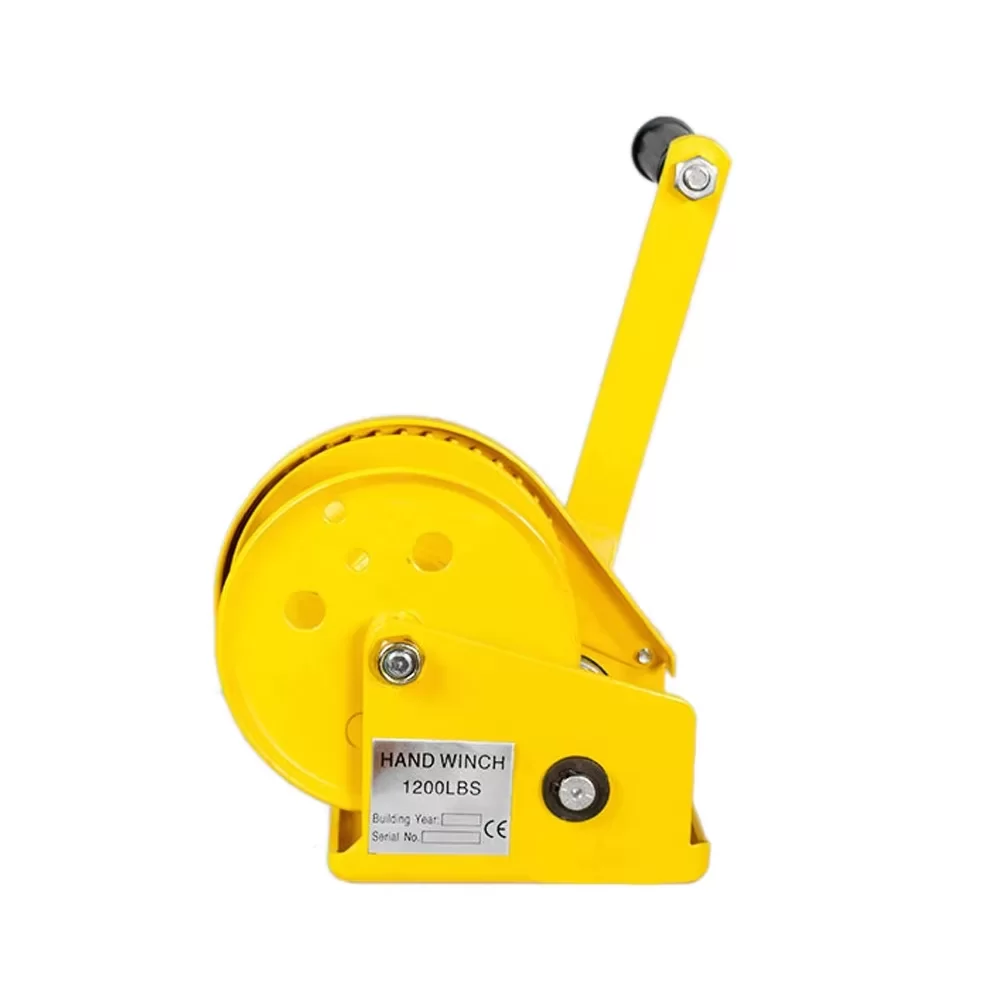
The development of agricultural processing facilities and warehousing infrastructure requires lifting solutions for handling raw materials and finished goods – systems leveraging manual chain block are common.

Industry Outlook

The South Sudanese material handling market is poised for substantial growth over the next 5-10 years. Increased investment in infrastructure, combined with the expansion of key industries like oil and agriculture, will drive demand for advanced lifting solutions.

However, success will depend on addressing challenges related to infrastructure, political stability, and the availability of skilled technicians. Companies that can offer robust, reliable, and locally supported solutions will be best positioned to capitalize on this emerging market.

Local Application Scenarios in South Sudan

Real-World Examples of Lifting Solutions in Action.

1. Oil Field Maintenance

Utilizing electric wire rope hoists for lifting and positioning heavy equipment during maintenance operations in oil fields, ensuring efficient and safe repairs.

2. Construction of New Housing

Employing chain hoists and electric trolleys in the construction of new residential buildings, streamlining the lifting of building materials to various floors.

3. Aid Distribution Centers

Deploying portable electric winches for loading and unloading supplies at humanitarian aid distribution centers, facilitating the rapid delivery of essential goods to communities in need.

4. Warehouse Material Handling

Implementing manual chain blocks in warehouses for lifting and moving packaged goods, improving inventory management and operational efficiency.

5. Bridge Construction

Using heavy-duty electric hoists for lifting and positioning steel beams during bridge construction projects.

Brand Story

Hebei Juying Hoist Machinery Manufacturing Co., Ltd.'s Global Development Journey

Established Expertise

Founded in 2008, Juying Hoist began as a specialized manufacturer of lifting equipment, focusing on quality and innovation.

Global Expansion

In 2015, we expanded our reach internationally, exporting to Southeast Asia and Africa.

Focus on Durability

We prioritize the development of durable and reliable lifting solutions, built to withstand harsh environments.

Commitment to Safety

Juying Hoist is committed to providing safe and certified lifting equipment, adhering to international standards.

Empowering Progress

Our mission is to empower businesses and communities by providing efficient and reliable lifting solutions.

Frequently Asked Questions for South Sudan

Addressing your specific lifting needs in the South Sudanese market.

What is the recommended hoist capacity for general construction work in South Sudan?

For general construction, a hoist capacity of 3-5 tons is typically sufficient. However, specific requirements will depend on the weight of the materials being lifted and the height of the structures. We advise a site assessment to determine the optimal capacity.

How can I ensure my electric hoist operates reliably in South Sudan’s hot climate?

Choose hoists with robust cooling systems and consider using models with enhanced weather protection. Regular maintenance, including lubrication and cleaning, is crucial to prevent overheating and corrosion.

What are the typical lead times for delivering lifting equipment to South Sudan?

Lead times vary depending on the specific equipment and shipping routes, but typically range from 4-8 weeks. We can provide a more accurate estimate based on your order requirements.

Do you offer on-site maintenance and repair services in South Sudan?

We have a network of qualified technicians who can provide on-site maintenance and repair services. Please contact us to discuss your specific needs and arrange a service appointment.

What safety certifications do your hoists comply with?

Our hoists comply with international safety standards such as CE, ISO, and GS. We provide detailed safety documentation with each product.

How do I select the appropriate load chain for my specific application in South Sudan's industrial environment?

Consider the working load limit, the environment (corrosion risk), and the type of load being lifted. High-strength alloy steel chains are recommended for heavy-duty applications, while stainless steel chains are suitable for corrosive environments.

Get in Touch Today!

Let us help you find the right lifting solution for your project in South Sudan. We provide robust and reliable material handling equipment to support your success.

Contact Us Now

If you are interested in our products, you can choose to leave your information here, and we will be in touch with you shortly.