Securing heavy cargo during transit requires more than just strength; it demands precision tensioning and reliable hardware that can withstand extreme mechanical stress. For procurement managers and logistics engineers, sourcing high-grade load binders is a critical safety decision. Whether managing a fleet of flatbed trailers or organizing industrial warehouse shipments, the efficiency of the binding process directly impacts both operational speed and cargo integrity. This guide explores the technical necessity of professional tensioning tools, focusing on how high-performance materials and engineered safety mechanisms prevent load shifting and ensure compliance with international transport standards.
The durability of cargo securing tools depends heavily on the housing materials used. Traditional cast-iron versions are often cumbersome and prone to corrosion in humid environments. Modern industrial standards have shifted toward Aluminum Alloy Housing, which significantly reduces the overall weight of the unit. This makes transport and installation much more efficient for operators who must handle equipment frequently throughout a shift.
Beyond weight reduction, thermal regulation is a key engineering challenge. High-frequency start-stop cycles can lead to motor overheating, which degrades performance over time. A specialized fin cooling structure accelerates heat dissipation, ensuring that the internal components maintain a stable operating temperature. This is particularly crucial for units operating in outdoor conditions or humid climates where rust-resistance and thermal stability are non-negotiable for long-term reliability.
For heavy-duty daily lifting and tensioning jobs, the motor's winding material defines the tool's efficiency. A Pure Copper Winding Motor is utilized to deliver high-torque power output while maintaining low noise and reduced energy consumption. Unlike aluminum windings, copper provides superior electrical conductivity and thermal resistance, which translates to more stable power delivery during continuous-running operations.
This stability is essential when dealing with heavy loads where any fluctuation in power could result in uneven tensioning or unsafe load suspension. By prioritizing high-grade copper, the equipment ensures a consistent pull, reducing the risk of mechanical failure under peak stress. This technical choice directly supports the requirement for heavy-duty industrial performance, providing a reliable foundation for the entire lifting mechanism.
Safety in load binding and lifting is achieved through a redundant system of protections. To prevent over-travel, built-in upper and lower limit switches are integrated into the system, automatically stopping the mechanism before it reaches a critical failure point. Furthermore, electromagnetic braking systems ensure that loads are locked instantly in the event of a power cut, preventing catastrophic drops or sudden shifts in cargo position.
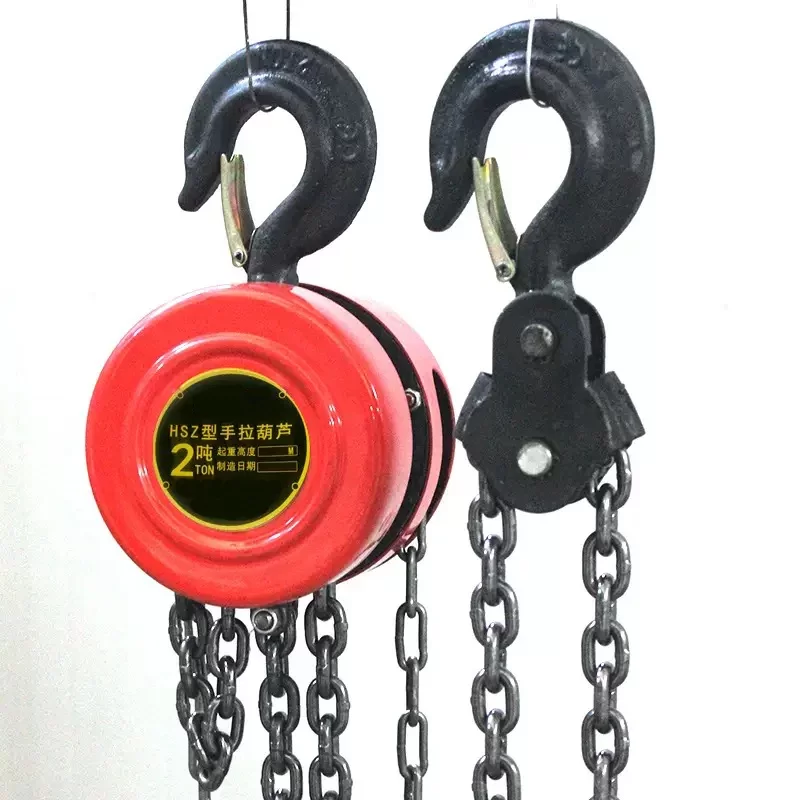
The physical interface between the tool and the load is equally critical. High-strength forged safety hooks equipped with secure latches are used to prevent load slipping. To guarantee that every unit meets these rigorous safety standards, a full-load test is conducted before delivery. This comprehensive approach ensures that the equipment can handle the intended capacity without compromising the safety of the operator or the surrounding environment.
| Feature Dimension | Aluminum Alloy Housing | Cast-Iron Housing | Pure Copper Motor | Standard Motor |
|---|---|---|---|---|
| Weight Profile | Lightweight/Portable | Heavy/Fixed | High Efficiency | Medium Efficiency |
| Heat Dissipation | High (Fin Structure) | Low | Excellent | Moderate |
| Corrosion Resistance | Superior | Limited | High Stability | Standard |
| Installation Speed | Rapid | Slow | Consistent Torque | Variable Torque |
| Operating Life | Extended | Standard | Maximum Duty | Standard Duty |
Different regions and industries have varying requirements for lifting height, wire-rope length, and control interfaces. A flexible customization approach allows for the integration of pendant or wireless remote controls, depending on the operator's distance from the load. This versatility is key for complex gantry crane setups or wall-bracket installations where accessibility is limited.
To support global export and integration, the equipment is available with various plug standards, including EU, US, AU, and UK specifications. Whether the mounting requirement is a simple bolt-on for a fixed base or a more complex integration into an existing assembly line, the modular design ensures a seamless fit. This capability allows procurement officers to order equipment that is ready for immediate deployment without the need for secondary electrical modifications.
When evaluating suppliers for wholesale load binder chain systems, buyers must look beyond the initial price point and analyze the total cost of ownership. This includes assessing the frequency of maintenance required for different motor types and the durability of the housing in specific environmental conditions. A supplier with a proven track record in ISO9001 standards and certifications like CE and TUV provides a necessary layer of assurance regarding quality consistency.
The move toward more automated and lightweight equipment suggests a trend where safety and ergonomics are becoming as important as raw lifting capacity. Investing in equipment that features electromagnetic braking and high-grade alloy housings not only reduces workplace accidents but also increases the throughput of cargo operations by reducing the time spent on setup and adjustment.
Aluminum alloy housing is significantly lighter, which simplifies transport and installation. Additionally, it offers better rust-resistance for outdoor use and allows for fin structures that improve heat dissipation during frequent operation.
Pure copper provides higher electrical conductivity and better thermal stability. This results in higher torque, lower noise, and lower energy consumption, making it ideal for continuous heavy-duty lifting tasks.
The electromagnetic brake locks the load instantly if power is lost. This prevents the load from falling or slipping, providing a critical safety fail-safe in industrial environments.
Yes, customization is available for various regional plugs, including US, EU, AU, and UK standards, as well as custom lifting heights and control methods (wireless or pendant).
Every unit undergoes a comprehensive full-load test to ensure the structural integrity of the hooks, the reliability of the limit switches, and the performance of the braking system.
The units support simple bolt-on mounting, making them compatible with gantry cranes, wall brackets, or fixed industrial bases.
Selecting the right tensioning and lifting equipment is a balance of material science and safety engineering. By prioritizing high-torque copper motors and lightweight, corrosion-resistant housings, companies can ensure both the safety of their workforce and the security of their cargo. For professional-grade solutions tailored to specific industrial requirements, consulting with a certified manufacturer is the most reliable path to operational excellence.