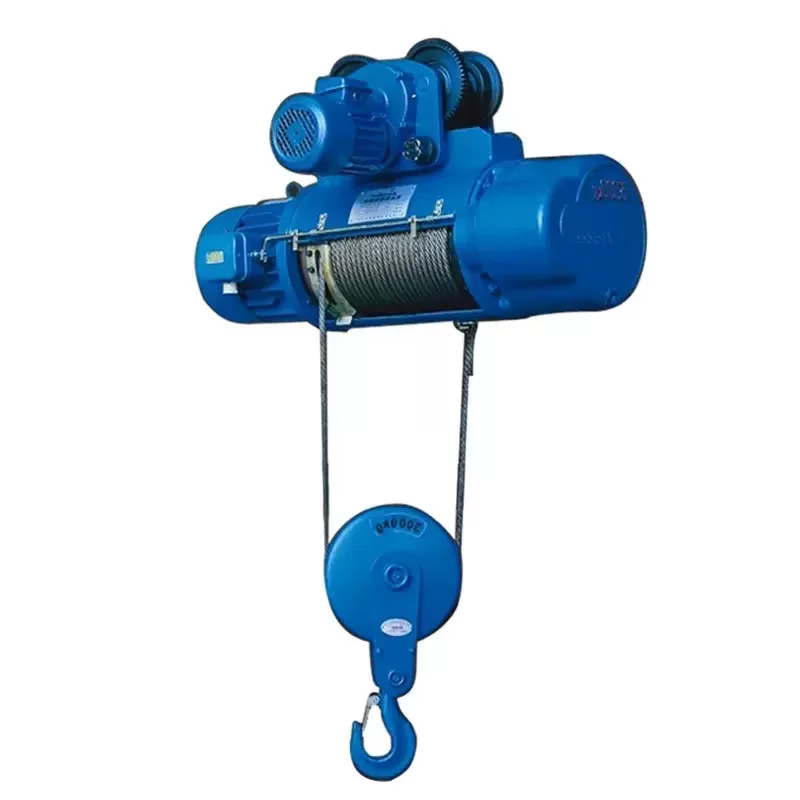
The integration of efficient lifting solutions has become a cornerstone of modern industrial productivity, particularly with the widespread adoption of the 220v electric hoist. These devices bridge the gap between manual labor and heavy industrial machinery, allowing small to medium enterprises to handle heavy loads with precision and minimal physical effort. By utilizing standard single-phase power, they provide a versatile solution for workshops, garages, and warehouses globally.
From a global perspective, the demand for accessible lifting equipment is driven by the need for increased workplace safety and operational efficiency. The move toward electrification in material handling reduces the risk of musculoskeletal injuries and accelerates the pace of production. As infrastructure projects expand in developing regions, the availability of reliable, easy-to-install lifting tools becomes critical for rapid deployment and maintenance.
Understanding the technical nuances and application scenarios of a 220v electric hoist ensures that businesses can optimize their workflow while maintaining strict safety standards. Whether used in a small automotive shop or a larger construction site, these hoists provide the necessary leverage to move materials safely and effectively.

Global Relevance of 220v Electric Hoists
In the current global industrial landscape, the reliance on standardized power sources has made the 220v electric hoist an essential tool for versatility. Unlike heavy-duty three-phase machinery, these hoists can be plugged into standard electrical outlets found in most commercial and residential settings, making them indispensable for light manufacturing and maintenance tasks across Europe, America, and Southeast Asia.
Hebei Juying Lifting Machinery Co., Ltd. has recognized this global need by implementing strict CE and GS certifications to ensure that every unit meets international safety and performance benchmarks. By focusing on reliability and ease of use, these lifting solutions support critical sectors including road construction, petrochemical shipping, and port operations where adaptability is key.
Defining the 220v Electric Hoist System
A 220v electric hoist is a motorized lifting device designed to raise and lower heavy loads using a wire rope or chain, powered by a single-phase 220V electrical supply. It serves as a mechanical advantage system, converting electrical energy into linear motion through a motor and gear assembly, which significantly reduces the human effort required to move materials vertically.
In modern industry, these systems are more than just tools; they are safety interventions. By automating the lifting process, they eliminate the need for dangerous manual hoisting methods, thereby aligning with ISO safety standards and occupational health regulations that aim to minimize workplace accidents.
The connection to humanitarian and small-scale industrial needs is evident in their portability. Because they do not require complex electrical infrastructure, they are often deployed in remote industrial zones or temporary construction sites where rapid setup is required to maintain project timelines.
Core Components and Engineering Factors
The durability of a 220v electric hoist depends heavily on its internal gearing and motor quality. High-grade steel gears and precision-wound copper motors ensure that the device can handle repeated load cycles without overheating or experiencing mechanical fatigue, which is essential for long-term operational stability.
Scalability is another vital factor; users can choose between different lifting capacities and lift heights depending on their specific needs. A well-engineered 220v electric hoist incorporates fail-safe braking systems that automatically lock the load in place if power is lost, ensuring maximum safety during operation.
Cost efficiency is realized through the reduction of installation costs. Since the 220v electric hoist utilizes standard voltage, there is no need for expensive industrial power converters or specialized electrical panels, making it an attractive investment for growing businesses.
Practical Applications and Use Cases
The versatility of these hoists allows them to be integrated into a wide variety of real-world contexts. In automotive repair shops, they are used to lift engines and transmissions, while in warehouse settings, they facilitate the movement of heavy crates and machinery parts. Their ability to be mounted on mobile trolleys further enhances their utility in dynamic environments.
In more specialized regions, such as petrochemical plants or port facilities, these units are often used for the maintenance of smaller valves and equipment. In post-disaster relief operations, portable lifting equipment is critical for clearing debris or lifting heavy supplies in areas where permanent infrastructure has been destroyed.
Efficiency Comparison of 220v Electric Hoist Models
Long-Term Value and Safety Advantages
The tangible benefits of investing in a high-quality hoist include significant reductions in labor costs and an increase in overall throughput. By automating the most strenuous part of the lifting process, companies can reallocate their human resources to more skilled tasks, improving the overall productivity of the facility.
Beyond the numbers, there is a profound emotional and logical value in ensuring worker safety. Providing a secure, certified lifting environment fosters trust among employees and demonstrates a commitment to professional excellence. Innovation in braking and overload protection ensures that these devices provide a reliable safety net, reducing anxiety and increasing confidence on the shop floor.
Future Trends in Lifting Technology
The future of lifting equipment is moving toward smarter, greener operations. We are seeing the integration of variable frequency drives (VFDs) in electric hoists, which allow for smoother starts and stops, reducing the mechanical shock on the system and lowering energy consumption.
Digital transformation is also playing a role, with the introduction of IoT sensors that can monitor the health of the wire rope or chain in real-time. These "smart hoists" can alert operators to maintenance needs before a failure occurs, moving from reactive to predictive maintenance.
Sustainability is becoming a priority, with manufacturers exploring more eco-friendly materials for housing and more energy-efficient motors. This shift ensures that the 220v electric hoist remains compatible with global green energy goals and stricter environmental regulations.
Overcoming Common Operational Challenges
One of the most common challenges users face is the risk of motor overheating during continuous high-load operations. To solve this, modern hoists incorporate thermal overload protection that automatically shuts down the motor when it reaches a critical temperature, preventing permanent damage.
Another limitation is the potential for wire rope wear and tear. Expert insights suggest implementing a strict monthly inspection schedule and utilizing high-quality lubricants to extend the lifespan of the lifting medium. Training operators on the correct angle of lift is also crucial to prevent side-loading, which can cause premature wear on the drum.
Finally, power fluctuations in some regions can affect motor performance. The use of voltage stabilizers or high-quality surge protectors can safeguard the electronic components of the hoist, ensuring smooth and stable operation even in areas with unstable electrical grids.
Operational Analysis of 220v Electric Hoist Performance
| Performance Metric | Standard Impact | Enhanced Solution | Reliability Score (1-10) |
|---|
| Motor Temperature | Overheating under load | Thermal Protection Switch | 9 |
| Load Stability | Minor swaying | Precision Guide Rails | 8 |
| Brake Response | Mechanical lag | Electromagnetic Braking | 10 |
| Power Consumption | Fixed high draw | Energy-Efficient Motor | 7 |
| Cable Durability | Standard wear | Reinforced Steel Core | 9 |
| Installation Time | Complex wiring | Plug-and-Play Design | 10 |
FAQS
Yes, because they operate on standard single-phase 220V power, these hoists are ideal for residential garages. However, it is crucial to ensure that your electrical circuit can handle the motor's amperage and that the hoist is mounted to a structurally sound beam to prevent ceiling collapse.
For safety, a visual inspection should be performed daily before use. A comprehensive technical inspection—checking the wire rope for frays, testing the brake response, and lubricating gears—should be done monthly or every 50 operating hours, depending on the frequency of use.
Quality hoists are equipped with an automatic electromagnetic or mechanical brake. The moment power is interrupted, the brake engages instantly, locking the load in its current position to prevent it from falling. This is a critical safety feature for all professional-grade equipment.
It is not recommended to modify the motor internally. Instead, you should use a high-capacity voltage transformer. However, modifying the power source can affect the motor's torque and lifespan, so it is always best to purchase a unit that matches your local power specifications.
Wire rope hoists generally offer faster lifting speeds and are better for higher lift heights, whereas chain hoists are often more compact and offer better precision for smaller, heavy loads. Both are available in 220V configurations depending on the application needs.
Avoid "jogging" the hoist (repeatedly pressing the button in short bursts) and ensure you are not exceeding the rated capacity. Allowing the motor to cool down between heavy lift cycles and ensuring the unit is in a well-ventilated area will significantly extend its life.
Conclusion
The adoption of a 220v electric hoist represents a strategic move toward safer, more efficient, and more accessible material handling. By combining the power of electrification with standardized voltage, these tools empower businesses of all sizes to handle challenging loads without compromising on safety or breaking their budget. From the durability of the components to the integration of smart safety features, the long-term value is found in the seamless blend of performance and reliability.
Looking forward, the lifting industry will continue to evolve through digital integration and sustainable engineering. For companies seeking to optimize their workflow, investing in certified, high-performance equipment is not just an operational choice, but a commitment to workforce wellbeing. We invite you to explore our full range of professional lifting solutions to find the perfect fit for your operational needs. Visit our website: www.juyinghoist.com