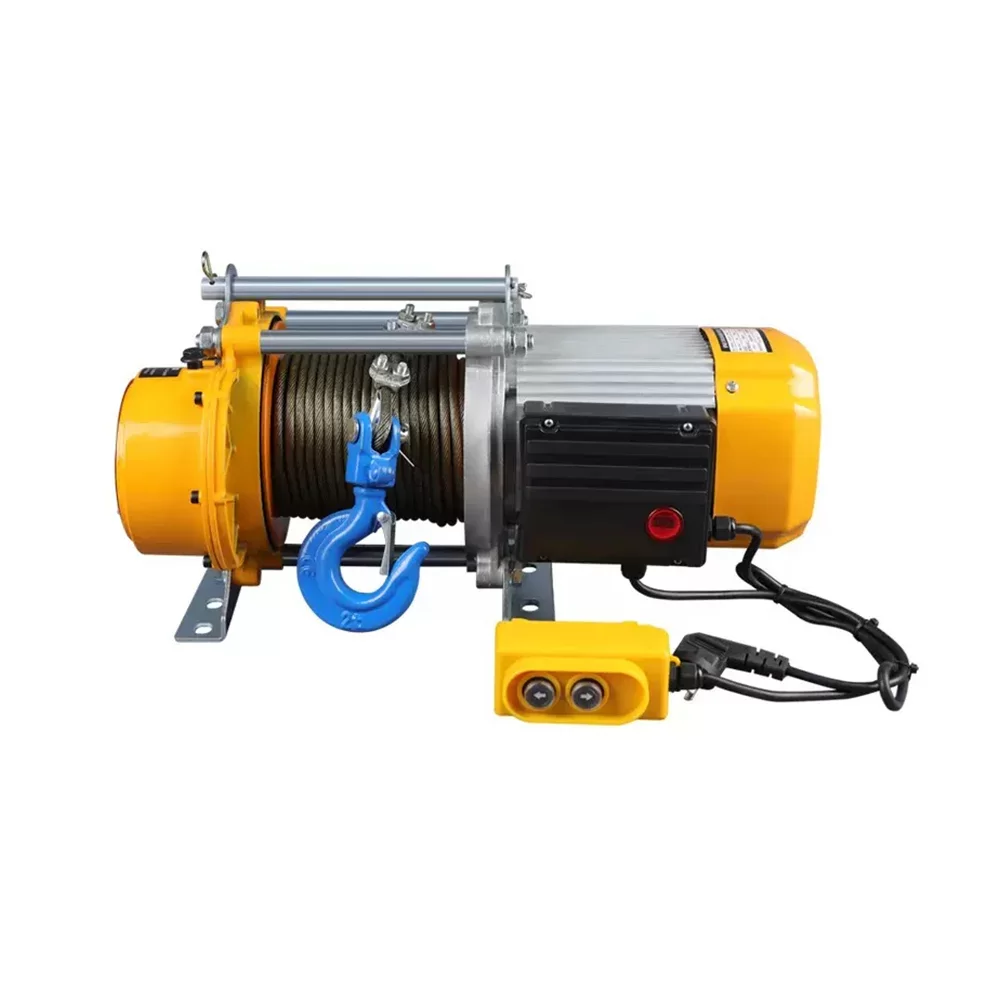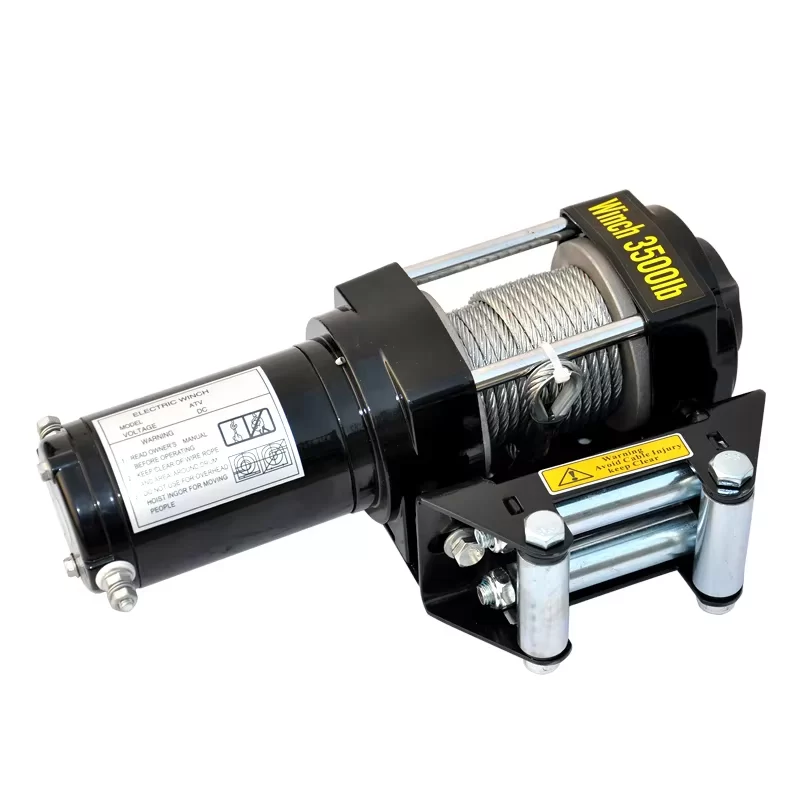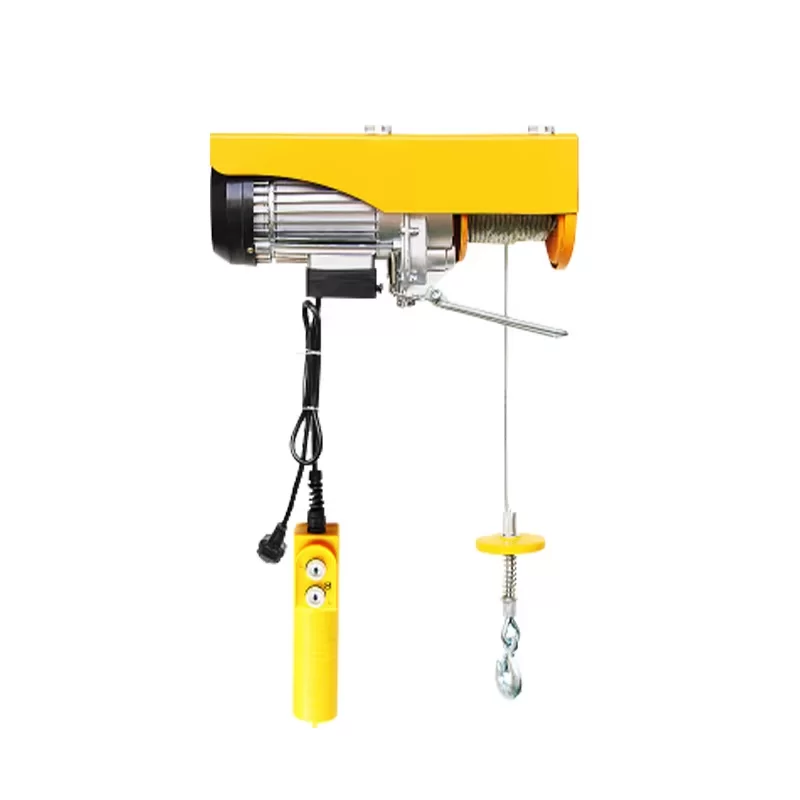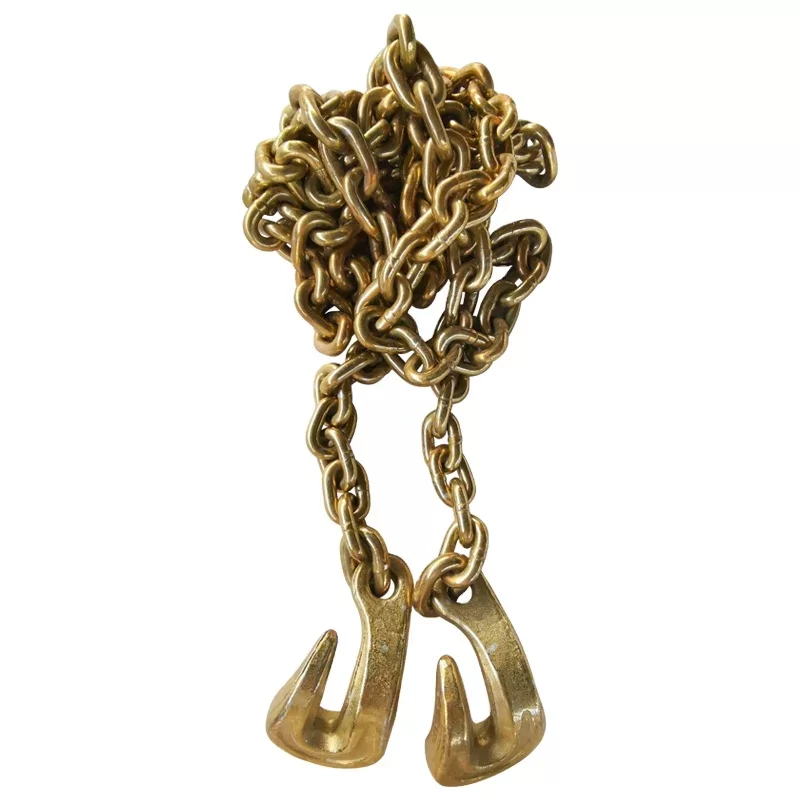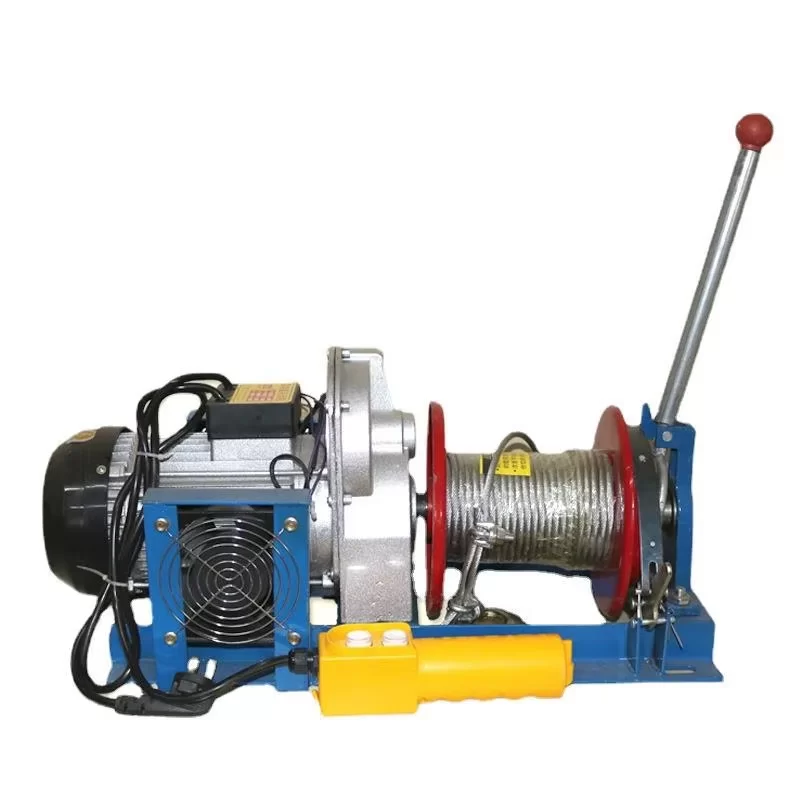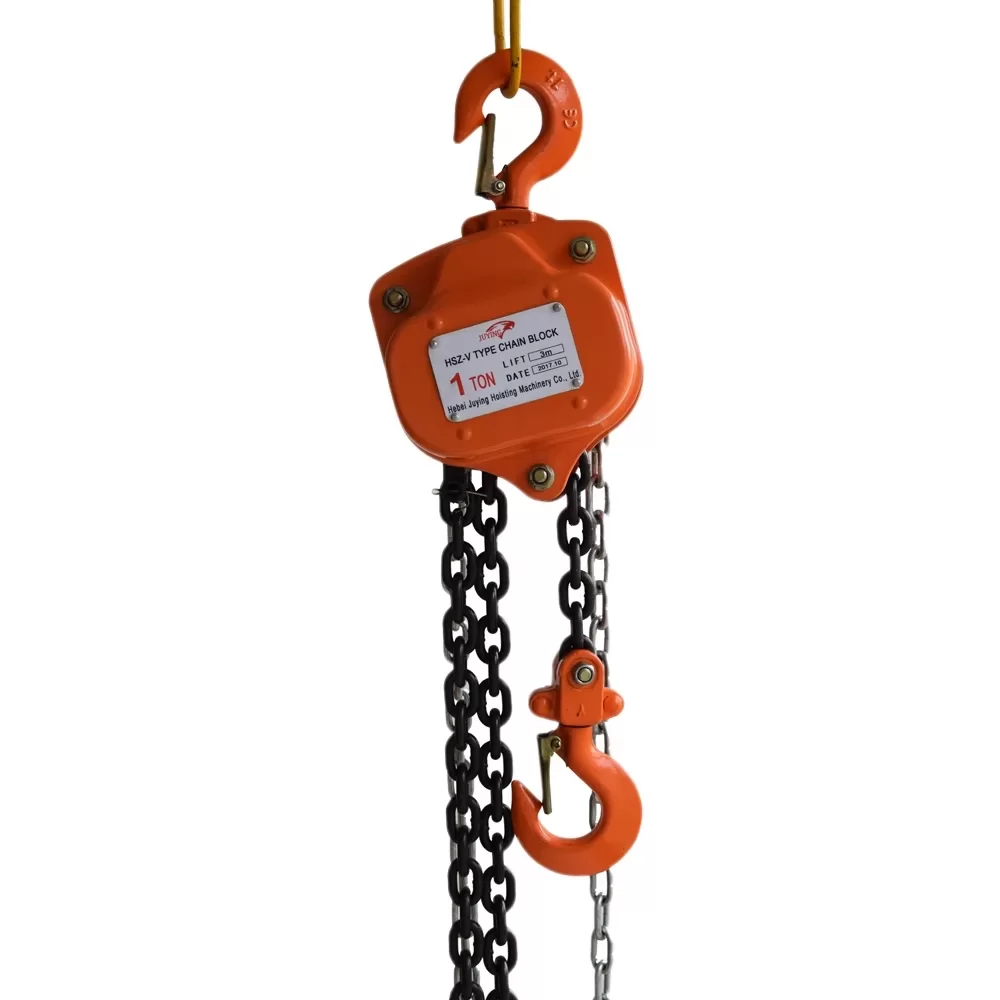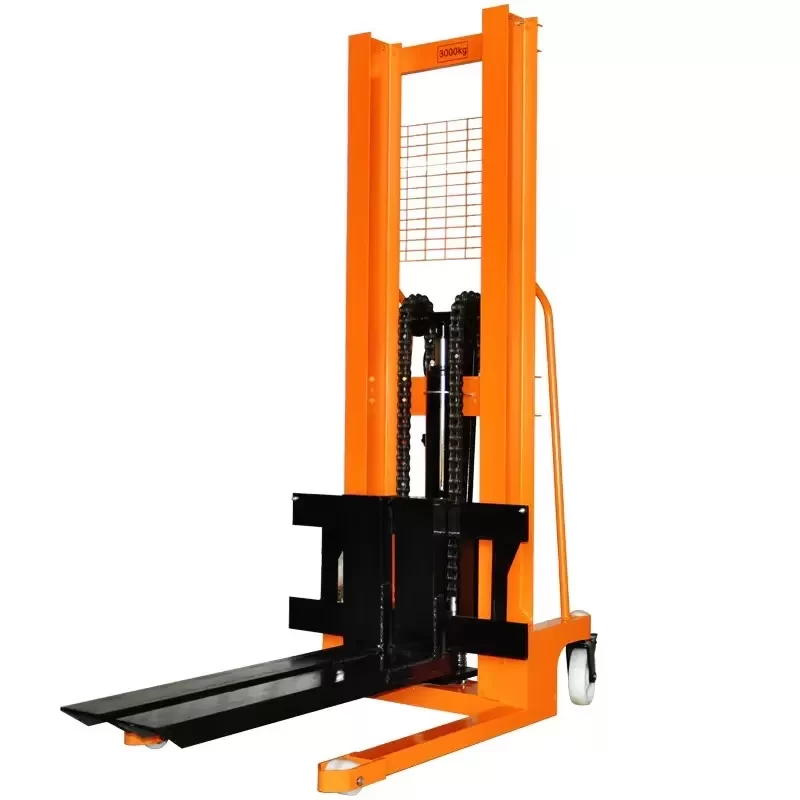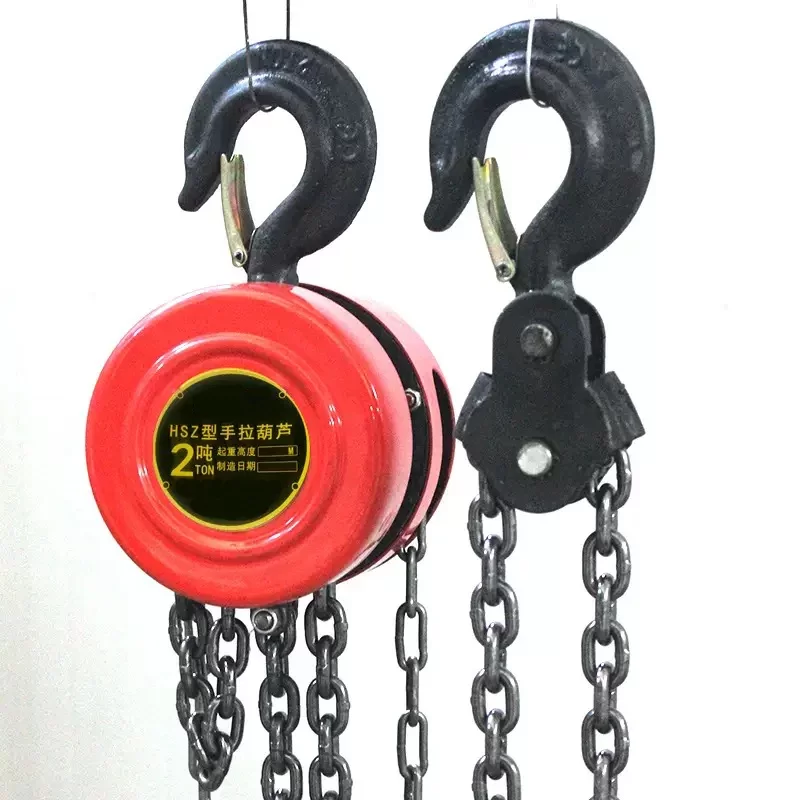
Procurement managers and industrial operators constantly face the same debilitating operational bottlenecks: inconsistent lifting machinery, unpredictable supply chains, and safety compliance failures. When heavy loads are suspended, equipment failure is not just an inconvenience—it translates into severe downtime, revenue loss, and critical workplace hazards. Sourcing lifting components from unverified suppliers often amplifies these risks, leaving businesses struggling with high defect rates and delayed international shipments.
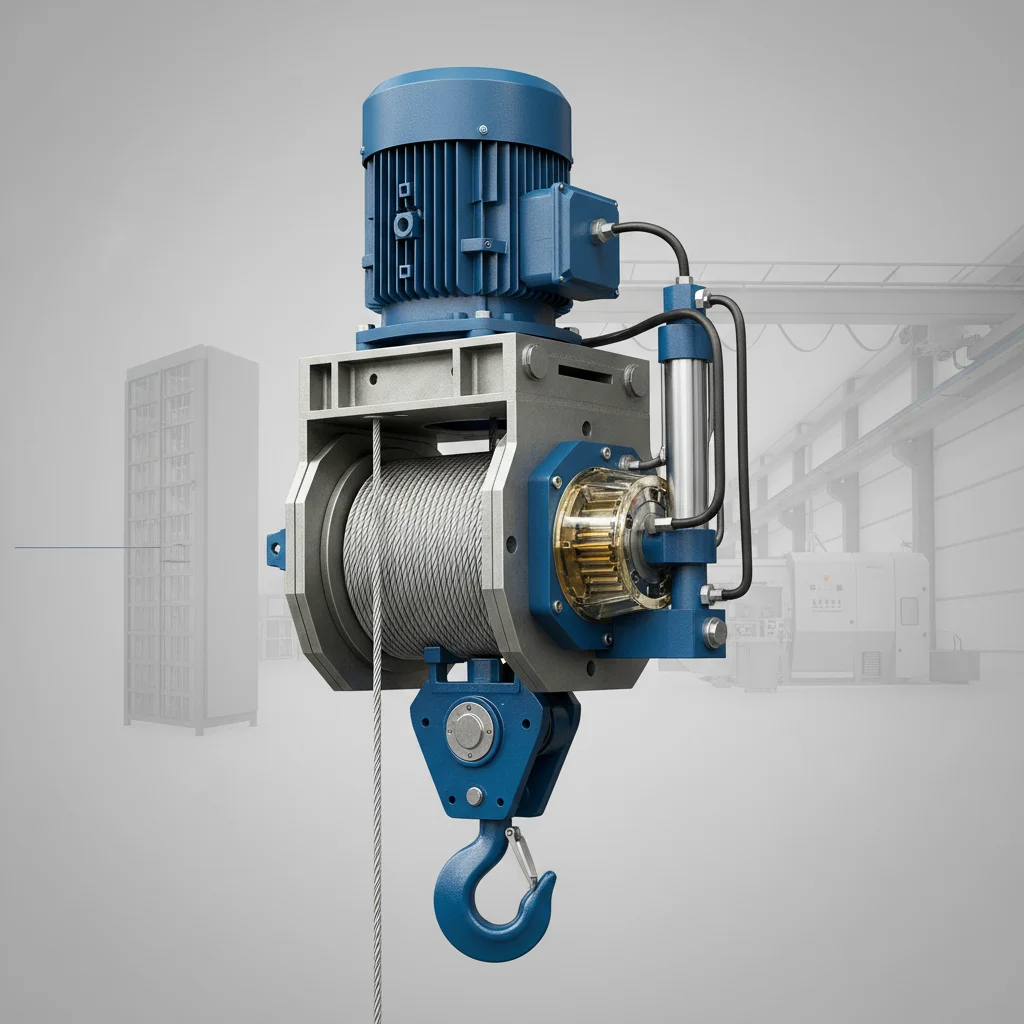
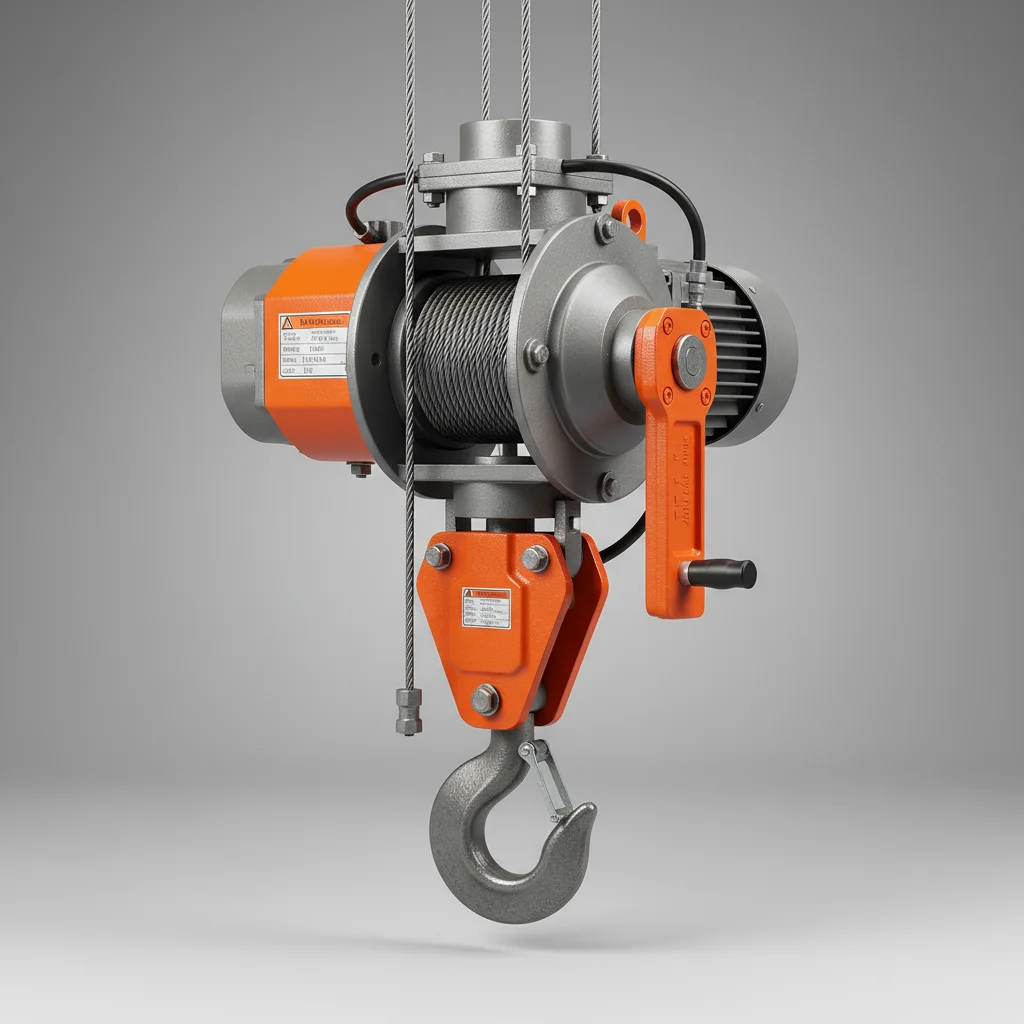
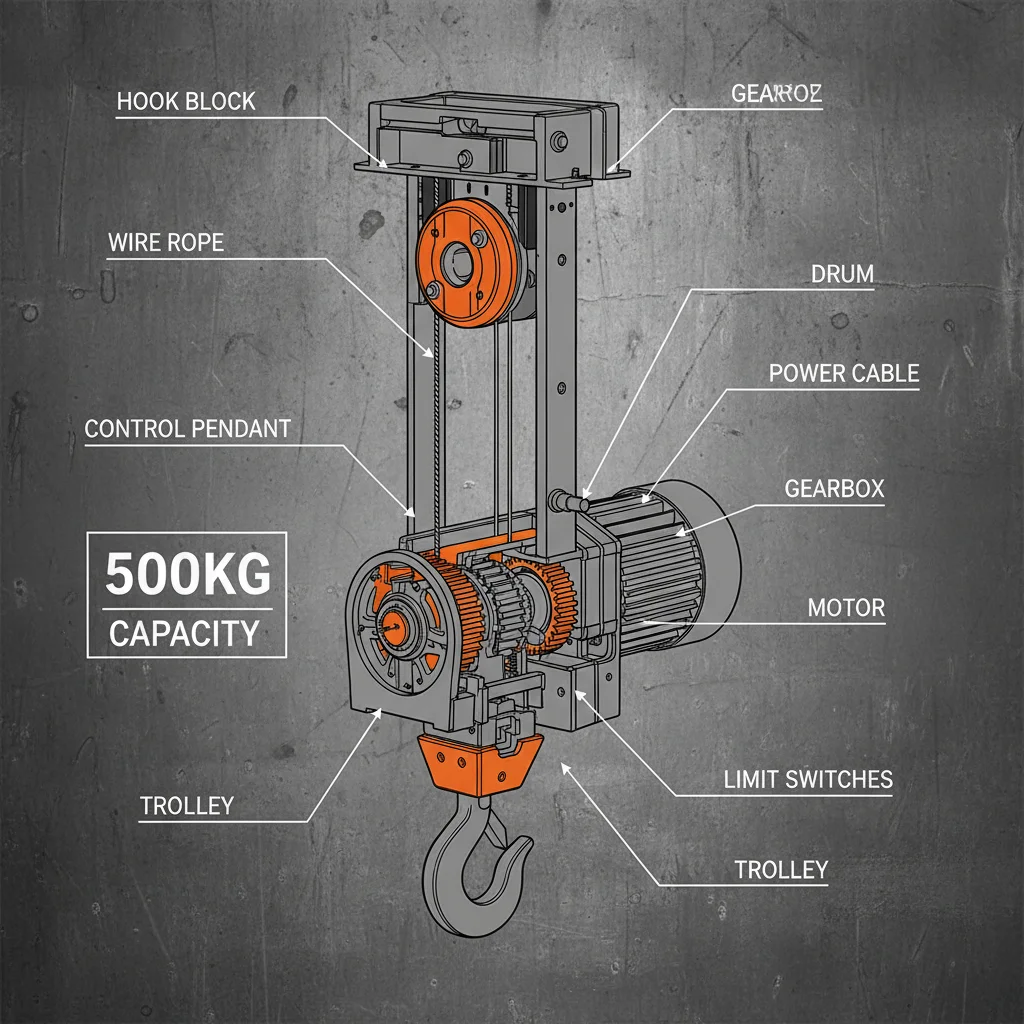
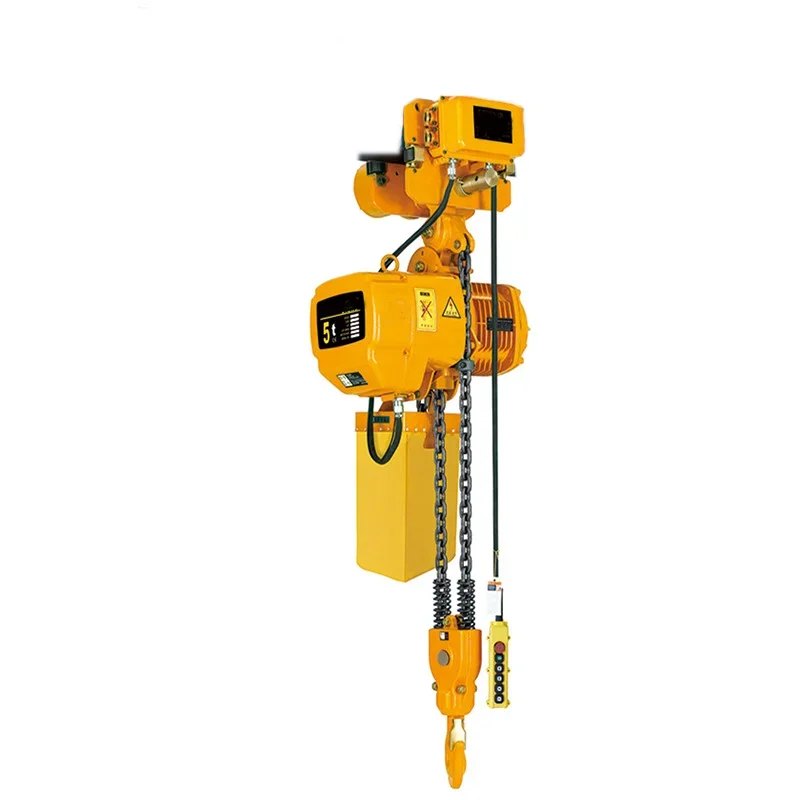
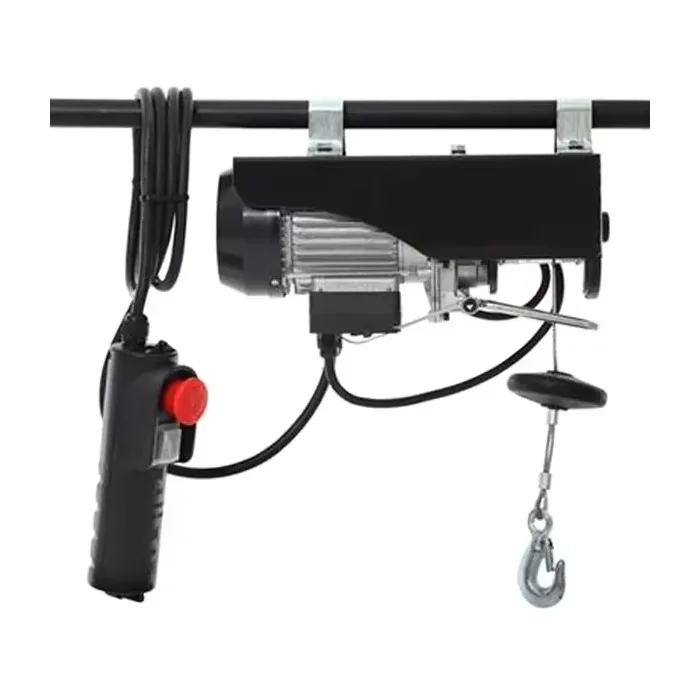
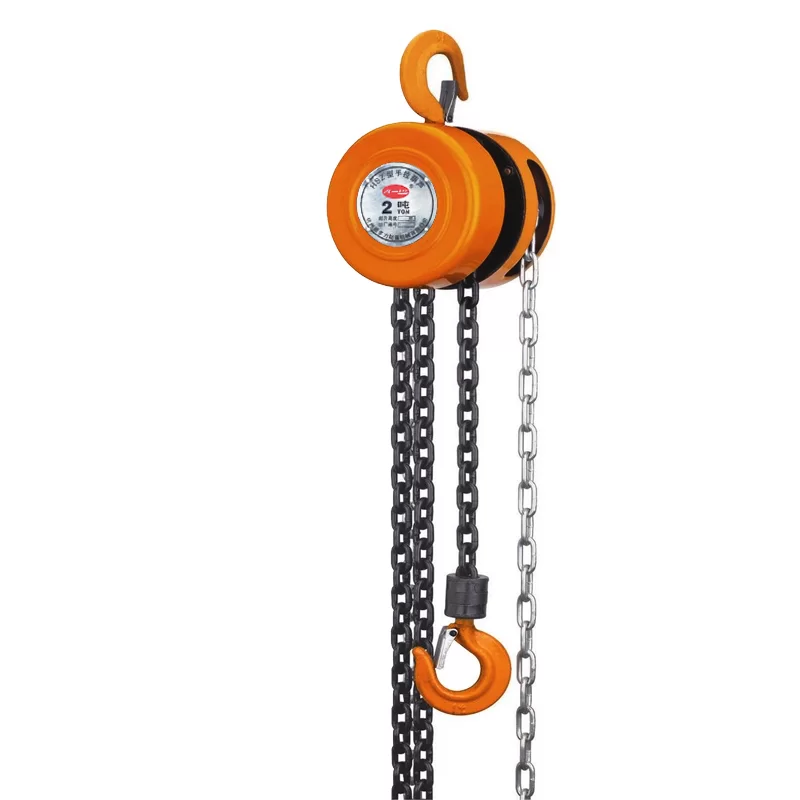
Mitigating these industrial risks requires partnering with an audited, globally integrated manufacturing facility. Since 2005, continuous research and production optimization have been directed toward solving these specific pain points. Operating out of a formidable 13,000 square meter plant in Hebei, China, operations are designed around a complete and scientific quality management system. This infrastructure allows for the flawless production of lifting core components—such as electric hoists, chain blocks, and wire rope mechanisms—that form the backbone of any heavy-duty lifting application.
By relying on a trusted manufacturer equipped with a dedicated foreign trading team and a network of 10 robust supply chain partners, overseas buyers bypass common logistical nightmares. Shipments securely dispatched from the Tianjin port ensure that your operations across North America, the Middle East, Western Europe, and beyond receive critical equipment exactly when needed, eliminating costly production pauses.
Technical precision and strict regulatory adherence separate premium lifting equipment from substandard alternatives. When integrating heavy machinery into a warehouse or construction ecosystem, the underlying engineering data acts as the ultimate predictor of safety and longevity. Below is an exact breakdown of the manufacturing and compliance benchmarks that define our operational superiority.
| Performance Metric | Industry Significance | Our Engineering Standard | Advantage |
|---|---|---|---|
| Trade & Production Verification | Ensures the supplier has the actual capacity to fulfill bulk industrial orders without subcontracting risks. | TÜV Rheinland Verified trade capacity alongside a 10+ year audited factory history. | Guarantees complete transparency, reducing procurement friction and ensuring scalable volume delivery. |
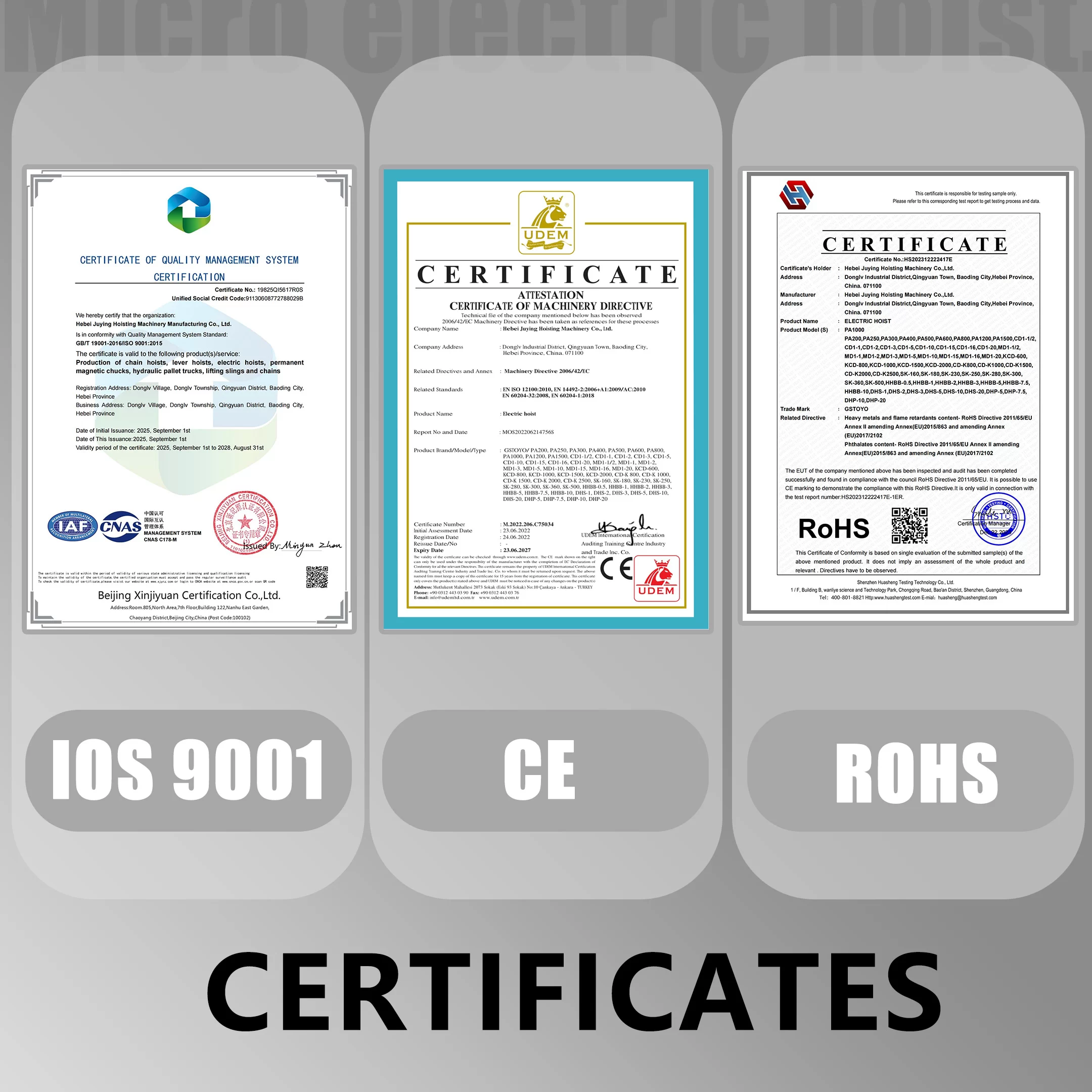
| International Compliance | Protects against legal liabilities and ensures equipment is safe for continuous heavy-duty use. | Products are thoroughly CE and RoHS Certified. | Facilitates smooth customs clearance globally and guarantees adherence to strict environmental and safety laws. |
| Manufacturing Scale | Determines the speed of order fulfillment and the ability to maintain uniform quality across large batches. | 13,000 sqm facility supported by 91-200 skilled personnel. | Enables rapid turnaround for multi-functional electric hoists and winches, ensuring stock availability. |
| Supply Chain Integration | Directly affects component pricing, availability, and the resilience against global material shortages. | Exclusive collaboration with 10 specialized supply chain partners. | Stabilizes pricing models for buyers and ensures uninterrupted manufacturing even during market fluctuations. |
Strategic capital expenditure in industrial equipment is never just about the initial purchase price; it is fundamentally about total cost of ownership (TCO) and long-term asset yield. Substandard lifting systems incur hidden costs through frequent maintenance, premature replacement, and operational paralysis. Conversely, sourcing from a manufacturer with over a decade of verified production excellence fundamentally alters the financial trajectory of your facility.
Market authority is best reflected in client trust and retention. With an exceptionally high repeat buyer choice ranging from 50% to 80%, the financial viability of our lifting machinery is mathematically proven by our global client base. Businesses across South America, Oceania, and Southeast Asia continually return because the durability of the equipment directly decreases their annual maintenance budgets while amplifying facility throughput. A scientifically managed quality system means fewer breakdowns, extended product lifecycles, and a substantially higher return on investment over a 5 to 10-year operational span.
Related products
Top Selling Products