Metal Material Selection Guide for 3 Ton Electric Chain Hoist
Oct 20, 2026
Metal Material Selection Guide for 3 Ton Electric Chain Hoist
Metal Material Selection Guide for 3 Ton Electric Chain Hoist
Retail facility managers and commercial procurement officers frequently evaluate heavy-duty machinery based on structural composition and operational load ratings. The New 3 Ton HHBB Electric Chain Hoist 220V Metal provides a standardized lifting solution tailored for back-room retail warehousing environments.
Procurement documentation and material specifications dictate how this equipment performs under continuous vertical movement. CE and GS certifications are available for this product.
Understanding metal material selection enables buyers to align operational duty cycles with mechanical wear expectations in high-throughput distribution hubs. Subsequent sections examine the structural foundations, compliance verification steps, and maintenance protocols required for industrial retail integration.
Matching 3 Ton Capacity Metal Hoists to Retail Back-Room Demands
Industrial retail distribution centers rely on heavy-duty machinery to manage dense inventory flows across crowded staging zones. Operating overhead infrastructure requires matching structural load limits with actual pallet weights and bulk merchandise handling frequencies.Equipment deployed for heavy goods handling in retail supply chain environments.
Operational Scope and Load Limits
Deploying a 3-ton lifting mechanism inside commercial back-rooms establishes a rigid threshold for daily merchandise processing. Distribution managers configure overhead systems to handle repetitive vertical lifts without exceeding rated mechanical tolerances. Continuous cycle times dictate how quickly staging teams can clear incoming pallets and position stock for retail replenishment.
Back-Room Logistics and Mechanical Handling
Commercial back-rooms demand robust mechanical handling to prevent bottlenecks during peak shipping windows. Heavy goods movement subjects lifting assemblies to constant stress, requiring durable load-bearing components rather than lightweight commercial alternatives. Facility throughput depends directly on the structural reliability of overhead equipment during high-volume sorting operations.
Positioning within Retail Supply Chains
The HHBB electric chain hoist integrates directly into retail supply chain facilities where rapid vertical transit is essential. Supply chain engineers select this equipment class to bridge the gap between heavy industrial yard cranes and manual pallet jacks. Integrating overhead hoisting equipment standardizes the lifting workflow across multiple distribution hubs, ensuring consistent material handling performance.
Detail showing structural assemblies and housing components for industrial retail environments.
Procurement Assessment Framework
Purchasing teams evaluate overhead lifting units by examining how well mechanical ratings match specific retail back-room duty cycles. Material specifications and load capacities guide the technical selection process before procurement contracts are finalized. Documentation regarding equipment performance parameters remains to be confirmed with the supplier based on exact installation requirements.
Evaluating Metal Housing and Structural Durability in Retail Operations
Armor Against Impact
Metal framework provides the primary defense against physical impacts and heavy loading stresses in busy commercial storage rooms. Structural rigidity prevents housing deformation when operators engage in repetitive vertical lifting of dense inventory.
Protective enclosures shield gears, motors, and electrical components from accidental collisions with pallet corners and loading trucks.
Defending Internal Mechanics
Enclosed assemblies isolate internal drive trains from airborne debris and moisture typical of active distribution spaces. This separation ensures consistent vertical movement without mechanical binding or premature gear degradation.
To evaluate expected assembly longevity under constant use, procurement teams can request specific mechanical testing documentation from the supplier.
Operational Duty Cycles and Mechanical Wear in High-Cycle Warehousing
High-volume commercial distribution facilities operate under intense inventory turnover rates that directly accelerate mechanical fatigue across overhead handling equipment. Procurement frameworks for heavy-duty machinery typically evaluate expected duty cycles against the physical thresholds of internal gear assemblies and power transmission components.
Repetitive vertical lifting in crowded staging zones subjects internal gear trains and load chains to continuous thermal and frictional stress. Without adequate lubrication schedules determined by the operational load factor, internal metal surfaces experience accelerated scoring and pitting over time. Facilities handling dense merchandise batches at peak operational hours require frequent mechanical inspections to prevent unexpected downtime during critical shipping windows.
Mechanical and Structural Parameters for High-Cycle Applications
material
capacity
application
industry
certification
Metal
3 Ton
Lifting Goods
Retail Industries
CE and GS
Material Selection and Internal Gear Lifespan
The selection of metal materials for internal gear trains dictates how effectively the lifting assembly dissipates frictional heat generated during continuous multi-shift operations. Gear tooth durability depends directly on the metallurgical composition chosen by the manufacturer, which varies according to the specific load capacity and intended duty classification. Equipment deployed in high-throughput retail back rooms benefits from robust housing materials that prevent misalignment of internal shafts under maximum weight constraints.
Commercial Procurement Criteria for Heavy-Duty Machinery
Operational variables such as daily lift counts, average load weights, and ambient warehouse humidity determine the actual service lifespan of internal mechanical components. Buyers evaluate these operational parameters against regional safety requirements and available compliance documentation to ensure long-term reliability in demanding commercial environments.
Verifying CE and GS Certifications for Commercial Procurement
Regulatory compliance requires formal verification before heavy machinery enters commercial circulation. Sourcing teams handling distribution center logistics must inspect official paperwork rather than relying on promotional descriptions. Establishing baseline compliance frameworks for import markets depends on verifying that documentation matches the 3 ton metal electric chain hoist specification.
Compliance Audit Workflow for Retail Importers
Import managers execute systematic document audits prior to issuing purchase orders. Each document package is evaluated against regional destination requirements and customs clearance mandates. Commercial buyers review validation dates, issuing bodies, and scope definitions to ensure legal import eligibility across target jurisdictions.
Procurement teams cross-reference serial numbers and technical files provided in the shipment documentation against physical nameplates attached to the equipment housing. Discrepancies between accompanying certificates and actual machine specifications halt the acceptance process immediately until resolved by the trading partners.
Accessing Testing Reports and Documentation
Official test summaries validate the structural and electrical performance boundaries of the lifting machinery. Importers obtain these files directly through formal procurement channels associated with the initial quotation and order confirmation stages. The specific depth of technical data depends on order volume and the designated import port requirements.
Reviewing test parameters ensures the equipment withstands repetitive vertical loads under standard industrial operating conditions. Independent laboratory summaries verify that electrical insulation and load-bearing assemblies meet baseline safety thresholds before final deployment in warehouse facilities.
Managing Supplier-Dependent Maintenance Protocols for Metal Components
Scheduled Upkeep Realities for Industrial Metal Structures
Mechanical wear accumulates continuously during heavy merchandise handling in busy retail distribution hubs. Operational intensity directly accelerates surface friction across movable joints and drive mechanisms, demanding structured service intervals rather than passive oversight.
Facility maintenance managers must establish preventive inspection routines to monitor gear train degradation before operational disruptions occur. Depending on daily throughput volumes and facility shift schedules, inspection frequency varies significantly across different distribution centers.
Supplier-Defined Guidelines and Service Protocols
Maintenance procedures for heavy-duty lifting equipment are strictly bound to technical documentation provided by the manufacturer. Generic maintenance-free assertions fail to account for the actual load cycles and environmental conditions encountered in commercial warehousing.
Procurement teams obtain required service schedules, lubrication intervals, and wear tolerance thresholds directly through official manufacturer communication channels. These authorized guides dictate the precise intervals for replacing internal components based on operational intensity rather than arbitrary calendar timelines.
Establishing Direct Communication Channels for Technical Support
B2B importers and brand purchasers rely on direct technical engagement with equipment manufacturers to secure accurate service manuals. Direct communication ensures that maintenance teams receive up-to-date engineering bulletins and replacement part specifications tailored to specific operational requirements.
Direct technical inquiries secure authorized service manuals and operational guides.
Manufacturer communication channels provide clarity on replacement part specifications.
Scheduled upkeep frameworks are established through direct manufacturer coordination.
Procurement Checklist for Specifying Metal Electric Chain Hoists
Evaluating commercial overhead equipment requires a systematic approach based on structural dimensions and load ratings.
Purchasing agents balance upfront unit pricing against long-term mechanical reliability when comparing commercial-grade hardware options. Selection parameters depend heavily on intended distribution center throughput and daily operational duty cycles.
Core Parameters for Technical Evaluation
Structural metal housing integrity versus lightweight alternatives
Verification files for both available compliance marks
These core criteria ensure that installed machinery maintains structural integrity under rigorous daily usage conditions.
Documentation and Compliance Verification
Technical file requests must be processed directly through official channels prior to final purchase order generation. Importing distributors audit testing reports alongside baseline compliance documents to verify operational readiness.
Purchasing teams compile structural specifications and verify that technical paperwork aligns with local import regulations before finalizing procurement contracts.
Frequently Asked Questions
How does the 3 ton capacity align with commercial goods lifting requirements?
The rated capacity provides a standardized operational threshold for moving dense retail merchandise. Operations managers must verify that maximum pallet weights and bulk stock handling frequencies remain within this specified load limit during peak shipping cycles.
What role does metal material selection play in high-cycle warehousing environments?
Metal construction delivers the structural rigidity necessary to withstand daily mechanical stress from continuous vertical movement. This material choice protects internal gear trains and load-bearing assemblies against the impacts typical of fast-paced commercial sorting areas.
Are CE and GS certifications available when purchasing this machinery?
Both CE and GS certifications are accessible for evaluation. Procurement teams can request the corresponding documentation directly to support compliance reviews during supplier vetting.
Who determines the maintenance schedules and upkeep protocols for internal mechanical components?
Upkeep routines and service intervals depend entirely on terms established by the equipment provider. Buyers should request formal documentation to outline lubrication, inspection frequencies, and replacement guidelines for metal gears and housings.
How do operational duty cycles influence mechanical wear on the internal gear train?
Repetitive lifting in high-throughput facilities accelerates friction across internal moving parts. The rate of wear varies according to daily usage duration, load distribution patterns, and adherence to recommended service intervals.
Conclusion
Procuring commercial overhead material handling equipment requires a structured approach centered on operational requirements and verified paperwork. Importers and wholesale buyers must review official compliance files alongside designated maintenance terms before finalizing purchase orders for heavy-duty lifting machinery.
Purchasing agents coordinate directly with suppliers to inspect compliance paperwork, ensuring that every procured unit aligns with regional import regulations and internal safety standards. Operational continuity depends heavily on scheduling routine inspections and adhering to manufacturer-recommended service timelines for all structural load-bearing assemblies.
By establishing rigorous evaluation criteria based on verified documentation and application requirements, commercial procurement teams minimize operational downtime and protect infrastructure investments.
Kevin Wilson
Kevin Wilson is the Quality Control Supervisor at GSTOYO’s US inspection facility. He oversees the rigorous testing and inspection of all products arriving from Hebei, ensuring compliance with US safety standards and GSTOYO’s commitment to quality. Kevin’s meticulous attention to detail and expertise in lifting equipment inspection are invaluable to maintaining GSTOYO’s reputation for reliable and safe products. He's a certified welding inspector and leads a team of skilled technicians. He actively participates in internal audits to continuously improve quality control processes.



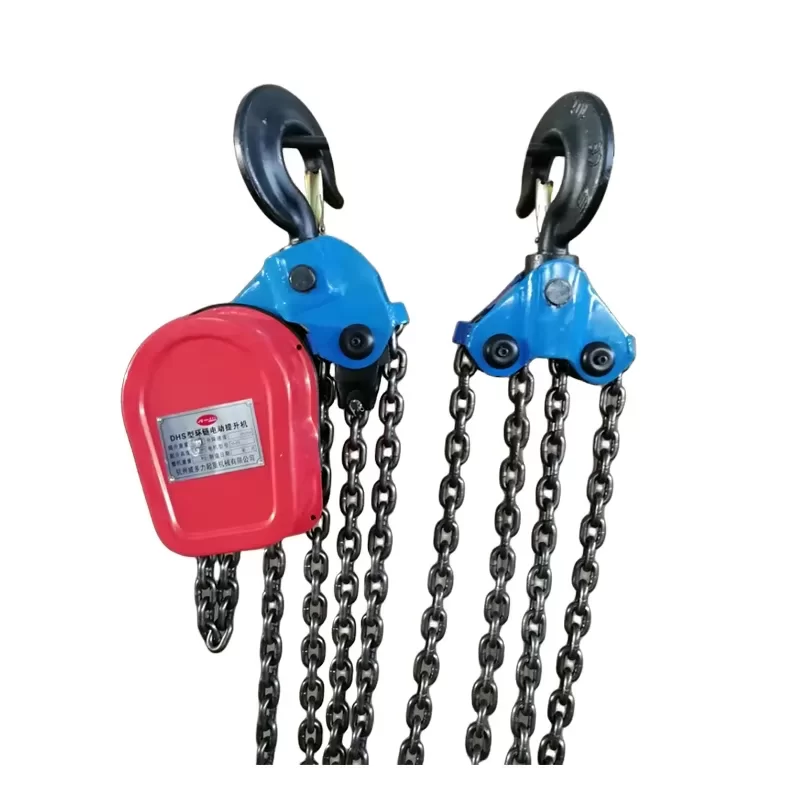 10 Ton Dhs Electric Chain Hoist Dhs Electric Chain Hoist
 High Accuracy 2 Ton Pallet Jack with Scale Electronic Weighing Hand Pallet Truck Hydraulic CE Certified
 Manual Chain Hoist Construction Lifting Pulling Tool Manual Lever Chain Block
 Mini Electric Hoist 220V with Sports Car Mobile Lift Small Household Crane 1-Year Warranty Made in China
 Industrial Grade High Strength Double Ply Eye to Eye Lifting Webbing Sling CE GS Certified Polyester Flat Webbing Sling
 Electric Chain Hoist 2 Ton 380V CE Certified Low Headroom with Trolley Electric Chain Hoist for Warehouse Workshop Lifting
 5000kg Hand Pallet Truck Manual Pallet Jack Pallet
 Manual Chain Hoist 5 Ton G80 Alloy Steel Hand Chain Block Hoist Dual Pawl Brake for Construction Workshop
 September 17, 2026Industrial China Thin Plate Magnet Lifter Selection Guide
 March 02, 2026New Aluminum Shell Electric Hoist Launched
 August 28, 2026Efficient Industrial Lifting with 220v Electric Hoist Solutions
 October 29, 2026High Performance Industrial ODM electric chain hoist Guide
 October 26, 2026High Performance Industrial OEM vt type chain block Guide
 September 14, 2026High Performance OEM hoisting chain for Industrial Lifting Safety
 April 24, 2026Electric Hoist 200kg Guide for Industrial Lifting and SafetyIn the modern landscape of material handling, the electric hoist 200kg serves as a critical bridge between manual labor and heavy industrial machinery. For small-scale workshops, automotive garages, and home renovation projects, having a reliable lifting solution that handles a 200kg capacity ensures that operational efficiency is maximized without compromising on safety. By automating the vertical transport of materials, businesses can drastically reduce the risk of musculoskeletal injuries among staff while accelerating project timelines.
 July 17, 2026Industrial Electric Wire Rope Hoist for Heavy Duty Lifting


