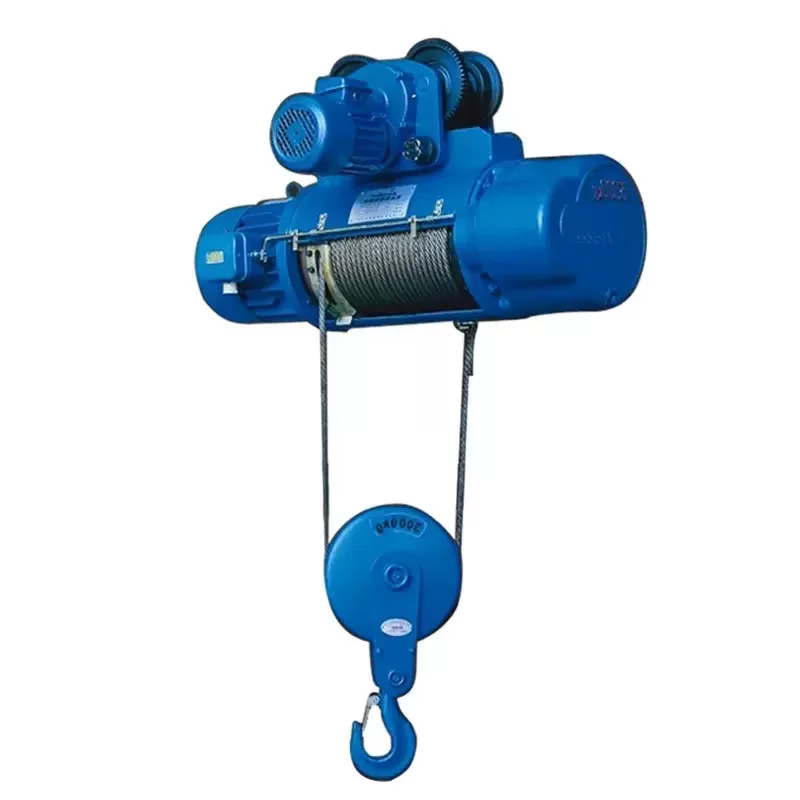
In the specialized sector of material handling and light-duty lifting equipment, the procurement of an OEM hoisting chain is a critical decision that directly impacts operational safety and machinery longevity. These chains are not mere accessories but engineered components designed to withstand immense tension while maintaining precise structural integrity under varying load cycles.
For procurement managers and equipment engineers, the primary challenge lies in balancing load capacity with wear resistance, ensuring that the chain integrates seamlessly with the hoist mechanism. Selecting a sub-standard replacement can lead to premature fatigue, increased maintenance downtime, and significant safety risks in industrial environments.
This guide provides a comprehensive analysis of OEM hoisting chain selection, focusing on metallurgical standards, integration requirements, and the technical criteria necessary to maintain high-performance lifting operations in demanding industrial settings.

The Core Engineering of OEM hoisting chain

OEM hoisting chains are manufactured to exact tolerances to ensure that every link interacts perfectly with the load sheave and sprocket of the lifting device. Unlike general-purpose chains, these are often subjected to specific heat treatment processes that optimize the balance between hardness (to resist wear) and ductility (to prevent brittle failure under shock loads).
From a practical implementation perspective, the precision of the pitch and the uniformity of the link diameter are the most critical factors. Any deviation in these dimensions can lead to "jumping" or uneven wear on the drive gears, which significantly shortens the service life of the entire hoisting system.
Critical Material Specifications and Load Grades
The selection of a hoisting chain begins with the grade of the steel. In professional material handling, G80 (Grade 80) lifting chains are a standard for high-strength applications due to their alloy steel composition and quenching and tempering process. This ensures a high Working Load Limit (WLL) and a predictable safety factor.
When evaluating specifications, engineers must consider the environment. For petrochemical or port environments, corrosion resistance becomes a primary requirement. While high-strength steel is durable, the application of specific coatings or the use of high-grade alloys is necessary to prevent oxidation and stress corrosion cracking in saline atmospheres.
Integration with Electric and Manual Hoists
The synergy between the chain and the hoist body is where OEM quality proves its value. Whether integrated into a DHS Electric Chain Hoist or a manual HSZ Chain Block, the chain must glide through the guide system without excessive friction. This requires a precise surface finish and strict adherence to the manufacturer's dimensional blueprints.
For electric systems, such as the European electric chain hoist, the chain must also be compatible with the limit switches and braking mechanisms. Inconsistent link sizing can cause erratic movement or failure of the safety cut-off systems, making the use of verified OEM components essential for operational stability.
Evaluating Wear and Performance Metrics
Measuring the degradation of a hoisting chain is a quantitative process. The most common metric is the increase in pitch length; once the chain stretches beyond a certain percentage of its original length, it is considered unsafe for further use. This conceptual framework helps in scheduling preventative maintenance.
The chart above illustrates a normalized relative evaluation of performance factors. It highlights that while initial load capacity is high, the long-term value of an OEM chain lies in its superior wear resistance and stability over thousands of operational cycles compared to non-certified alternatives.
Risk Mitigation in Chain Procurement
The highest risk in procurement is the "hidden cost" of cheap components. A chain that meets basic dimensions but lacks the proper heat treatment may fail catastrophically under peak loads. Buyers should prioritize suppliers who provide documented certification and a transparent manufacturing process.
To mitigate these risks, it is recommended to implement a three-stage verification process: first, verifying the material grade certificate; second, inspecting the surface finish for micro-cracks; and third, confirming the compatibility of the chain pitch with the existing hoisting machinery's drive sprocket.
Compliance with International Safety Standards
Safety in lifting is governed by strict certifications. In the European and global markets, CE and GS certifications are the benchmarks for safety. These certifications ensure that the equipment has undergone rigorous testing for load-bearing capacity and failure modes.
Hebei Juying Lifting Machinery Co., Ltd. adheres to these ISO9001 standards, ensuring that their production lines—which include over 100 lines—produce chains that are consistent in quality. Compliance is not just about a label; it is about the systematic application of quality control at every stage of the forging and machining process.
OEM vs. Generic Chain Selection Framework
When deciding between an OEM hoisting chain and a generic alternative, the decision should be based on the application's criticality. For intermittent, light-duty use, generic chains might suffice, but for industrial-grade recovery and lifting, the technical advantages of OEM components are indispensable.
| Evaluation Factor | OEM Hoisting Chain | Generic Alternative | Impact on Operation |
|---|---|---|---|
| Material Grade | Certified G80/Alloy | Variable Carbon Steel | Load Safety |
| Dimensional Precision | Tight Tolerance | Loose Tolerance | Wear Rate |
| Heat Treatment | Controlled Quenching | Basic Annealing | Fatigue Life |
| Certification | CE/GS/TUV | Self-Declared | Compliance |
| System Integration | Seamless Fit | Potential Friction | Energy Efficiency |
| Maintenance Cycle | Extended | Frequent | Total Cost of Ownership |
The data suggests that while the initial procurement cost of OEM chains may be higher, the reduced frequency of replacement and the elimination of catastrophic failure risks provide a significantly better return on investment (ROI) for industrial users.
Frequently Asked Questions
G80 chains are made from alloy steel and undergo a specific quenching and tempering process, giving them a much higher strength-to-weight ratio and load capacity compared to standard carbon steel chains.
Inspection intervals depend on usage frequency, but generally, a visual check should be performed daily, and a professional measurement of chain stretch (pitch elongation) should be conducted every 6 to 12 months.
No. Mixing different grades or brands of links is extremely dangerous as it creates uneven stress distribution and unpredictable failure points. Always replace the entire chain length.
Look for CE and GS certifications, as these indicate the product meets European safety standards. ISO9001 certification for the manufacturer also ensures consistent quality control.
Yes, proper lubrication reduces friction between the links and the drive sprocket, which significantly lowers wear and prevents rust, especially in humid or maritime environments.
Immediate replacement is required if you observe any visible cracks, significant twisting of links, severe corrosion, or if the chain has stretched beyond the manufacturer's specified limit.
Conclusion
Selecting a high-quality OEM hoisting chain is an investment in both operational efficiency and workplace safety. By focusing on material grades like G80, ensuring compliance with CE and GS standards, and prioritizing dimensional precision, enterprises can minimize downtime and avoid the costly risks associated with component failure.
For professional grade lifting solutions and customized OEM requirements, you can explore the full range of equipment and technical specifications at www.juyinghoist.com to ensure your operations remain safe and productive.