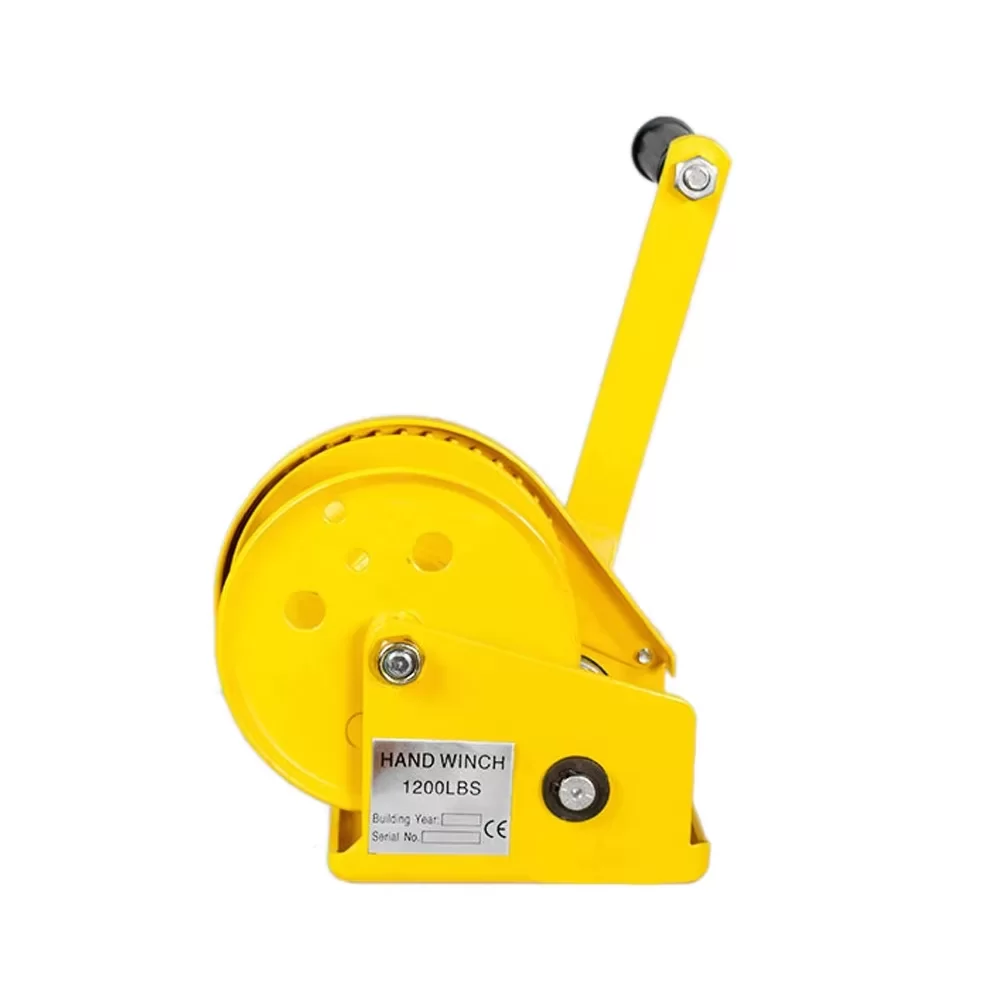
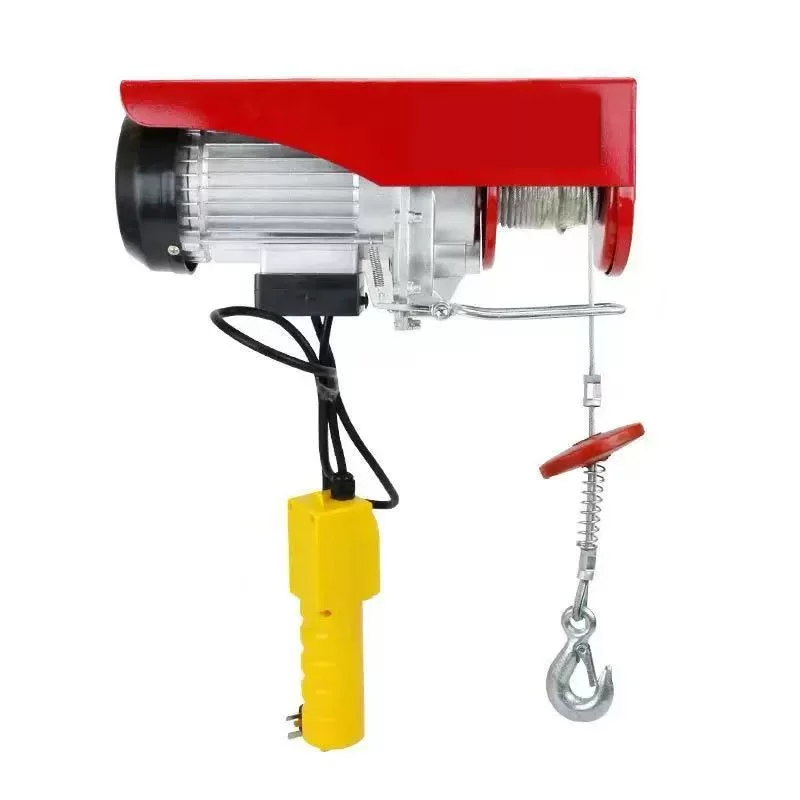
Tracing the development of lifting equipment from traditional methods to modern electromechanical solutions.
Market Development History
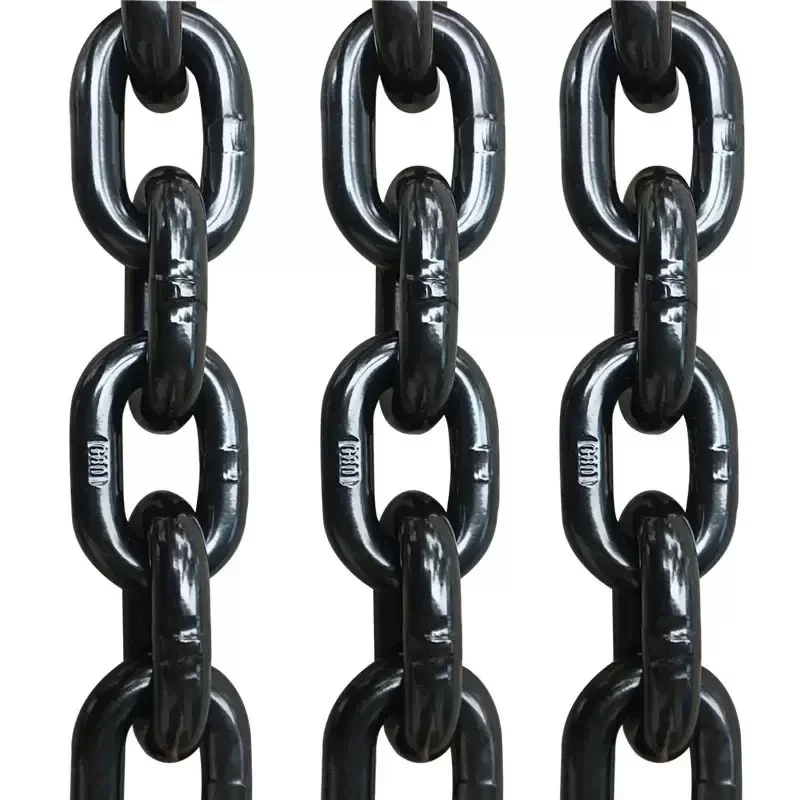
Historically, material handling in North Korean industries relied heavily on manual labor and basic pulley systems. The 1970s and 80s saw the introduction of some Soviet-era equipment, including basic chain hoists and rudimentary winches. These were often adapted for local needs and lacked the precision and safety features of modern systems.
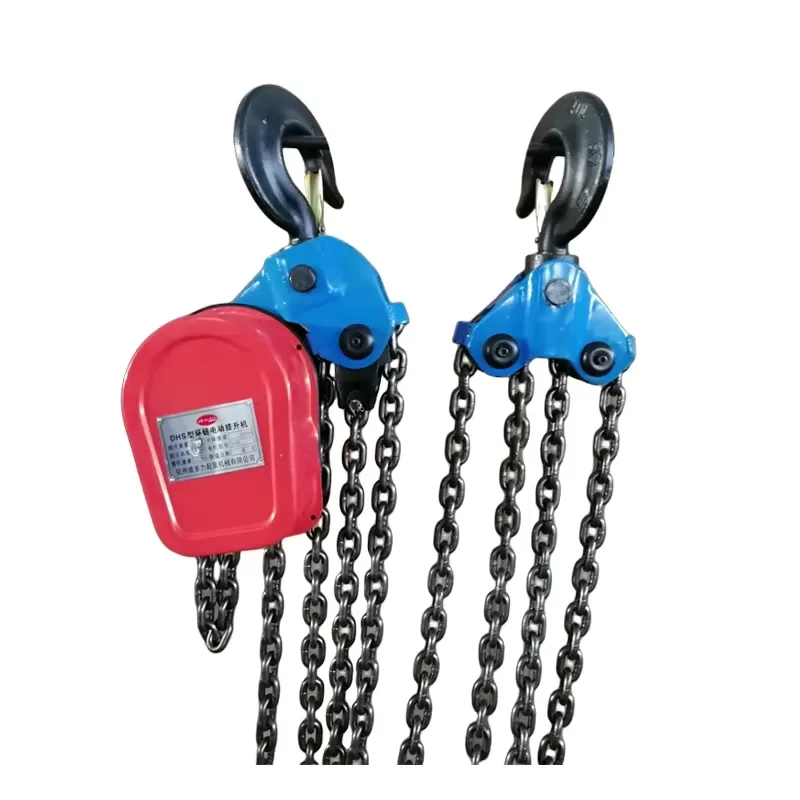
The 1990s presented significant economic challenges, slowing down technological advancements. Limited access to foreign exchange hindered the import of new equipment. The early 2000s saw a gradual increase in the adoption of more efficient, though often second-hand, lifting solutions. Chain hoist electric units became increasingly popular due to their relative affordability and ease of use.
In recent years, there's been a growing, albeit cautious, interest in modernizing industrial infrastructure. The focus is on acquiring equipment that can improve productivity and reduce reliance on labor-intensive methods. The demand for manual chain block solutions remains stable due to their reliability in power-constrained environments.
Future Development Trends
Increased Demand for Automation
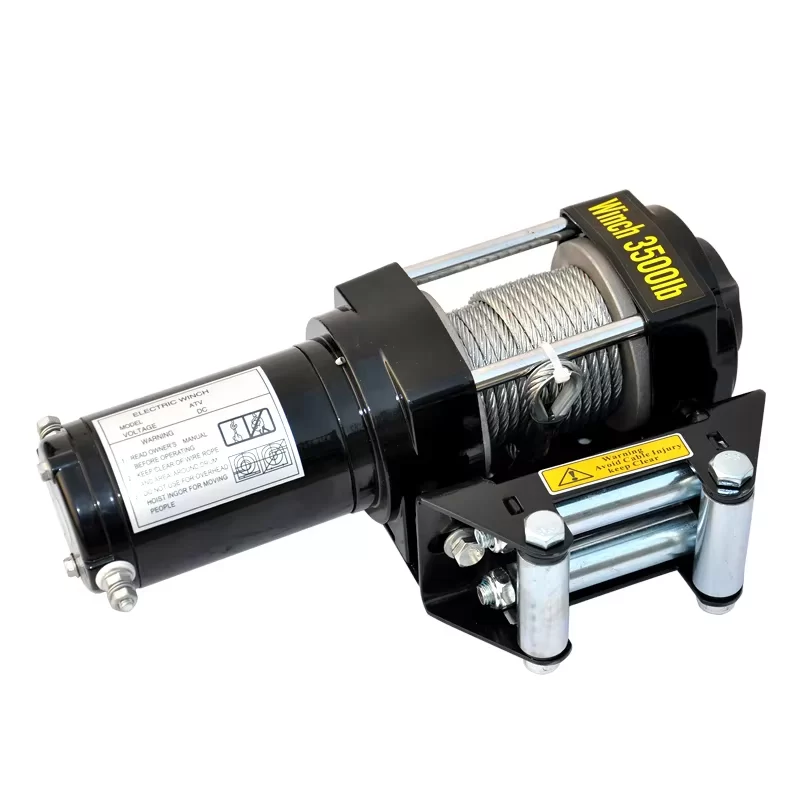
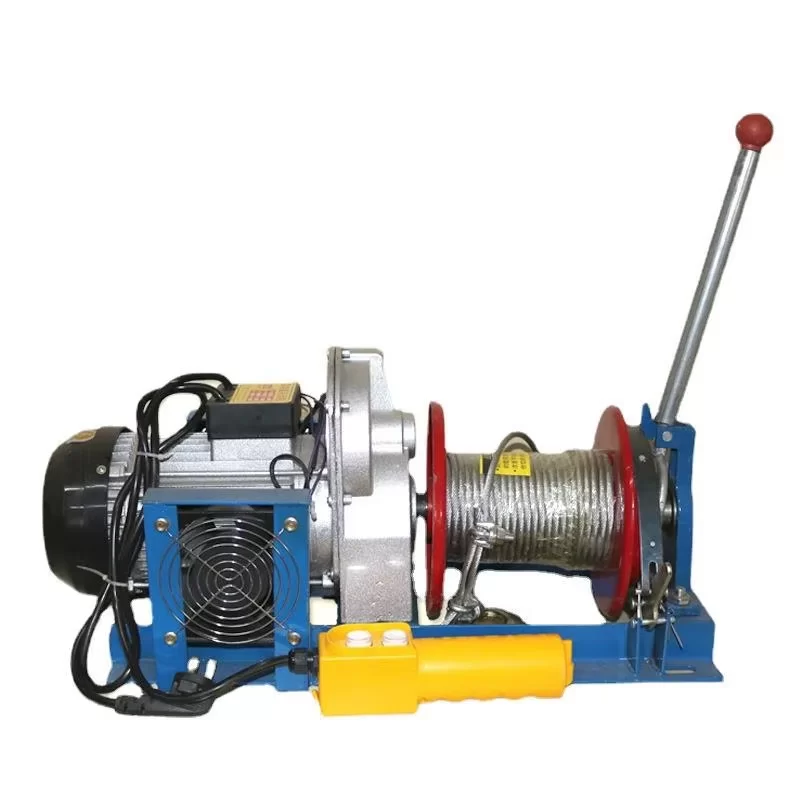
As North Korean industries attempt to improve efficiency, there's a projected increase in demand for automated lifting solutions. This includes remotely controlled electric winch systems and intelligent load monitoring technologies.
Focus on Energy Efficiency
Given energy constraints, there will be a preference for energy-efficient lifting equipment. Modern electric hoists with variable frequency drives and regenerative braking systems will likely gain traction.
Emphasis on Safety Standards
Growing awareness of workplace safety will drive demand for equipment that meets international safety standards. Features like overload protection, emergency stop buttons, and robust braking systems will be crucial.