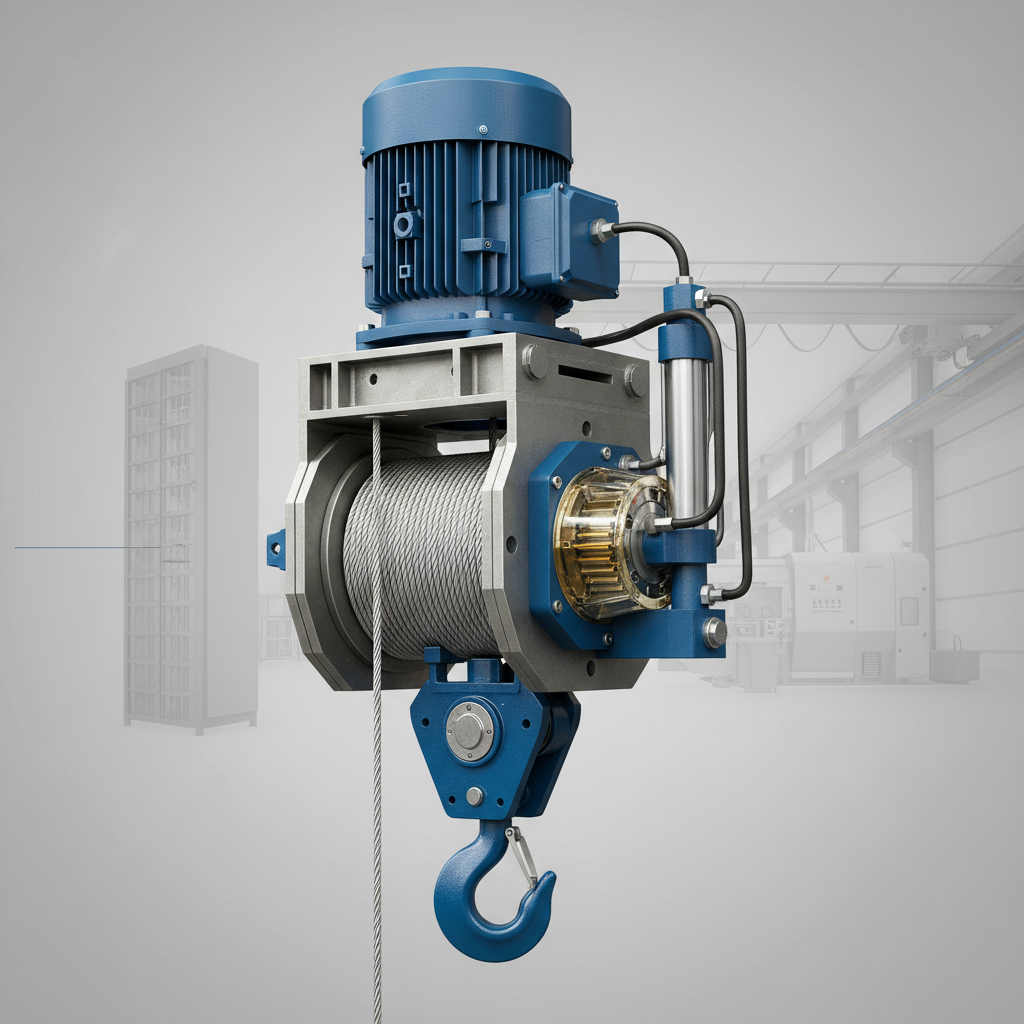

Efficient warehouse logistics rely heavily on the ability to move heavy loads with minimal manual effort. An ODM self loading pallet stacker serves as a critical intersection between manual agility and mechanical power, allowing operators to lift and stack pallets without the need for external forklifts in confined spaces. This guide explores the technical nuances and procurement strategies for these specialized lifting tools.
In the B2B industrial sector, "Original Design Manufacturing" (ODM) is not merely about rebranding; it is about tailoring mechanical specifications to specific operational constraints. Whether dealing with petrochemical ports or high-density storage facilities, the requirement for stability and safety is paramount. Understanding the relationship between load capacity, lift height, and material strength is essential for any procurement manager seeking to optimize their material handling fleet.
Readers will gain insights into the engineering principles of self-loading systems, how to evaluate supplier certifications like CE and GS, and the practical trade-offs between different alloy grades. By the end of this analysis, you will have a framework for selecting lifting equipment that balances immediate operational needs with long-term asset value and safety compliance.
Industrial Material Handling Dynamics
The evolution of material handling has moved toward "hybridization"—combining the simplicity of manual operation with the heavy-duty capabilities of industrial machinery. A ODM self loading pallet stacker represents this shift, providing a solution for environments where fully electric forklifts are too bulky or manual pallet jacks are insufficient for vertical storage. These systems typically utilize hydraulic or geared mechanisms to multiply human force, enabling the movement of loads that would otherwise require a large team or heavy machinery.
From a technical perspective, the efficiency of these tools is governed by the gear ratio and the quality of the load-bearing components. In high-stress environments, such as bridge construction or port logistics, the equipment must withstand not only the vertical load but also lateral stresses and corrosive atmospheres. This is why industrial-grade alloys and precision-engineered gearing are not optional extras but fundamental requirements for safety and longevity. When these elements are optimized, the result is a reduction in operator fatigue and a significant increase in throughput speed.
Strategic Procurement for Self-Loading Systems
Selecting the right equipment requires a deep dive into the specific application scenario. A tool designed for a clean-room warehouse will differ fundamentally from one used in a petrochemical shipyard. Procurement must focus on a matrix of technical capabilities, safety certifications, and the manufacturer's ability to provide custom engineering solutions to fit the unique dimensions of the client's facility.
Custom Design Frameworks
ODM services allow businesses to modify lift heights, fork widths, and load capacities to match their specific pallet types. This customization ensures that the equipment integrates seamlessly into existing shelving systems, reducing the risk of accidental damage and improving ergonomic flow for the operators.
| Design Factor | Operational Impact | Buyer Check-list | Risk of Neglect |
|---|---|---|---|
| Lift Height | Storage Density | Shelf clearance measurements | Equipment incompatibility |
| Fork Dimension | Pallet Stability | Standard vs Custom pallet size | Load instability/tipping |
| Gear Ratio | Operator Effort | Required lifting frequency | Increased worker fatigue |
| Chassis Material | Durability | Corrosive environment check | Rapid structural rust |
| Brake System | Safety Control | Load descent speed needs | Uncontrolled load drops |
| Wheel Type | Floor Surface | Epoxy vs Concrete vs Steel | Floor damage/poor glide |
Capacity and Load Dynamics
Load capacity is not a static number; it varies based on the center of gravity and the lift height. For high-capacity tools, such as those in the GSToyo range capable of handling substantial weights, the structural integrity of the load chain and the precision of the alloy gearing are critical. Buyers should evaluate the "test load" versus the "working load" to ensure a sufficient safety margin during peak operational stress.
Material Grade and Durability
The use of high-strength industrial alloys prevents the "stretching" of load chains over time, which is a common failure point in low-cost alternatives. Wear-resistant materials in the gearing system extend the lifespan of the equipment from a few years to nearly a decade, significantly improving the Return on Investment (ROI) for the enterprise.
Operational Safety Standards
Compliance with international standards such as CE and GS is non-negotiable for B2B procurement. These certifications verify that the equipment has undergone rigorous stability and performance testing. In high-risk environments like petrochemical ports, these certifications serve as a legal and operational safeguard against industrial accidents.
Integration with Warehouse Workflows
The true value of a specialized stacker is realized when it reduces the "bottleneck" in the supply chain. By allowing for self-loading and stacking, companies can reduce their reliance on expensive forklift operators and decrease the time taken to move goods from the receiving dock to the storage rack.
Maintenance and Lifecycle Value
Long-term asset value depends on a structured maintenance regime. Regular lubrication of the gear system and periodic inspections of the chain links are essential. Choosing a manufacturer with a proven track record of durability ensures that the cost of ownership remains low throughout the product's lifecycle.
Supplier Evaluation Criteria
When evaluating an ODM partner, look for production scale and quality control systems. A facility with multiple production lines and a multi-stage testing process—like the one utilized by Hebei Juying Hoisting Machinery—can guarantee consistency across large orders, which is vital for global supply chains serving Europe and the Americas.
FAQ
What is the primary advantage of an ODM approach for pallet stackers?
An ODM (Original Design Manufacturing) approach allows a business to customize the technical specifications of the equipment—such as lift height, load capacity, and material grades—to perfectly fit their specific industrial environment, rather than relying on a generic "one size fits all" product.
How do CE and GS certifications impact operational safety?
CE and GS certifications ensure that the lifting equipment meets strict European and international safety protocols. This includes rigorous testing for load stability, material fatigue, and mechanical failure points, which is critical for reducing workplace accidents in high-risk industrial zones.
Can these lifting tools be used in outdoor or maritime environments?
Yes, provided they are manufactured with high-grade alloys and wear-resistant coatings. Professional industrial stackers are often designed for use in ports and petrochemical ships, where durability against harsh elements and heavy-duty loads is a primary requirement.
What factors most affect the lifespan of a manual stacker?
The two most significant factors are the quality of the initial materials (such as the alloy grade of the load chain) and the consistency of maintenance. Regular lubrication of the gearing and checking for chain stretching prevents premature mechanical failure.
How should I determine the required load capacity for my facility?
You should identify the maximum weight of your heaviest pallet and add a safety margin of 10-20%. Additionally, consider the "center of gravity" of your loads; asymmetrical loads may require a higher rated capacity to maintain stability during the lift.
Is it possible to get custom lift heights through ODM services?
Absolutely. ODM services are specifically designed to allow for customizable specifications. Whether you need a standard 3-meter lift or a specialized height to reach specific mezzanine levels, a professional manufacturer can tailor the mast and chain length accordingly.
References and further reading
- ISO 9001: Quality Management Systems Requirements for Industrial Manufacturing.
- European Union CE Marking Guidelines for Lifting and Material Handling Equipment.
- GS Certification Standards for Industrial Machinery Safety (Germany).
Related Articles