
Best Single phase electric hoist for Home and Workshop Use
Best Single phase electric hoist for Home and Workshop Use
Choosing the Right Single Phase Electric Hoist for Your Workspace
For many small businesses, workshops, and home garages, the ability to lift heavy loads efficiently is a game-changer. A single phase electric hoist provides the perfect balance of power and convenience, allowing users to move machinery, automotive parts, or construction materials without the need for complex industrial three-phase power installations. By leveraging standard electrical outlets, these hoists streamline operations and reduce labor costs. In this guide, we will explore the technical advantages, selection criteria, and practical applications of these essential lifting tools to help you make an informed investment.
How a Single Phase Electric Hoist Simplifies Installation
The primary appeal of a single phase electric hoist is its compatibility with standard residential and light commercial power grids. Unlike three-phase systems that require specialized wiring and expensive electrical panels, single-phase models plug directly into common 110V or 220V outlets. This plug-and-play capability means you can set up your lifting station in a fraction of the time and cost. For entrepreneurs and DIY enthusiasts, this removes the technical barrier to entry, enabling a safer environment where heavy lifting is handled by a machine rather than manual labor, significantly reducing the risk of workplace injuries.
Pro Tip: Always ensure your circuit breaker can handle the peak amperage of the hoist during the initial lift to prevent power trips in your facility.
Key Performance Factors of Single Phase Electric Hoist Systems
When evaluating a single phase electric hoist, several technical factors determine its efficiency. First is the lifting capacity, which varies based on the number of cable falls (single line vs. double line). Second is the lifting speed; while slower than industrial three-phase units, single-phase hoists provide a smoother, more controlled ascent, which is critical for precision placement. Finally, the duty cycle—the amount of time the hoist can operate before needing a cool-down period—is a vital metric for those using the equipment for repetitive tasks throughout the day.
Critical Maintenance Checks:
• Inspect wire rope or chain for signs of wear or fraying
• Test the emergency stop button and limit switches
• Lubricate moving parts according to the manufacturer's schedule
• Verify the hook latch is functioning securely
Comparison: Single Phase vs. Three Phase Electric Hoists
Deciding between power types depends entirely on your infrastructure and load frequency. A single phase electric hoist is designed for versatility and ease of use, whereas three-phase hoists are built for heavy-duty industrial cycles. For the average warehouse or garage, the cost of upgrading electrical infrastructure to support three-phase power often outweighs the performance gains. The following table highlights the distinct differences to help you choose the right tool for your specific needs.
Common Applications for the Single Phase Electric Hoist
The adaptability of the single phase electric hoist makes it a staple in various sectors. In automotive repair shops, it is indispensable for removing heavy engines or transmissions from vehicles. In the construction industry, it is often used for lifting small bundles of materials to upper floors or scaffolding. Even in warehouse settings, these hoists assist in organizing tall shelving units by lifting pallets or crates. Because they are compact, they can be mounted on I-beams or portable gantry cranes, offering flexibility in how the workspace is utilized.
Technical Specifications of Standard Single Phase Electric Hoist Models
To ensure you select a model that meets your operational requirements, it is important to review the technical specifications. Most single phase electric hoist units come with integrated safety features such as automatic overload protection and upper/lower limit switches to prevent cable over-travel. Below is a typical specification table for a mid-range electric hoist, providing a baseline for capacity and electrical needs.
Safety Best Practices for Operating Your Electric Hoist
Operating a single phase electric hoist safely is paramount to preventing accidents. Never exceed the rated load capacity, as this can lead to mechanical failure or cable snapping. Always ensure the load is centered directly under the hoist to avoid "side-pulling," which can damage the guide rails and cause the load to swing dangerously. Additionally, training operators to use the push-button pendant with a clear line of sight to the load ensures that any potential obstacles are spotted immediately, maintaining a secure working environment for everyone on site.
Conclusion: Elevating Efficiency with Single Phase Hoists
A single phase electric hoist is an invaluable asset for anyone looking to increase productivity while maintaining high safety standards in a light-industrial or home setting. Its ease of installation, combined with reliable lifting power, makes it the ideal choice for those who do not have access to industrial three-phase power. By selecting a hoist with the appropriate capacity and adhering to strict maintenance and safety protocols, you can transform your workspace into a more professional, efficient, and safe operation. Invest in quality lifting equipment today to experience the difference in your daily workflow.
Frequently Asked Questions (FAQs)
Can I use a single phase electric hoist in a home garage?
Absolutely. Single phase electric hoists are specifically designed for environments where only standard domestic power is available. As long as your garage is equipped with a compatible 110V or 220V outlet and your ceiling structure (like a reinforced beam) can support the combined weight of the hoist and the maximum load, it is a safe and efficient choice. We recommend checking your electrical circuit's amperage to ensure it can handle the hoist's power draw during peak lifting stages to avoid tripping your home's breakers.
What is the difference between a single line and a double line lift?
The difference lies in the capacity and the lifting speed. In a single line configuration, the hook is attached directly to the cable, providing the maximum lifting speed but the lowest weight capacity. In a double line (or reeved) configuration, the cable passes through a pulley on the load hook, effectively doubling the lifting capacity because the load is shared across two strands of cable. However, this comes at the cost of speed; the hoist will lift the load at half the speed of a single line setup. Always check the label on your single phase electric hoist to confirm the capacity for each mode.
How often should I perform maintenance on my hoist?
Maintenance frequency depends on the intensity of use. For occasional use, a comprehensive inspection every six months is generally sufficient. However, for daily operational use, a monthly check of the wire rope, chain, and hook is highly recommended. You should look for signs of stretching, kinking, or wear on the cables and ensure that the braking system is engaging immediately when the button is released. Regularly lubricating the gears and chains will also significantly extend the lifespan of your equipment and ensure smooth operation.
Is it safe to leave a load suspended on an electric hoist?
No, it is never recommended to leave a load suspended for an extended period. Electric hoists are designed for lifting and positioning, not for long-term storage of loads. Leaving a load suspended puts constant tension on the brake and the cable, which can lead to premature wear or unexpected failure. If you need to store a heavy object at a certain height, it is safer to use permanent supports or jacks. Always lower the load to the ground or a secure platform once the task is complete to ensure the safety of everyone in the vicinity.
-
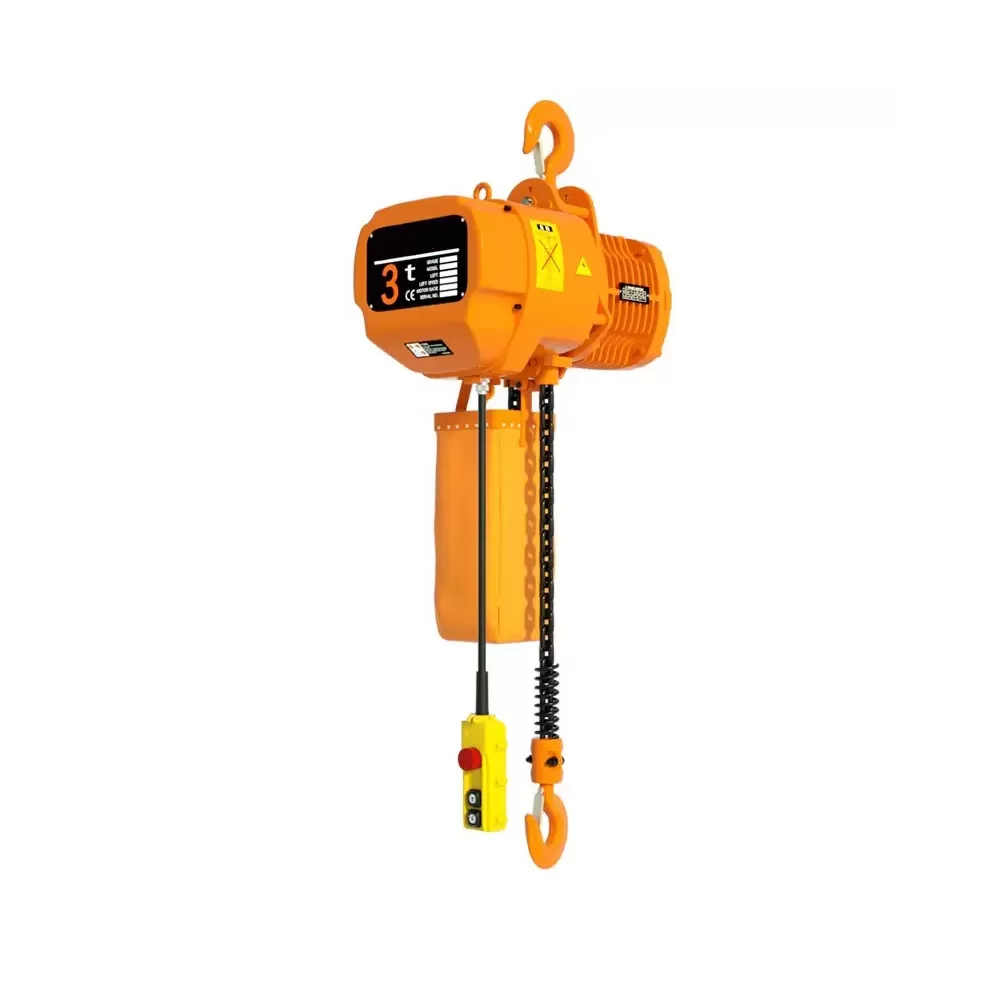 220v 3Ton HHBB Electric Chain Hoist with Stronger Power
-
 PA1000 Wireless Control Lifting Small Home Durable High Quality Professional Electric Wire Rope Hoist
-
 Lightweight 800kg Electric Hoist Steel Wire Rope Material Handling Lifting Small Mini Electric Hoist
-
 Heavy Duty 10 Ton Polyester Ratchet Tie Down Double J Hook CE Certified Reliable Industrial Ratchet Tie Down
-
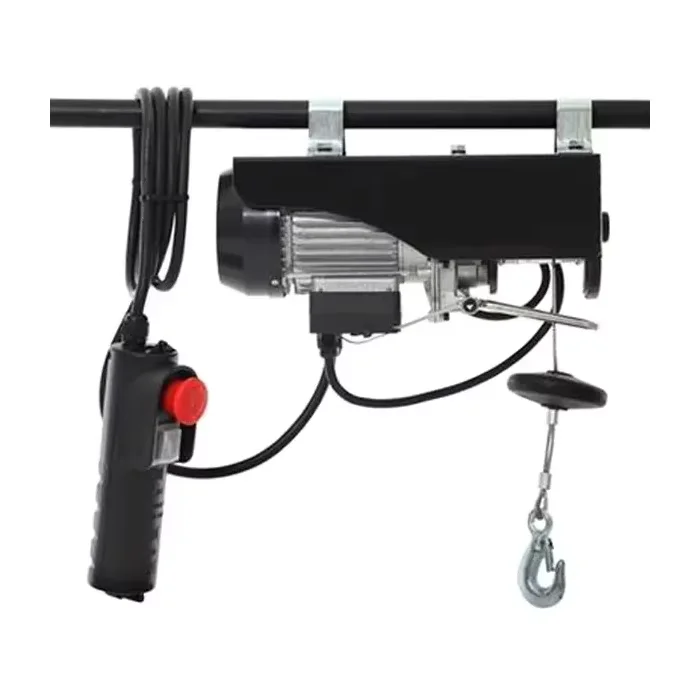 pa 500 mini electric hoist 500kg electric wire rope hoist
-
 CE Approved Car Electric Winches China Factory and Leading Suppliers
-
 PA 500 Mini Electric Hoist 500kg Factory Suppliers in China
-
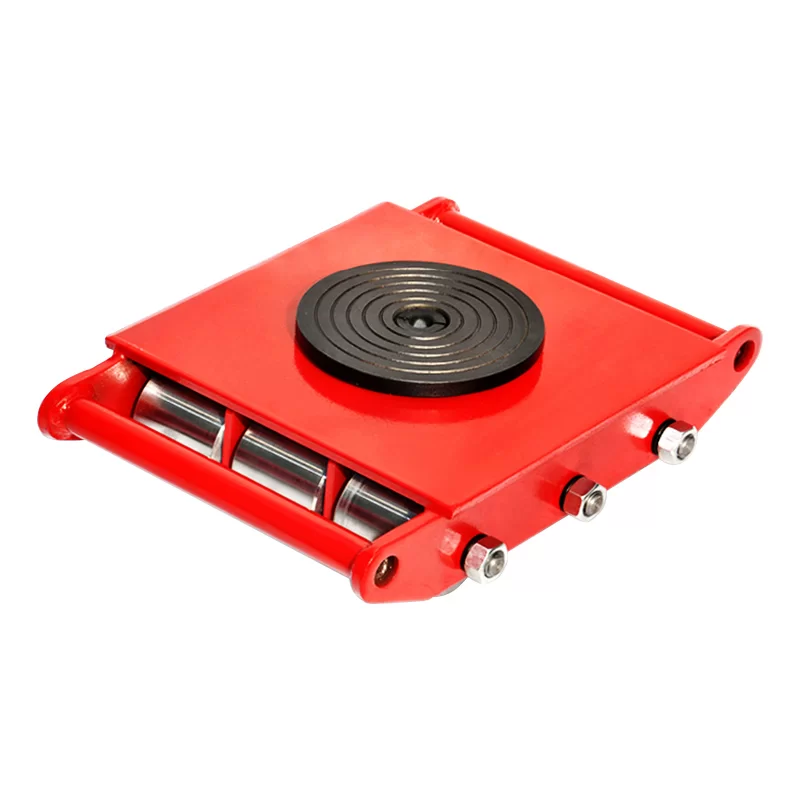 Heavy Duty Machine Dolly Skate Machinery Roller Mover Cargo Trolley 6 Ton
-
 October 05, 2026High Performance China Pallet Stacker for Warehouse LogisticsEfficient material handling is the backbone of modern warehouse logistics, where the ability to lift and stack heavy loads safely determines operational throughput. For businesses managing diverse inventory, selecting a high-performance lifting solution is not just about capacity, but about precision, durability, and adherence to safety standards. Whether navigating narrow aisles or managing heavy-duty industrial pallets, the right equipment minimizes manual labor and reduces the risk of workplace injuries. Our advanced lifting range, engineered for versatility, caters to a wide spectrum of industrial needs. From compact setups requiring precise control to heavy-duty applications demanding maximum load stability, these tools integrate robust mechanical engineering
-
 September 04, 2026Manufacturing Indonesia 2025: How Electric Wire Rope Hoists Support Smarter Factory Lifting
Industrial production is moving toward shorter lead times, more flexible layouts, and stricter safety control.
-
 May 22, 2026Efficient Lifting Solutions with Mini Wire Rope Hoist GuideIn the fast-paced world of modern logistics and small-scale manufacturing, the demand for agile and efficient lifting solutions has never been higher. A mini wire rope hoist serves as a critical bridge between manual labor and heavy-duty industrial cranes, offering a compact yet powerful means of vertical transport. By integrating high-tensile steel cables with precision-engineered motors, these devices allow operators to move loads with a level of control and safety that manual lifting simply cannot match. Globally, the shift toward modular workshops and micro-factories has placed a premium on equipment that minimizes footprint without sacrificing performance.
-
 September 17, 2026Industrial China Thin Plate Magnet Lifter Selection Guide
Efficiently transporting thin ferromagnetic materials requires a precise balance of magnetic flux and surface contact. For industrial operators, selecting a china thin plate magnet lifter involves understanding how magnetic saturation affects lifting capacity when dealing with sheets or plates that lack the mass to fully absorb the magnetic field. This article examines the technical requirements for lifting thin steel components and how to optimize safety in these specific scenarios. In B2B procurement, the primary challenge is often the saturation point. When a plate is too thin, the magnetic field passes through the material rather than being concentrated within it
-
 August 21, 2026Efficient Industrial Lifting with Electric Hoist 500kg Solution
In the modern industrial landscape, the demand for efficient material handling has led to the widespread adoption of specialized lifting equipment. Among these, the electric hoist 500kg stands out as a versatile solution for workshops, warehouses, and small-scale construction sites, bridging the gap between manual labor and heavy-duty industrial cranes. The global shift toward automation and safety standards has placed a premium on equipment that offers precise control and reliable load management. By implementing a dedicated lifting system, businesses can significantly reduce the risk of workplace injuries while optimizing the speed of internal logistics and equipment maintenance.
-
 June 29, 2026High Efficiency Industrial Electric Hoist Winch for Heavy LiftingIn the modern industrial landscape, the efficiency of material handling often determines the overall productivity of a project. The use of a specialized electric hoist winch allows for the precise lifting and pulling of heavy loads, reducing the physical strain on workers while significantly increasing operational speed across various sectors. From construction sites to automotive recovery and maritime ports, the demand for reliable lifting machinery is constant. A high-quality electric hoist winch provides the necessary mechanical advantage to move materials that would otherwise be impossible to handle manually, ensuring that workflows remain uninterrupted and safe.
-
 May 18, 2026High Efficiency Electric Wire Rope Hoists 200kg for IndustryIn the fast-paced environment of modern material handling, the demand for precision and efficiency in light-duty lifting has led to the widespread adoption of electric wire rope hoists 200kg . These compact powerhouses provide a seamless bridge between manual labor and heavy industrial machinery, allowing businesses to move delicate or small-scale loads with absolute confidence and minimal physical exertion. Understanding the technical nuances of electric wire rope hoists 200kg is essential for warehouse managers and workshop owners who prioritize safety without sacrificing speed. By automating the vertical movement of loads up to 200kg, organizations can significantly reduce workplace injuries
-
 March 25, 2026CD1 Electric Wire Rope Hoist Essential Guide for Modern Lifting Operations
The CD1 electric wire rope hoist – it’s the workhorse of modern lifting, plain and simple. You see these things everywhere on construction sites, in factories, shipyards… anywhere you need to reliably move heavy loads. I’ve spent years watching crews wrestle with inefficient systems, and honestly, a good CD1 hoist is the difference between a smooth operation and a frustrating, time-wasting bottleneck. It's not glamorous, but it's essential. We're talking about safety, efficiency, and ultimately, getting the job done right. The advancements in this tech are subtle, but they add up to huge gains in productivity and reduced risk. What really strikes me, having been on the ground level with so many projects, is how versatile these hoists are. They're not just for lifting materials. They’re crucial in equipment installation, maintenance, and even demolition. I’ve seen them rigged for everything from precise positioning of HVAC units to safely lowering massive generators for repair. The reliability is key - downtime on a job site translates directly into lost money and delayed schedules. That's where a solid, well-maintained CD1 hoist proves its worth.
Let’s Build Your Ideal Lifting Plan
Get a free quote or consult specs—message us right away!


