
Ultimate Guide to Choosing a Professional 220v Electric Hoist
Ultimate Guide to Choosing a Professional 220v Electric Hoist
The Ultimate Guide to Choosing a 220v Electric Hoist
When it comes to lifting heavy loads in residential garages, small workshops, or light industrial settings, the 220v electric hoist is an indispensable tool. By eliminating the physical strain of manual lifting, these machines enhance workplace efficiency and significantly reduce the risk of injury. Whether you are lifting an engine for repair or moving inventory in a warehouse, understanding the technical nuances of 220v power systems is key to selecting the right equipment. In this guide, we will explore everything from capacity and safety features to the best practices for installation and maintenance to ensure your lifting operations are seamless and secure.
Why Choose a 220v Electric Hoist for Your Project?
The primary advantage of a 220v electric hoist is its compatibility with standard North American power outlets. Unlike three-phase industrial hoists that require expensive electrical upgrades, a 220v model can be plugged directly into most domestic circuits, making it the ideal choice for homeowners and small business owners. These hoists provide a perfect balance between power and convenience, offering precise control over the load with minimal effort. Furthermore, modern 220v hoists are designed with compact footprints, allowing them to be mounted in tight spaces without compromising on lifting capacity.
Key Highlights: Plug-and-play convenience, reduced installation costs, and an ergonomic design that simplifies heavy lifting in non-industrial environments.
Critical Safety Features of Modern Electric Hoists
Safety is the most critical factor when operating any lifting machinery. A professional-grade 220v electric hoist incorporates several fail-safes to protect both the operator and the load. One of the most important is the automatic overload protection, which stops the motor if the weight exceeds the rated capacity, preventing catastrophic structural failure. Additionally, high-quality hoists feature emergency stop buttons on the pendant control and reinforced steel cables that are tested beyond their limit loads. Using these features correctly ensures a safe working environment and prolongs the life of the equipment.
Essential Safety Checklist:
• Thermal overload protection to prevent motor burnout
• Upper and lower limit switches to prevent over-travel
• High-tensile strength steel wire rope
• Ergonomic pendant control for safe distance operation
Comparing 110v Electric Hoists vs. Manual Hoists
While manual chain hoists are reliable, the transition to a 220v electric hoist offers a massive leap in productivity. Manual lifting is time-consuming and physically demanding, whereas electric models allow for rapid ascent and descent with the push of a button. This speed is especially crucial in commercial settings where time equals money. Although electric hoists require a power source, the trade-off in labor cost and physical fatigue makes them a far superior investment for any frequent lifting task.
Application Scenarios for the 220v Electric Hoist
The versatility of a 220v electric hoist makes it suitable for a vast array of environments. In automotive shops, they are primarily used as engine hoists or for lifting heavy transmissions. In retail warehouses, they assist in moving bulky crates to higher shelving units. Even in home workshops, they are used for lifting heavy machinery or furniture during renovations. The ability to quickly deploy the hoist and connect it to a standard power line means it can be moved between different work zones with ease, providing flexible lifting solutions where they are needed most.
110v Electric Hoist Technical Specifications
When shopping for the right model, it is essential to look beyond the price and focus on the technical specifications. The capacity (load limit) is the most important metric, but you should also consider the lifting speed and cable length. A hoist with a double-line configuration can usually lift twice the weight of a single-line setup, although it reduces the maximum lift height. Understanding these specs ensures that you don't under-equip your workspace or buy a machine that is overkill for your needs. Below are typical specifications for a standard mid-range model:
Maintenance Tips for Long-Term Durability
To ensure your 220v electric hoist remains in peak condition, a regular maintenance schedule is mandatory. First, inspect the steel cable for any signs of fraying or kinking; a damaged cable should be replaced immediately to avoid accidents. Second, lubricate the gears and chain according to the manufacturer's guidelines to reduce friction and wear. Finally, check the electrical connections and the pendant control for any signs of wear or loose wiring. By spending a few minutes each month on preventative maintenance, you can extend the lifespan of your hoist by several years and ensure consistent performance under load.
Conclusion: Elevate Your Efficiency with Juying Hoists
Investing in a high-quality 220v electric hoist is one of the most effective ways to upgrade your workspace. From the convenience of standard power compatibility to the safety of modern overload protection, these machines transform the way you handle heavy materials. By choosing a reputable manufacturer and following a strict maintenance routine, you ensure a safer, faster, and more professional lifting environment. Don't let heavy lifting slow you down—experience the power and precision of electric hoisting today.
Frequently Asked Questions (FAQs)
Can I use a 220v electric hoist on a standard household extension cord?
While it is technically possible, it is not recommended to use thin, household-grade extension cords. An electric hoist draws a significant amount of current, especially when lifting near its maximum capacity. Using an undersized cord can lead to voltage drops, which may cause the motor to overheat or run inefficiently. We recommend using a heavy-duty, 12-gauge or 10-gauge extension cord specifically rated for high-amperage appliances to ensure the hoist receives stable power and operates safely.
What does "single line" vs "double line" capacity mean?
Single line means the hook is attached directly to the cable coming from the hoist; this provides the maximum lifting height but the lower weight capacity. Double line involves looping the cable through a pulley on the hook, creating two supporting lines. This effectively doubles the lifting capacity because the load is shared between two strands of cable. However, because the cable must travel twice the distance, the maximum height the load can be lifted is reduced by half. Always check your hoist's manual for the specific weights for each configuration.
How often should I inspect the wire rope of my 220v electric hoist?
We recommend a visual inspection before every single use and a detailed technical inspection every month. Look for "bird-caging" (where the strands separate), kinks, or worn-through galvanized coating. If you notice more than a few broken wires in one lay of the rope, the cable must be replaced immediately. Regular lubrication with a high-quality wire rope lubricant will prevent corrosion and friction wear, significantly extending the interval between replacements and ensuring the safety of everyone in the work area.
What should I do if the hoist stops working mid-lift?
If the hoist stops unexpectedly, the first thing to check is the thermal overload protection. If the motor has been used continuously for a long period, it may have overheated and shut down automatically to prevent damage. Turn off the power and let the motor cool down for 15-30 minutes before trying again. Additionally, check the circuit breaker in your electrical panel to ensure it hasn't tripped. If the power is fine but the hoist remains unresponsive, inspect the pendant control for damage. For professional support and genuine replacement parts, visit the Juying Hoist website.
-
 2500kg Aluminum Shell Electric Wire Rope Hoist 2.5 Ton Industrial Hoist for Crane Lifting
-
 Industrial Grade Manual Hand Chain Hoist Operated Lifting Equipment G80 Alloy Steel Load Chain 1 Ton Pulley Chain Block
-
 Heavy Duty Machine Dolly Skate Factory China Suppliers | Industrial Machinery Roller Mover
-
 Electric Hoist 400 kg 220V Mini Electric Hoist Portable Wire Rope Winch Industrial Lifting Crane for Garage Warehouse
-
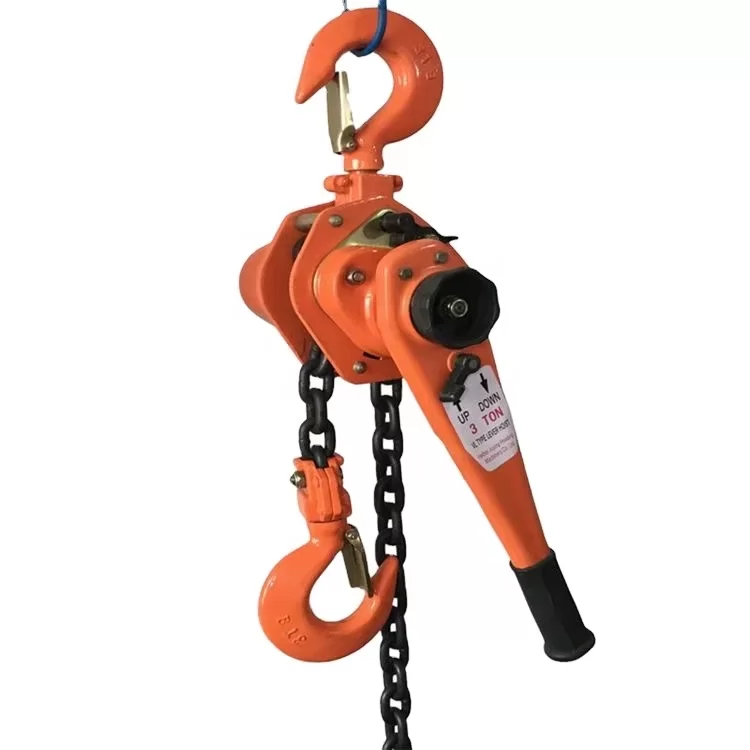 New Hand Chain Lever Block Chain Hoist 1.5 Ton for Home Use Retail Construction Lifting
-
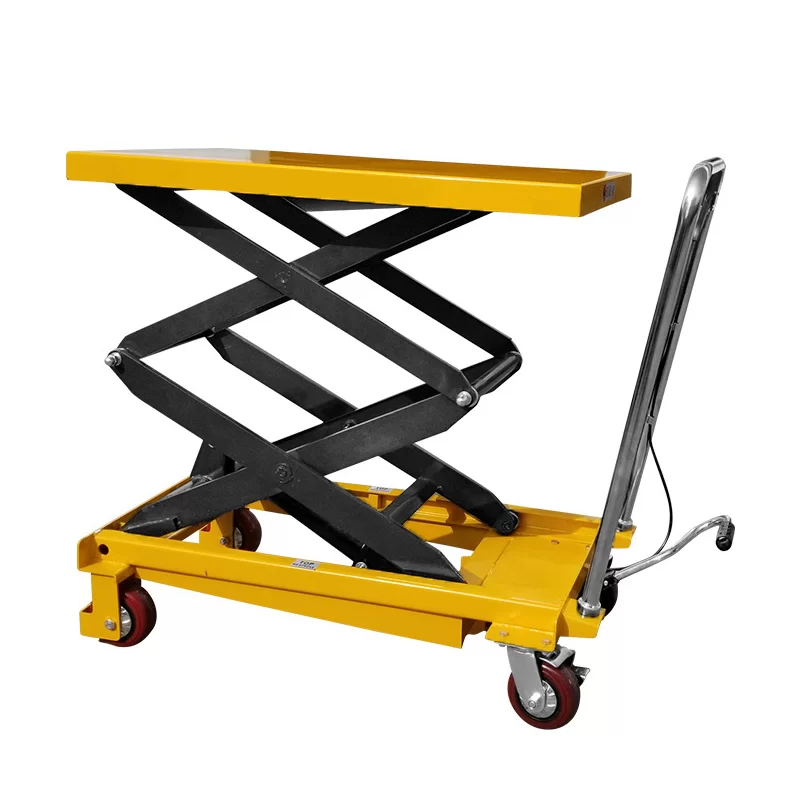 Scissor Table Lift Hydraulic Table Lift
-
 Safe High Performance Steel Wire Rope Hoist Durable Professional Single Girder Electric Wire Rope Hoist
-
 Manual Chain Block 1 Ton Hand Chain Hoist 1ton Chain Pulley Block Heavy Duty Lifting Equipment for Construction Warehouse CE
-
 June 03, 2026Industrial Electric Chain Hoist 2 Ton for Heavy Lifting SafetyIn the demanding world of modern material handling, the electric chain hoist 2 ton stands as a pivotal bridge between manual labor and heavy industrial automation. As warehouses and production lines scale upward, the need for a reliable, mid-capacity lifting solution becomes critical to maintaining operational flow and ensuring workplace safety. Understanding the nuances of these machines allows facility managers to optimize their vertical space while minimizing the physical strain on their workforce. Globally, the adoption of an electric chain hoist 2 ton has surged as SMEs Small and Medium Enterprises seek to upgrade their infrastructure without the astronomical costs of full-scale gantry systems.
-
 April 16, 2026Industrial Lifting Solutions with CD1 electric wire rope hoist
In the modern industrial landscape, efficiency and safety in material handling are non-negotiable. The CD1 electric wire rope hoist emerges as a cornerstone solution for warehouses, workshops, and construction sites worldwide. Designed for versatility and robustness, this hoist simplifies the process of lifting heavy loads vertically, reducing manual labor and minimizing the risk of workplace accidents. Whether you are managing a small garage or a large-scale manufacturing plant, understanding the capabilities of the CD1 model is key to optimizing your operational workflow and ensuring long-term equipment reliability.
-
 April 23, 2026Efficient Lifting with the Micro 50kg Electric Hoist for WorkshopsIn the modern landscape of material handling, the micro 50kg electric hoist has emerged as a pivotal tool for small-scale industrial operations and home workshops. By automating the lifting of moderate loads, these compact devices eliminate the physical strain of manual lifting, significantly reducing workplace injuries and increasing overall operational throughput. Understanding the nuances of these micro-hoists allows businesses to optimize their space and labor efficiency without investing in heavy, oversized machinery. Globally, the demand for lightweight lifting solutions is surging as the maker movement and small-batch manufacturing gain momentum.
-
 October 19, 2026High Quality ce certification heavy duty chain hoist for IndustryWhen selecting industrial lifting equipment for rigorous environments, the balance between raw lifting capacity and safety compliance is paramount. A ce certification heavy duty chain hoist serves as a critical intersection where engineering strength meets European safety standards, ensuring that heavy loads are moved with precision and minimal risk. This guide examines the technical requirements and procurement considerations for high-capacity lifting systems used in global industrial sectors. In sectors such as mining, heavy construction, and automotive manufacturing, the failure of a lifting component can lead to catastrophic operational downtime or safety incidents.
-
 March 25, 2026CD1 Electric Wire Rope Hoist Essential Guide for Modern Lifting Operations
The CD1 electric wire rope hoist – it’s the workhorse of modern lifting, plain and simple. You see these things everywhere on construction sites, in factories, shipyards… anywhere you need to reliably move heavy loads. I’ve spent years watching crews wrestle with inefficient systems, and honestly, a good CD1 hoist is the difference between a smooth operation and a frustrating, time-wasting bottleneck. It's not glamorous, but it's essential. We're talking about safety, efficiency, and ultimately, getting the job done right. The advancements in this tech are subtle, but they add up to huge gains in productivity and reduced risk. What really strikes me, having been on the ground level with so many projects, is how versatile these hoists are. They're not just for lifting materials. They’re crucial in equipment installation, maintenance, and even demolition. I’ve seen them rigged for everything from precise positioning of HVAC units to safely lowering massive generators for repair. The reliability is key - downtime on a job site translates directly into lost money and delayed schedules. That's where a solid, well-maintained CD1 hoist proves its worth.
-
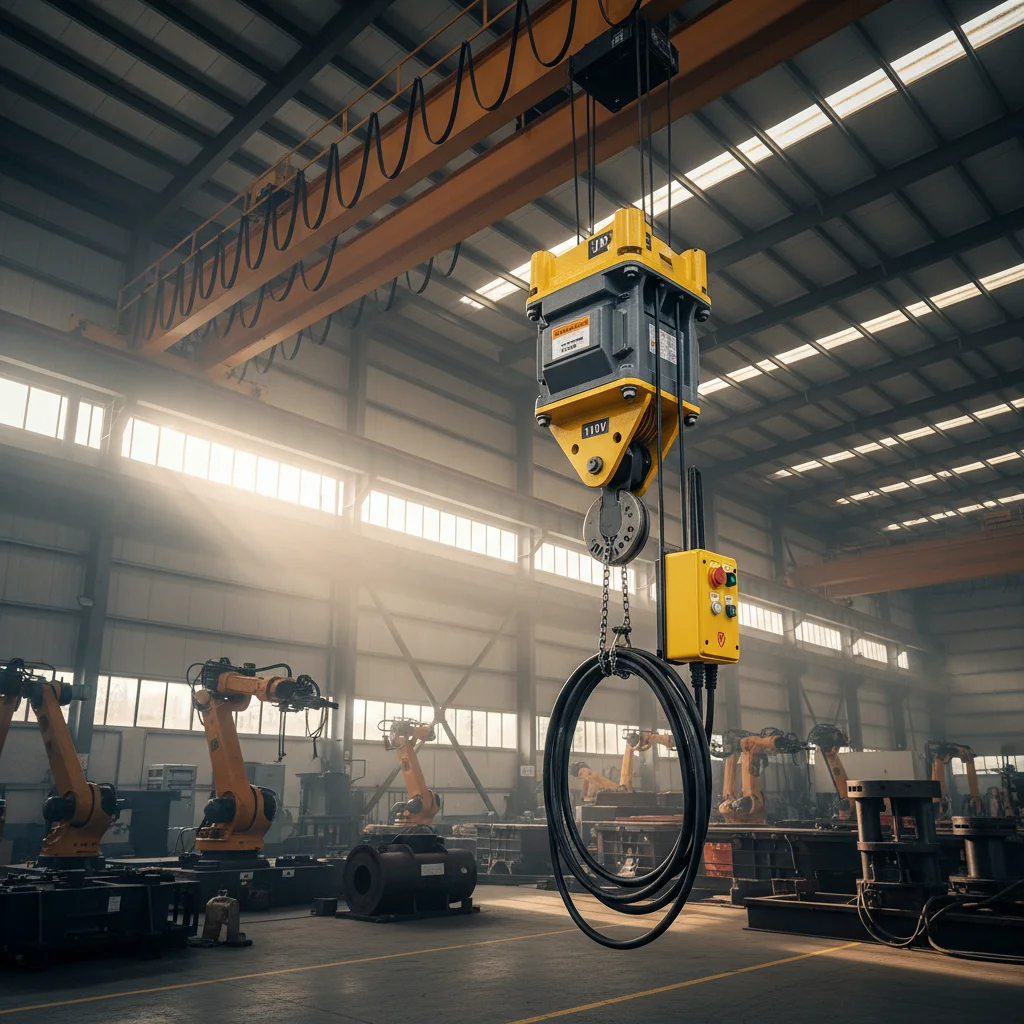 April 06, 2026Comprehensive Guide to 110v Electric Hoist Applications and SafetyThe 110v electric hoist is a critical piece of equipment across a diverse range of industries, offering a safe and efficient solution for lifting and moving materials. From manufacturing facilities and construction sites to warehouses and even personal workshops, its accessibility and relatively low voltage make it a versatile choice. Understanding the nuances of 110v electric hoists – their capabilities, safety features, and applications – is paramount for optimizing operational efficiency and minimizing workplace hazards.
-
 May 01, 2026Industrial 500kg electric hoist for efficient material liftingIn the modern industrial landscape, the efficiency of material handling often dictates the overall productivity of a facility. A 500kg electric hoist serves as a critical bridge between manual labor and heavy-duty industrial cranes, providing a precise, safe, and powered solution for lifting mid-range loads. By automating the vertical movement of materials, businesses can significantly reduce workplace injuries and optimize their operational flow. Globally, the demand for compact lifting solutions has surged as urban warehouses and small-scale manufacturing shops seek to maximize their vertical space. The versatility of a 500kg electric hoist allows it to be integrated into various environments
-
 April 27, 2026Efficient Mini Electric Hoist 500kg for Industrial LiftingIn the modern landscape of material handling, the mini electric hoist 500kg has emerged as a pivotal tool for bridging the gap between manual labor and heavy-duty industrial machinery. By providing a compact yet powerful lifting solution, these devices allow small workshops, warehouses, and home garages to handle significant loads without the need for massive infrastructure. Understanding the utility of a 500kg rated mini hoist is essential for anyone looking to optimize operational efficiency while maintaining a strict focus on workplace safety. Globally, the demand for versatile lifting equipment has surged as urban spaces shrink and the micro-factory trend grows.
Let’s Build Your Ideal Lifting Plan
Get a free quote or consult specs—message us right away!


