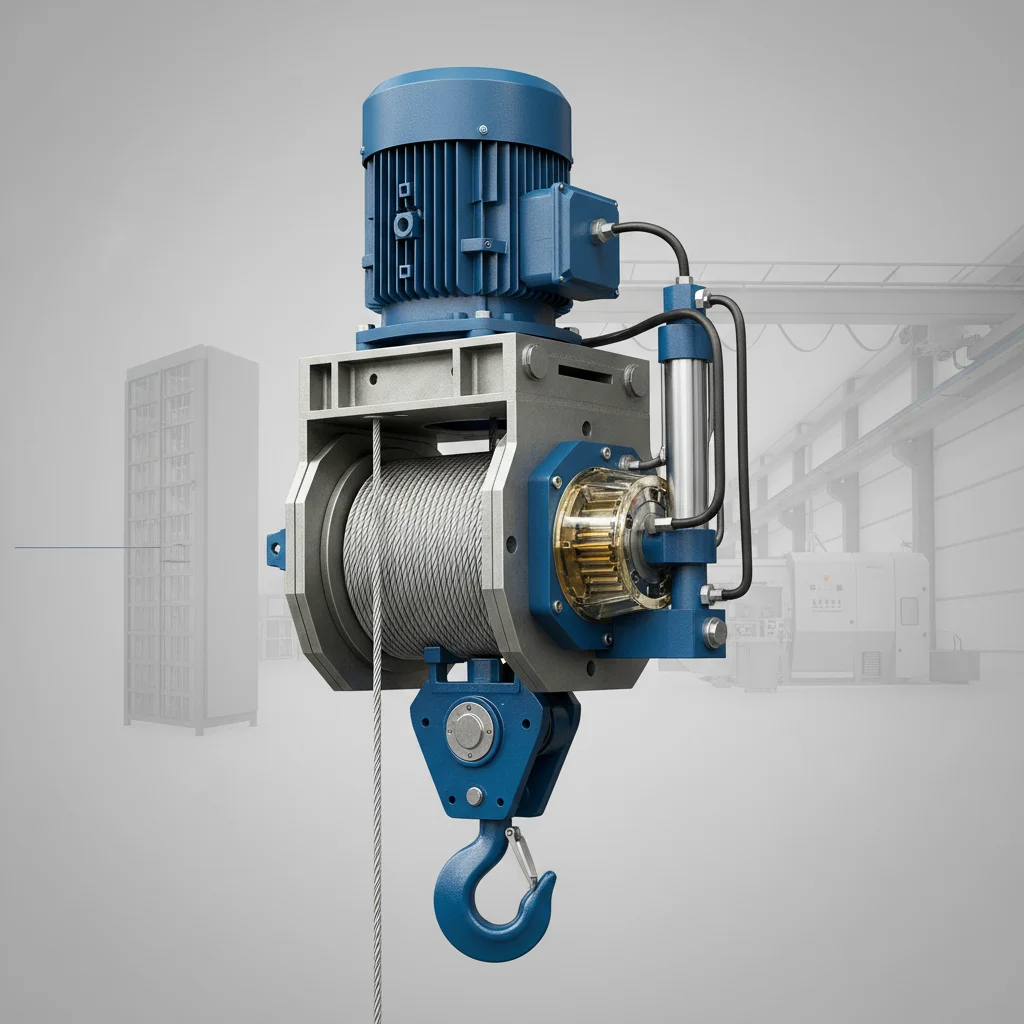
The CD1 electric wire rope hoist – it’s the workhorse of modern lifting, plain and simple. You see these things everywhere on construction sites, in factories, shipyards… anywhere you need to reliably move heavy loads. I’ve spent years watching crews wrestle with inefficient systems, and honestly, a good CD1 hoist is the difference between a smooth operation and a frustrating, time-wasting bottleneck. It's not glamorous, but it's essential. We're talking about safety, efficiency, and ultimately, getting the job done right. The advancements in this tech are subtle, but they add up to huge gains in productivity and reduced risk.
What really strikes me, having been on the ground level with so many projects, is how versatile these hoists are. They're not just for lifting materials. They’re crucial in equipment installation, maintenance, and even demolition. I’ve seen them rigged for everything from precise positioning of HVAC units to safely lowering massive generators for repair. The reliability is key - downtime on a job site translates directly into lost money and delayed schedules. That's where a solid, well-maintained CD1 hoist proves its worth.
And it’s not just about the hoist itself. It's about the whole ecosystem: the wire ropes, the controls, the hook blocks, the proper installation, and ongoing maintenance. Too often, companies try to cut corners, and that’s when things go south. A cheap hoist is a dangerous hoist. Investing in quality and proper training is non-negotiable.
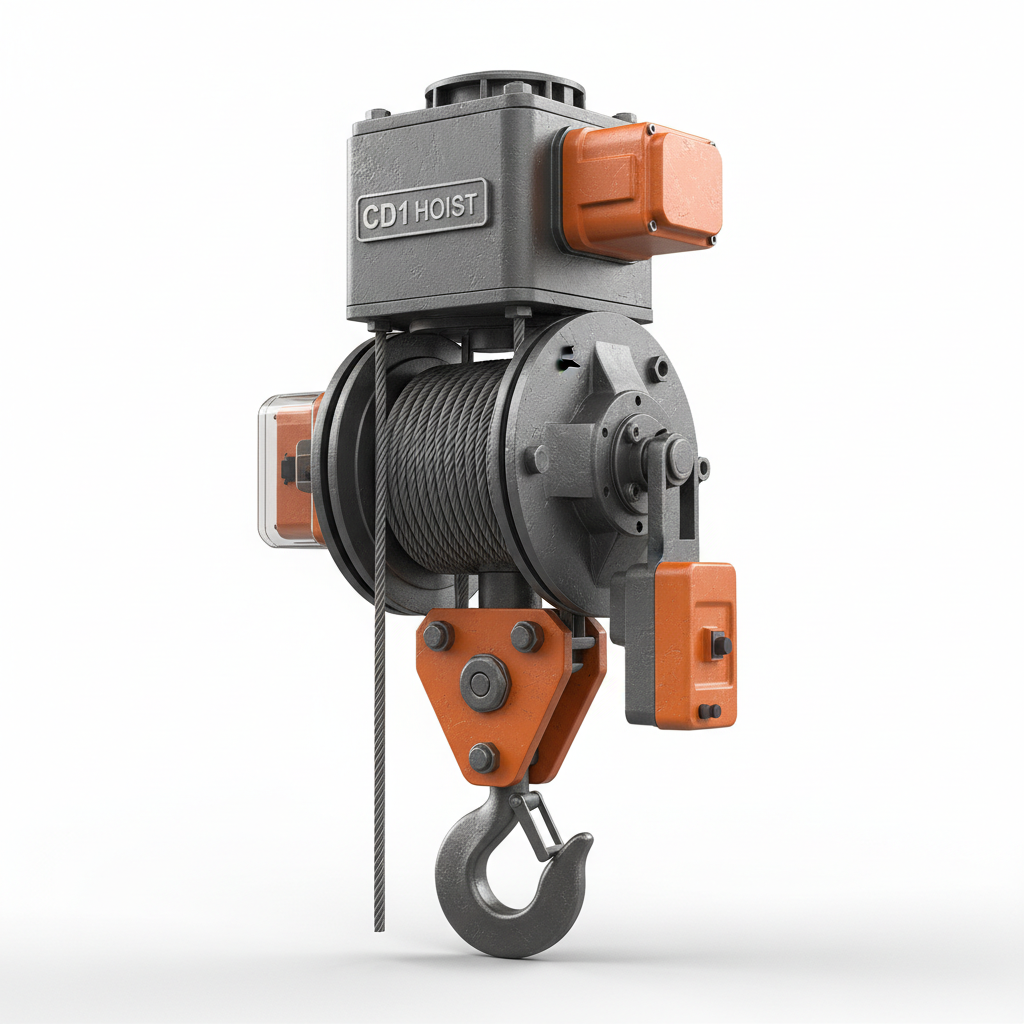
The Essential Role of CD1 Electric Wire Rope Hoists
You see a CD1 hoist, you’re looking at a foundational piece of equipment. It's not flashy, but it’s the engine that keeps a lot of construction and industrial projects moving. I’ve been on sites where they’ve tried to substitute with weaker, less reliable systems, and it always ends up costing more in the long run – delays, safety concerns, and expensive repairs. A robust CD1 hoist is a preventative measure, plain and simple.
The demand for these hoists is directly tied to global economic activity. As construction booms in developing nations, and as manufacturing scales up to meet consumer demand, the need for efficient lifting solutions increases. The UN and World Bank both highlight the critical role of infrastructure development in emerging economies, and a reliable hoisting system is central to that.
Global Relevance and Industry Demand
It's not just construction. Think about ports – moving containers on and off ships requires heavy-duty hoisting. Shipyards, where entire sections of vessels are assembled, are another huge consumer. Even the energy sector, with the installation of wind turbines and power plant equipment, relies heavily on CD1 hoists. ISO standards for lifting equipment are incredibly stringent, and for good reason – safety is paramount.
The challenge is consistently meeting that demand with quality equipment. We’ve seen a rise in cheaper imports that don’t meet necessary safety standards, and that’s a real concern. It's tempting to save a few bucks upfront, but the potential consequences – injuries, project delays, and equipment failure – are far too high a price to pay.
Right now, the biggest demand is coming out of Southeast Asia and parts of Africa, where infrastructure projects are rapidly expanding. But even in mature markets like North America and Europe, the demand remains strong due to ongoing maintenance, upgrades, and new construction.
Defining the CD1 Electric Wire Rope Hoist
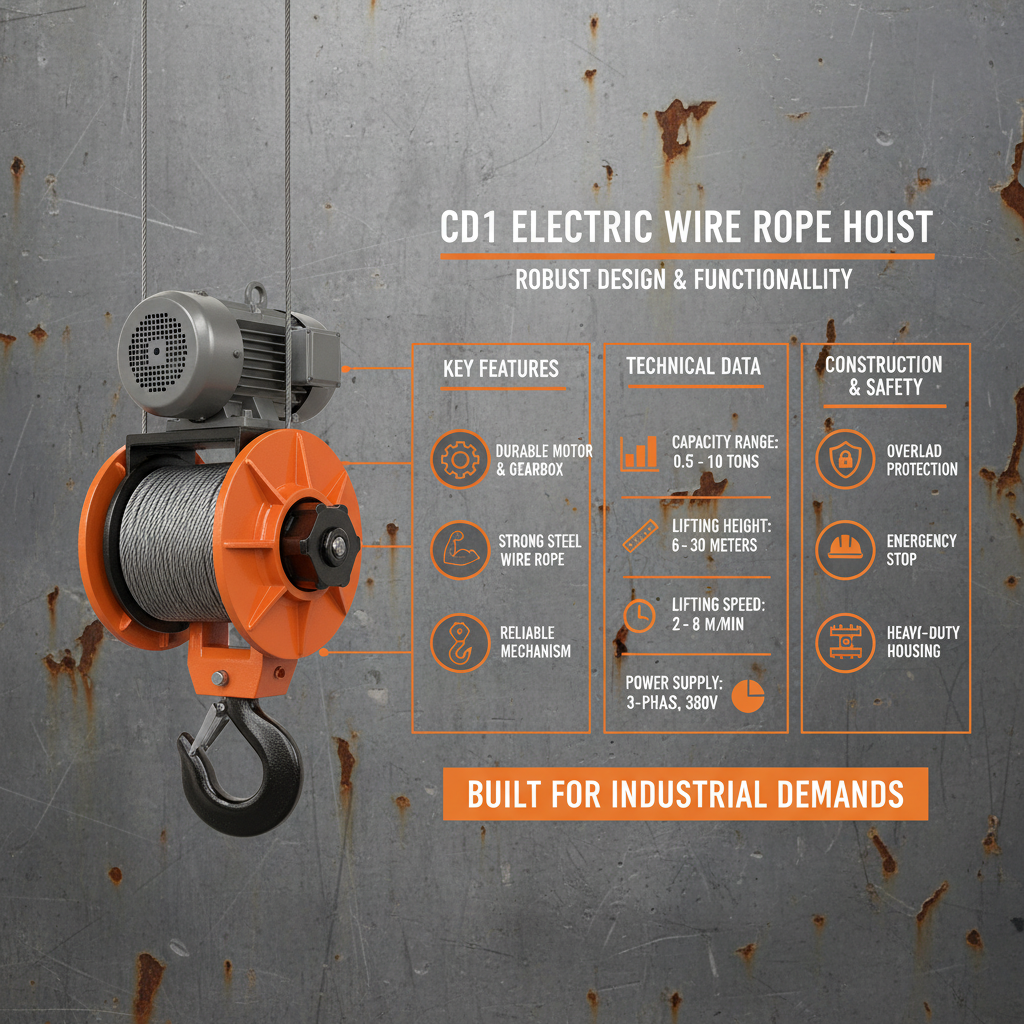
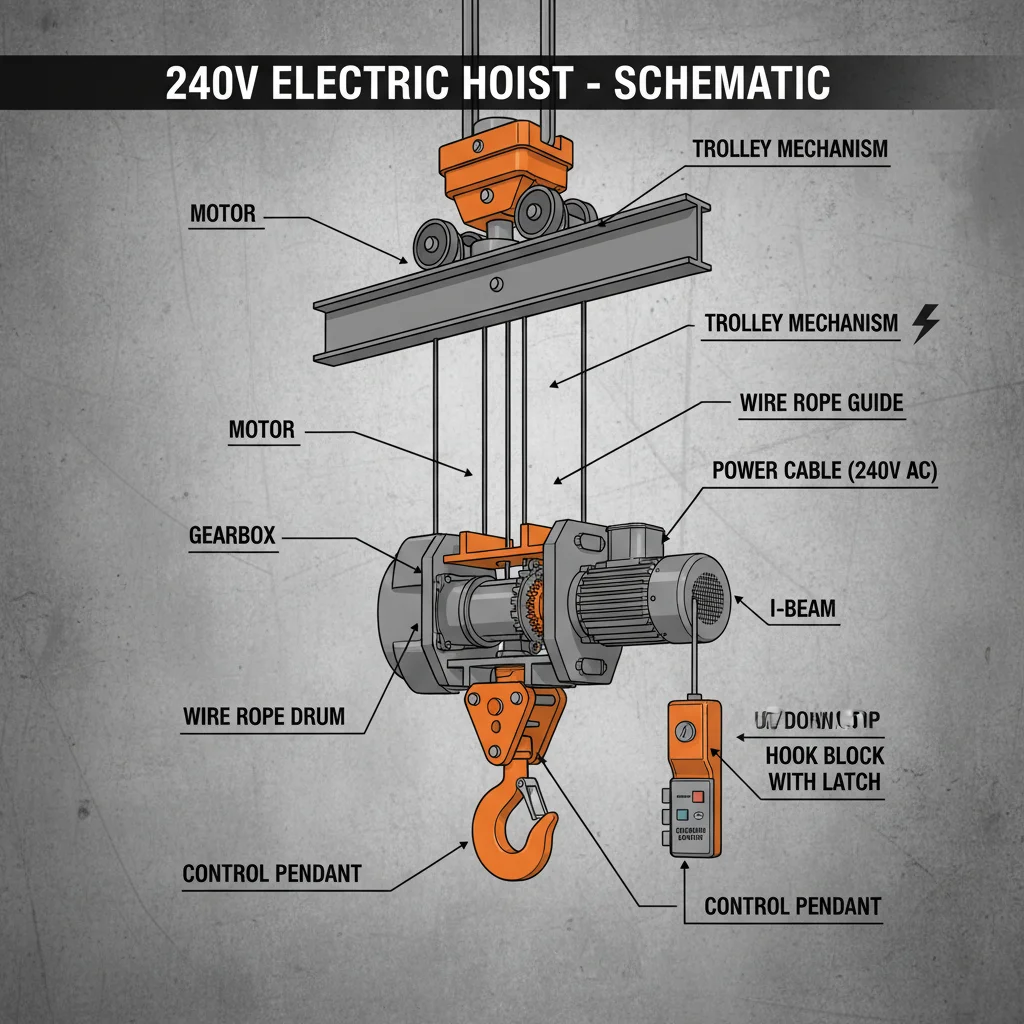
A CD1 electric wire rope hoist is fundamentally a lifting device powered by an electric motor and using a wire rope to raise and lower a load. “CD” refers to the design type - a cylindrical drum hoist with a geared motor. The ‘1’ simply denotes a basic configuration, although there are variations. It's a straightforward concept, but the devil is in the details: the quality of the motor, the strength of the wire rope, the precision of the gears, and the overall build quality all contribute to its performance and longevity.
Its connection to modern industry is undeniable. Without reliable lifting solutions, large-scale manufacturing, construction, and logistics would be impossible. Think about building a skyscraper; it's not feasible to manually lift tons of steel and concrete into place. The CD1 hoist enables the efficiency and scale we see in modern projects.
Even in humanitarian aid, these hoists can play a role, particularly in rebuilding efforts after natural disasters. They’re essential for clearing debris, moving construction materials, and setting up temporary shelters. Reliable equipment is critical when you're operating in challenging environments.
Core Components and Key Factors
Durability is king. These hoists are constantly subjected to stress and strain, so the quality of the materials and construction is paramount. I’m talking about hardened steel gears, high-strength wire ropes, and robust motors. A hoist that can withstand harsh conditions and heavy use is a hoist that will save you money in the long run.
Load Capacity is also crucial. CD1 hoists come in a wide range of capacities, from a few tons to hundreds of tons. Choosing the right capacity for the job is essential for both safety and efficiency. Undersizing a hoist can lead to failure, while oversizing can be unnecessarily expensive and cumbersome.
CD1 Electric Wire Rope Hoist Performance Metrics
Real-World Applications Across Industries
I've seen these hoists in action in countless scenarios. In precast concrete manufacturing, they're used to lift and position massive concrete sections. In the automotive industry, they're integral to assembly line processes, moving heavy components like engines and transmissions. I’ve even seen specialized hoists used in the aerospace industry for handling aircraft parts.
In remote industrial zones – think oil rigs or mining operations – reliability is even more critical. Downtime can be incredibly expensive, and access to repair services may be limited. That’s where a well-built, durable CD1 hoist really pays off.
Long-Term Advantages and Value Proposition
The biggest advantage is reduced lifecycle costs. A high-quality CD1 hoist requires less maintenance and has a longer lifespan than a cheaper alternative. It's an investment that pays dividends over time. Plus, a reliable hoist contributes directly to improved safety on the job site, minimizing the risk of accidents and injuries.
There's also a growing emphasis on sustainability. Newer hoist designs are incorporating energy-efficient motors and braking systems, reducing their environmental impact. Choosing a hoist from a reputable manufacturer demonstrates a commitment to responsible practices.
Future Trends and Innovations in Hoist Technology
We’re seeing a move toward “smart” hoists with integrated sensors and data analytics. These systems can monitor hoist performance, predict maintenance needs, and even alert operators to potential safety hazards. The integration of IoT (Internet of Things) technology is really starting to take hold.
Another trend is the development of variable frequency drives (VFDs), which allow for precise control of hoist speed and torque. This can improve efficiency, reduce wear and tear, and enhance safety. Automated hoisting systems are also becoming more common, particularly in high-volume manufacturing environments.
The push for green energy is also impacting hoist design, with manufacturers exploring the use of more sustainable materials and energy-efficient components. And, as always, safety standards will continue to evolve, driving innovation in braking systems, control mechanisms, and overall hoist design.
Key Considerations for CD1 Electric Wire Rope Hoist Maintenance and Operation
| Maintenance Schedule |
Operator Training Requirements |
Common Failure Points |
Safety Inspection Checklist |
| Monthly visual inspection; Annual professional maintenance. |
Certification required; Refresher courses every 2 years. |
Motor failure; Wire rope fraying; Brake malfunction. |
Check wire rope for wear; Verify brake function; Inspect controls. |
| Lubrication of gears and bearings as needed. |
Understanding load charts; Safe rigging practices. |
Gearbox wear; Electrical connection issues. |
Test emergency stop; Check limit switches; Inspect hook. |
| Replacement of wear parts based on usage. |
Proper signal communication; Hazard awareness. |
Control system errors; Sensor malfunction. |
Verify proper grounding; Inspect wiring; Check for damage. |
| Detailed log of all maintenance activities. |
Safe load handling techniques; Pre-operation checklist. |
Sheave wear; Drum damage; Bearing failure. |
Inspect sheave grooves; Check drum surface; Test bearing play. |
| Regular inspection of wire rope for corrosion. |
Emergency shutdown procedures; Reporting defects. |
Remote control malfunction; Communication interference. |
Test remote control range; Verify signal clarity; Check battery life. |
| Adherence to manufacturer’s recommended guidelines. |
Understanding applicable safety regulations. |
Overload protection failure; Component fatigue. |
Verify overload protection settings; Inspect components for cracks; Document findings. |
FAQS
Honestly, it's skimping on preventative maintenance. These aren't "set it and forget it" machines. Regular inspections, lubrication, and wire rope checks are crucial. I've walked onto sites where hoists haven't been touched in years, and it's a disaster waiting to happen. It’s far cheaper to spend a little on maintenance than to deal with a catastrophic failure and potential injuries. A good preventative schedule is worth its weight in gold.
Always, always overestimate. Never choose a hoist with a capacity that’s right at the limit of your heaviest load. You need a safety margin. Factor in the weight of the load itself, plus any rigging hardware (slings, shackles, etc.). Look at the load charts provided by the hoist manufacturer, and be sure to understand them. If you’re unsure, consult with a qualified lifting engineer.
Look for broken wires, corrosion, kinks, crushed sections, or excessive wear. Even seemingly minor damage can significantly reduce the rope’s strength. Regular visual inspections are key. If you see any of these signs, take the hoist out of service immediately and have the rope inspected by a qualified professional. Don’t gamble with a compromised wire rope.
Absolutely critical. An untrained operator can create a dangerous situation very quickly. Operators need to understand safe rigging practices, load charts, emergency procedures, and how to properly inspect the hoist before each use. Certification programs are available, and I highly recommend investing in them. A well-trained operator is your first line of defense against accidents.
Ideally, store it in a dry, covered location. Protect it from the elements – rain, sun, and extreme temperatures. If the hoist is stored outdoors, cover it with a tarp and apply a corrosion inhibitor. Regularly inspect the hoist even during storage to ensure that no damage occurs. Proper storage extends the life of the equipment.
Look for hoists with overload protection, anti-collision systems, and advanced braking mechanisms. Variable frequency drives (VFDs) allow for more precise control and can reduce stress on the hoist. Remote monitoring capabilities can also provide valuable insights into hoist performance and potential issues. These features add to the cost, but they can significantly improve safety and efficiency.
Conclusion
The CD1 electric wire rope hoist is, and will likely remain, the backbone of countless lifting operations across the globe. It’s not about flashy innovation; it’s about reliable, consistent performance. Investing in quality equipment, prioritizing proper maintenance, and ensuring thorough operator training are the keys to maximizing its benefits and minimizing risks. Ignoring these fundamentals is a recipe for disaster.
Looking ahead, the integration of smart technologies will undoubtedly transform the way we use and maintain these hoists. But even with all the advancements, the core principles remain the same: safety, efficiency, and a commitment to getting the job done right. If you're looking for a reliable lifting solution, start with a solid CD1 electric wire rope hoist.