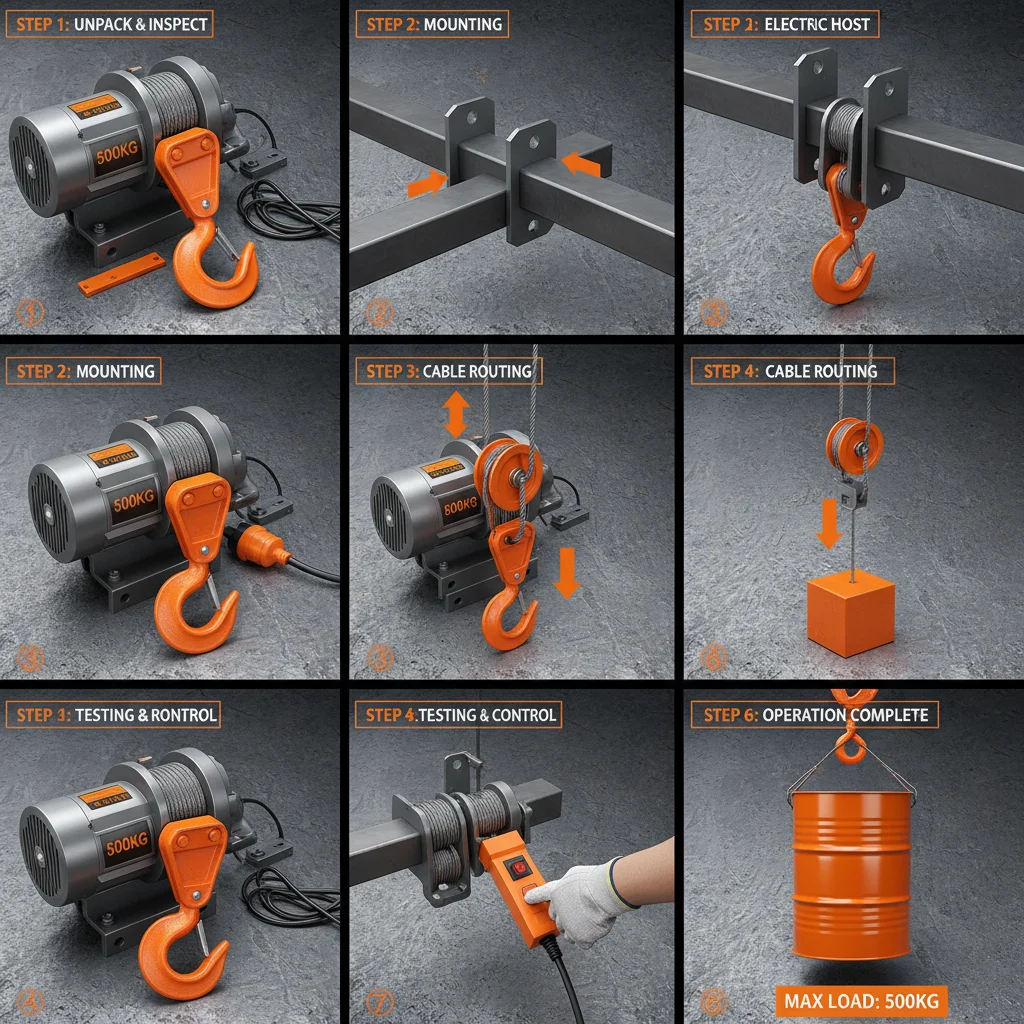
The 500kg electric hoist – it’s the workhorse of so many sites, and frankly, the quality out there varies wildly. After years of seeing hoists struggle, break down, or just plain cause headaches, you learn to appreciate the ones that are built right. It's not about flashy features; it's about reliability. A 500kg electric hoist needs to consistently lift, safely lower, and do it day after day, often in pretty harsh conditions. Too often, projects get held up because of a hoist failure, and that adds up to serious money and frustration. We’re talking about a critical piece of kit, especially on mid-sized construction, maintenance, and even some industrial setups. Understanding the nuances of a good electric hoist 500kg is what separates a smooth operation from a complete standstill.
What I’ve found is that guys often focus too much on initial price and not enough on long-term cost of ownership. A cheap hoist might seem appealing upfront, but the downtime, repairs, and potential safety issues quickly outweigh any savings. And it’s not just about the hoist itself; it’s the quality of the components – the wire rope, the hook, the braking system. All of that needs to be top-notch. I’ve personally pulled guys off jobs because they were using hoists that were frankly dangerous. Safety isn’t something you compromise on, ever. A good electric hoist 500kg is an investment in productivity and, more importantly, in the well-being of the crew.
These days, you're also seeing a demand for more portable and easily maintainable hoists. Sites are getting tighter, logistics are more complex, and crews are often stretched thin. So, something that's easy to set up, move around, and service in the field is a huge plus. It’s about finding the right balance between power, portability, and ease of use. The best ones feel like an extension of the team, not another problem to solve.
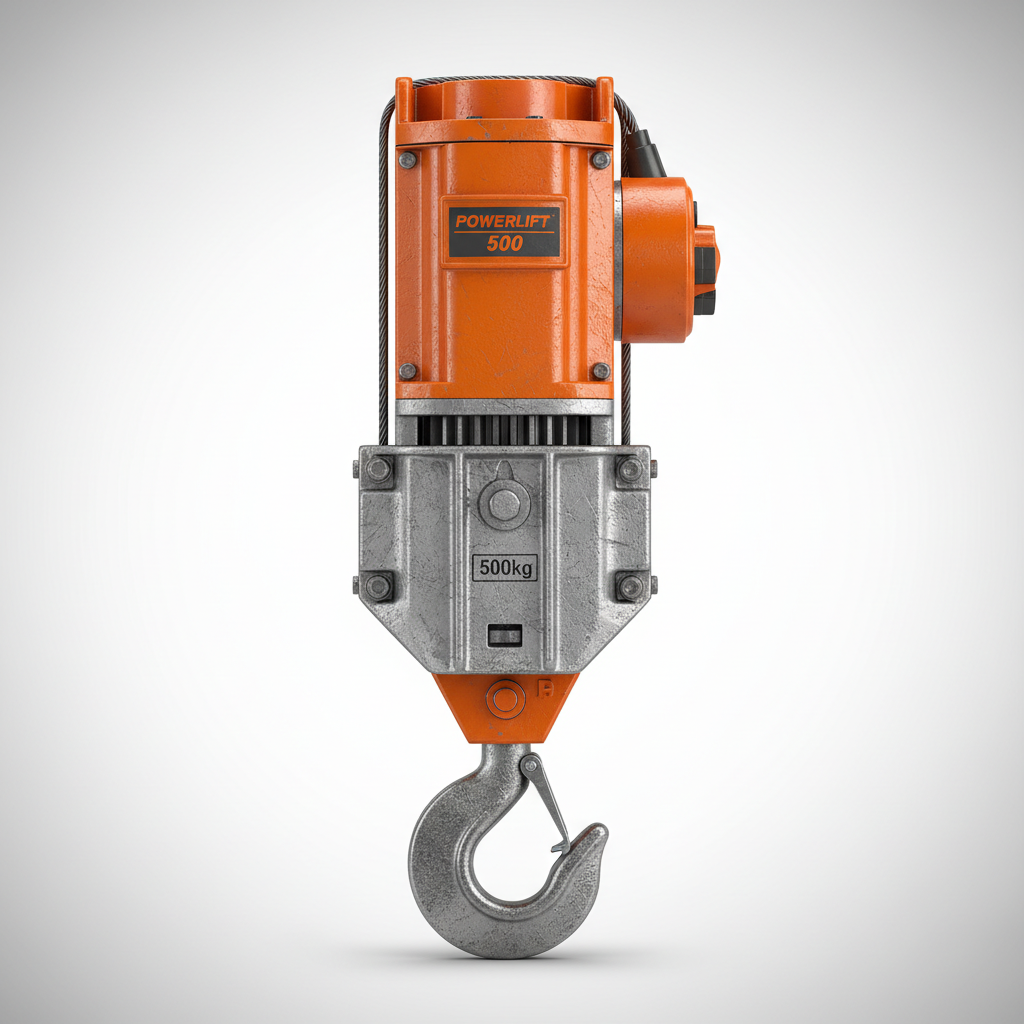
The Importance of a Reliable electric hoist 500kg
Look, a 500kg electric hoist isn’t a glamorous tool. But it’s a necessary one. It's the thing that lifts materials to height, moves equipment, and generally keeps the job moving. Without a reliable hoist, you're looking at delays, increased labor costs, and potentially dangerous situations. You see these things on every job site – construction, manufacturing, even rigging for events. It's a globally used piece of equipment, essential for efficiency and safety, and governed by standards from organizations like ISO. The demand is constant; modern infrastructure projects worldwide rely on these to function.
I've seen firsthand what happens when corners are cut. A hoist that can’t handle the load, or whose braking system is faulty, can lead to serious accidents. It's not just about the financial cost of repairs or replacements; it's about protecting the people on the ground. A dependable electric hoist 500kg is a non-negotiable part of a safe and productive work environment.
Defining the electric hoist 500kg
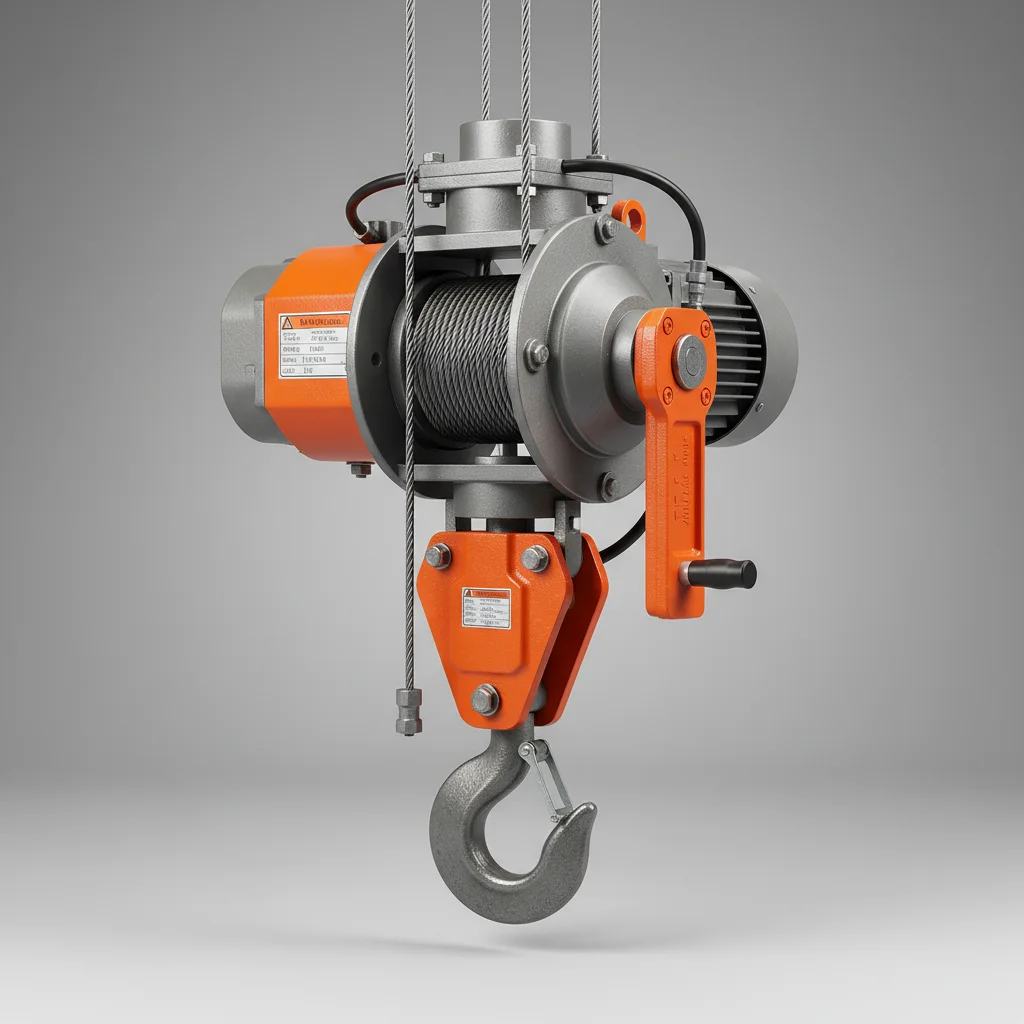
Simply put, a 500kg electric hoist is a mechanical device used to lift or lower a load weighing up to 500 kilograms (about 1100 pounds). It uses an electric motor to drive a lifting medium—typically a wire rope or chain—wrapped around a drum or gear. It’s different from a manual hoist because the lifting is powered, reducing physical strain on the operator.
It's crucial in modern industry and construction because it dramatically increases efficiency and safety compared to manual lifting methods. It's not just about brute force; it’s about controlled movement and precision. In humanitarian aid, these hoists are essential for unloading supplies from trucks and distributing materials to those in need. They allow for quick and effective handling of heavy goods, especially in areas where access is limited.
Understanding the basics is key. A 500kg capacity doesn't mean you can constantly max it out. It’s a safe working load (SWL), and you need to factor in the weight of any rigging equipment, like slings or shackles. Always check the manufacturer's specifications and follow proper safety procedures.
Key Factors for Selecting a 500kg Electric Hoist
Durability: This is paramount. Look for hoists with robust construction, high-quality materials, and a solid reputation for reliability. I always check the gear train—it’s a critical component. A hoist that's built to withstand tough conditions will save you money in the long run.
Safety Features: Overload protection, emergency stop buttons, and a reliable braking system are non-negotiable. The hoist should have clear and visible markings indicating its capacity and safe operating procedures. Proper certifications from organizations like CE or ASME are a good sign.
Ease of Maintenance: Hoists need regular inspection and maintenance. Choose a model that's easy to access for servicing and has readily available replacement parts. A well-maintained hoist is a safe hoist.
Lifting Height and Speed: Consider the specific requirements of your job. Do you need a hoist with a long lifting height? A faster lifting speed? These factors will influence your choice.
Power Supply: Ensure the hoist is compatible with the available power supply on your site. Voltage and frequency requirements are critical.
Global Applications and Use Cases
You’ll find a 500kg electric hoist in use everywhere, from construction sites in booming cities like Shanghai and Dubai to maintenance facilities in remote industrial areas of Canada and Australia. They’re essential for installing HVAC systems, lifting materials to upper floors, and maintaining machinery.
In Europe, they're commonly used in manufacturing plants and workshops for handling tools and components. In post-disaster relief operations around the world, they play a crucial role in unloading aid supplies and clearing debris. For instance, after the earthquakes in Nepal, these hoists were invaluable for getting essential materials to affected areas.
Even in specialized industries like theater and event production, 500kg electric hoists are used for lifting lighting rigs, sound equipment, and stage props. The versatility is what makes them so widely applicable.
Performance Comparison of Different electric hoist 500kg Models
Advantages and Long-Term Value
The upfront cost of a good electric hoist 500kg is an investment, not an expense. The reduced labor costs, minimized downtime, and increased safety all contribute to a significant return on investment over the life of the equipment. It's about efficiency—getting the job done faster and with fewer risks.
From a sustainability standpoint, a durable hoist means fewer replacements, reducing waste and the environmental impact associated with manufacturing. And a safer work environment fosters a sense of trust and well-being among the crew, which is invaluable. Ultimately, choosing the right hoist is about making a smart, long-term decision that benefits everyone involved.
Future Trends and Innovations
We’re seeing more hoists incorporating smart technology – remote monitoring, predictive maintenance, and even automated lifting controls. These features can help identify potential problems before they become major issues and optimize performance.
There’s also a growing focus on energy efficiency, with manufacturers developing hoists that consume less power. And, as battery technology improves, we’re likely to see more cordless, portable hoists entering the market.
Challenges and Solutions
One common challenge is dealing with corrosive environments. On coastal sites or in industries that handle chemicals, hoists are exposed to harsh elements that can accelerate wear and tear. The solution is to choose hoists with corrosion-resistant coatings and materials, and to implement a rigorous maintenance schedule.
Another challenge is ensuring proper training for operators. Incorrect operation can lead to accidents and damage the equipment. Providing comprehensive training and certification programs is essential.
Finally, sourcing genuine replacement parts can sometimes be difficult. Working with a reputable supplier who can guarantee the availability of parts is crucial.
Summary of Common Issues and Solutions for electric hoist 500kg
| Issue |
Root Cause |
Impact |
Solution |
| Corrosion |
Exposure to saltwater or chemicals |
Reduced lifespan, component failure |
Use corrosion-resistant materials, regular cleaning |
| Overload |
Exceeding the SWL |
Equipment damage, safety hazard |
Implement load monitoring systems, operator training |
| Brake Failure |
Wear and tear, lack of maintenance |
Loss of control, potential accidents |
Regular brake inspections and adjustments |
| Wire Rope Damage |
Abrasion, corrosion, kinks |
Reduced lifting capacity, potential breakage |
Regular rope inspections, lubrication, and replacement |
| Motor Overheating |
Excessive use, inadequate ventilation |
Motor failure, downtime |
Proper ventilation, reduce duty cycle, regular maintenance |
| Component Availability |
Discontinued parts, supplier issues |
Prolonged downtime, repair delays |
Establish relationships with reliable suppliers, stock critical spares |
FAQS
A well-maintained 500kg electric hoist can last anywhere from 5 to 15 years, depending on usage and environmental conditions. Regular inspections, lubrication, and timely replacement of worn parts are key to maximizing its lifespan. Factors like corrosive environments and heavy use will shorten the lifespan, while light to moderate use in a protected environment will extend it.
You should conduct visual inspections before each use, looking for any signs of damage, wear, or loose parts. A more thorough inspection, including checking the wire rope, hook, brakes, and motor, should be performed at least every 6 months, or more frequently in heavy-duty applications. Keep detailed records of all inspections.
Overload protection is critical—it prevents you from lifting loads exceeding the hoist's capacity. A reliable braking system is essential for controlled lowering and holding the load securely. Emergency stop buttons provide a quick way to halt operation in case of a problem. Proper guarding around moving parts is also vital to prevent injuries.
Galvanized steel wire rope is a common choice, offering good corrosion resistance and strength. However, for harsh environments, stainless steel wire rope is a better option, though it's more expensive. The wire rope should be properly lubricated to reduce friction and wear. Always replace damaged or worn wire rope immediately.
While some hoists are designed for outdoor use, it's important to check the manufacturer's specifications. Exposure to rain, snow, and extreme temperatures can affect performance and lifespan. If using a hoist outdoors, ensure it's properly protected from the elements and that electrical components are weatherproofed.
Chain hoists use a chain as the lifting medium, while wire rope hoists use a wire rope. Chain hoists are generally more durable and require less maintenance, but they have a shorter lifting height. Wire rope hoists can achieve greater lifting heights but require more frequent inspection and lubrication. The best choice depends on the specific application.
Conclusion
The 500kg electric hoist is a cornerstone of countless industries, from construction to manufacturing and beyond. Its reliability, safety, and efficiency are paramount, and a careful selection process focusing on durability, maintenance, and features is crucial. Investing in a quality hoist isn’t just about lifting weight; it’s about building a safer, more productive, and more sustainable operation.
Looking ahead, we’ll see even more integration of smart technologies and a growing emphasis on energy efficiency. Operators who prioritize regular maintenance, operator training, and adherence to safety standards will reap the long-term benefits of this essential piece of equipment. For more information, and to explore our range of high-quality electric hoist 500kg options, visit our website: www.juyinghoist.com.