In the modern landscape of material handling, the micro 50kg electric hoist has emerged as a pivotal tool for small-scale industrial operations and home workshops. By automating the lifting of moderate loads, these compact devices eliminate the physical strain of manual lifting, significantly reducing workplace injuries and increasing overall operational throughput. Understanding the nuances of these micro-hoists allows businesses to optimize their space and labor efficiency without investing in heavy, oversized machinery.
Globally, the demand for lightweight lifting solutions is surging as the "maker movement" and small-batch manufacturing gain momentum. From boutique automotive garages to specialized laboratory settings, the ability to precisely position a 50kg load is essential for quality control and safety. The integration of a micro 50kg electric hoist ensures that even the smallest workspace can maintain professional-grade lifting standards.
However, selecting the right equipment involves more than just checking the weight capacity; it requires an understanding of duty cycles, power requirements, and safety certifications. This guide explores the technical depth and practical application of the micro 50kg electric hoist, providing a comprehensive roadmap for those seeking to enhance their lifting capabilities with reliability and precision.
Global Relevance of Micro 50kg Electric Hoists
The global shift toward decentralized manufacturing and "micro-factories" has placed a premium on compact, efficient equipment. In many developing economies, where infrastructure may be limited, the micro 50kg electric hoist provides a low-cost entry point for industrialization, allowing small businesses to handle materials that would otherwise require multiple laborers or expensive forklift rentals.
According to industrial safety standards similar to those set by ISO, reducing manual handling of loads over 25kg is critical to preventing chronic musculoskeletal disorders. By implementing a micro 50kg hoist, organizations not only align with global health and safety trends but also optimize their operational speed, making these devices indispensable in a fast-paced global supply chain.
Defining the Micro 50kg Electric Hoist System
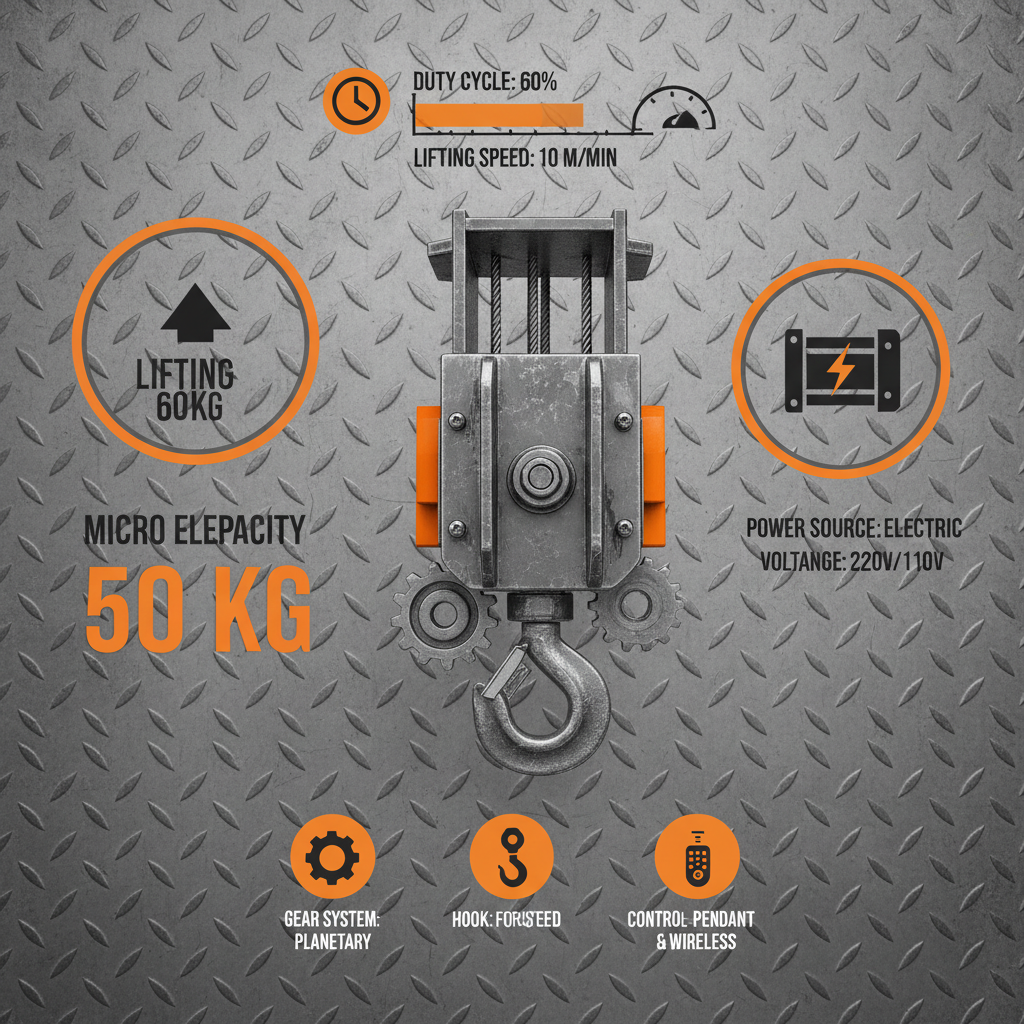
At its core, a micro 50kg electric hoist is a specialized lifting machine designed to move loads up to 50 kilograms vertically using an electric motor and a cable or chain mechanism. Unlike heavy-duty industrial cranes, these units are characterized by their "plug-and-play" nature, often operating on standard single-phase power sources, which makes them ideal for residential garages, retail stockrooms, and small laboratories.
The "micro" designation refers not just to the weight capacity, but to the physical footprint of the device. These hoists are engineered to fit into tight overhead spaces, often utilizing aluminum housings to keep the unit's own weight low while maintaining structural integrity. This compactness allows for rapid installation and the ability to relocate the hoist as the workspace evolves.
In the context of modern humanitarian aid or remote medical clinics, such a device can be the difference between efficient supply management and logistical failure. The ability to lift medical crates or small generators without specialized heavy machinery ensures that critical infrastructure can be maintained in areas where professional contractors are unavailable.
Core Components for Maximum Reliability
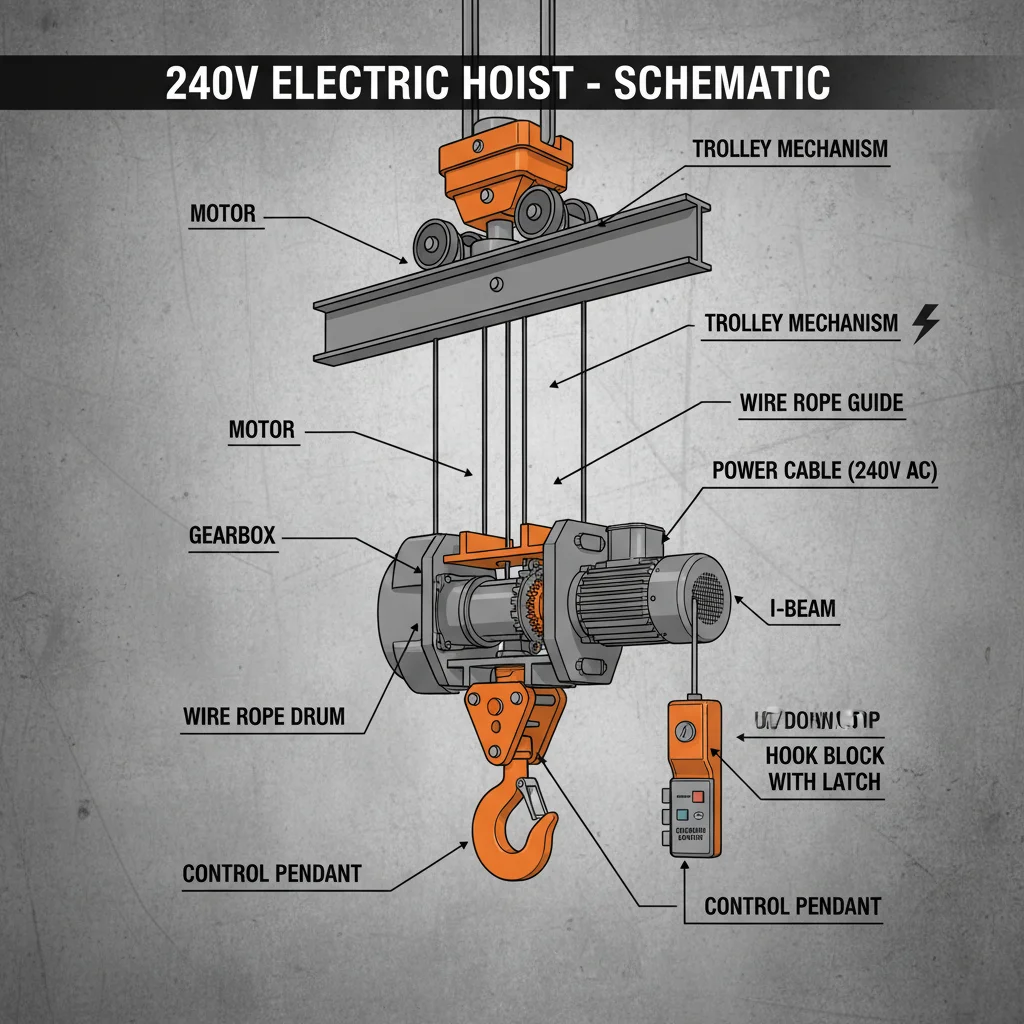
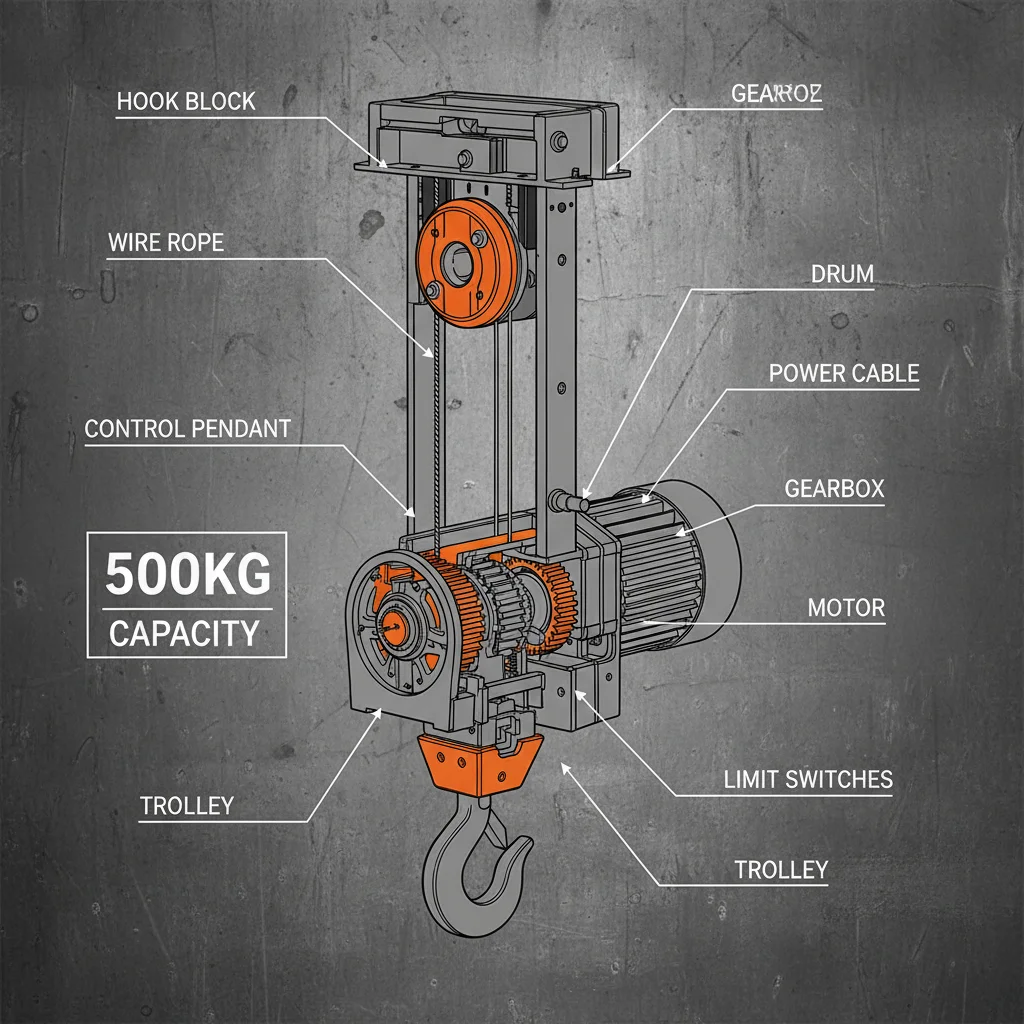
The durability of a micro 50kg electric hoist begins with its motor. High-quality units utilize pure copper winding to ensure efficient heat dissipation and long-term conductivity, which prevents the motor from overheating during repetitive lifting cycles in warm industrial environments.
Another critical element is the braking system. A reliable micro 50kg electric hoist must feature an automatic electromagnetic brake that engages instantly when power is cut. This fail-safe mechanism ensures that the load remains suspended securely, eliminating the risk of accidental drops and providing peace of mind to the operator.
Finally, the lifting medium—whether it be a galvanized steel wire rope or a high-tensile chain—must be rated for capacities well beyond the 50kg limit to provide a necessary safety factor. Combined with a reinforced hook and a precision-engineered gear assembly, these components ensure the hoist operates smoothly without jarring movements.
Performance Metrics and Efficiency Analysis
When evaluating the efficiency of a micro 50kg electric hoist, users must look at the balance between lifting speed and power consumption. A well-optimized hoist provides a steady ascent that minimizes load swing while consuming minimal electricity, reducing the operational cost over the lifetime of the equipment.
The following data illustrates how different configurations of micro-hoists perform across key industrial metrics, highlighting the trade-offs between cost-efficiency and high-performance durability.
Comparative Performance Ratings of Micro 50kg Electric Hoist Models
Global Applications and Real-World Use Cases
In European automotive specialty shops, the micro 50kg electric hoist is frequently used for engine component lifting or installing heavy exhaust systems. Its ability to provide a steady, controlled lift allows mechanics to align parts with millimeter precision, reducing the risk of damaging expensive components and speeding up the repair process.
Conversely, in Southeast Asian urban warehouses, these hoists are often integrated into simple mezzanine systems to move inventory between floors. By utilizing a micro-hoist instead of a manual pulley, warehouse operators can move boxes of electronics or textiles with a single button press, drastically increasing the speed of order fulfillment in high-density commercial zones.
Long-Term Value and Safety Advantages
Investing in a professional micro 50kg electric hoist offers far more than just mechanical convenience; it provides a long-term reduction in liability. By eliminating the need for "team lifting" for 50kg loads, company owners can significantly lower their insurance premiums and reduce the frequency of worker compensation claims related to back injuries.
From a psychological perspective, the presence of reliable lifting equipment fosters a culture of safety and professionalism. Workers feel more confident and less fatigued when they know they have the right tools for the job, leading to higher quality workmanship and lower employee turnover in demanding industrial environments.
Furthermore, the energy efficiency of modern micro-hoists ensures a low total cost of ownership (TCO). With minimal maintenance requirements—mainly periodic lubrication of the gears and inspection of the cable—these units can operate for years, providing a return on investment that far outweighs the initial purchase price.
Future Trends in Micro-Lifting Technology
The future of the micro 50kg electric hoist is leaning heavily toward smart integration and sustainable materials. We are seeing the emergence of IoT-enabled hoists that can track usage cycles and automatically alert the owner when maintenance is due, shifting the paradigm from reactive to predictive maintenance.
Additionally, there is a push toward "green lifting," with the integration of brushless DC motors (BLDC) which offer higher torque-to-weight ratios and significantly lower energy consumption than traditional induction motors. This evolution makes the micro-hoist not only a tool for productivity but a component of a sustainable, energy-conscious facility.
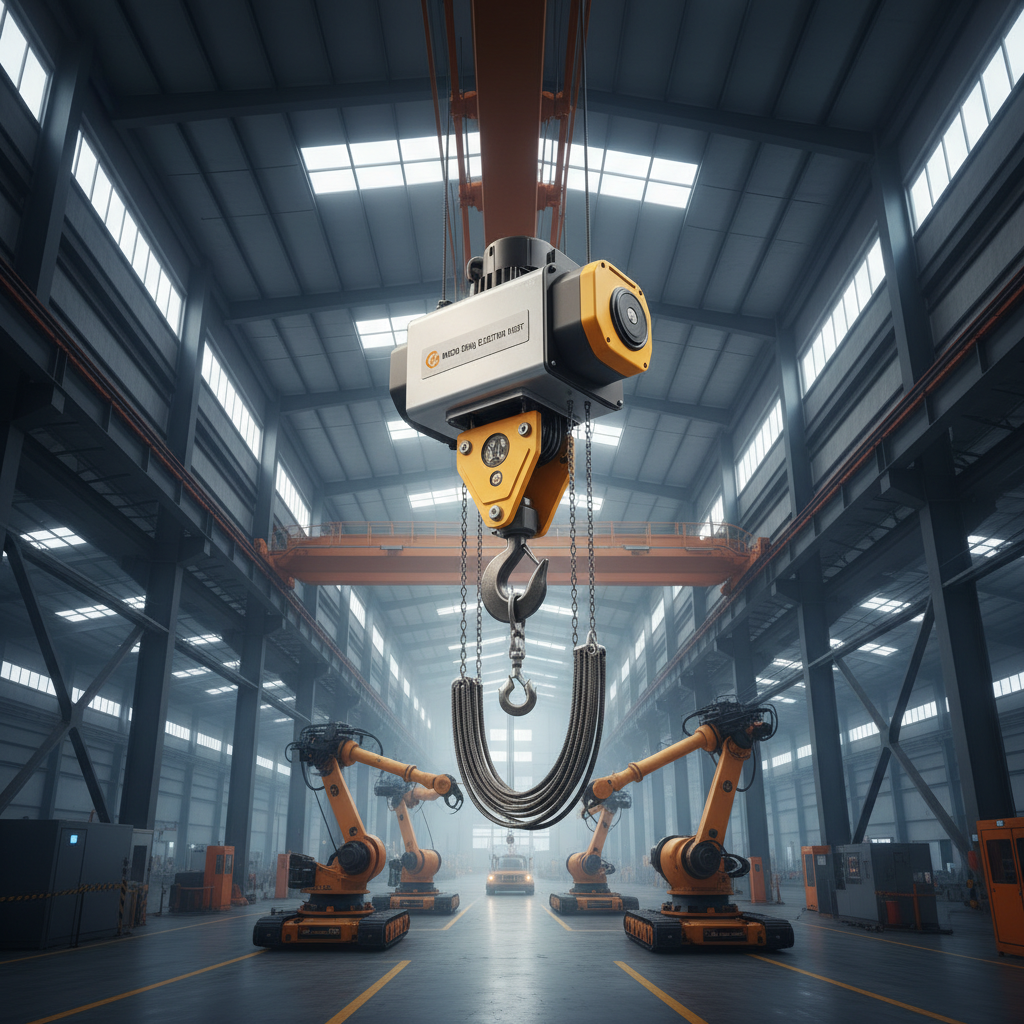
As automation expands, we expect to see these hoists integrated into semi-automated robotic cells, where a micro-hoist handles the vertical movement while a robotic arm handles the lateral positioning. This hybrid approach will further revolutionize small-scale assembly lines.
Technical Comparison of Micro 50kg Electric Hoist Specifications
| Model Series |
Motor Type |
Lifting Speed |
Duty Cycle Rating |
| Eco-Lite 50 |
Single Phase AC |
4-6 m/min |
Low (Home Use) |
| Pro-Lift 50 |
Induction Copper |
8-10 m/min |
Medium (Workshop) |
| Industrial-X 50 |
Heavy Duty AC |
12 m/min |
High (Factory) |
| Smart-Sync 50 |
Brushless DC |
Variable Speed |
High (Precision) |
| Compact-A 50 |
Standard AC |
5 m/min |
Medium (Retail) |
| Titan-Mini 50 |
Reinforced AC |
7 m/min |
Medium (General) |
FAQS
It depends on the duty cycle of the specific model. Entry-level micro hoists are designed for intermittent use; continuous operation can lead to motor overheating. For all-day industrial use, we recommend models with a "High" duty cycle rating and integrated thermal overload protection to ensure the motor is automatically shut off if it gets too hot, preserving the life of the machine.
The most critical check is the inspection of the lifting cable or chain for signs of fraying, kinking, or corrosion. Even a small break in a wire rope can compromise the entire load capacity. Additionally, always test the automatic brake with a light load before performing a full-capacity lift to ensure the hoist holds the weight securely without slipping.
Most micro 50kg electric hoists are designed to operate on standard domestic 110V or 220V single-phase power. However, it is highly recommended to use a dedicated circuit or a high-quality surge protector to avoid voltage drops that could affect the motor's performance or trigger the safety shut-off during heavy lifts.
Wire rope hoists typically offer smoother movement and faster lifting speeds, making them ideal for light assembly or retail use. Chain hoists are generally more durable in harsh environments (like dusty garages or outdoors) and are often easier to maintain. Consider your environment: choose wire for precision and chain for ruggedness.
While using a block-and-tackle system can technically increase the lifting capacity through mechanical advantage, this is not recommended for electric hoists unless the manufacturer explicitly supports it. Adding external pulleys can change the cable angle, causing the rope to rub against the hoist housing or overloading the motor's torque limits.
For moderate use, a quarterly inspection is standard. This includes lubricating the gear assembly, checking the tightness of all mounting bolts, and inspecting the hook for any deformation. In high-intensity environments, monthly checks are advised to ensure the safety of operators and the longevity of the equipment.
Conclusion
The micro 50kg electric hoist represents the perfect intersection of accessibility and industrial power. By automating the lifting of moderate loads, it addresses the critical need for safety and efficiency in small-scale operations, providing a tangible solution to the challenges of manual material handling. From its core copper-wound motors to the future of IoT integration, the micro-hoist continues to evolve, ensuring that businesses of all sizes can operate with professional precision and reduced physical risk.
As we move toward a more automated and sustainable industrial future, investing in the right lifting equipment is no longer a luxury but a necessity for growth. We encourage business owners and hobbyists alike to prioritize quality certifications and safety features when selecting their gear. To find the perfect lifting solution tailored to your specific needs, visit our website: www.juyinghoist.com.