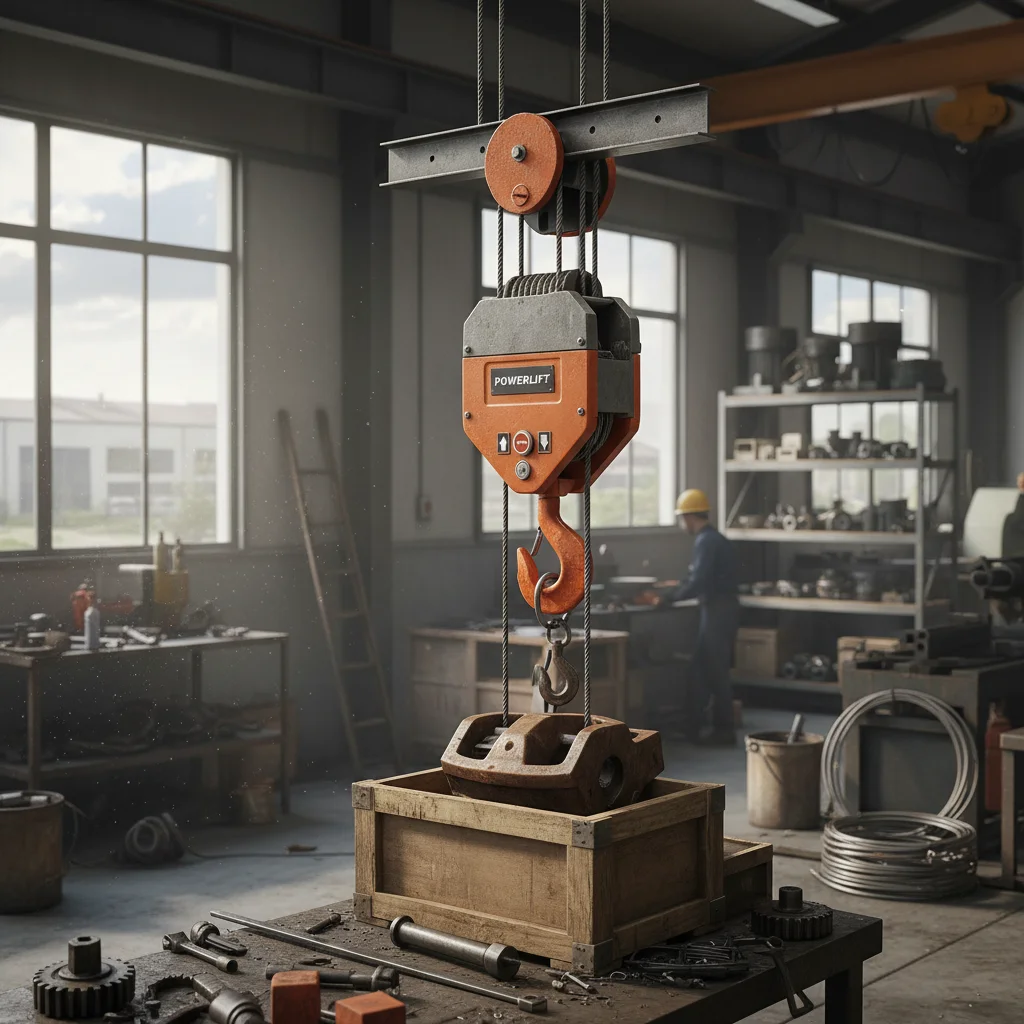
In the fast-paced environment of modern logistics and construction, the demand for efficient, compact lifting solutions has never been higher. A small electric hoist serves as a critical bridge between manual labor and heavy industrial machinery, providing a versatile means of moving materials with precision and minimal physical exertion. By integrating electrical power with robust mechanical design, these devices empower small businesses and home workshops to handle loads that would otherwise require a full crew.
Globally, the adoption of light-duty electric lifting equipment has seen a surge as urban workspaces become more constrained and the need for "just-in-time" material handling grows. Whether it is in a boutique automotive garage or a small-scale manufacturing plant, the ability to lift loads vertically with a simple push of a button increases operational throughput and significantly reduces the risk of workplace injuries associated with manual lifting.
Understanding the nuances of selecting the right small electric hoist is not just about checking the weight capacity; it is about evaluating duty cycles, safety certifications, and installation flexibility. This guide explores the technical landscape, practical applications, and future trends of these essential tools to help users maximize their productivity while maintaining the highest safety standards.
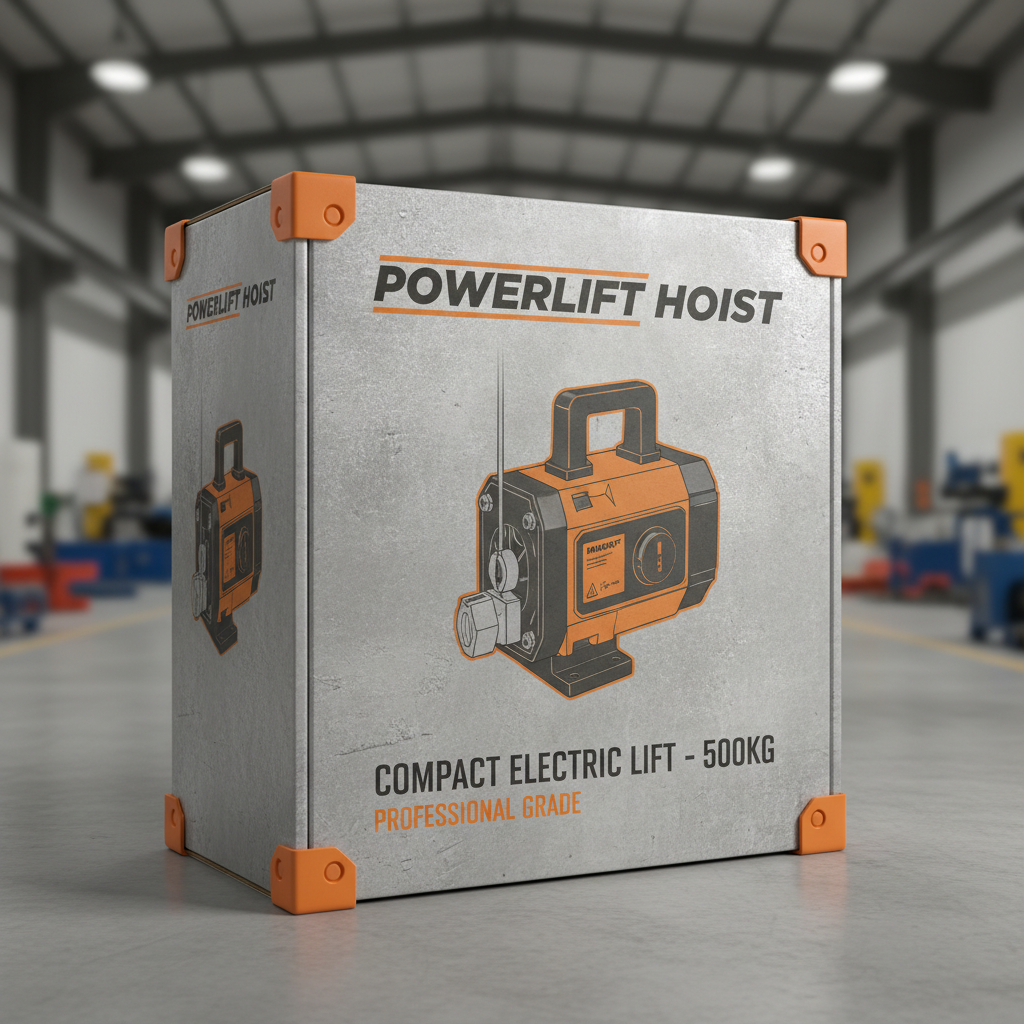
Global Industry Context of Small Electric Hoists
The global market for material handling equipment has shifted toward miniaturization and electrification. According to international industrial trends and ISO safety standards, there is a marked increase in the deployment of light-duty lifting gear in emerging economies. The small electric hoist has become a staple in these regions, solving the challenge of "last-meter" vertical transport where large cranes are impractical and manual hoisting is dangerous.
In developed markets, the focus has shifted toward E-E-A-T (Experience, Expertise, Authoritativeness, and Trustworthiness) in equipment procurement. Companies are no longer looking for the cheapest option but for hoists that comply with strict CE or ASME standards. This evolution ensures that small-scale lifting operations can scale up without compromising worker safety or operational uptime, making the small electric hoist a cornerstone of modern lean manufacturing.
Defining the Modern Small Electric Hoist
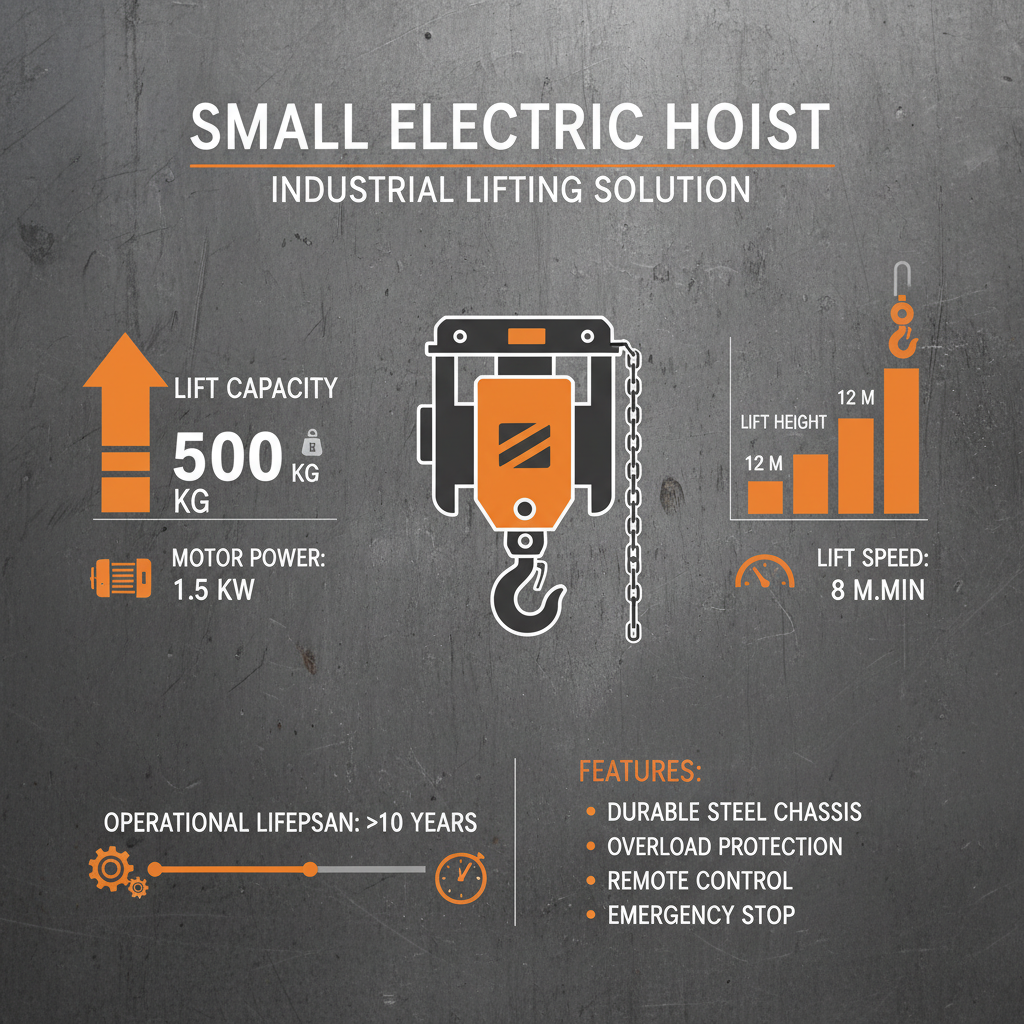
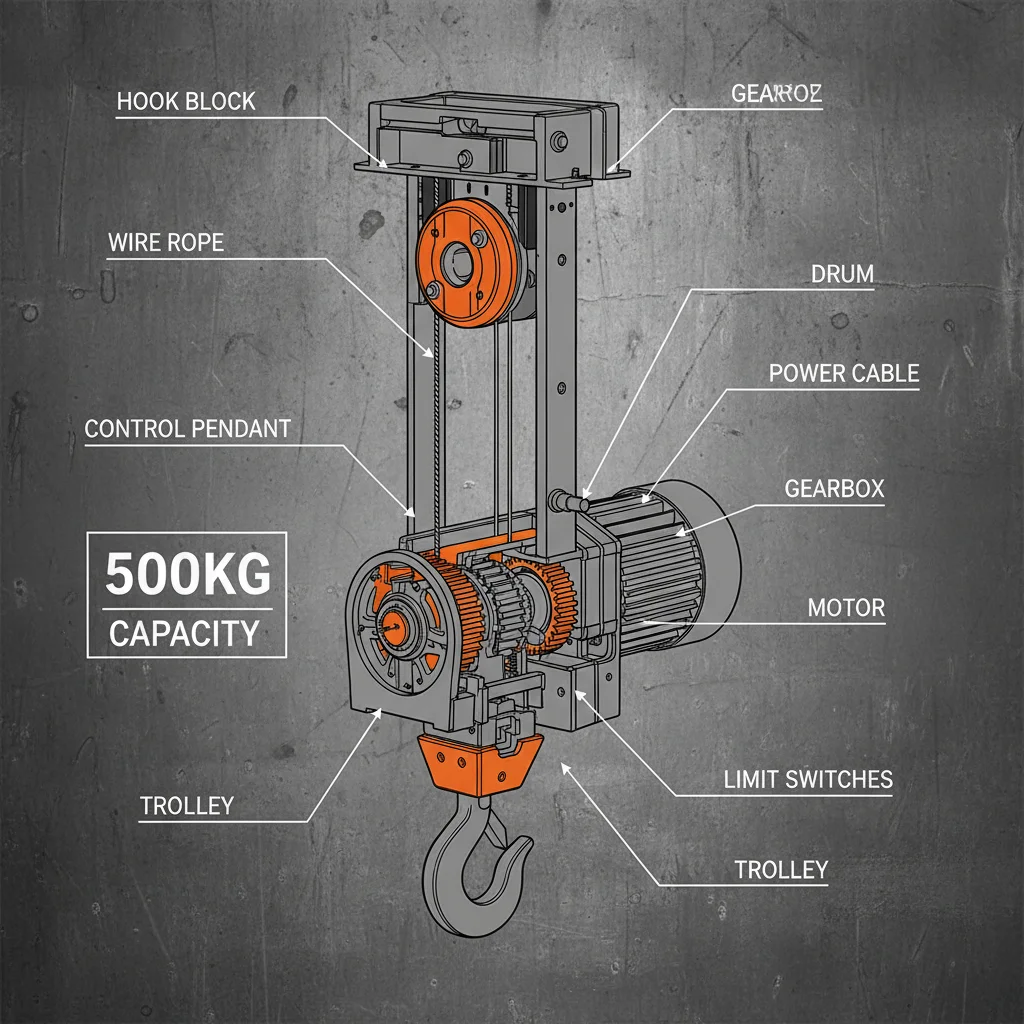
At its core, a small electric hoist is a motorized device used to lift and lower loads vertically using a drum or sprocket mechanism powered by an electric motor. Unlike heavy-duty industrial gantry cranes, these units are designed for portability and ease of installation, often featuring capacities ranging from 125kg to 2000kg. They typically utilize either steel wire rope or high-strength alloy chains to facilitate the movement of goods.
Beyond the mechanical definition, these devices represent a shift toward decentralized power in the workplace. By providing localized lifting capabilities, they eliminate the need for centralized heavy machinery, allowing workshops to be reorganized for better flow. This flexibility is essential for modern "micro-factories" and artisanal studios that require industrial-grade power in a compact footprint.
The connection to humanitarian and emergency needs is also significant. In disaster-relief scenarios, where infrastructure is damaged, a lightweight small electric hoist can be quickly deployed to move medical supplies, water filters, or construction materials into elevated areas, proving that these tools are as vital for crisis management as they are for commercial profit.
Key Factors for High-Performance Lifting
Durability is the foremost consideration when selecting a small electric hoist. High-quality units employ hardened steel gears and wear-resistant brake systems to ensure that the hoist does not slip under load. The casing is often treated with anti-corrosive coatings, allowing the equipment to operate in humid garage environments or dusty warehouses without premature degradation of the internal motor.
Cost-efficiency is achieved not through the lowest purchase price, but through the lowest Total Cost of Ownership (TCO). A professional small electric hoist reduces labor costs by automating the lifting process and minimizes downtime through a design that allows for easy part replacement. When the energy consumption of the motor is optimized, the long-term operational costs remain negligible compared to the productivity gains.
Scalability and versatility allow a single small electric hoist to adapt to various tasks. From utilizing a PA mini hoist for home workshops to deploying a CD1 wire rope hoist for light industrial assembly, the ability to match the hoist type to the specific load profile is key. Modern designs often include adjustable lifting speeds and optional trolleys, enabling the hoist to move loads both vertically and horizontally across a beam.
Global Applications and Use Cases
In the automotive sector, the small electric hoist is indispensable for engine removals and transmission swaps. Garages across Europe and North America utilize these hoists mounted on I-beams to safely lift heavy components without risking the technician's spine. This application emphasizes the need for precision control, where slow, steady movements are prioritized over raw speed.
In remote industrial zones, such as mining camps in Australia or agricultural hubs in Brazil, these hoists are used for maintaining equipment in the field. Because they can be powered by portable generators or solar-battery arrays, they provide a reliable lifting solution where permanent electrical infrastructure is absent. For example, in post-disaster relief operations, they are used to hoist heavy debris or lift structural beams for temporary shelters.
Efficiency Comparison of Small Electric Hoist Types
Long-Term Value and Safety Advantages
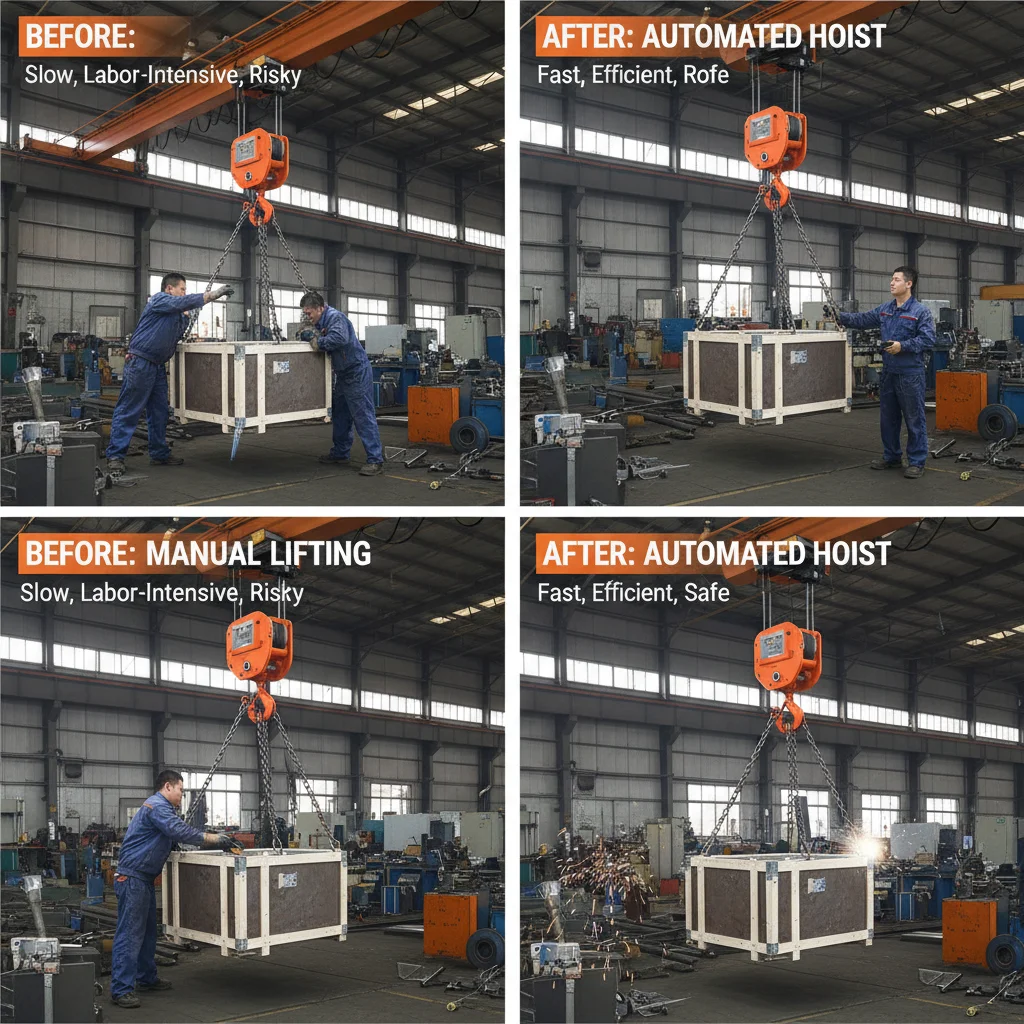
The primary long-term value of investing in a professional small electric hoist is the mitigation of risk. Manual lifting is one of the leading causes of occupational musculoskeletal disorders. By automating the vertical move, companies not only protect their employees' health but also avoid costly workers' compensation claims and lost productivity. The peace of mind that comes from a certified fail-safe brake system is an emotional and logical win for any business owner.
Furthermore, the sustainability aspect cannot be overlooked. Modern electric hoists are designed with energy-efficient motors that reduce the carbon footprint of a warehouse. Compared to hydraulic systems that may leak fluid or gas-powered lifts that emit pollutants, the small electric hoist offers a clean, quiet, and sustainable alternative that aligns with global green energy initiatives.
Future Innovations in Electric Hoisting
The future of the small electric hoist lies in the integration of Smart IoT (Internet of Things) technology. We are seeing the emergence of "intelligent hoists" that can monitor their own wear and tear in real-time. These devices can alert operators when the chain needs lubrication or when the wire rope has reached its fatigue limit, shifting maintenance from a reactive to a predictive model.
Digital transformation is also bringing variable frequency drives (VFD) to smaller units. This allows for "soft start" and "soft stop" functionality, which prevents the load from jarring when the motor engages. This is particularly critical for fragile loads or high-precision assembly work, where a sudden jerk could result in product damage or instability.
Additionally, the move toward cordless, battery-powered small electric hoists is gaining momentum. Utilizing high-density lithium-ion batteries, these units provide the same torque as corded models but remove the tripping hazard of long extension cords, making them ideal for dynamic environments like construction sites and temporary event setups.
Common Challenges and Expert Solutions
One common challenge users face with a small electric hoist is "overloading," which can lead to motor burnout or catastrophic failure. The expert solution is the implementation of automatic overload protection devices. High-end models now include sensors that cut power immediately if the weight exceeds the rated capacity, ensuring that the equipment and the operator remain safe.
Another frequent issue is the improper installation of the mounting hook or beam, which can cause the hoist to tilt or slide. To overcome this, professionals recommend using certified lifting beams and ensuring that the mounting point is rated for at least 1.5 times the maximum load of the hoist. Proper alignment not only extends the life of the hoist but also ensures a perfectly vertical lift.
Lastly, maintenance neglect often leads to "chain stretch" or rope fraying. The solution is a strict adherence to a preventative maintenance schedule. By implementing a monthly inspection checklist—checking for lubrication, testing the limit switches, and inspecting the hook for deformation—operators can ensure their small electric hoist remains a reliable asset for years.
Comparative Analysis of Small Electric Hoist Performance Parameters
| Hoist Type |
Load Capacity (Score 1-10) |
Installation Ease (Score 1-10) |
Durability Rating (Score 1-10) |
| PA Mini Hoist |
4 |
10 |
5 |
| CD1 Wire Rope Hoist |
8 |
7 |
8 |
| Electric Chain Hoist |
9 |
6 |
9 |
| Aluminum Winch |
5 |
9 |
6 |
| Electric Hoist w/ Clutch |
7 |
7 |
8 |
| Heavy-Duty Compact Hoist |
10 |
5 |
10 |
FAQS
A small electric hoist is specifically designed for vertical lifting, typically featuring a hoist mechanism that ensures the load remains stable as it moves up and down. An electric winch, while similar, is often used for pulling or dragging loads horizontally or at an angle. While some winches can lift, hoists have specialized safety brakes to prevent the load from falling if power is lost, making them safer for overhead lifting.
It depends on the "duty cycle" of the hoist. Most small electric hoists are designed for intermittent use (light to medium duty). If you use them continuously without breaks, the motor can overheat. For heavy industrial use, you should look for a hoist with a higher duty class (e.g., FEM or ISO classes) and an integrated cooling fan to prevent burnout during long shifts.
Always calculate the maximum possible weight of your load and add a safety margin of at least 20%. For example, if your heaviest object is 400kg, a hoist with a 500kg capacity is ideal. Never exceed the rated capacity of your small electric hoist, as this can compromise the structural integrity of the hoist and the mounting beam, leading to dangerous accidents.
Regular maintenance includes lubricating the chain or wire rope to prevent friction and rust, inspecting the hook for any signs of opening or cracking, and testing the limit switches to ensure the hoist stops at the correct height. We recommend a professional inspection every six months to ensure the braking system and electrical components are functioning according to safety standards.
Not if you have a proper structural support. Most small electric hoists can be bolted to a steel I-beam or a heavy-duty reinforced wooden beam. The most critical part of installation is ensuring the mounting point can support the total weight of the hoist plus the maximum load. Many users opt for a trolley system to allow the hoist to slide along the beam for better coverage.
Unless the hoist is specifically rated with an IP (Ingress Protection) rating for outdoor use (such as IP54 or IP65), it should not be used in rain or high-moisture environments. Water can enter the motor and electrical housing, causing short circuits or corrosion. For outdoor applications, always use a weather-protected cover or purchase a hoist specifically designed for outdoor industrial environments.
Conclusion
In summary, the small electric hoist is an essential tool that blends mechanical power with compact design to solve the universal challenge of vertical material handling. From enhancing safety in the automotive garage to providing critical lifting capabilities in remote industrial zones, these devices offer immense value by reducing physical strain, increasing operational efficiency, and lowering long-term labor costs. By focusing on key factors such as durability, duty cycles, and proper installation, users can transform their workspace into a more productive and safer environment.
Looking ahead, the integration of IoT and sustainable energy will continue to push the boundaries of what these compact machines can achieve. For any business looking to optimize its workflow, investing in a high-quality lifting solution is not just a purchase, but a commitment to operational excellence and worker wellbeing. We encourage you to evaluate your current lifting needs and upgrade to a system that guarantees safety and reliability. Visit our website: www.juyinghoist.com