The global demand for efficient and reliable lifting solutions is ever-increasing, fueled by expanding infrastructure projects, manufacturing growth, and the need for safe material handling. At the heart of many of these operations lies the humble yet vital Single phase electric hoist – a versatile tool designed to lift and move materials with precision and control. Understanding its capabilities and applications is crucial for industries seeking optimized productivity and safety.
Single phase electric hoist solutions represent a significant advancement over traditional manual lifting methods. They offer increased lifting capacity, reduced physical strain for operators, and improved overall efficiency. The accessibility of single-phase power makes these hoists particularly well-suited for a wide range of environments, from small workshops to large-scale construction sites.
As businesses continue to prioritize workplace safety and operational effectiveness, the adoption of electric hoists, especially those powered by readily available single-phase electricity, is projected to grow substantially. This growth will be driven by technological innovations, stricter safety regulations, and a global emphasis on lean manufacturing practices.
The Importance of Single Phase Electric Hoists
In today's fast-paced industrial landscape, efficiency and safety are paramount. Single phase electric hoists play a crucial role in streamlining material handling processes across diverse industries. From manufacturing plants to construction sites, these devices provide a reliable and cost-effective solution for lifting and positioning loads.
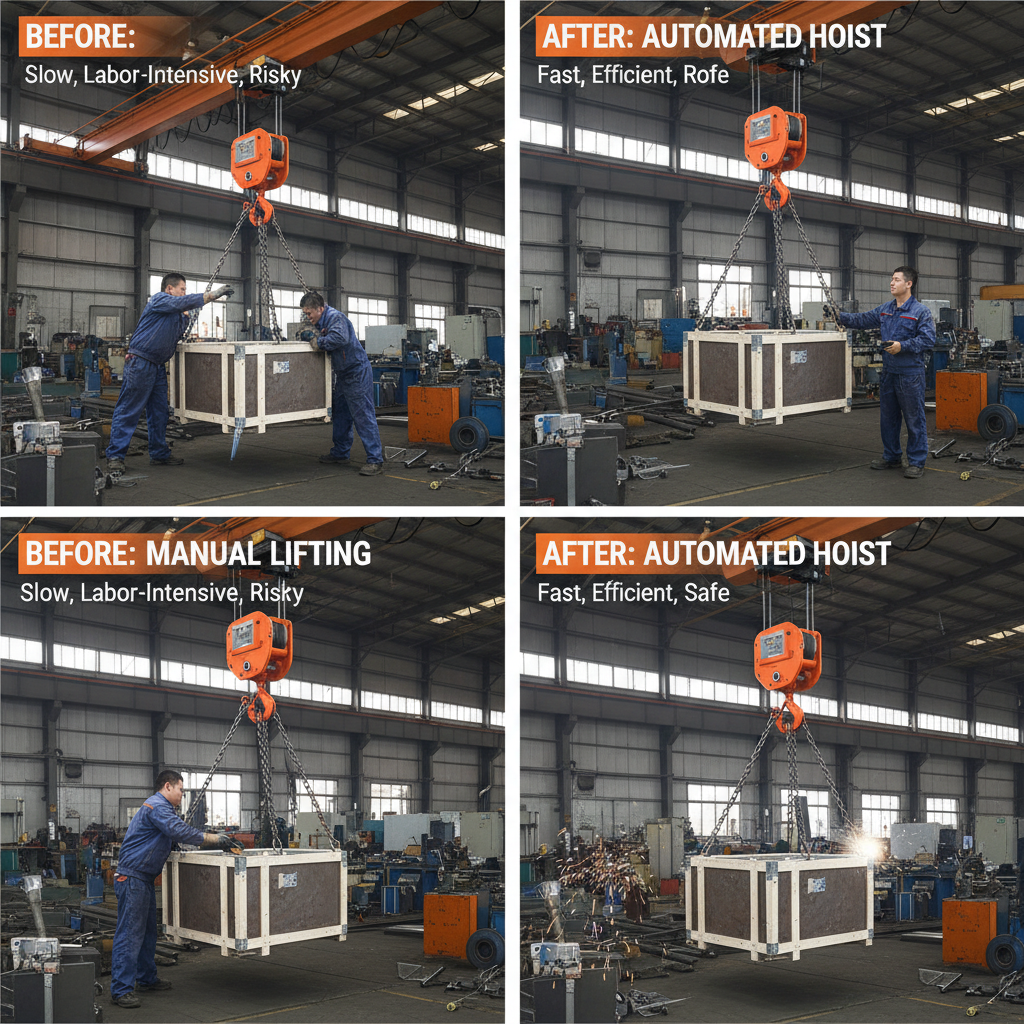
The significance of these hoists extends beyond mere convenience. They contribute directly to improved ergonomics, reducing the risk of worker injuries associated with manual lifting. By automating this process, businesses can enhance productivity, minimize downtime, and ensure a safer working environment for their employees.
Defining Single Phase Electric Hoists
A Single phase electric hoist is a lifting device powered by a single-phase electrical supply. Unlike three-phase systems, single-phase power is commonly found in residential and light commercial settings, making these hoists exceptionally versatile for a wide range of applications where access to three-phase power is limited or unavailable.
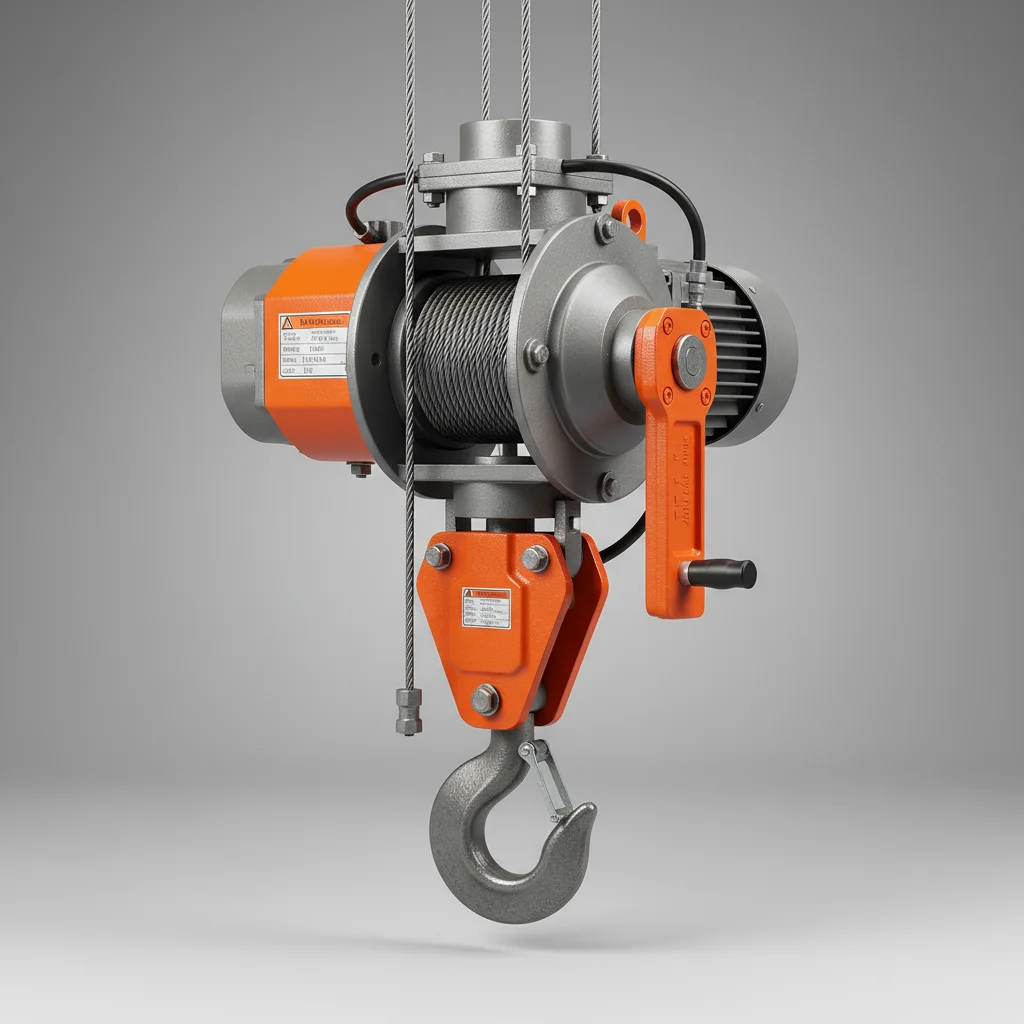
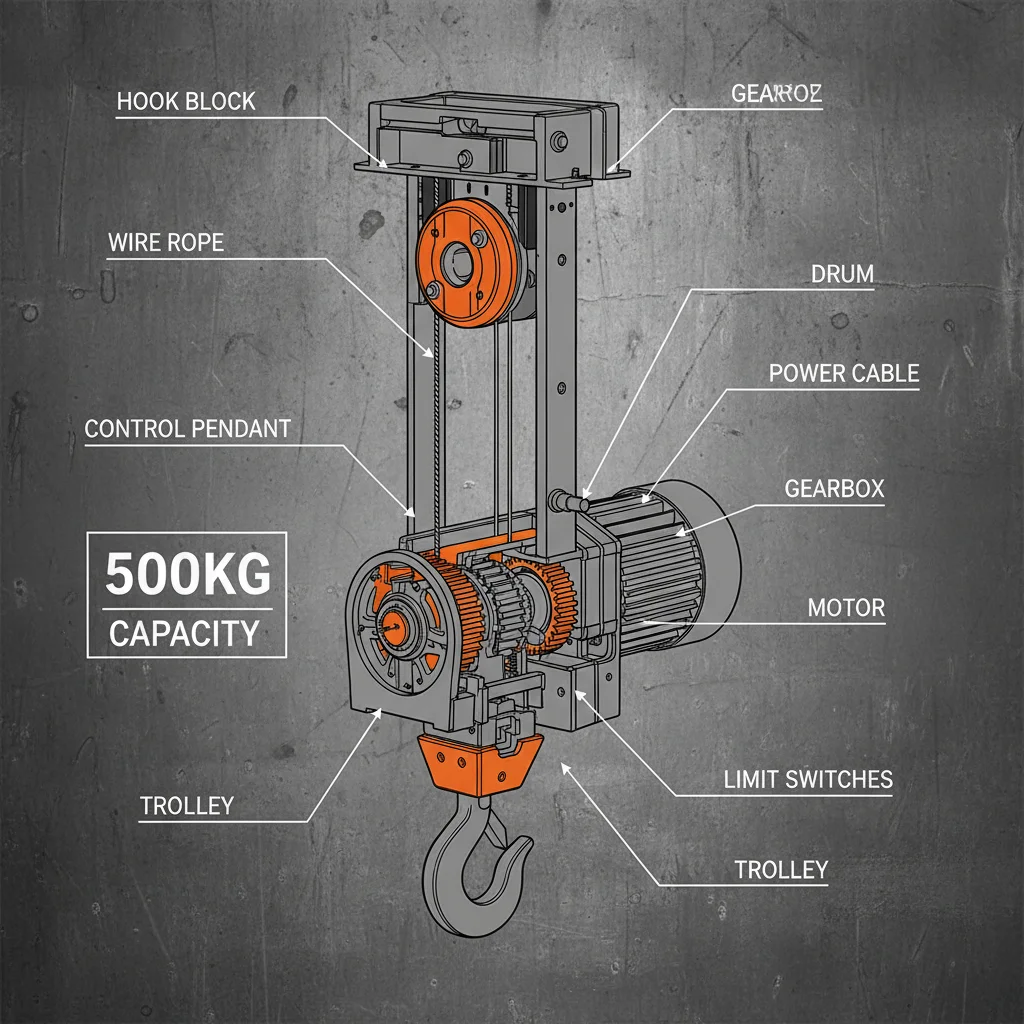
Essentially, it’s a self-contained unit incorporating a motor, gearbox, drum or chain wheel, and lifting medium (wire rope or chain). The electric motor provides the power to drive the lifting mechanism, enabling users to raise and lower loads with ease and precision.
These hoists are integral to modern logistics and manufacturing, providing a crucial link in the supply chain and enabling efficient material flow. They are a vital component in ensuring smooth operations and timely delivery in a multitude of settings.
Key Components and Features
Several key components contribute to the functionality and reliability of a Single phase electric hoist. The electric motor is the heart of the system, converting electrical energy into mechanical power. The gearbox reduces the motor's speed and increases torque, providing the necessary lifting force.
The lifting medium – either wire rope or chain – is responsible for physically raising and lowering the load. Wire rope hoists offer high lifting capacity, while chain hoists provide greater precision and are ideal for applications requiring frequent starts and stops. Safety features such as overload protection, emergency stop buttons, and limit switches are crucial for ensuring safe operation.
Modern Single phase electric hoists often incorporate advanced control systems allowing for variable speed operation, remote control functionality, and precise positioning. These features further enhance efficiency and improve operator control.
Performance Characteristics of Single Phase Electric Hoists
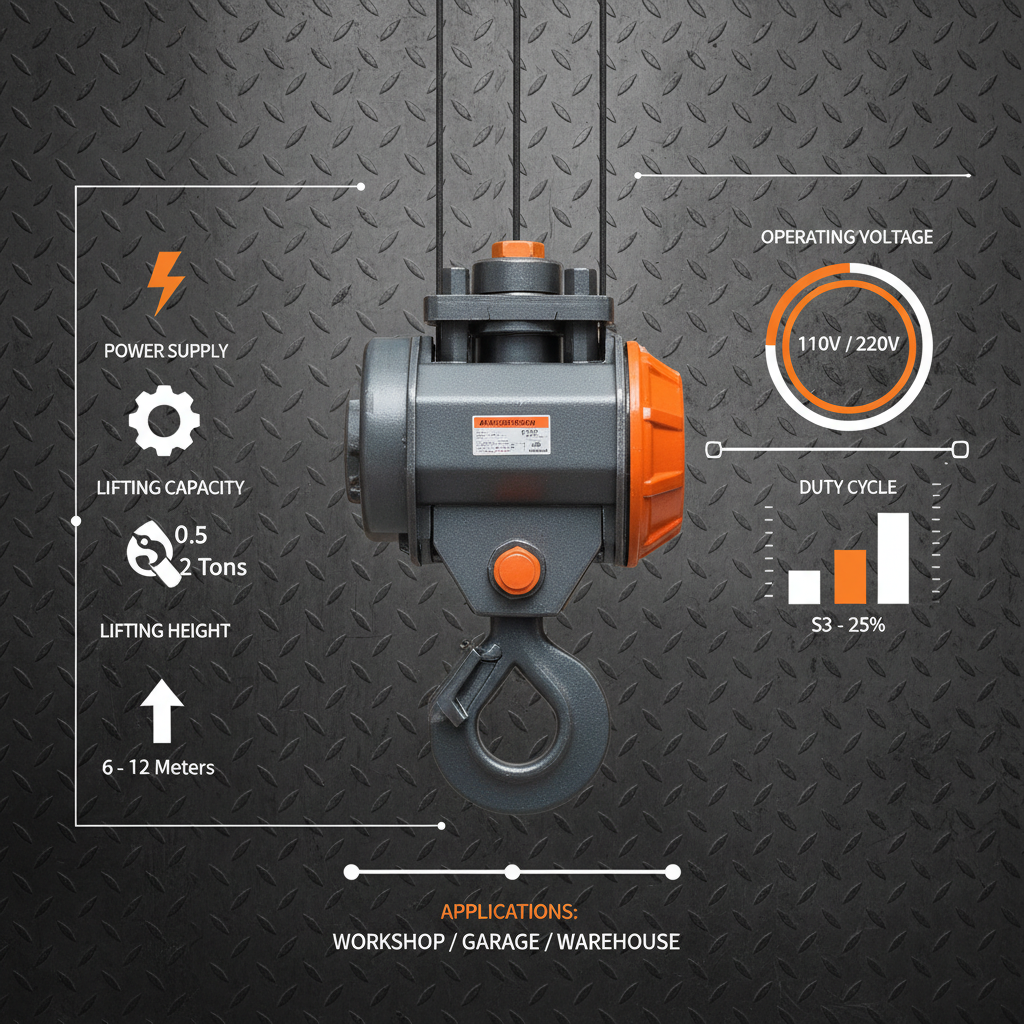
The performance of a Single phase electric hoist is influenced by several factors, including its lifting capacity, lifting speed, duty cycle, and power requirements. Lifting capacity refers to the maximum weight the hoist can safely lift, typically measured in tons or kilograms.
Lifting speed determines how quickly the load can be raised or lowered. Duty cycle describes the amount of time the hoist can operate within a given period. Understanding these characteristics is vital for selecting the appropriate hoist for a specific application.
Single Phase Electric Hoist Performance Metrics
Global Applications and Industries Served
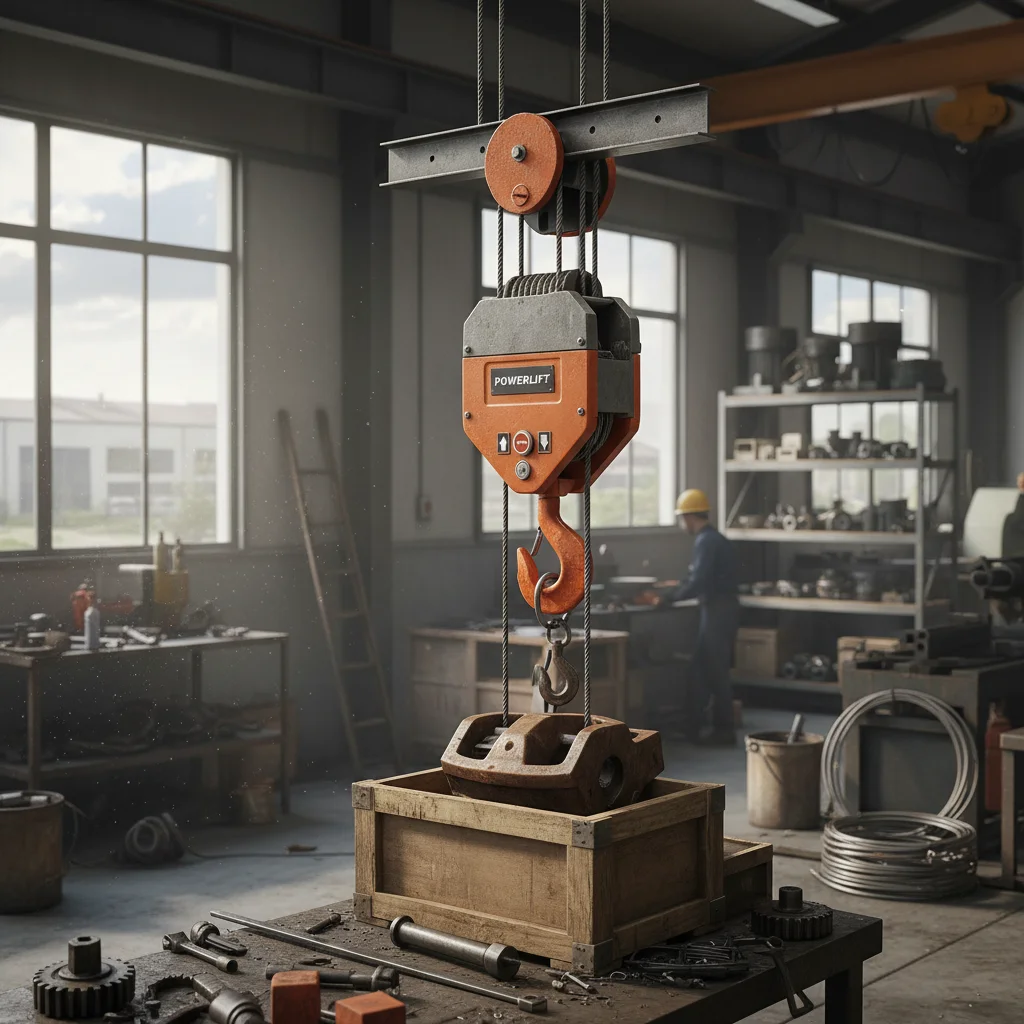
Single phase electric hoists are used extensively across a diverse range of industries worldwide. In manufacturing, they are employed for assembling products, moving materials between workstations, and loading/unloading trucks.
Construction sites utilize them for lifting building materials, tools, and equipment. Warehouses and logistics centers rely on them for efficient order fulfillment and inventory management. Even in smaller workshops and garages, these hoists prove invaluable for various lifting tasks.
Advantages and Long-Term Value Proposition
The advantages of utilizing a Single phase electric hoist are multifaceted. They offer significantly increased lifting capacity compared to manual methods, leading to greater productivity. The reduced physical effort required lowers the risk of worker fatigue and injuries, enhancing workplace safety.
Furthermore, the precision and control afforded by electric hoists contribute to improved product quality and reduced material damage. From a long-term perspective, the durability and reliability of these devices translate to lower maintenance costs and a higher return on investment.
Future Trends and Innovations in Single Phase Electric Hoists
The future of Single phase electric hoist technology is poised for significant advancements. Ongoing research and development are focused on enhancing energy efficiency, incorporating smart features, and improving safety protocols.
We can anticipate increased adoption of wireless controls, remote monitoring capabilities, and automated lifting systems. The integration of artificial intelligence and machine learning will further optimize hoist performance and predictive maintenance, ensuring maximum uptime and reliability.
Summary of Key Factors Influencing Single Phase Electric Hoist Selection
| Lifting Capacity Requirement |
Application Environment |
Duty Cycle Considerations |
Safety Feature Importance |
| Low (under 1 ton) |
Indoor, controlled temperature |
Light, intermittent use |
Standard overload protection |
| Medium (1-5 tons) |
Outdoor, moderate conditions |
Moderate, regular use |
Emergency stop and limit switches |
| High (5-10 tons) |
Harsh environments, corrosive atmosphere |
Heavy, continuous use |
Enhanced overload protection and braking systems |
| Variable (depending on load) |
Confined spaces, limited headroom |
Infrequent, specialized lifts |
Precision controls and anti-sway features |
| Critical (safety-sensitive applications) |
Explosive atmospheres, hazardous materials |
Frequent, repetitive cycles |
Redundant safety systems and certifications |
| Precision lifting demands |
Cleanroom environments, sensitive equipment |
Automated, synchronized movements |
Advanced control algorithms and monitoring |
FAQS
The lifespan of a Single phase electric hoist varies based on usage frequency, load weight, and maintenance. However, with regular inspections and proper care, a well-maintained hoist can reliably operate for 5-10 years, or even longer. Factors like environmental conditions and adherence to load limits play a critical role in maximizing its service life.
Regular inspections are crucial for ensuring safety and preventing failures. A visual inspection should be conducted before each use, checking for signs of wear, damage, or loose components. A more thorough inspection, including examination of the wire rope/chain, hook, and electrical components, should be performed at least annually, or more frequently for heavy-duty applications.
Essential safety features include overload protection, which prevents lifting loads exceeding the hoist's capacity; emergency stop buttons for immediate shutdown; limit switches to prevent over-raising or over-lowering; and a robust braking system. Regular testing of these features is vital for maintaining a safe working environment.
While some Single phase electric hoists can be used outdoors, it's crucial to choose a model specifically designed for outdoor environments. These hoists are typically equipped with weather-resistant coatings and sealed components to protect against rain, dust, and corrosion. Ensure the electrical connections are also properly protected.
Wire rope hoists generally offer higher lifting capacities and are suitable for long lifts. Chain hoists, on the other hand, provide greater precision, smoother operation, and require less maintenance. They are ideal for applications demanding frequent starts and stops or where precise positioning is critical.
Regular maintenance includes lubricating moving parts, inspecting the wire rope or chain for wear, checking electrical connections, and ensuring proper operation of safety devices. Keep the hoist clean and free from debris. Periodic professional inspections and servicing are also recommended to identify and address potential issues before they become major problems.
Conclusion
In conclusion, the Single phase electric hoist remains an indispensable tool for modern material handling. Its versatility, efficiency, and safety benefits make it a valuable asset for businesses across various industries. Understanding its core components, applications, and future trends is essential for making informed decisions and maximizing its long-term value.
As technology continues to advance, we can expect further innovations in Single phase electric hoist design and functionality. Investing in a high-quality hoist and adhering to proper maintenance practices will not only enhance operational efficiency but also ensure a safer and more productive working environment for years to come. Visit our website at www.juyinghoist.com to explore our comprehensive range of electric hoists and find the perfect solution for your needs.