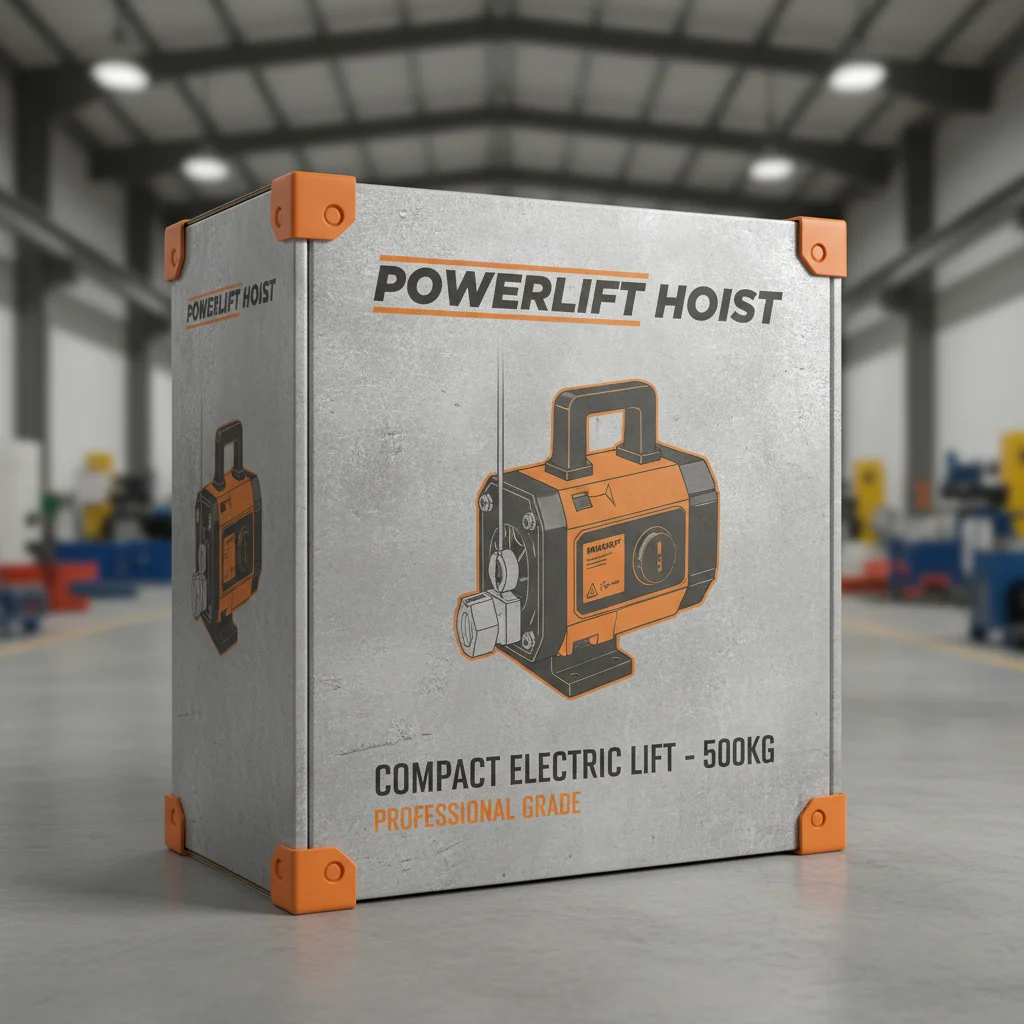
In the fast-paced world of modern logistics and construction, the demand for compact yet powerful lifting solutions has never been higher. A mini electric wire rope hoist offers the perfect balance between portability and performance, allowing operators to lift heavy loads in confined spaces where traditional cranes or large industrial hoists simply cannot fit. By automating the vertical movement of materials, these devices significantly reduce physical strain on workers and accelerate operational workflows.
Beyond simple utility, the integration of a mini electric wire rope hoist into a workspace reflects a commitment to safety and efficiency. Whether it is being used in a small automotive garage, a home workshop, or a specialized manufacturing plant, the ability to precisely control the ascent and descent of a load minimizes the risk of accidents. This technology bridges the gap between manual labor and heavy industrial automation, making professional-grade lifting accessible to smaller enterprises.
Globally, the shift toward "lean" operations means that equipment must be versatile. The mini electric wire rope hoist is designed for exactly this purpose, featuring a lightweight chassis and a high-strength wire rope that ensures durability without excessive bulk. Understanding the technical nuances and application strategies of these hoists is essential for any business looking to optimize its material handling capabilities while maintaining strict adherence to safety standards.
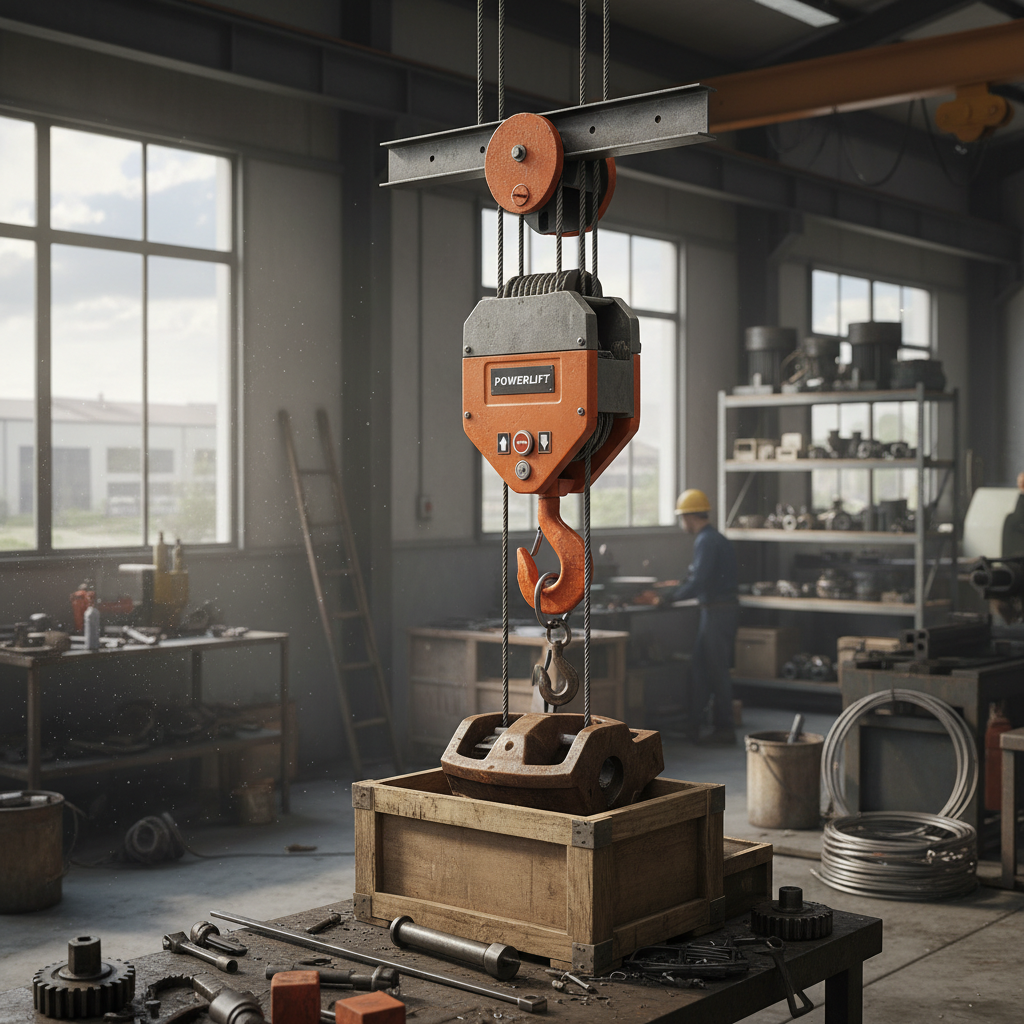
Global Relevance of Mini Electric Wire Rope Hoists
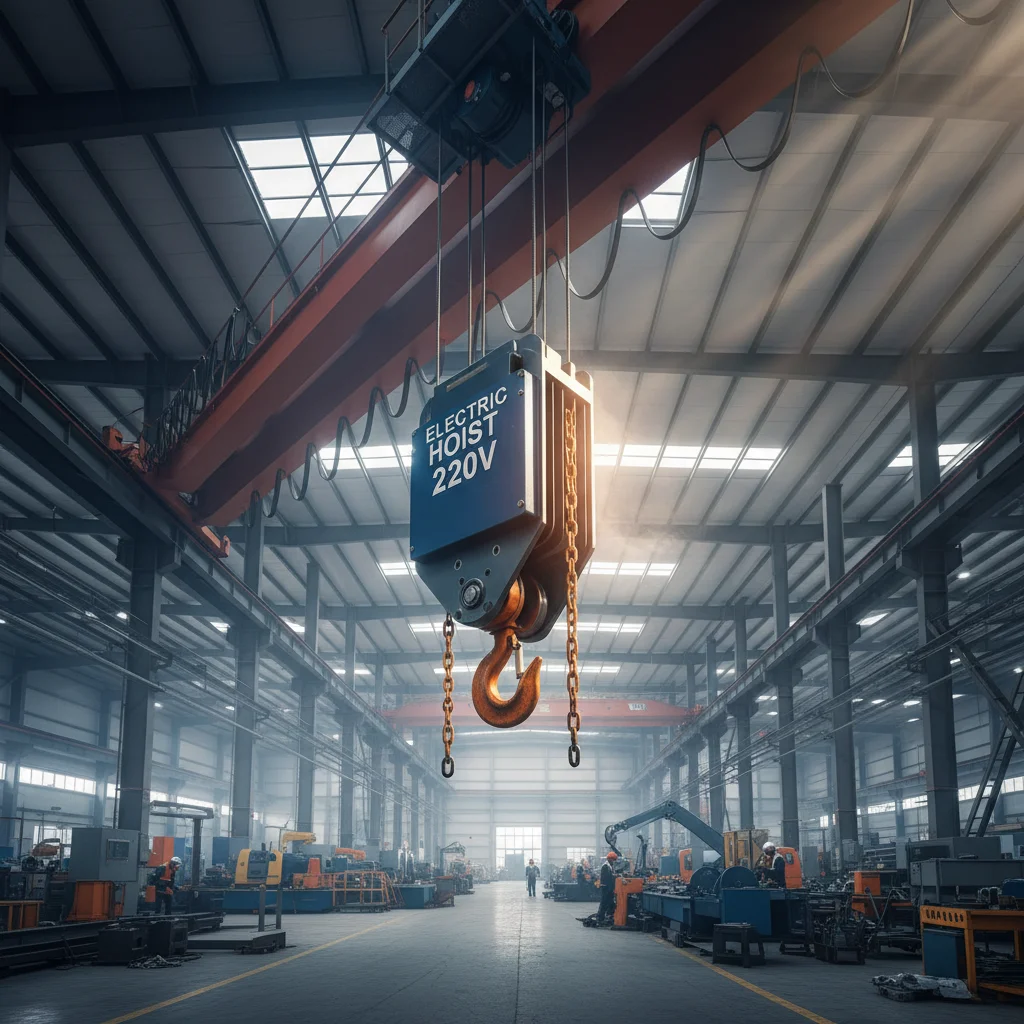
On a global scale, the adoption of the mini electric wire rope hoist has surged alongside the growth of small-to-medium enterprises (SMEs) in emerging markets. According to industrial trends aligned with ISO safety standards, the shift toward modular and compact lifting equipment is a response to the urbanization of industrial zones, where warehouse space is at a premium. These devices allow businesses to maximize their vertical cubic space without investing in massive, permanent infrastructure.
The challenge many industries face is the "last-mile" of internal lifting—moving a 200kg motor or a heavy crate within a tight corridor. Traditional forklifts are often too wide, and manual lifting is a liability. The mini hoist solves this by providing a localized, high-torque lifting point that can be installed on a simple I-beam or a portable gantry, ensuring that productivity does not stall due to spatial constraints.
Defining the Mini Electric Wire Rope Hoist
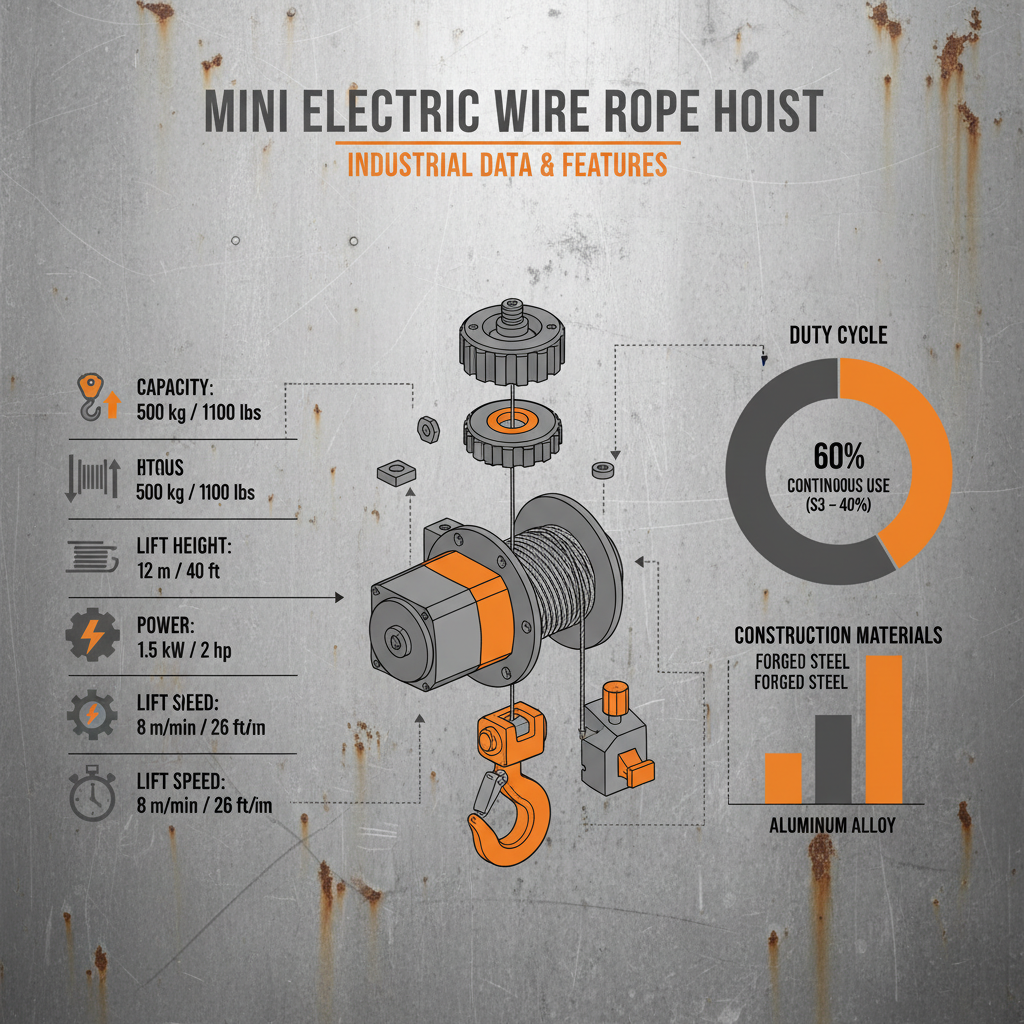
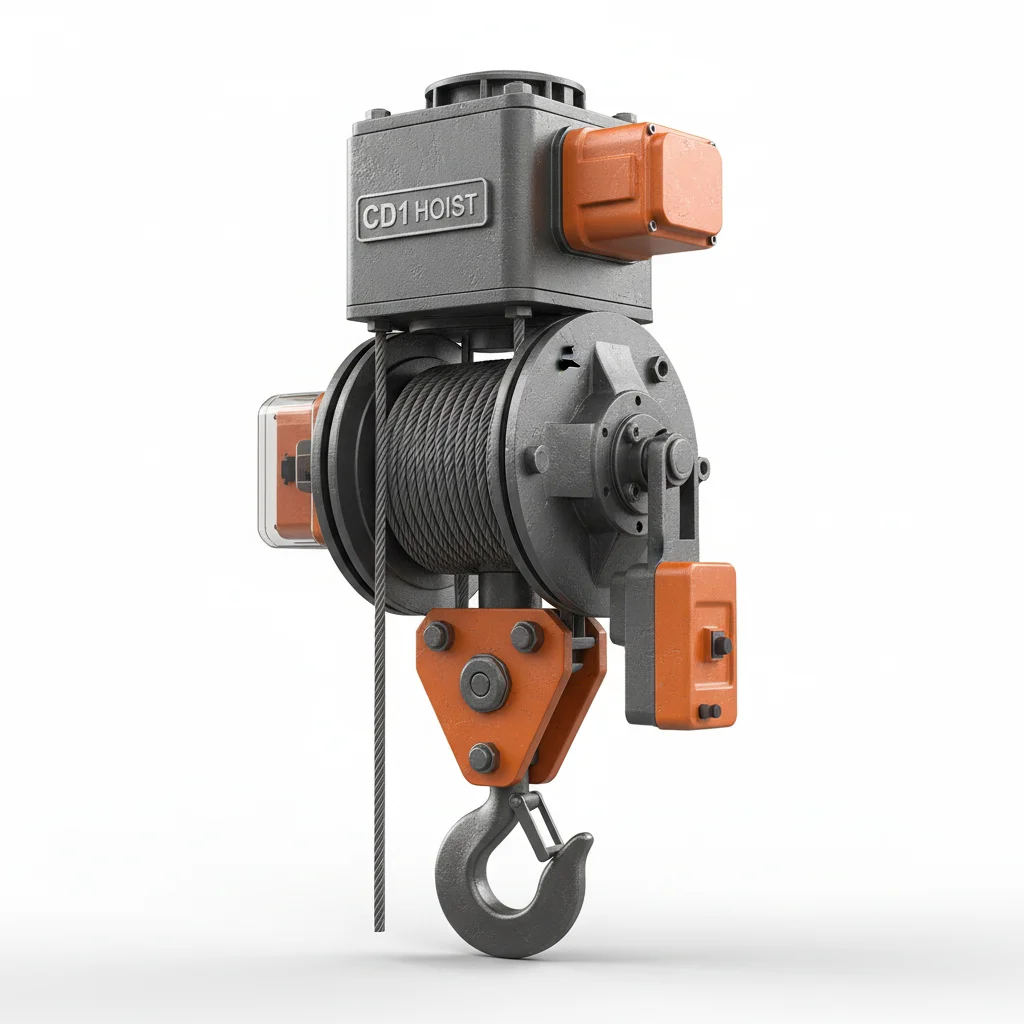
In simple terms, a mini electric wire rope hoist is a compact motorized device designed to lift and lower loads using a reinforced steel wire rope. Unlike chain hoists, which use a chain loop, the wire rope system generally offers smoother movement and higher speeds for light-to-medium duty cycles. It consists of an electric motor, a gear reduction system, a drum for winding the rope, and a braking mechanism to hold the load securely.
From an industrial perspective, these hoists represent the democratization of mechanical advantage. They are no longer reserved for massive shipyards or steel mills; instead, they are now essential tools for HVAC technicians, automotive mechanics, and warehouse managers. The "mini" designation refers not just to the physical size, but to the optimized energy consumption and the ease with which the unit can be relocated across different job sites.
Connecting this to modern humanitarian and industrial needs, these hoists are invaluable in rapid-deployment scenarios. For instance, in post-disaster reconstruction or the setup of temporary medical clinics in remote areas, the ability to lift heavy equipment quickly using a portable power source is critical. The mini electric wire rope hoist provides a reliable, low-maintenance solution that enhances the dignity and safety of workers by removing the burden of manual hauling.
Core Components and Engineering Factors
The durability of a mini electric wire rope hoist begins with its motor and gear assembly. High-grade copper windings in the motor ensure efficient heat dissipation, while the precision-engineered planetary gears multiply torque, allowing a small motor to lift surprisingly heavy loads. This synergy is what makes the equipment reliable for repetitive daily use without frequent overheating.
Safety is the most critical factor, centered around the electromagnetic braking system. In a mini electric wire rope hoist, the brake is designed to engage automatically the moment power is cut or the "stop" button is pressed. This fail-safe mechanism prevents the load from free-falling, which is a non-negotiable requirement for compliance with international workplace safety regulations.
Lastly, the quality of the wire rope itself determines the hoist's lifespan. Using galvanized or stainless steel ropes prevents corrosion in humid environments, ensuring that the mini electric wire rope hoist remains operational even in challenging climates. When paired with a robust limit switch that prevents over-winding, the system becomes a highly scalable tool for various industrial needs.
Practical Applications and Global Use Cases
The versatility of the mini electric wire rope hoist allows it to be deployed across a staggering array of environments. In the automotive sector, they are frequently used for engine removals and transmission swaps, providing a level of precision that prevents damage to the vehicle chassis. In the retail and warehousing sector, these hoists facilitate the movement of stock from mezzanine levels to the ground floor, optimizing the use of vertical space.
Beyond urban centers, these devices are crucial in remote industrial zones, such as mining outposts or offshore platforms, where heavy machinery must be maintained in tight quarters. For example, in the maintenance of wind turbines or telecom towers, a compact hoist can be used to lift replacement parts to the upper decks, reducing the time technicians spend on hazardous manual climbing.
Performance Comparison of Mini Electric Wire Rope Hoist Types
Long-Term Value and Operational Advantages
Investing in a mini electric wire rope hoist provides tangible economic benefits. By reducing the number of personnel required to move a heavy object, companies can lower their labor costs and significantly decrease the incidence of workplace injuries. This shift not only saves money on insurance and medical claims but also boosts overall employee morale, as the most grueling parts of the job are automated.
From a sustainability angle, modern mini hoists are designed for energy efficiency. They use low-wattage motors that draw minimal power during idling, aligning with global green energy goals. The long-term value is found in the reliability of the equipment; a well-maintained mini electric wire rope hoist can operate for years with minimal maintenance, providing a high return on investment through consistent uptime and operational agility.
Future Innovations in Lifting Technology
The future of the mini electric wire rope hoist is being shaped by the digital transformation of the industry. We are seeing the integration of IoT (Internet of Things) sensors that can monitor the wear and tear of the wire rope in real-time. These "smart hoists" can alert a manager via a smartphone app when a cable is reaching its fatigue limit, moving maintenance from a reactive to a predictive model.
Furthermore, advancements in material science are introducing carbon-fiber reinforced components and synthetic high-strength ropes that offer the strength of steel but with a fraction of the weight. This will make the mini electric wire rope hoist even more portable, potentially allowing for battery-powered units that offer total wireless freedom in remote construction sites.
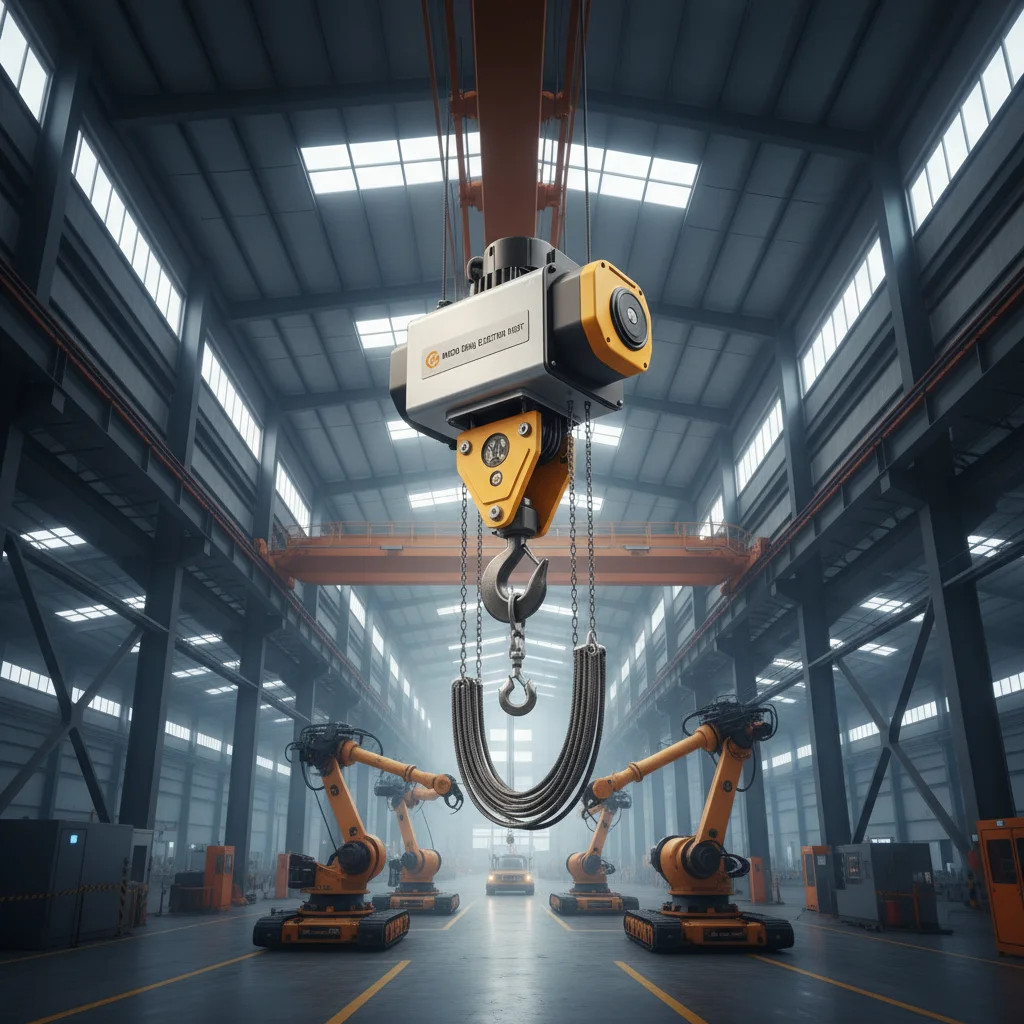
Automation is also playing a role, with the development of remote-control interfaces and semi-autonomous lifting patterns. Imagine a mini electric wire rope hoist that can be programmed to lift a load to a specific height and hold it with millimeter precision, integrated into a wider automated assembly line. This evolution will further bridge the gap between simple lifting and complex robotic material handling.
Overcoming Challenges in Hoist Implementation
Despite their advantages, implementing a mini electric wire rope hoist is not without challenges. The most common issue is improper installation, where the mounting point is not rated for the dynamic load of the hoist. To overcome this, experts recommend a professional load-bearing analysis of the ceiling or gantry before installation, ensuring that the structure can handle both the weight of the load and the tension of the lift.
Another frequent limitation is the neglect of routine inspections. Wire ropes can fray or develop kinks over time, which poses a significant safety risk. The solution lies in implementing a strict "Inspection Log" system, where the rope is checked weekly for broken strands or lubrication loss. By treating the mini electric wire rope hoist as a critical piece of safety equipment rather than a simple tool, businesses can eliminate most operational risks.
Finally, power supply stability in some regions can lead to motor burnout. To solve this, the use of voltage stabilizers or dedicated circuit breakers is highly recommended. By ensuring a clean power flow, the lifespan of the mini electric wire rope hoist is extended, and the risk of unexpected downtime during critical operations is virtually removed.
Comparative Analysis of Mini Electric Wire Rope Hoist Specifications
|
Hoist Model Variant
|
Lifting Capacity (kg)
|
Lifting Speed (m/min)
|
Durability Score (1-10)
|
| Light-Duty Home Series |
100 - 250 kg |
8 - 12 m/min |
6 |
| Commercial Garage Spec |
300 - 500 kg |
10 - 15 m/min |
8 |
| Industrial Mini-Pro |
500 - 1000 kg |
5 - 10 m/min |
9 |
| High-Speed Express |
200 - 400 kg |
20 - 30 m/min |
7 |
| Heavy-Duty Compact |
800 - 1200 kg |
3 - 6 m/min |
10 |
| Precision Engineering |
100 - 300 kg |
2 - 5 m/min |
9 |
FAQS
The primary difference lies in the lifting medium and the speed of operation. A mini electric wire rope hoist uses a braided steel cable, which generally allows for faster lifting speeds and smoother motion compared to the segmented movement of a chain hoist. Wire rope hoists are often preferred for light-to-medium duty applications where speed and compactness are prioritized over the extreme heavy-load capacities typically found in large industrial chain hoists.
Most mini electric wire rope hoists are designed for intermittent duty cycles rather than continuous 24/7 operation. Using them without breaks can lead to motor overheating and premature wear of the gear system. For high-frequency industrial use, we recommend choosing a "Heavy Duty" variant with a higher duty rating or implementing a rotation system with multiple hoists to allow each unit time to cool down.
For safety-critical environments, a visual inspection should be performed daily before use. A more comprehensive technical inspection—checking for broken strands, corrosion, and proper lubrication—should be conducted monthly. If the hoist is used in harsh environments (like salty air or chemical plants), these inspections should be increased to weekly to ensure the integrity of the wire rope and prevent catastrophic failure.
High-quality mini electric wire rope hoists are equipped with an automatic electromagnetic brake. This brake is "fail-safe," meaning it is held open by electricity and springs shut automatically when power is lost. Therefore, if the power goes out, the brake will immediately engage and lock the load in its current position, preventing it from falling.
Installation is relatively straightforward provided you have a secure mounting point. Most units are designed to be bolted to an I-beam or a sturdy steel frame. The main challenge is ensuring that the support structure can handle the maximum rated load of the hoist. We recommend consulting a local contractor to verify the structural integrity of your ceiling before installation to ensure complete safety.
The best way to increase longevity is through regular lubrication of the wire rope and avoiding "shock loading" (sudden jerks). Always ensure the load is balanced and centered to prevent the rope from winding unevenly on the drum. Additionally, using the hoist within its rated capacity and avoiding overloading will prevent the motor and gears from wearing out prematurely.
Conclusion
In summary, the mini electric wire rope hoist is an indispensable tool for modern material handling, combining power, precision, and portability. By addressing the critical need for efficient lifting in confined spaces, it not only optimizes operational productivity but also enhances workplace safety and worker wellbeing. From its robust engineering and fail-safe braking systems to its growing integration with smart technology, the mini hoist provides a scalable solution for businesses ranging from small workshops to large-scale industrial plants.
Looking forward, the transition toward more sustainable materials and IoT-driven predictive maintenance will make these devices even more reliable and eco-friendly. For any organization seeking to modernize its lifting capabilities, the investment in a high-quality mini hoist is a strategic move toward greater agility and safety. We invite you to explore our professional range of lifting solutions to find the perfect fit for your operational needs. Visit our website: www.juyinghoist.com