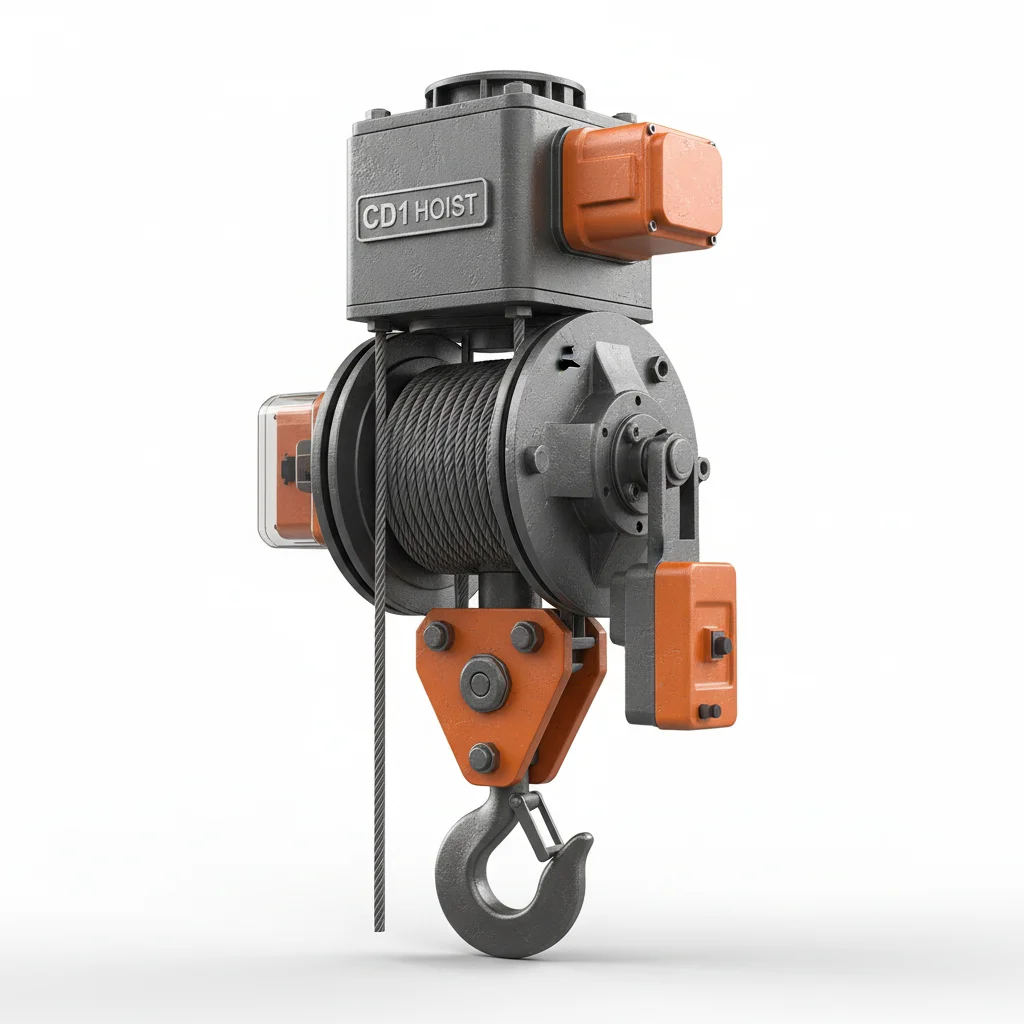
The 110v electric hoist is a critical piece of equipment across a diverse range of industries, offering a safe and efficient solution for lifting and moving materials. From manufacturing facilities and construction sites to warehouses and even personal workshops, its accessibility and relatively low voltage make it a versatile choice. Understanding the nuances of 110v electric hoists – their capabilities, safety features, and applications – is paramount for optimizing operational efficiency and minimizing workplace hazards.
Globally, the demand for material handling equipment, including electric hoists, is consistently increasing due to the growth of manufacturing, infrastructure development, and e-commerce. According to reports from the World Bank, global trade volumes continue to rise, necessitating efficient logistics and material movement. This growth, coupled with a focus on worker safety and ergonomic solutions, fuels the need for reliable and user-friendly lifting devices like the 110v electric hoist. Choosing the right hoist impacts productivity, operational costs, and ultimately, a business's bottom line.
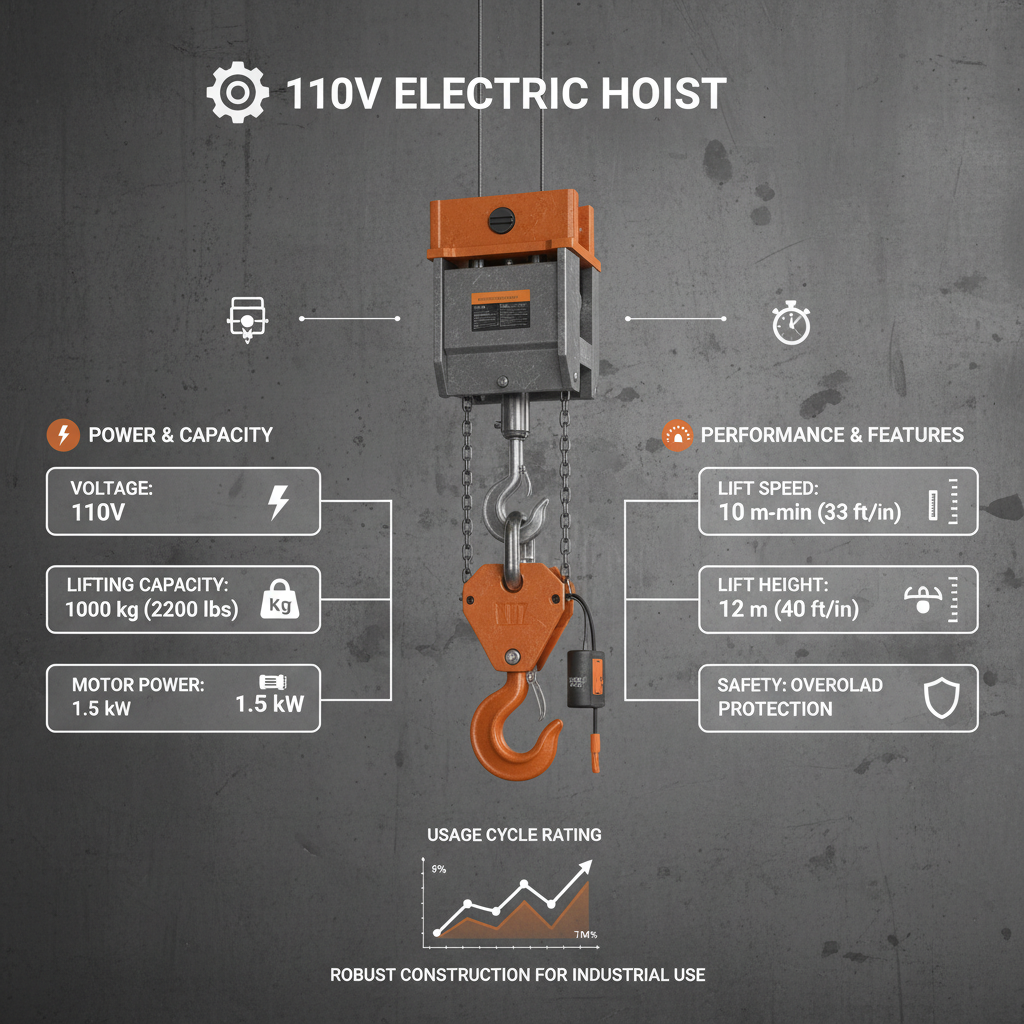
The 110v electric hoist is a powered lifting device utilizing an electric motor to raise and lower a load. It distinguishes itself from manual hoists through its ease of operation, speed, and ability to handle heavier loads with less physical exertion. The 110v designation refers to the standard voltage required to operate the motor, making it suitable for many industrial and commercial settings with standard electrical infrastructure. This accessibility distinguishes it from higher voltage models requiring specialized electrical installations.
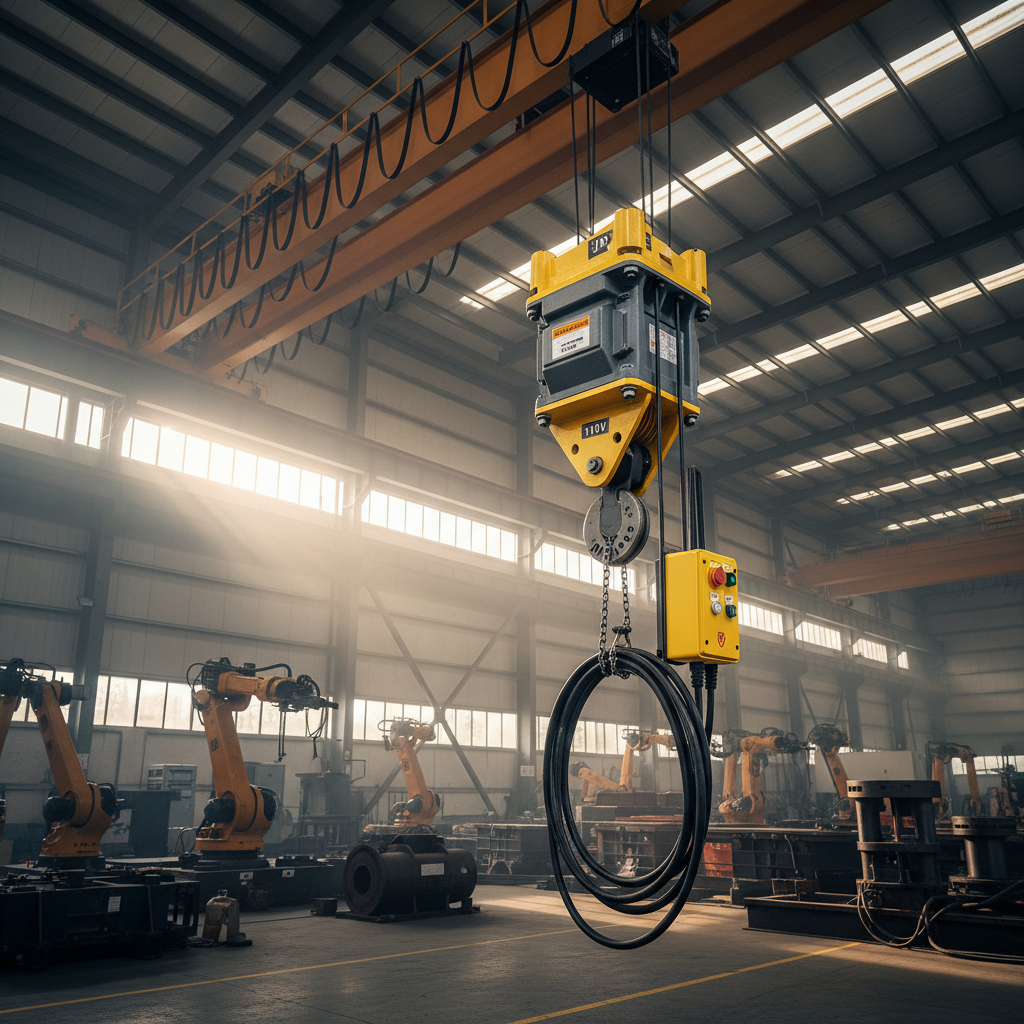
The Global Importance of 110v Electric Hoists
The utility of a 110v electric hoist transcends geographical boundaries, acting as a cornerstone of efficiency in numerous global industries. From the bustling manufacturing hubs of China and Germany to the developing infrastructure projects across Africa and South America, these hoists are instrumental in streamlining operations. The United Nations' Sustainable Development Goals (SDGs), particularly those related to infrastructure development and responsible industrialization, are directly supported by the availability of reliable lifting equipment like the 110v electric hoist.
The demand for cost-effective and readily deployable lifting solutions, especially in industries such as construction, automotive, and warehousing, continues to drive the global market for 110v electric hoists. Their accessibility due to standard voltage requirements simplifies installation and use, reducing downtime and costs, making them particularly popular in smaller workshops and maintenance facilities worldwide.
Defining the 110v Electric Hoist
At its core, a 110v electric hoist is a mechanical device designed to lift or lower a load using an electric motor. Unlike manual chain hoists that rely on human power, the electric motor provides the force, allowing for effortless lifting of heavier objects. The “110v” specification indicates the voltage required for operation – a standard voltage found in many industrial and commercial buildings in North America and parts of Asia, facilitating easy integration into existing electrical systems.
The connection to modern industry lies in its contribution to increased productivity and enhanced safety. By automating the lifting process, businesses can reduce labor costs, improve efficiency, and minimize the risk of worker injuries associated with manual lifting. In humanitarian applications, 110v electric hoists can be invaluable for disaster relief efforts, assisting in the movement of supplies and debris in areas with limited infrastructure.
The versatility of the 110v electric hoist stems from its adaptability. It can be paired with various lifting mediums – wire rope, chain, or webbing – to suit different load types and applications. This customization allows businesses to tailor the hoist to their specific needs, making it a practical and cost-effective solution for a wide range of lifting tasks.
Core Components and Key Factors
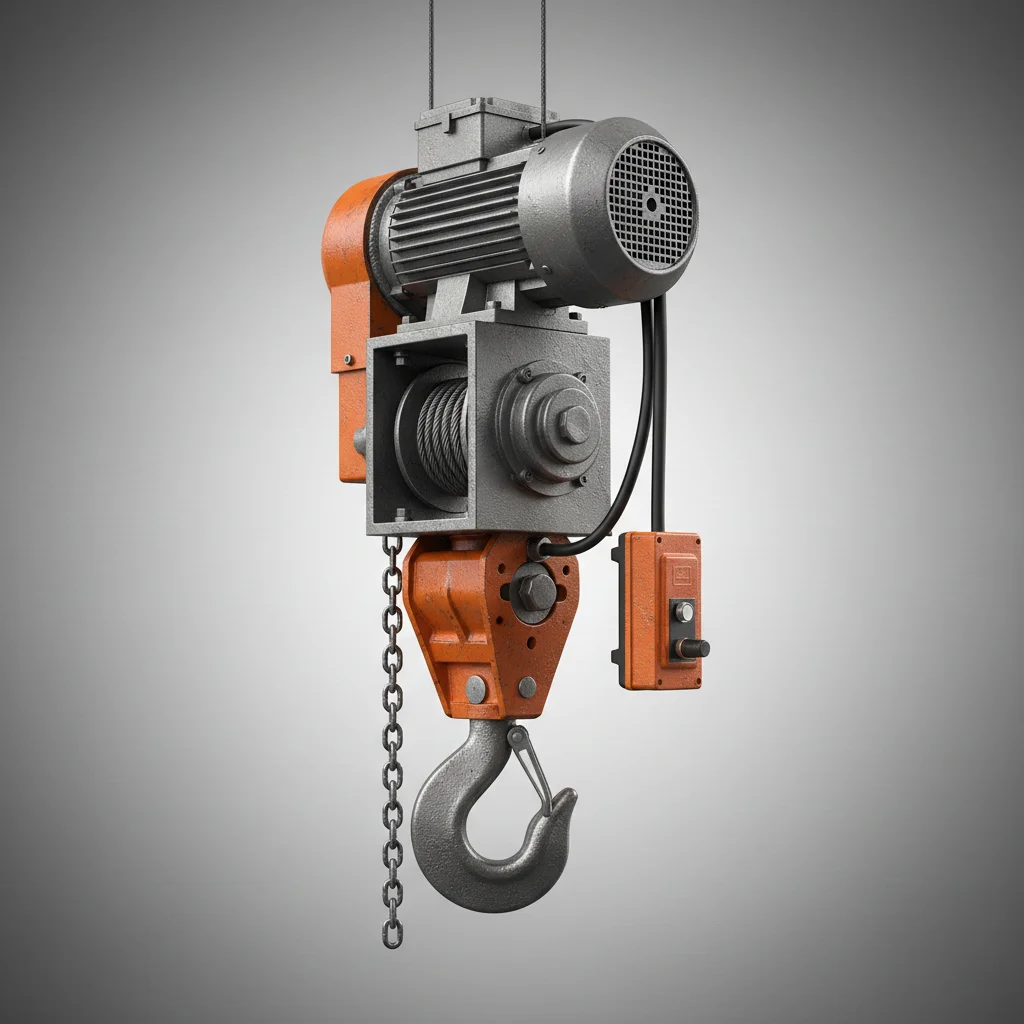
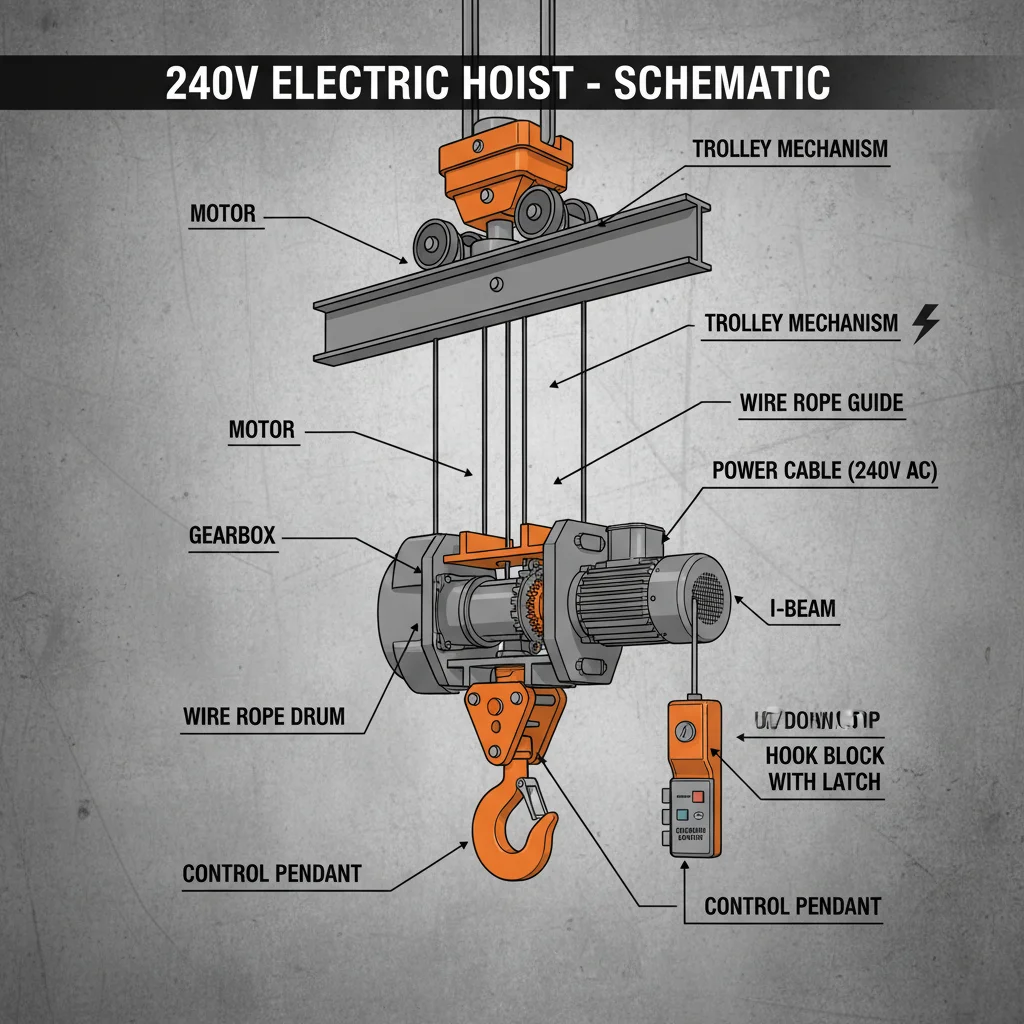
Several key components contribute to the functionality and reliability of a 110v electric hoist. The electric motor, naturally, is the driving force, translating electrical energy into mechanical power. The gearbox reduces the motor’s speed and increases torque, providing the necessary lifting capacity. A robust braking system ensures secure load holding and controlled descent, critical for safety. Finally, the lifting mechanism – whether wire rope, chain, or webbing – directly engages with the load.
Durability is paramount. High-quality 110v electric hoists utilize hardened steel gears, rugged housings, and corrosion-resistant components to withstand demanding environments. Scalability refers to the available lifting capacities, ranging from a few hundred pounds to several tons, allowing businesses to choose a hoist appropriate for their specific load requirements. Cost efficiency is achieved through energy-efficient motors, reduced maintenance needs, and long operational lifespans, providing a strong return on investment.
Diverse Applications of 110v Electric Hoists
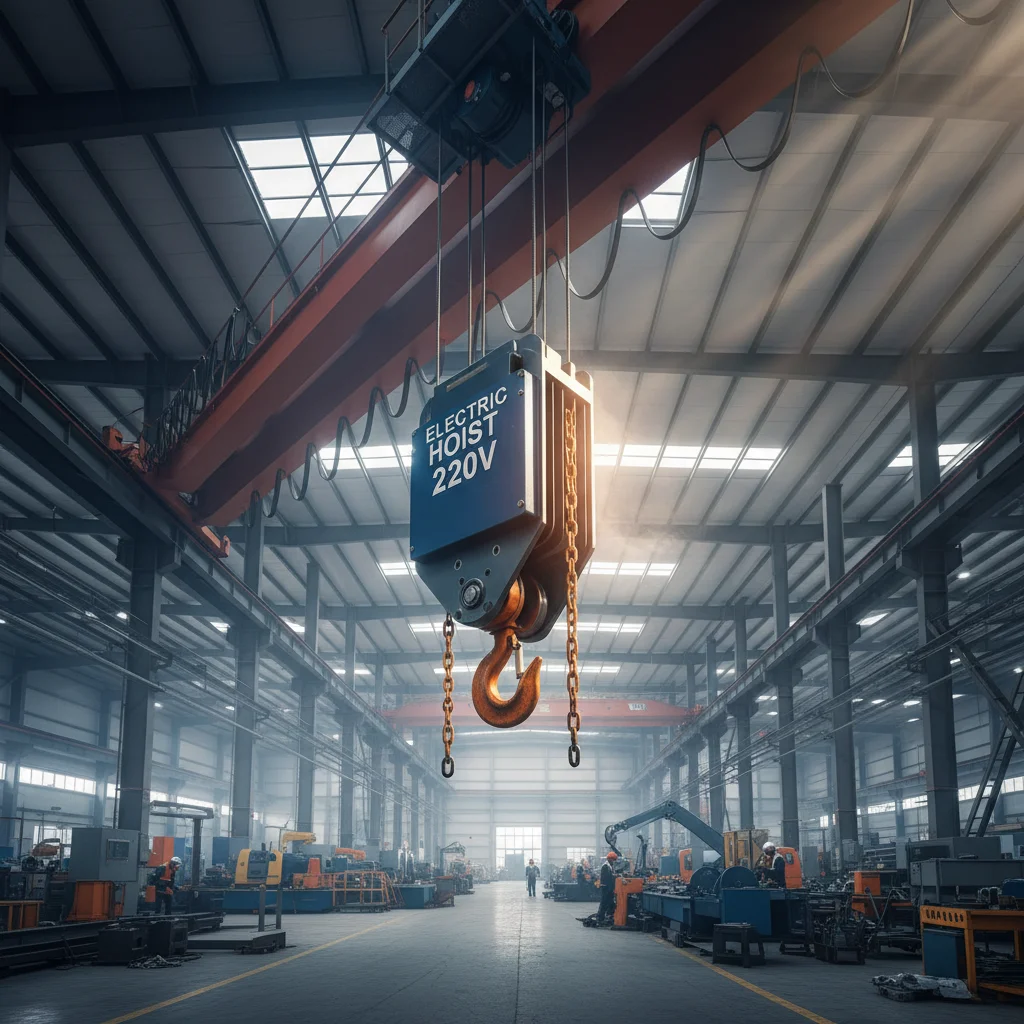
The applications of a 110v electric hoist are widespread and varied. Within manufacturing, they are used for moving raw materials, assembling products, and loading/unloading machinery. Construction sites utilize them for lifting building materials, tools, and equipment to elevated areas. Warehouses depend on them for stacking pallets, organizing inventory, and preparing shipments.
In remote industrial zones, where access to specialized equipment and skilled labor may be limited, the 110v electric hoist offers a reliable and easily maintainable lifting solution. In post-disaster relief operations, these hoists can be deployed quickly to clear debris, distribute aid, and assist in rescue efforts. Even in personal workshops and garages, a 110v electric hoist can be invaluable for tasks such as engine repair and vehicle maintenance.
The automotive industry widely employs 110v electric hoists for engine lifting, transmission removal, and body panel adjustments. The aerospace sector utilizes them for component assembly and aircraft maintenance. The entertainment industry relies on them for rigging lighting and stage equipment during events and performances.
110v Electric Hoist Application Distribution
Advantages and Long-Term Value
The tangible benefits of integrating a 110v electric hoist into operations are numerous. Reduced labor costs, increased lifting capacity, and enhanced safety are immediate gains. The long-term value extends to improved efficiency, minimized downtime, and a significant return on investment. A well-maintained 110v electric hoist can provide years of reliable service, contributing to a sustainable and productive work environment.
Beyond the financial advantages, the 110v electric hoist promotes a safer working environment. Reducing manual lifting minimizes the risk of musculoskeletal injuries, improving employee well-being and reducing lost workdays. This contributes to a more positive work culture and fosters trust between employers and employees. The innovation inherent in these devices showcases a commitment to continuous improvement and technological advancement.
Future Trends and Innovations
The future of 110v electric hoists is focused on integrating smart technologies and sustainable practices. The development of internet-of-things (IoT) enabled hoists allows for remote monitoring, predictive maintenance, and data-driven optimization of lifting operations. The incorporation of variable frequency drives (VFDs) enhances energy efficiency and provides greater control over lifting speeds.
Furthermore, advancements in material science are leading to lighter, stronger, and more durable hoist components. The growing emphasis on green energy is driving the development of more energy-efficient motors and the exploration of alternative power sources. Digital transformation and automation are also playing a significant role, with hoists being integrated into automated material handling systems and robotic workflows.
Challenges and Solutions in 110v Electric Hoist Usage
Despite their numerous benefits, 110v electric hoists are not without their challenges. Common limitations include the potential for electrical hazards, the need for regular maintenance to prevent failures, and the importance of proper training to ensure safe operation. Overloading the hoist beyond its rated capacity can also lead to mechanical stress and potential accidents.
Solutions involve implementing rigorous safety protocols, including regular electrical inspections, proper grounding, and the use of personal protective equipment (PPE). Proactive maintenance schedules, encompassing lubrication, cable inspections, and brake adjustments, are crucial for preventing breakdowns. Comprehensive training programs, covering safe operating procedures, load calculations, and emergency protocols, are essential for empowering operators to use the hoist responsibly and effectively.
Investing in high-quality hoists from reputable manufacturers, coupled with diligent maintenance and operator training, mitigates these challenges and ensures long-term safe and reliable operation.
Summary of Solutions to Common 110v Electric Hoist Challenges
| Challenge |
Risk Level (1-10) |
Recommended Solution |
Implementation Cost (Estimate) |
| Electrical Hazards |
8 |
Regular Electrical Inspections & Grounding |
$200 - $500/year |
| Mechanical Failure |
7 |
Proactive Maintenance Schedule (Lubrication, Cable Checks) |
$300 - $700/year |
| Operator Error |
6 |
Comprehensive Operator Training Program |
$500 - $1000/training |
| Overloading |
9 |
Load Calculation Training & Hoist Monitoring |
$100 - $300/year |
| Corrosion & Environmental Damage |
5 |
Protective Coatings & Regular Cleaning |
$100 - $200/year |
| Component Wear & Tear |
7 |
Scheduled Component Replacement |
$200 - $600/year |
FAQS
The maximum weight capacity of a 110v electric hoist varies considerably depending on the model and manufacturer. Common capacities range from 100 lbs to 10 tons. It's crucial to carefully review the hoist's specifications and load rating before use to ensure it can safely handle the intended load. Exceeding the rated capacity can lead to mechanical failure and potentially dangerous situations. Always prioritize safety and adhere to manufacturer guidelines.
Regular inspections are vital for maintaining the safety and reliability of a 110v electric hoist. A visual inspection should be performed before each use to check for any signs of damage, such as frayed cables, worn gears, or loose bolts. A more comprehensive inspection, conducted by a qualified technician, should be performed at least annually, or more frequently if the hoist is used heavily or in harsh environments. Documentation of these inspections is recommended.
While some 110v electric hoists are designed for limited outdoor use, it's generally not recommended unless the hoist is specifically rated for outdoor operation. Exposure to rain, snow, and extreme temperatures can damage the motor, electrical components, and lifting mechanism. If outdoor use is unavoidable, ensure the hoist is protected from the elements and that the electrical connections are properly waterproofed. Always consult the manufacturer’s guidelines.
Regular maintenance is essential for extending the lifespan of your 110v electric hoist. This includes lubricating moving parts, inspecting cables and chains for wear, checking the braking system, and ensuring all electrical connections are secure. Cleaning the hoist to remove dirt and debris is also important. Following the manufacturer’s recommended maintenance schedule will help prevent breakdowns and ensure safe operation.
Prioritize safety by always wearing appropriate personal protective equipment (PPE), such as safety glasses and gloves. Ensure the load is properly secured before lifting. Never exceed the hoist’s rated capacity. Keep the area around the hoist clear of personnel. Avoid lifting loads over people. Never attempt to repair the hoist yourself – always consult a qualified technician. Always disconnect the power before performing any maintenance.
Wire rope hoists generally offer greater lifting capacity and are well-suited for longer lifts. They are often used in heavy-duty industrial applications. Chain hoists, on the other hand, are more durable and require less maintenance. They are ideal for shorter lifts and environments where precision is important. The choice between wire rope and chain depends on the specific application and lifting requirements. Both are commonly available with 110v electric motors.
Conclusion
In conclusion, the 110v electric hoist stands as a versatile and essential tool for a broad spectrum of industries. Its accessibility, combined with its efficiency and safety features, makes it an invaluable asset for material handling operations. From optimizing workflows in manufacturing facilities to providing crucial support in disaster relief efforts, the 110v electric hoist continues to demonstrate its adaptability and reliability.
Looking ahead, the integration of smart technologies and sustainable practices will further enhance the performance and environmental footprint of these devices. Investing in high-quality hoists, adhering to safety protocols, and embracing ongoing training will ensure that businesses can maximize the long-term benefits of this critical equipment. To explore the ideal 110v electric hoist for your specific needs, visit our website: www.juyinghoist.com.